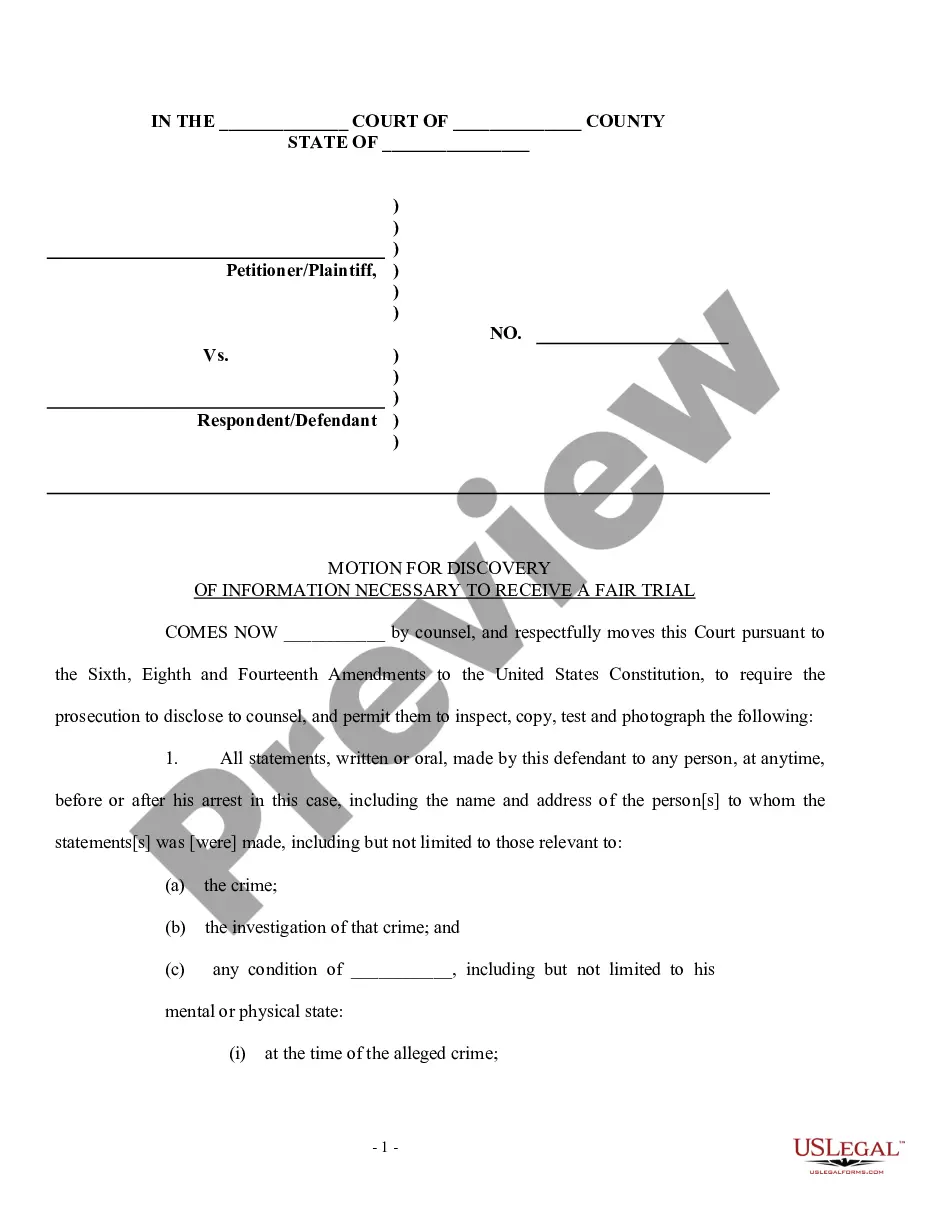
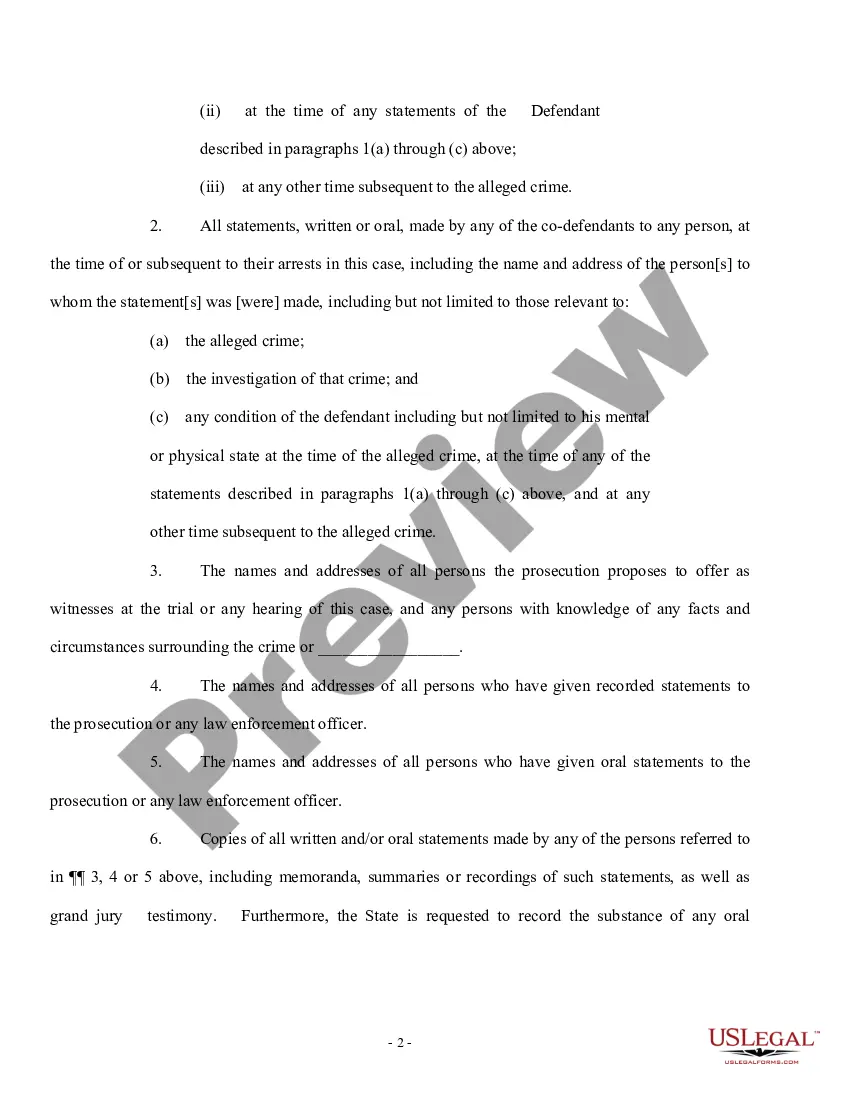
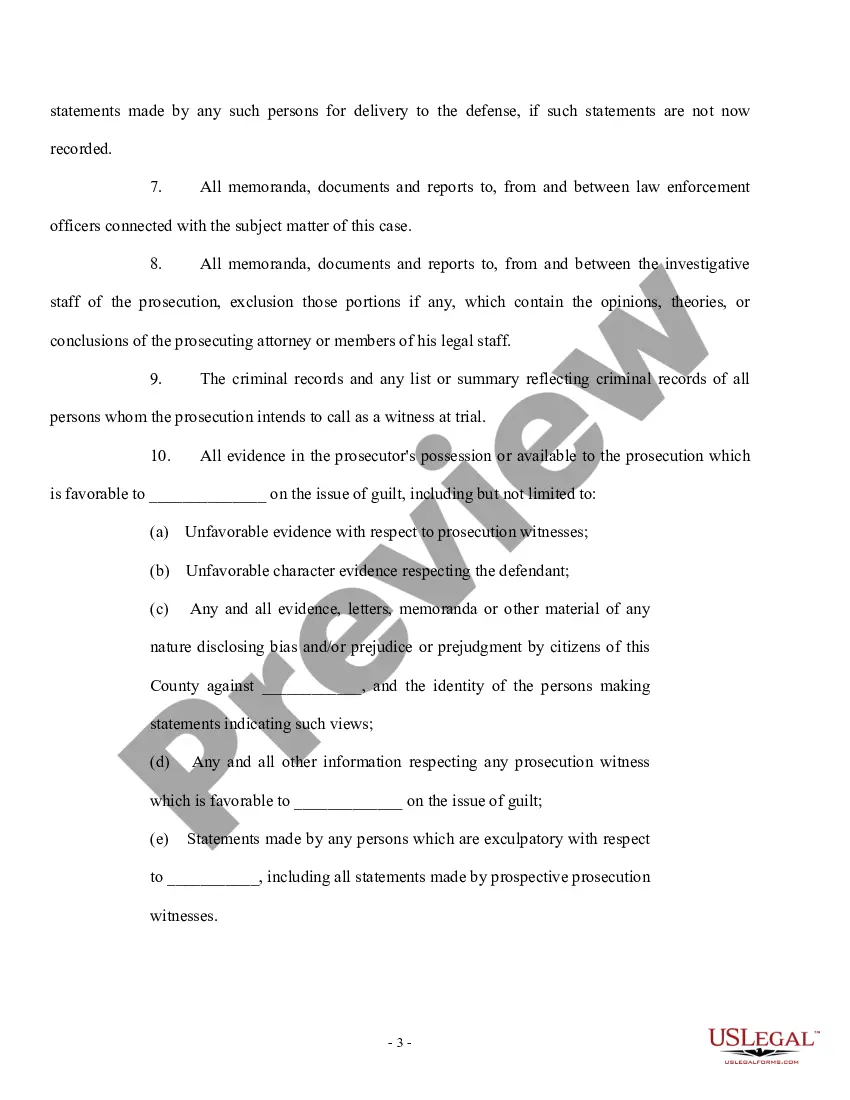
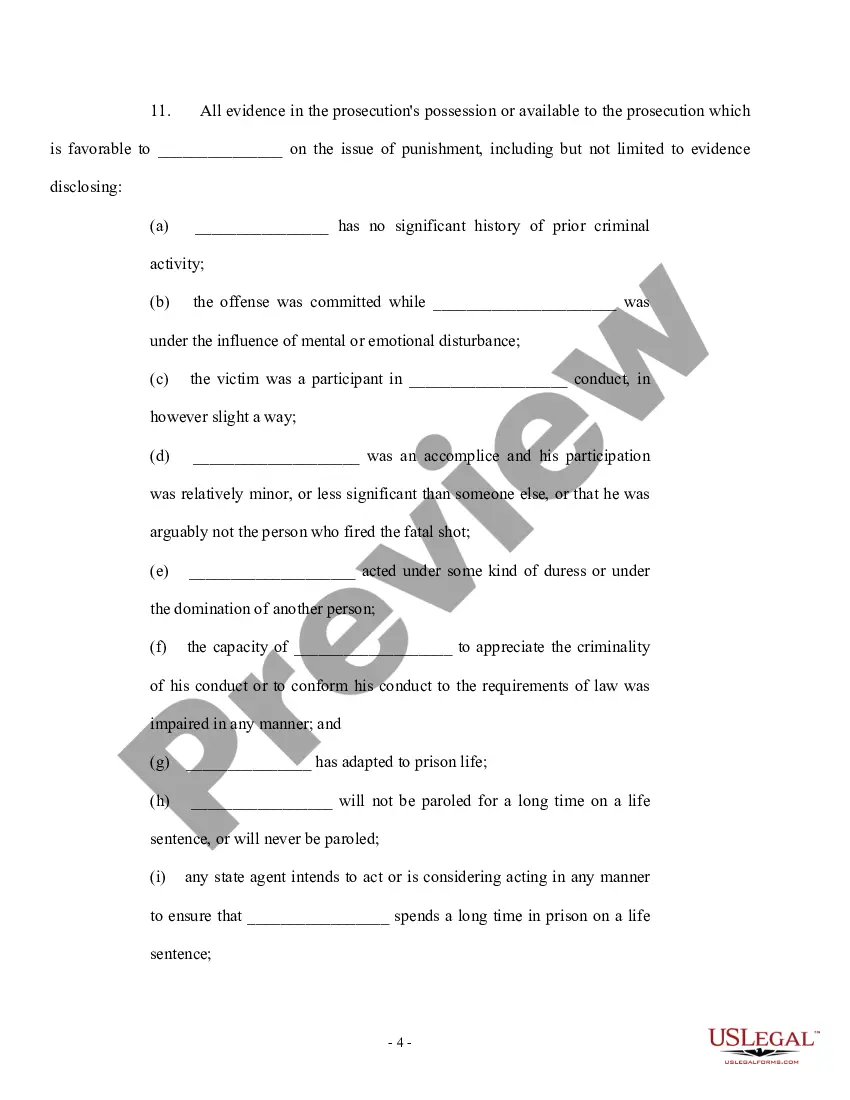
Motion Discovery Information Within Court System
Description
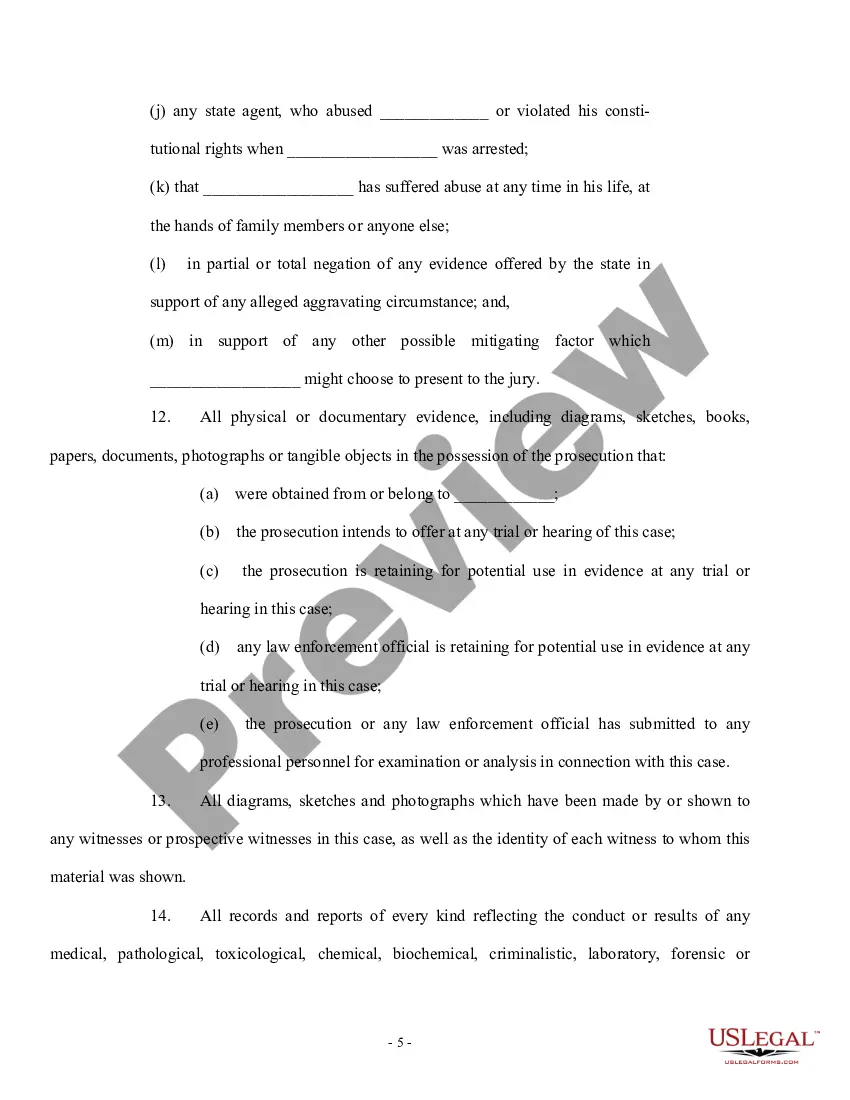
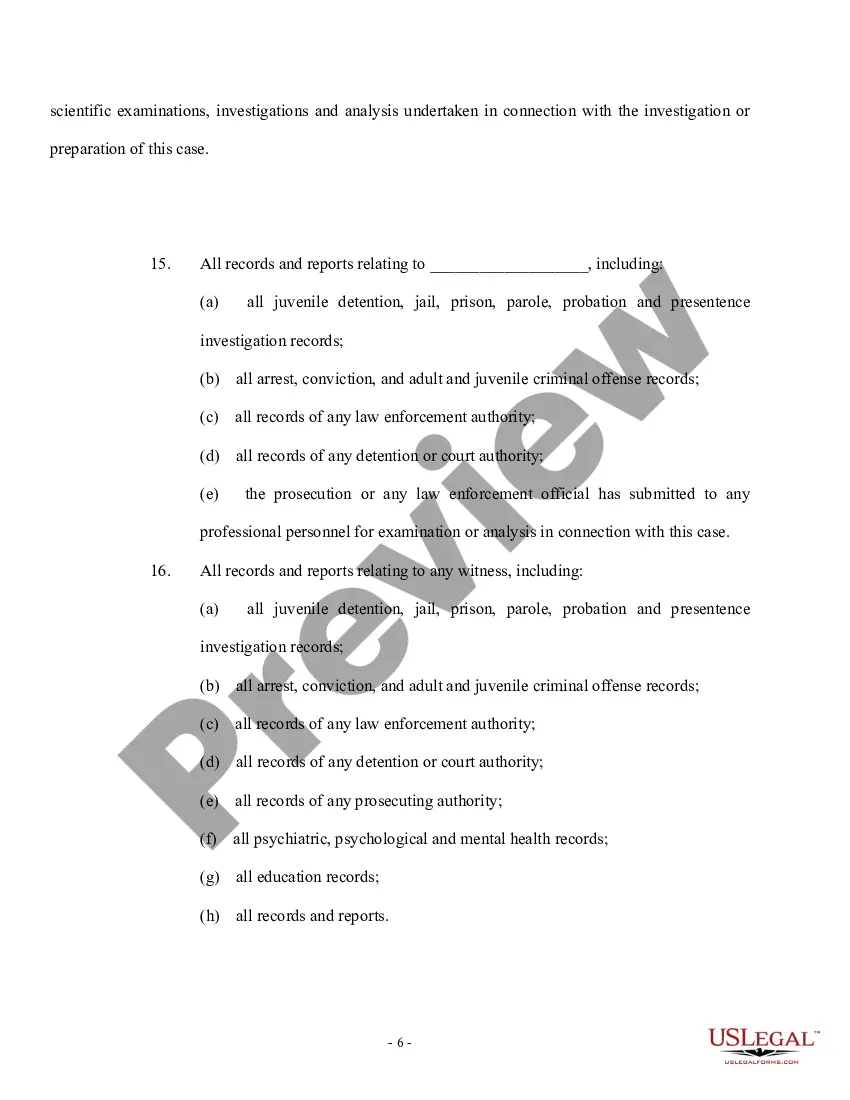
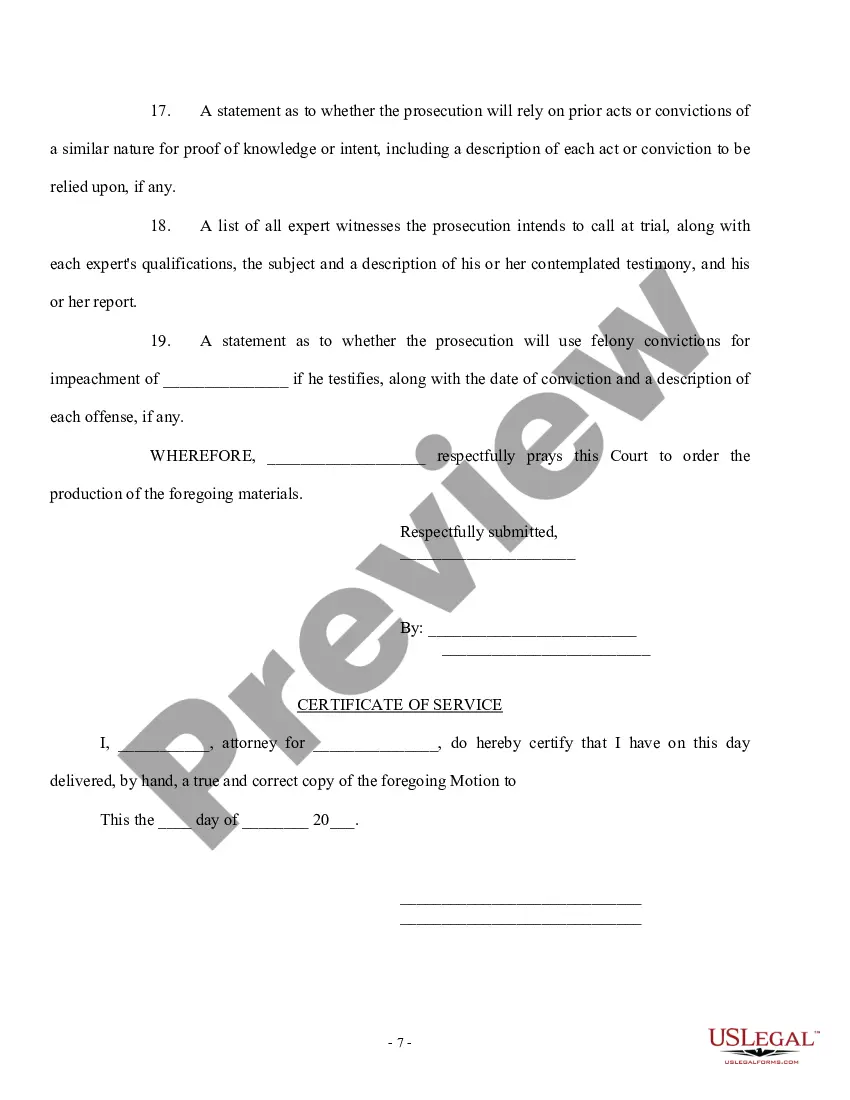
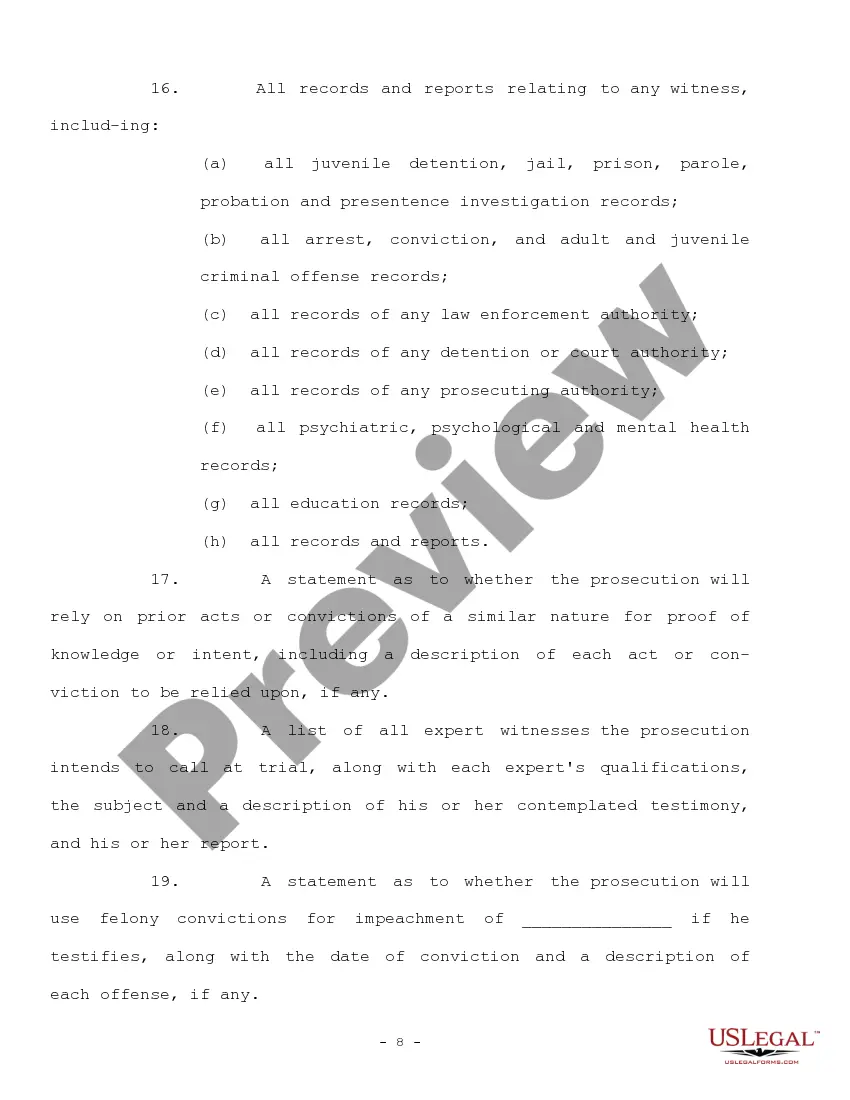
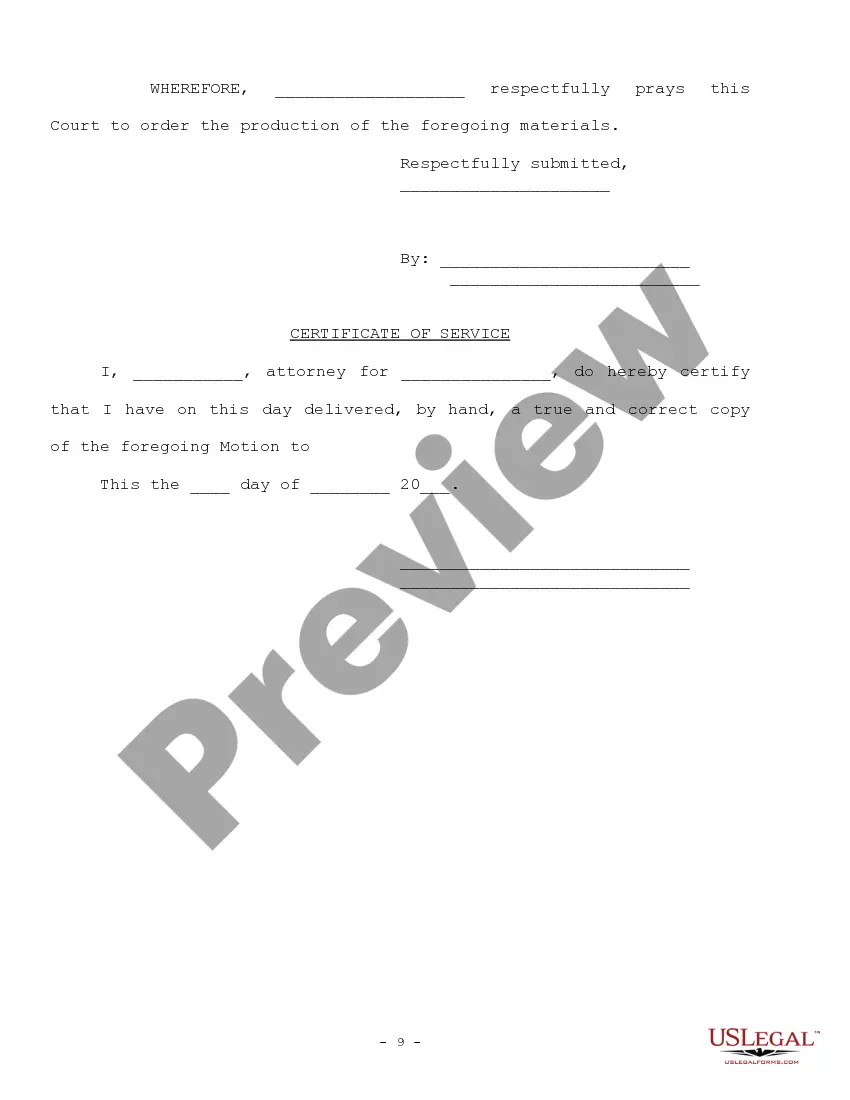
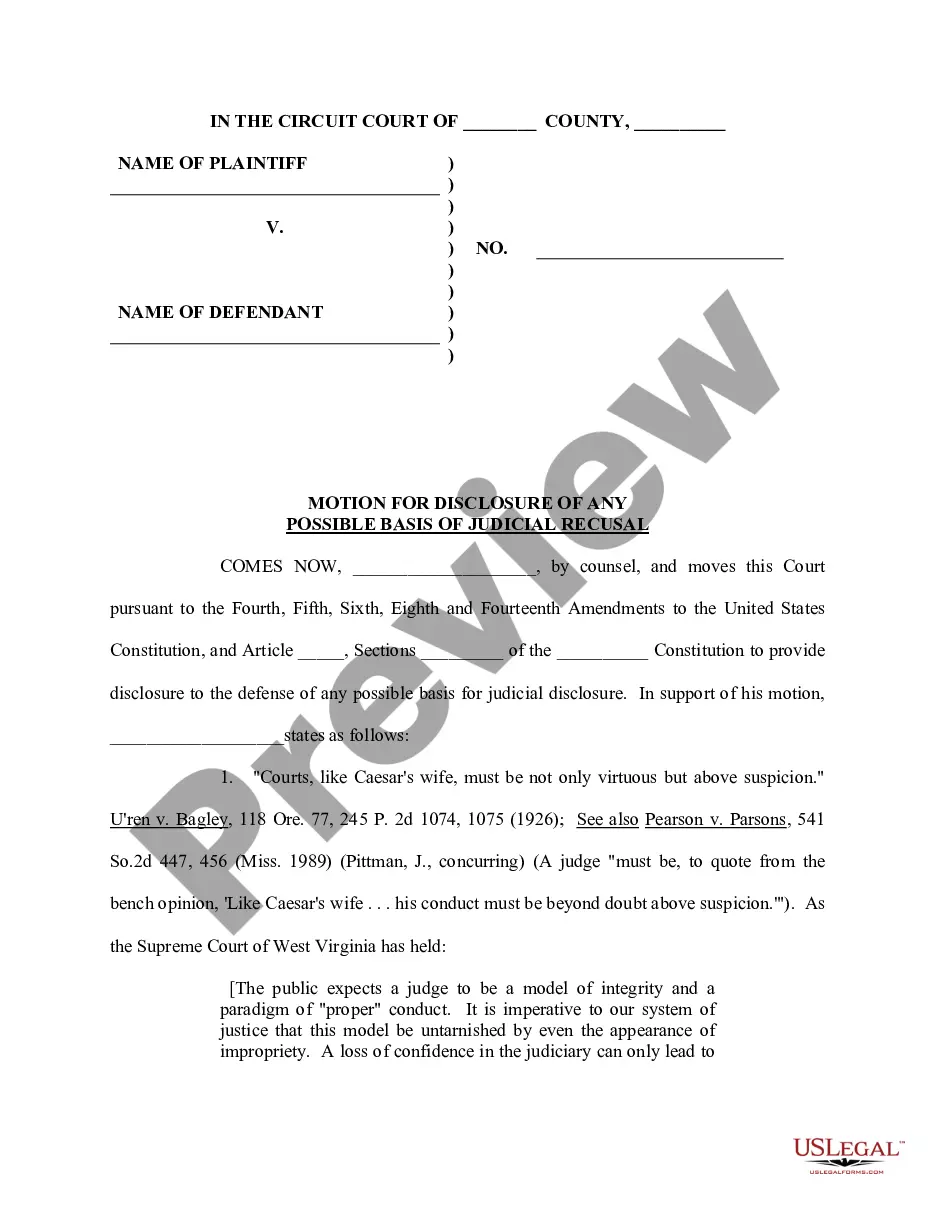
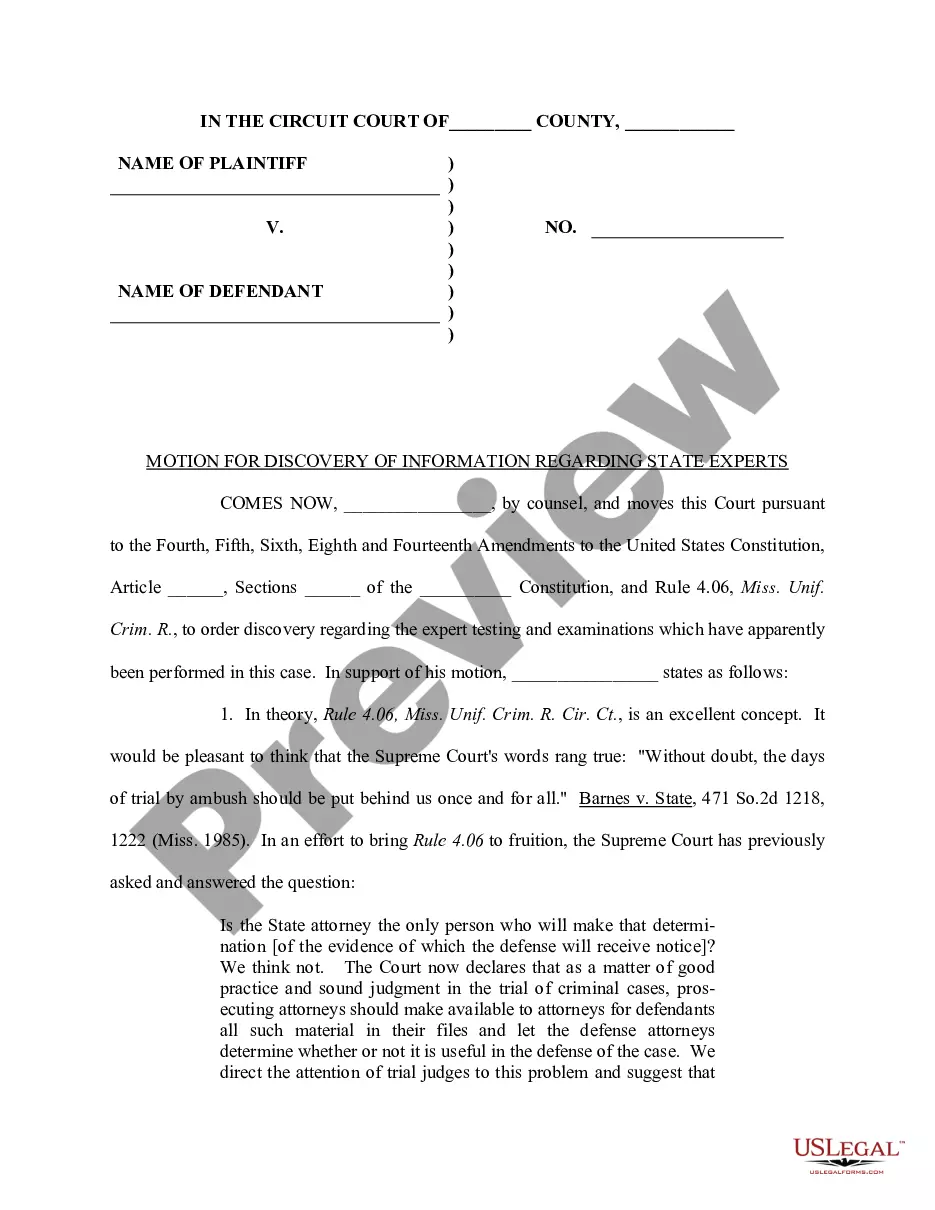
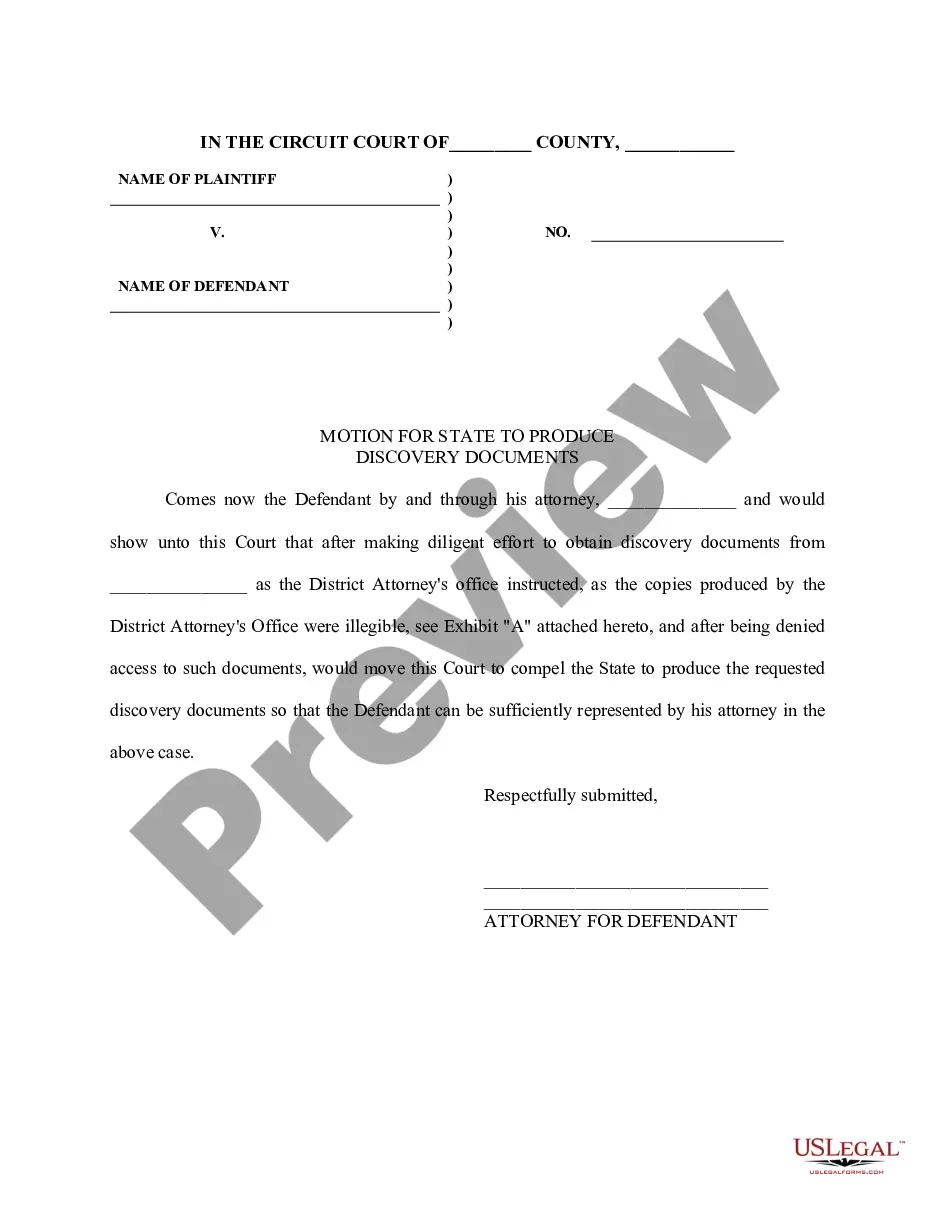
Get your form ready online
Our built-in tools help you complete, sign, share, and store your documents in one place.
Make edits, fill in missing information, and update formatting in US Legal Forms—just like you would in MS Word.
Download a copy, print it, send it by email, or mail it via USPS—whatever works best for your next step.
Sign and collect signatures with our SignNow integration. Send to multiple recipients, set reminders, and more. Go Premium to unlock E-Sign.
If this form requires notarization, complete it online through a secure video call—no need to meet a notary in person or wait for an appointment.
We protect your documents and personal data by following strict security and privacy standards.

Make edits, fill in missing information, and update formatting in US Legal Forms—just like you would in MS Word.

Download a copy, print it, send it by email, or mail it via USPS—whatever works best for your next step.

Sign and collect signatures with our SignNow integration. Send to multiple recipients, set reminders, and more. Go Premium to unlock E-Sign.

If this form requires notarization, complete it online through a secure video call—no need to meet a notary in person or wait for an appointment.

We protect your documents and personal data by following strict security and privacy standards.
Looking for another form?

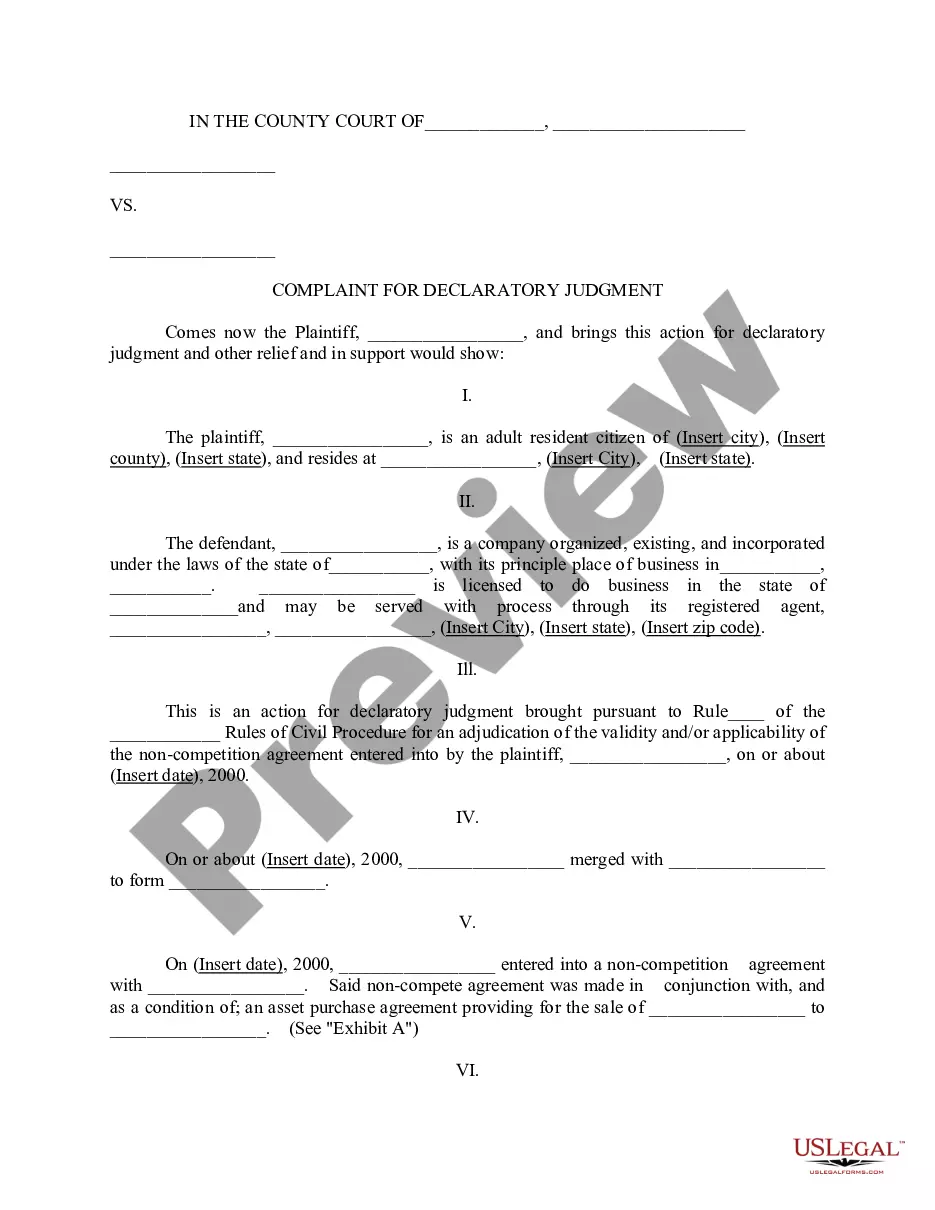



How to fill out Motion For Discovery Of Information Necessary To Receive A Fair Trial?
Managing legal documents can be daunting, even for the most experienced experts.
When looking for a Motion Discovery Information Within Court System and lacking the time to seek out the correct and current version, the process can be overwhelming.
Access legal and business forms tailored to your state or county. US Legal Forms meets all your needs, from personal to commercial documentation, in one convenient location.
Utilize advanced instruments to complete and manage your Motion Discovery Information Within Court System.
Here are the steps to follow after finding your desired document: Confirm that this is the correct form by previewing it and verifying its description.
- Access a library of articles, guides, and resources pertinent to your circumstances and requirements.
- Save time and energy searching for necessary documents, employing US Legal Forms' sophisticated search and Preview feature to locate Motion Discovery Information Within Court System and obtain it.
- If you possess a subscription, Log In to your US Legal Forms profile, search for the document, and download it.
- Visit the My documents tab to review the documents you have previously saved and manage your file organization as desired.
- If you're a new user of US Legal Forms, create a complimentary account to gain unrestricted access to all features of the library.
- A comprehensive online form repository could be transformative for anyone aiming to handle these matters efficiently.
- US Legal Forms is a leader in online legal documentation, offering over 85,000 state-specific legal documents accessible at any time.
- With US Legal Forms, you can easily.
Form popularity
FAQ
mail cannot be obtained during discovery.
Be as persuasive as possible as you write your motion in a sequential, logical format. Express your ideas clearly, and make sure you outline what steps are necessary and how they will help your case. Use facts of the case whenever you can to avoid baseless emotional appeals.
General format - each motion generally consists of a case caption, a title that briefly identifies the relief sought, a series of numbered paragraphs that explains -- in a logical way -- why you are entitled to that relief, a prayer for relief, a signature block, a certification that a copy of the motion was sent to ...
Presenting Your Case to the Court Understand what will happen at the hearing. Don't lie. ... Think about your audience. Tell the facts in a logical way. ... Be brief. ... Present your evidence in a way that supports your story. Prepare for the unexpected and remain focused.
Steps Of The Discovery Process. There are four key actions in the discovery process which include interrogatories, request for documents, request for admissions, and depositions.