Court Record Appellate With Appeal
Description
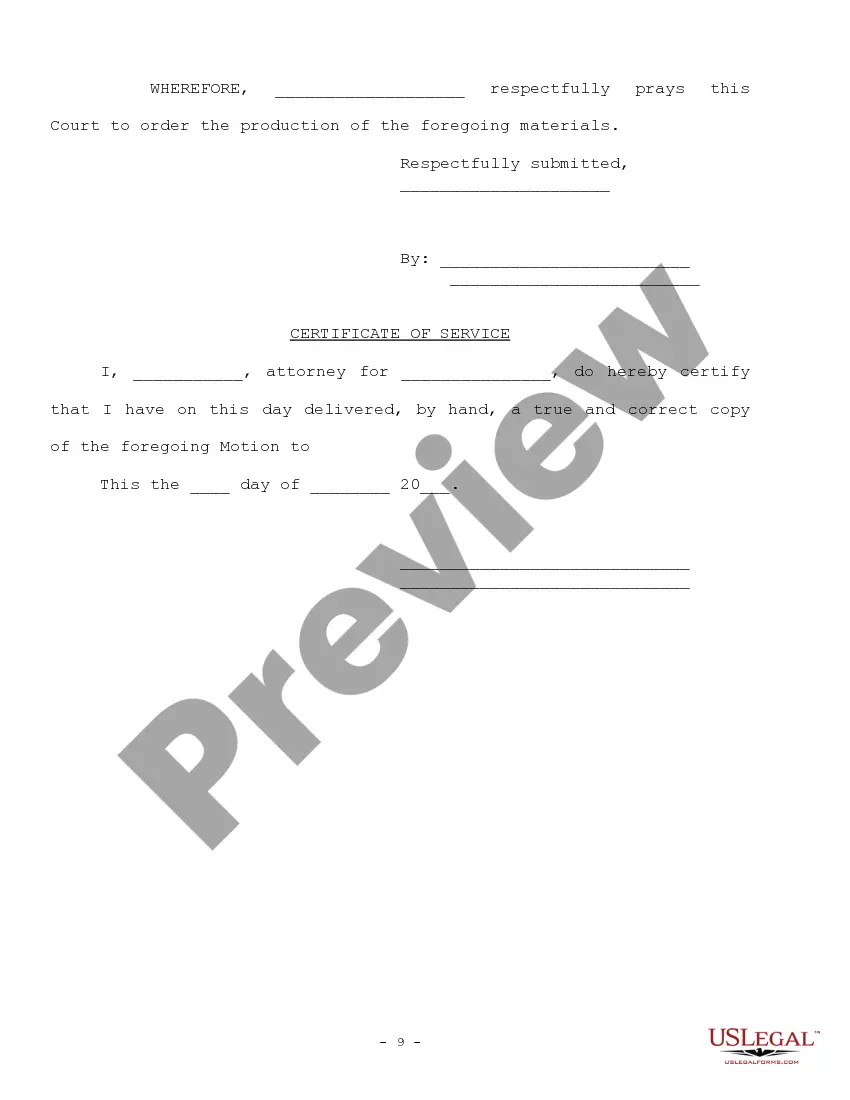
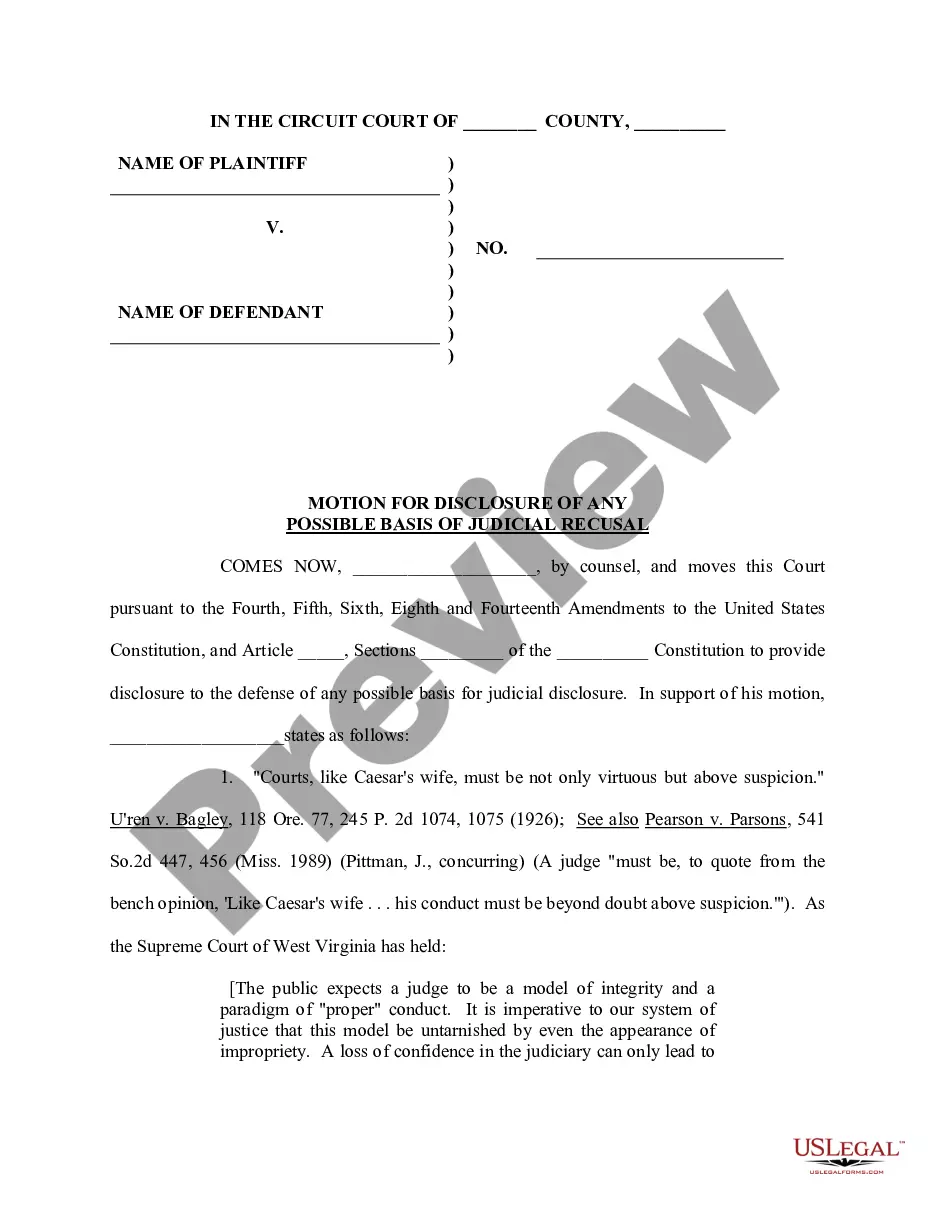
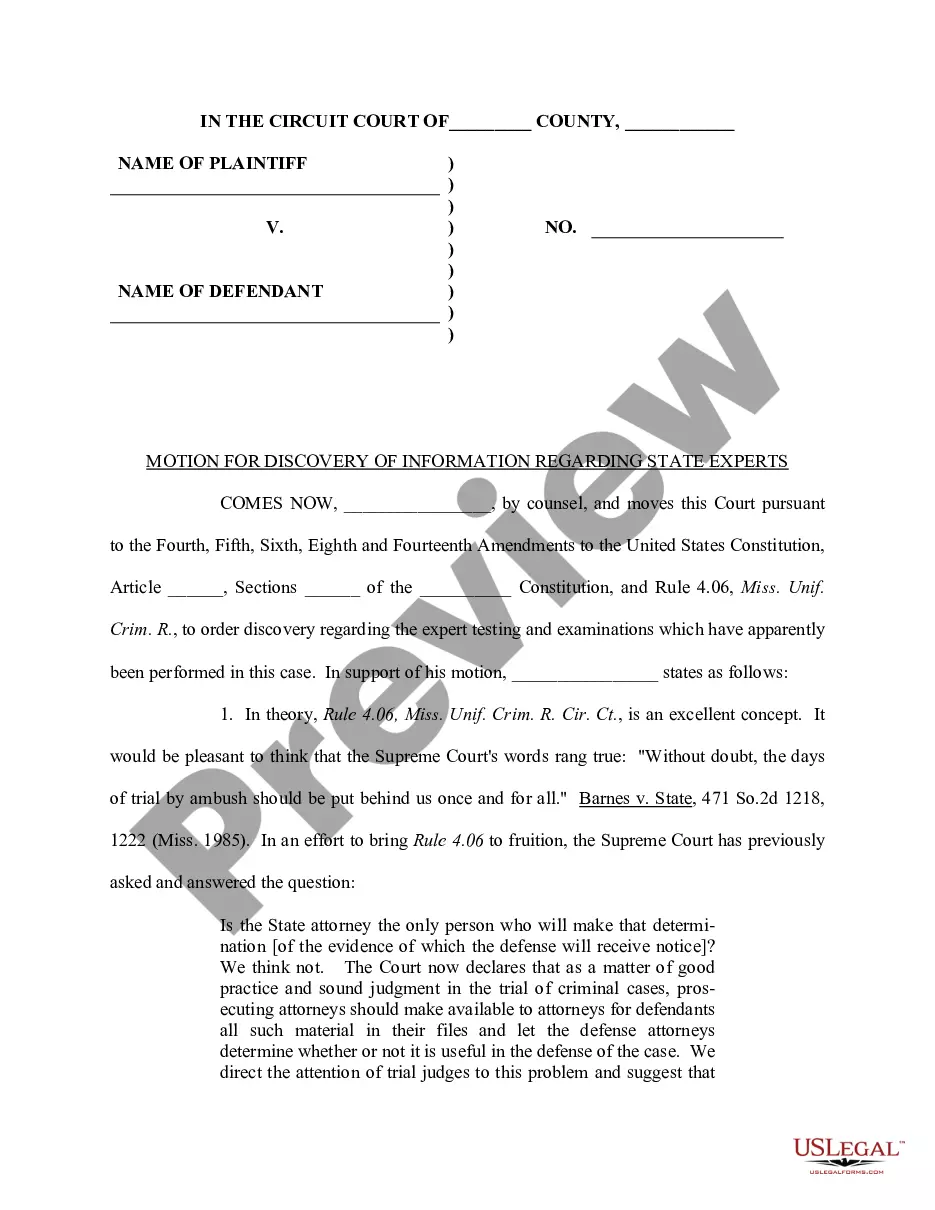
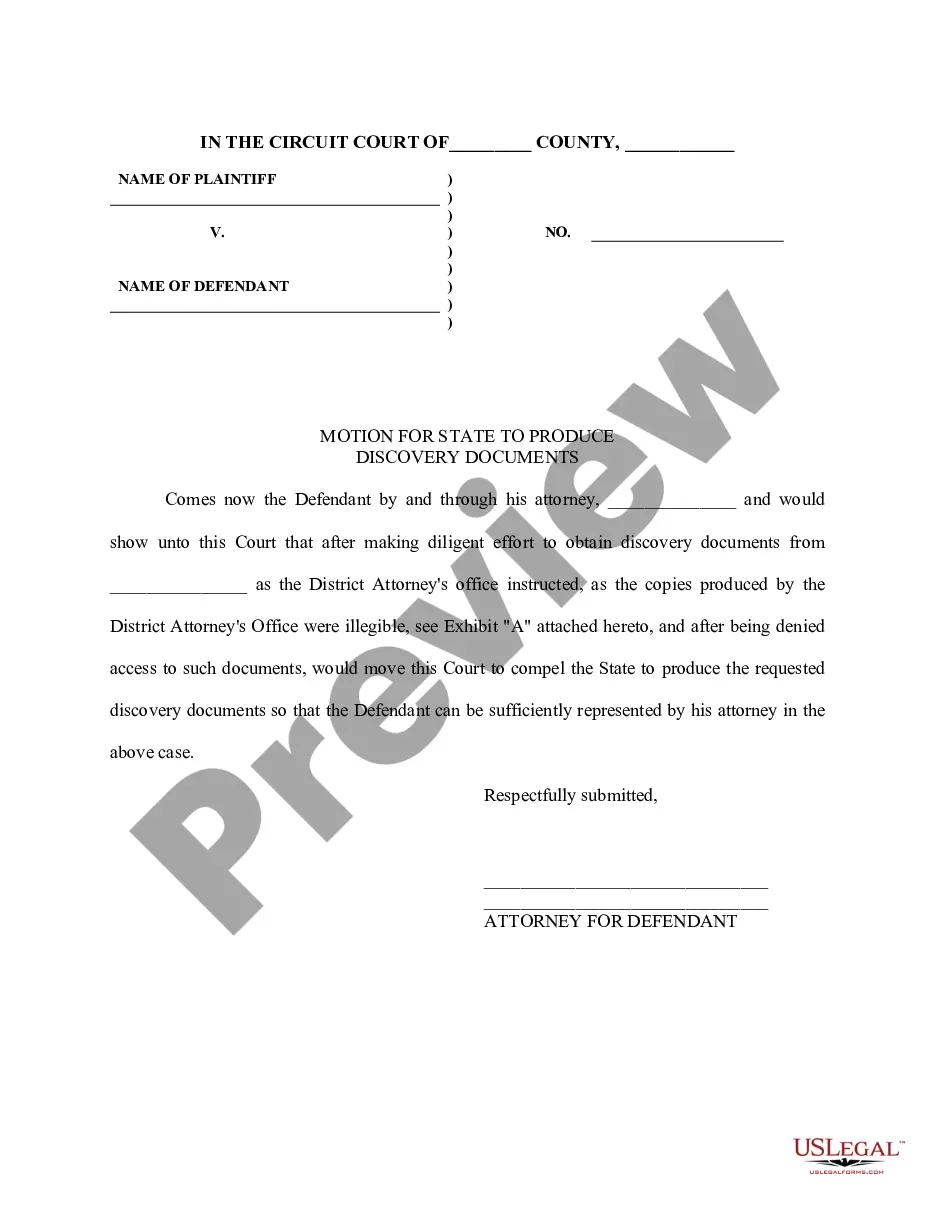
Get your form ready online
Our built-in tools help you complete, sign, share, and store your documents in one place.
Make edits, fill in missing information, and update formatting in US Legal Forms—just like you would in MS Word.
Download a copy, print it, send it by email, or mail it via USPS—whatever works best for your next step.
Sign and collect signatures with our SignNow integration. Send to multiple recipients, set reminders, and more. Go Premium to unlock E-Sign.
If this form requires notarization, complete it online through a secure video call—no need to meet a notary in person or wait for an appointment.
We protect your documents and personal data by following strict security and privacy standards.

Make edits, fill in missing information, and update formatting in US Legal Forms—just like you would in MS Word.

Download a copy, print it, send it by email, or mail it via USPS—whatever works best for your next step.

Sign and collect signatures with our SignNow integration. Send to multiple recipients, set reminders, and more. Go Premium to unlock E-Sign.

If this form requires notarization, complete it online through a secure video call—no need to meet a notary in person or wait for an appointment.

We protect your documents and personal data by following strict security and privacy standards.
Looking for another form?
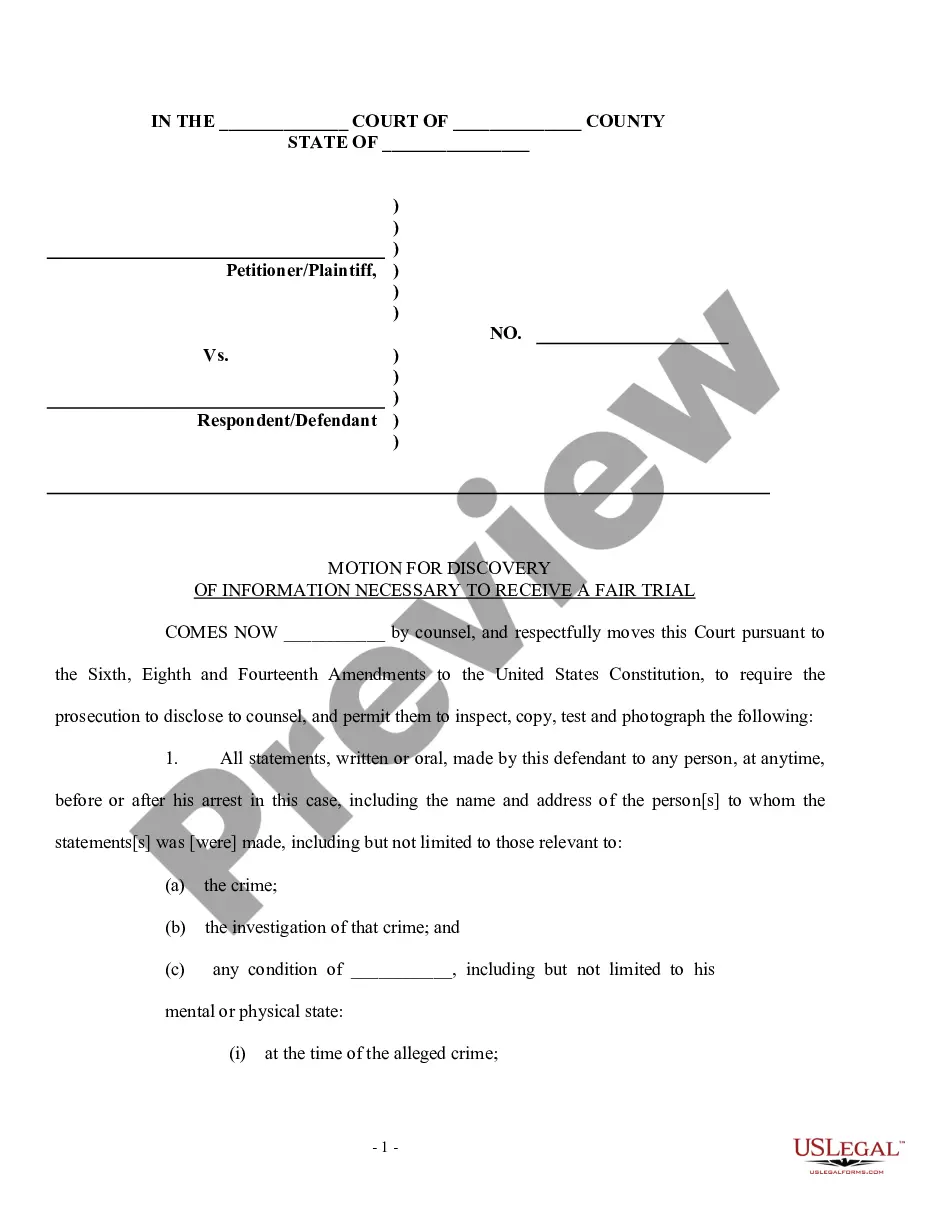
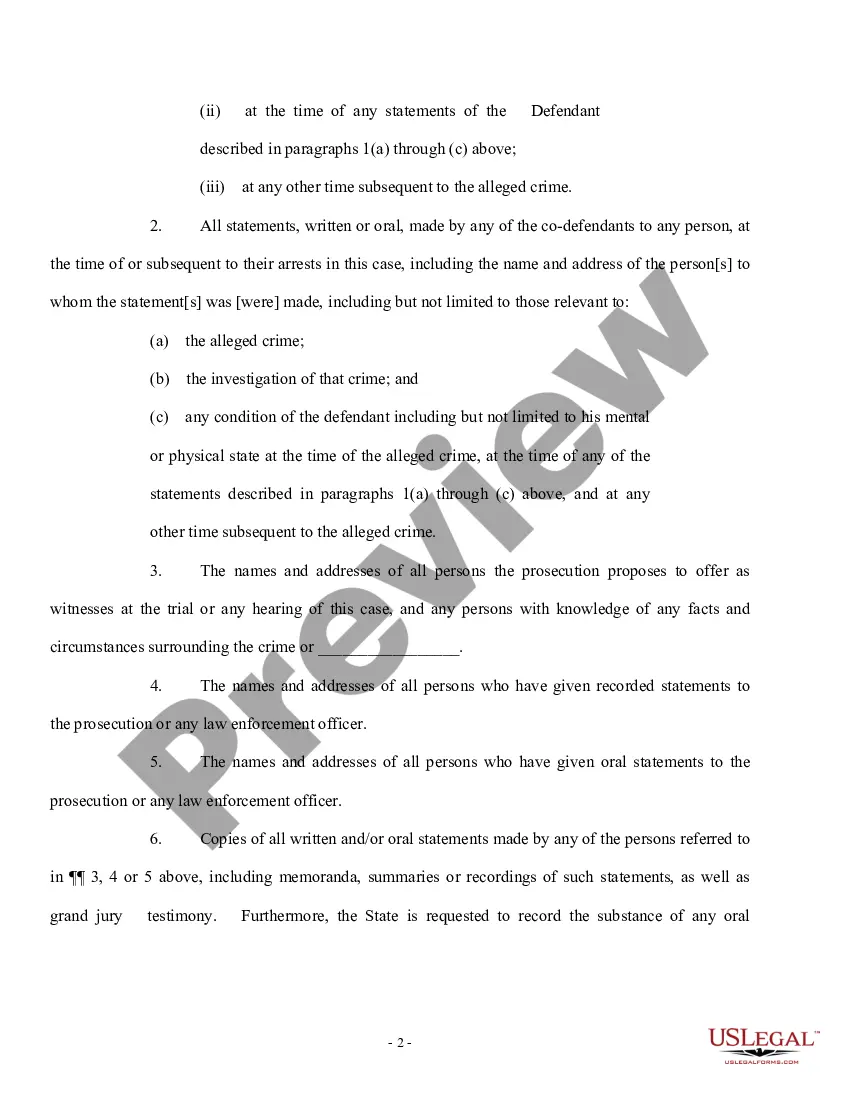
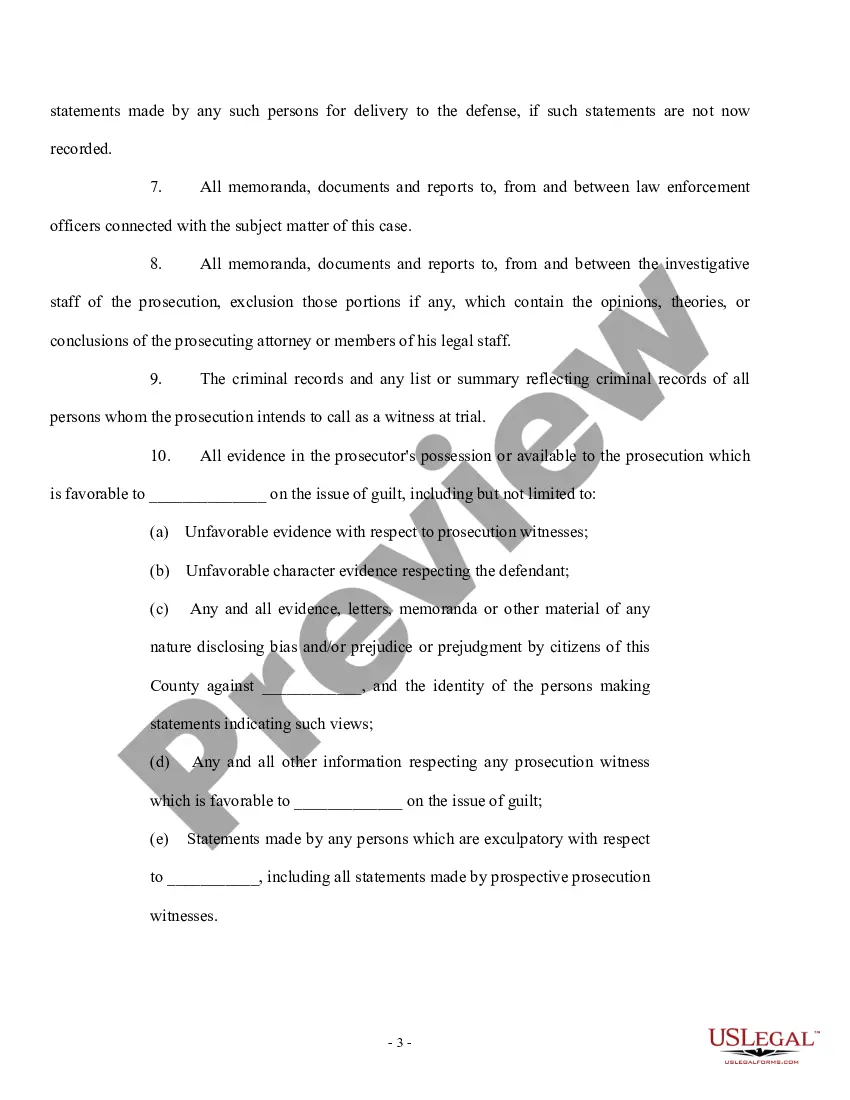
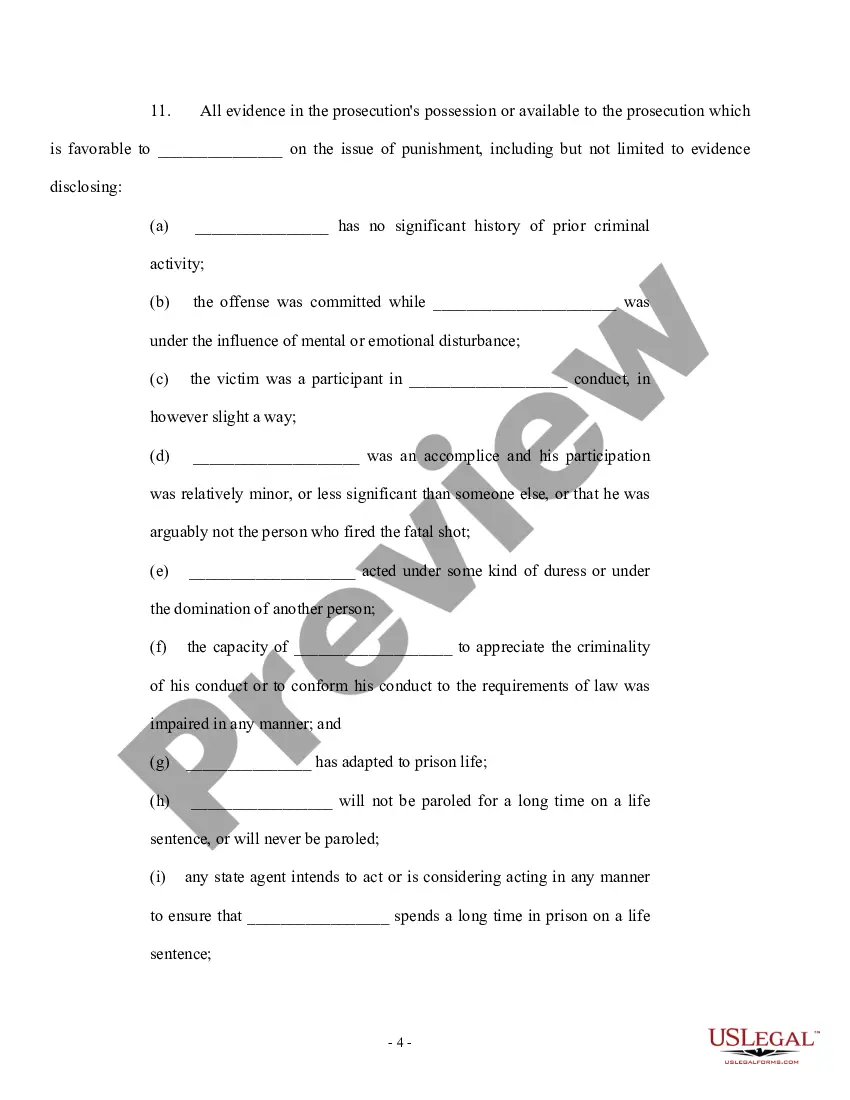
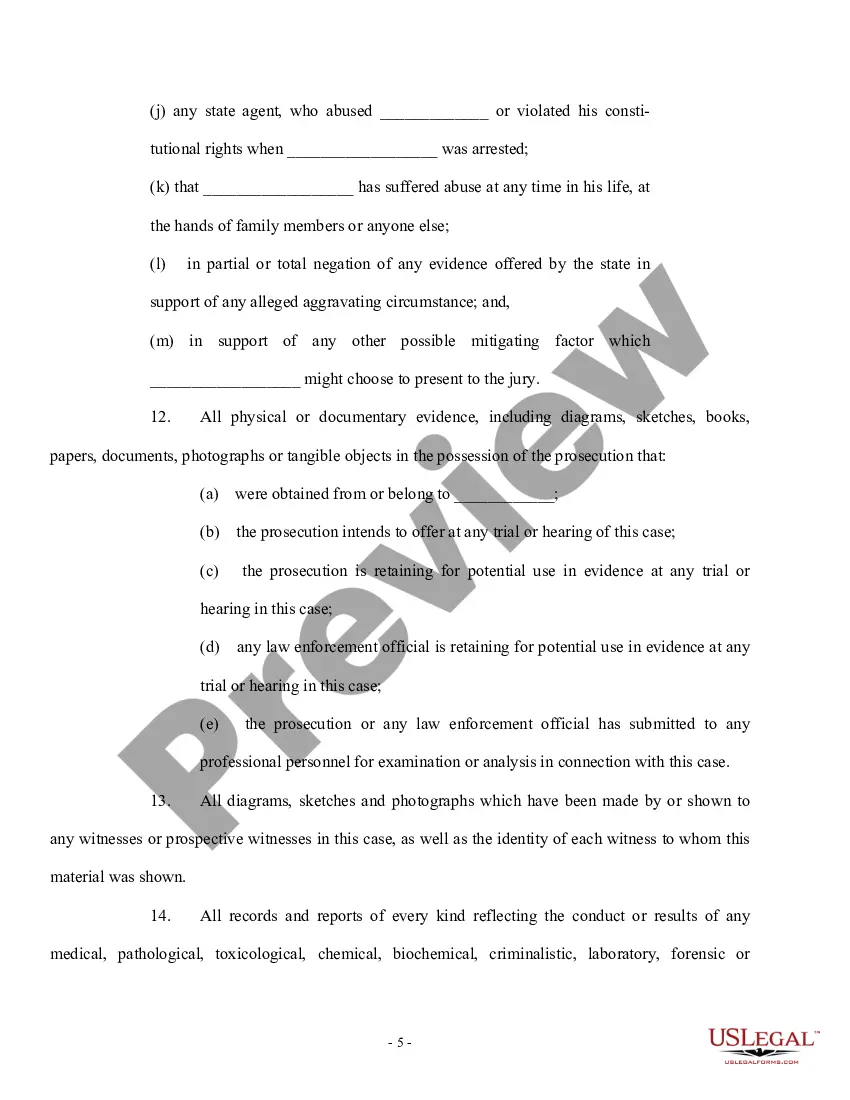
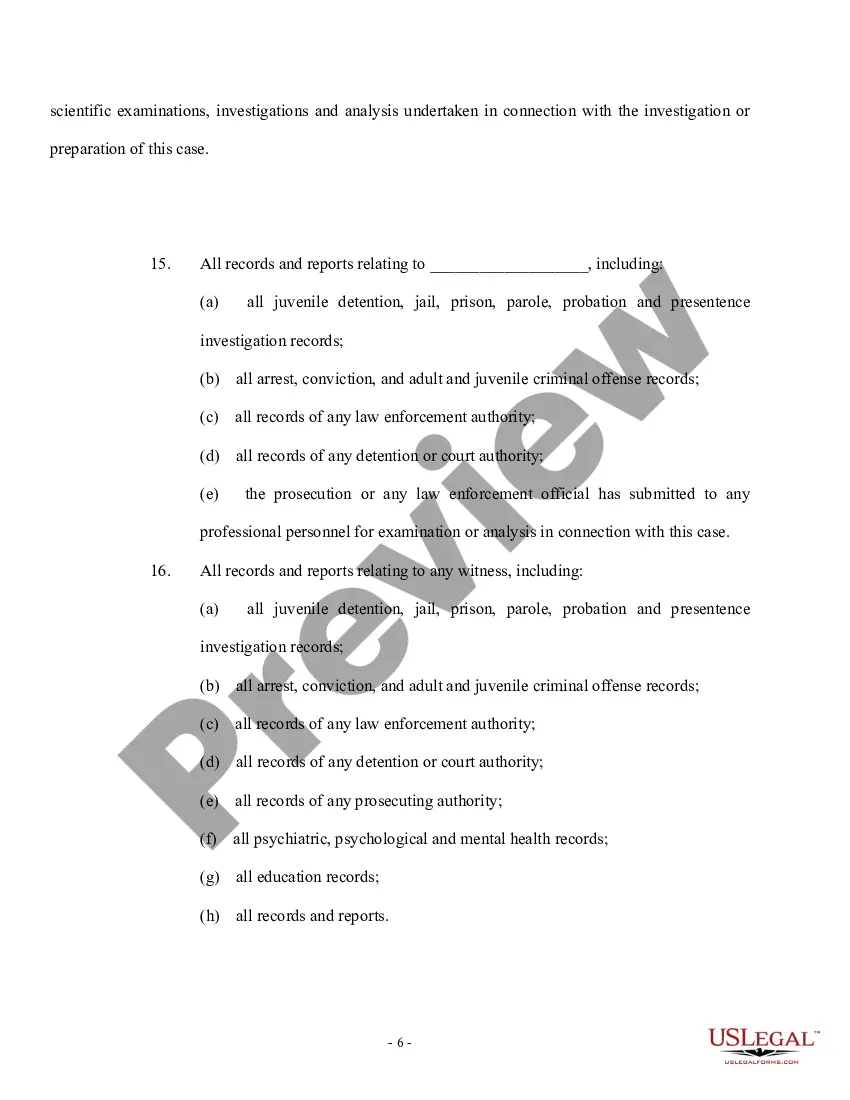
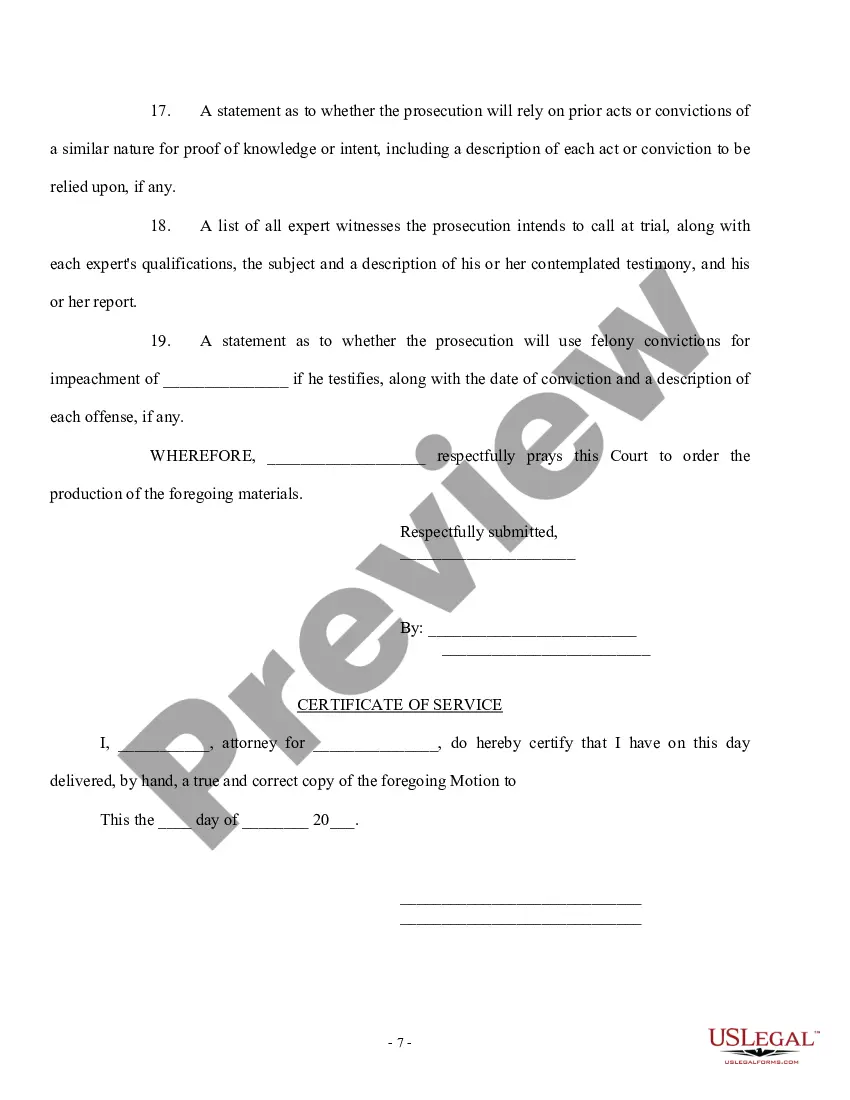
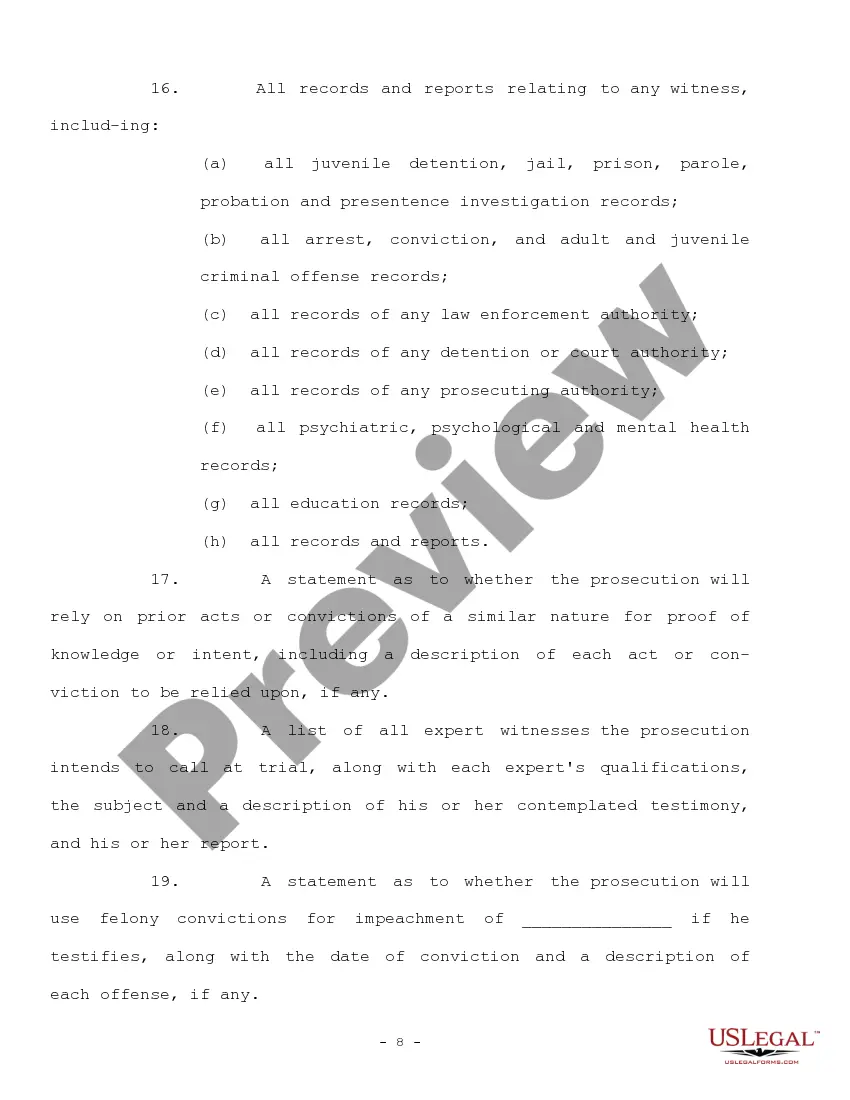
How to fill out Motion For Discovery Of Information Necessary To Receive A Fair Trial?
Regardless of whether it’s for commercial intents or personal concerns, everyone encounters legal issues at some stage in their life.
Filling out legal paperwork requires meticulous focus, starting from choosing the appropriate form template.
With an extensive US Legal Forms catalog at your disposal, you won't have to waste time searching for the right template online. Utilize the library’s straightforward navigation to find the correct form for any circumstance.
- Locate the template you require using the search bar or catalog browsing.
- Review the description of the form to confirm it is suitable for your case, jurisdiction, and area.
- Click on the form’s preview to view it.
- If it is not the correct document, go back to the search option to locate the Court Record Appellate With Appeal template you need.
- Obtain the file when it aligns with your needs.
- If you possess a US Legal Forms account, simply click Log in to access previously saved documents in My documents.
- If you haven't registered for an account yet, you can acquire the form by clicking Buy now.
- Choose the appropriate pricing option.
- Fill out the profile registration form.
- Select your payment method: you can utilize a credit card or PayPal.
- Choose the document format you desire and download the Court Record Appellate With Appeal.
- Once downloaded, you can complete the form using editing software or print it out and fill it in manually.
Form popularity
FAQ
Yes, a record on appeal is typically required to support your claims during the appellate process. This record provides a comprehensive overview of the trial proceedings, including evidence and testimony. A thorough court record appellate with appeal enables the appellate court to make informed decisions based on the case's original context. Always check local rules to ensure you meet all requirements for your appeal.
The appeal is taken by filing a notice of appeal with the court that rendered the judgment or final order appealed from. The notice of appeal shall indicate the parties to the appeal, the judgment or final order or part thereof appealed from, and state the material dates showing the timeliness of the appeal.
In most civil appeals, you must designate the record on appeal. "Designating the record" means that you must let the superior court know what documents and oral proceedings if any, to include in the record that will be sent to the appellate court.
In almost all cases, the appellate court only looks at two things: Whether a legal mistake was made in the trial court. Whether this mistake changed the final decision (called the "judgment") in the case.
You may make a Motion to Augment Record on Appeal (Documents Attached). Attach the documents to your motion to augment that you want added to the record on appeal and number each page consecutively, beginning with the number one. The motion is filed in the Court of Appeal.
The 5 Steps of the Appeals Process Step 1: Hiring an Appellate Attorney (Before Your Appeal) ... Step 2: Filing the Notice of Appeal. ... Step 3: Preparing the Record on Appeal. ... Step 4: Researching and Writing Your Appeal. ... Step 5: Oral Argument.