Confidentiality Agreement With Therapist
Description

Get your form ready online
Our built-in tools help you complete, sign, share, and store your documents in one place.
Make edits, fill in missing information, and update formatting in US Legal Forms—just like you would in MS Word.
Download a copy, print it, send it by email, or mail it via USPS—whatever works best for your next step.
Sign and collect signatures with our SignNow integration. Send to multiple recipients, set reminders, and more. Go Premium to unlock E-Sign.
If this form requires notarization, complete it online through a secure video call—no need to meet a notary in person or wait for an appointment.
We protect your documents and personal data by following strict security and privacy standards.

Make edits, fill in missing information, and update formatting in US Legal Forms—just like you would in MS Word.

Download a copy, print it, send it by email, or mail it via USPS—whatever works best for your next step.

Sign and collect signatures with our SignNow integration. Send to multiple recipients, set reminders, and more. Go Premium to unlock E-Sign.

If this form requires notarization, complete it online through a secure video call—no need to meet a notary in person or wait for an appointment.

We protect your documents and personal data by following strict security and privacy standards.
Looking for another form?




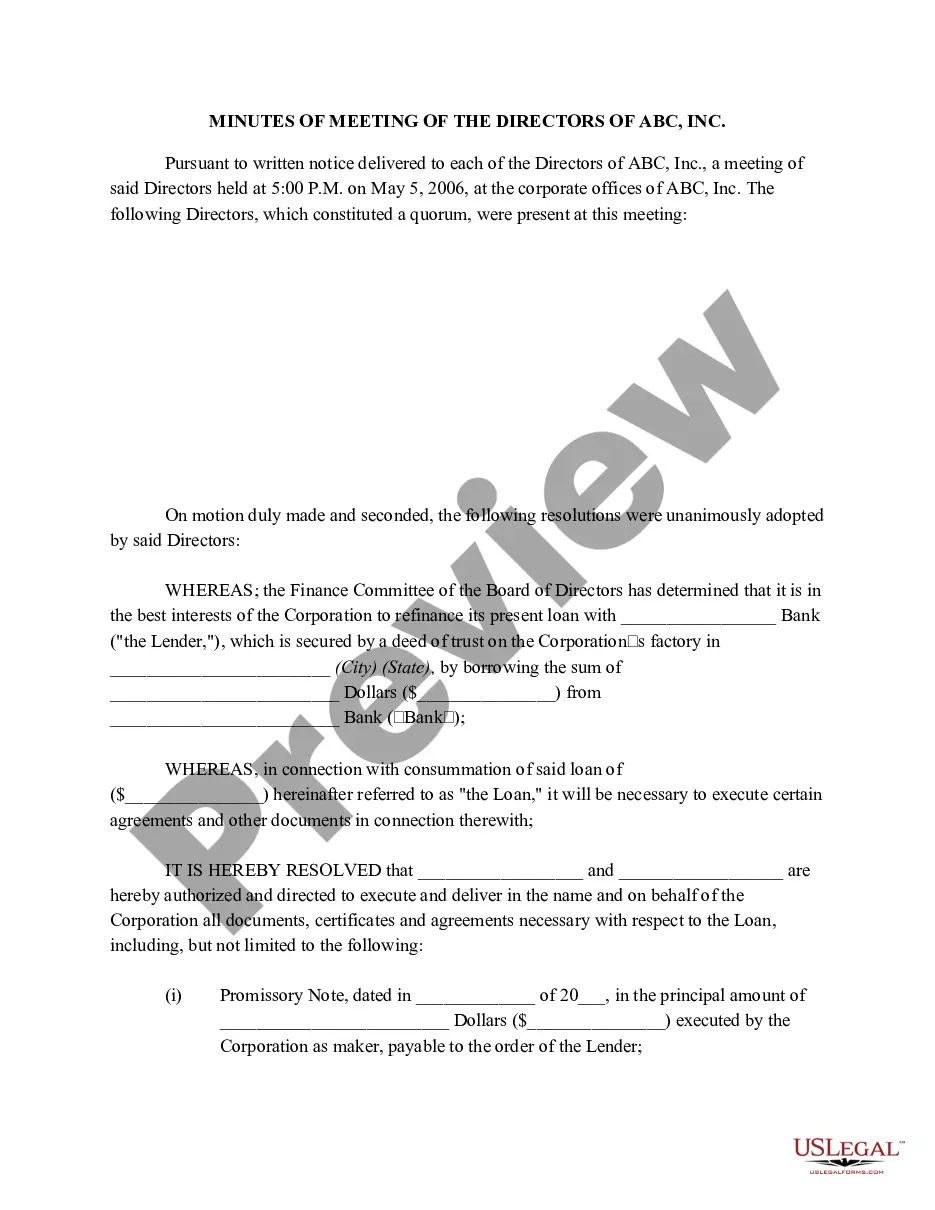



How to fill out USLegal Practical Guide To Confidential Information, Trade Secrets And NonDisclosure Agreements?
Securing a reliable location to obtain the most up-to-date and suitable legal templates is a significant part of navigating bureaucracy. Selecting the appropriate legal documents requires accuracy and meticulousness, which is why it is essential to source samples of Confidentiality Agreement With Therapist exclusively from reputable providers, such as US Legal Forms. An incorrect template can squander your time and prolong your current predicament. With US Legal Forms, you have minimal concerns. You can access and verify all details regarding the document’s applicability and significance for your situation and in your state or county.
Follow these outlined steps to complete your Confidentiality Agreement With Therapist.
Once you have the form on your device, you can modify it using the editor or print it and complete it manually. Eliminate the hassle associated with your legal documents. Explore the extensive US Legal Forms catalog where you can discover legal samples, assess their relevance to your situation, and download them right away.
- Utilize the library navigation or search bar to locate your sample.
- Examine the form’s description to confirm it meets the specifications of your state and locality.
- Review the form preview, if available, to ensure the template is indeed what you need.
- Return to the search to find the correct template if the Confidentiality Agreement With Therapist does not fulfill your needs.
- If you are confident about the form’s applicability, download it.
- If you are a registered user, click Log in to verify and access your selected forms in My documents.
- If you do not have an account yet, click Buy now to acquire the form.
- Choose the pricing option that suits your needs.
- Proceed with the registration to finalize your purchase.
- Conclude your purchase by selecting a payment method (credit card or PayPal).
- Choose the document format for downloading the Confidentiality Agreement With Therapist.
Form popularity
FAQ
The three most common situations that are considered limitations of confidentiality in counseling include immediate danger to self, duty to warn, and suspected abuse or neglect of a child or elder.
I cannot and will not tell anyone else what you have told me, or even that you are in therapy with me without your prior permission. You can authorize me to share information with whomever you choose, and you may change your mind and revoke that permission at anytime.
Most of the mandatory exceptions to confidentiality are well known and understood. They include reporting child, elder and dependent adult abuse, and the so-called "duty to protect." However, there are other, lesserknown exceptions also required by law. Each will be presented in turn.
Therapists take confidentiality seriously. They understand that clients need a safe place to disclose their most private thoughts and feelings. In almost all cases, your personal information is held in strict confidence. Only in extreme cases will your therapist need to break confidentiality to keep you or others safe.
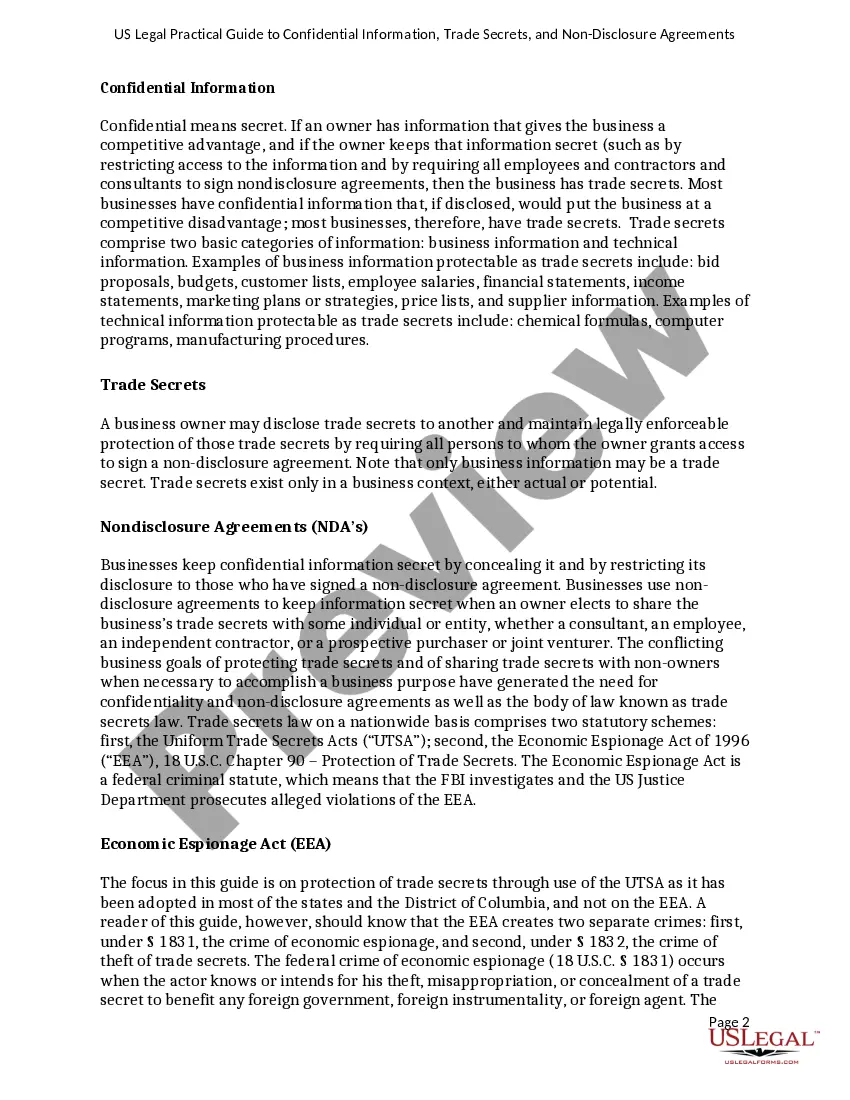
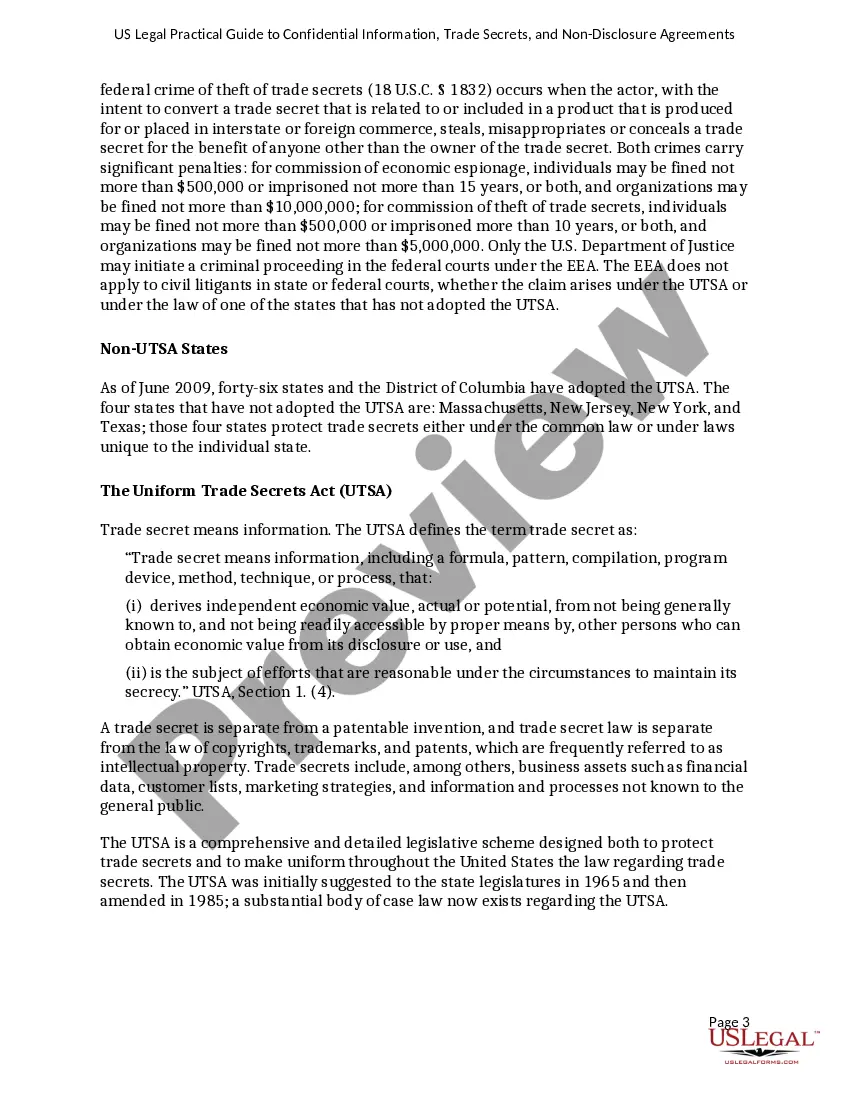
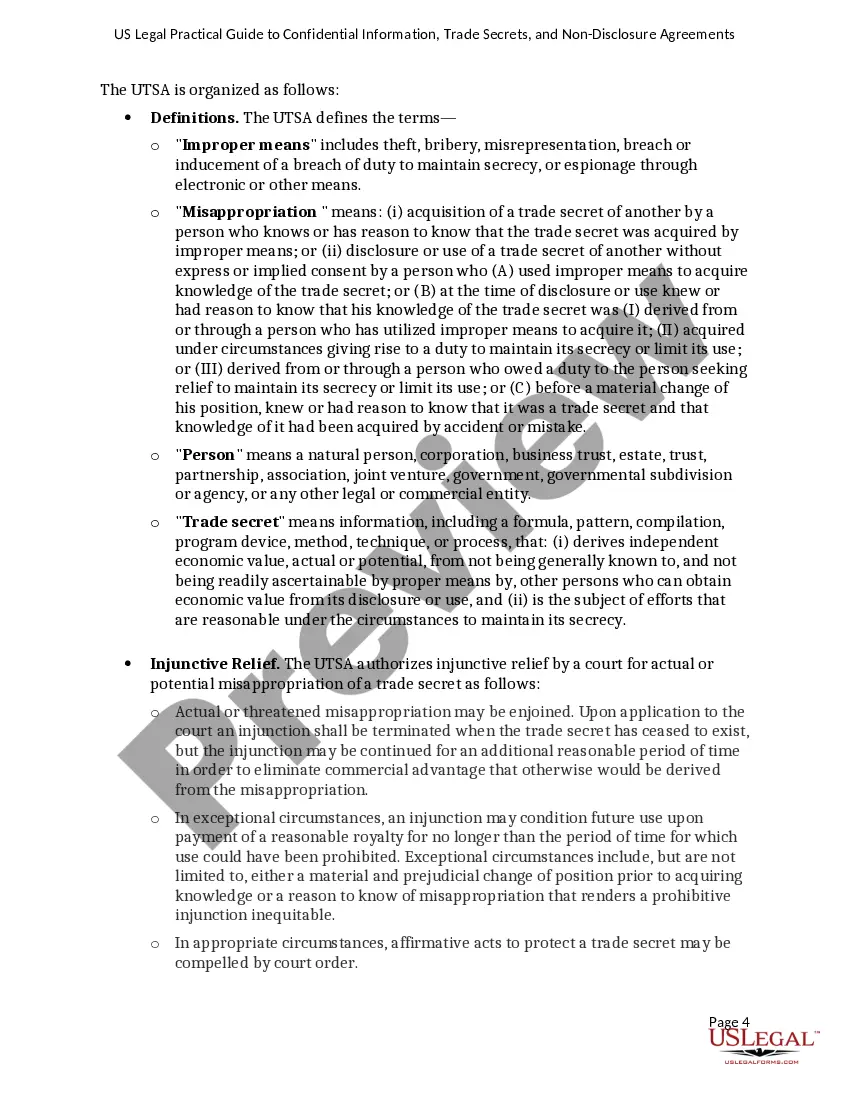
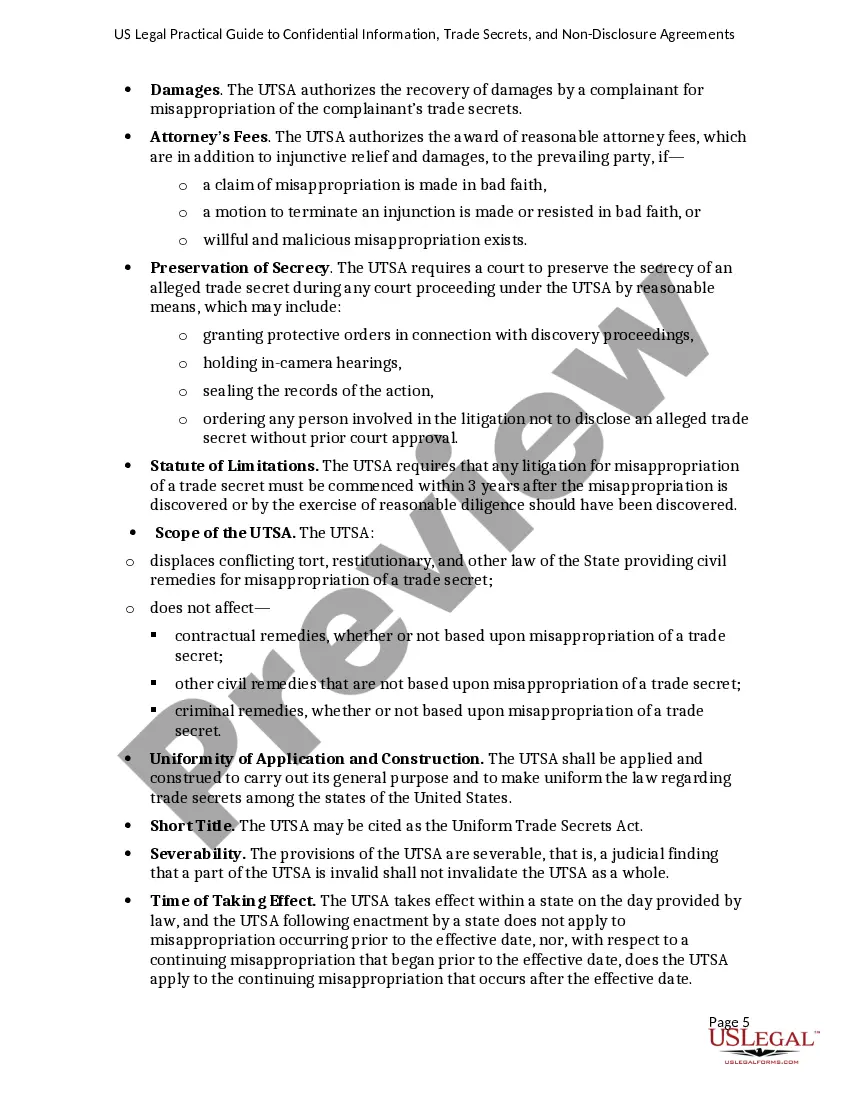
A confidentiality agreement should include a clear definition of the confidential information, scope of the agreement, obligations of the receiving party, the duration of the contract, any exceptions to confidentiality, and the consequences of a breach of the contract.