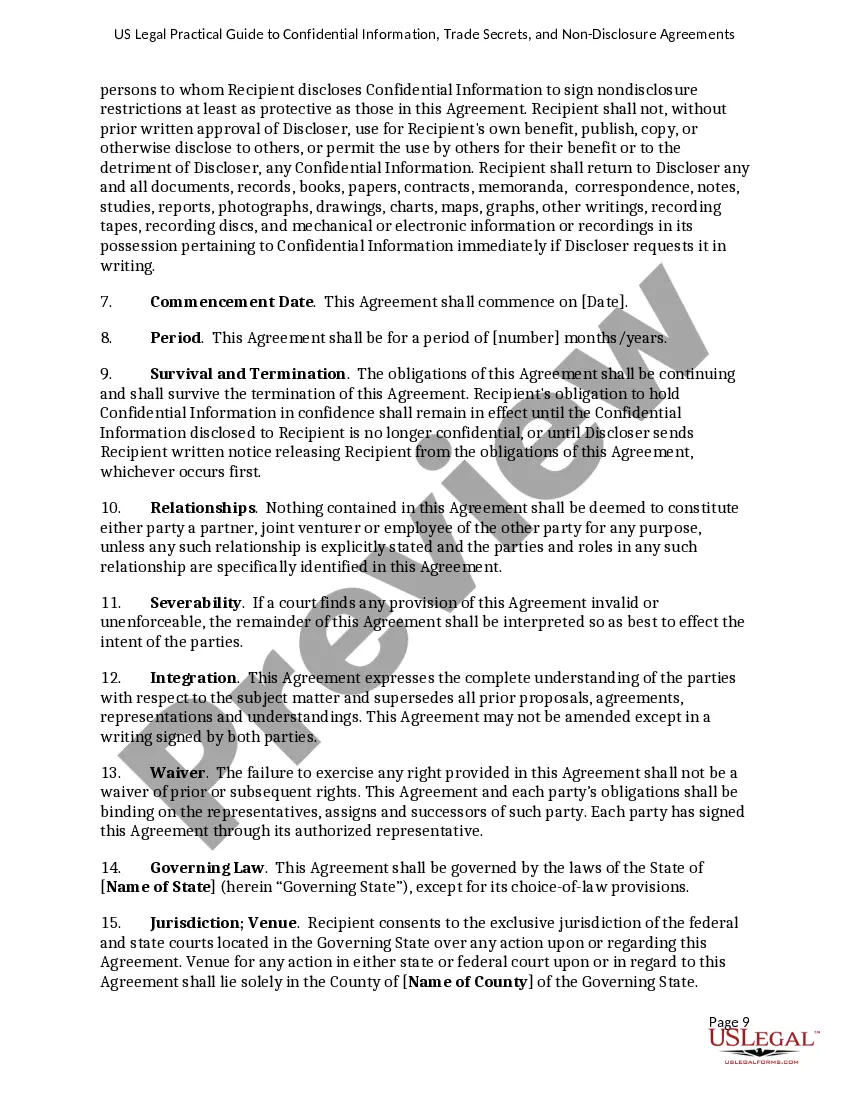
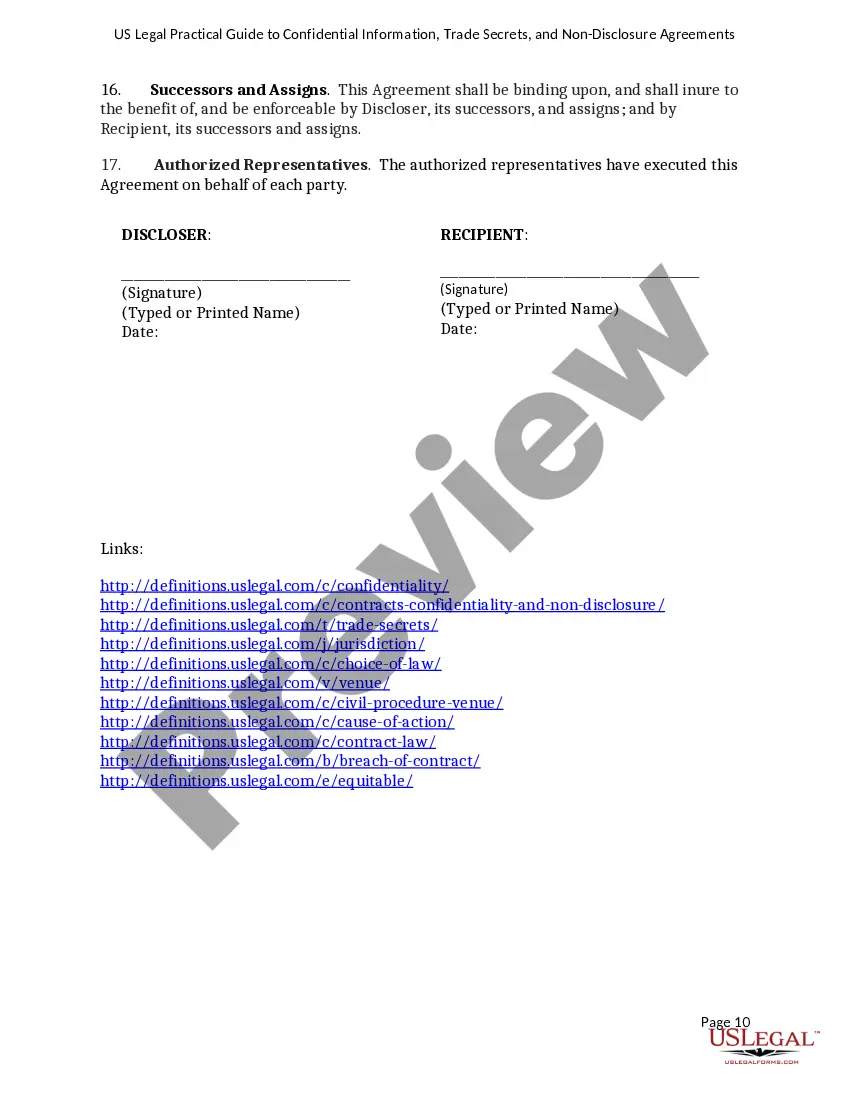
Confidentiality Agreement For Board Members
Description
Get your form ready online
Our built-in tools help you complete, sign, share, and store your documents in one place.
Make edits, fill in missing information, and update formatting in US Legal Forms—just like you would in MS Word.
Download a copy, print it, send it by email, or mail it via USPS—whatever works best for your next step.
Sign and collect signatures with our SignNow integration. Send to multiple recipients, set reminders, and more. Go Premium to unlock E-Sign.
If this form requires notarization, complete it online through a secure video call—no need to meet a notary in person or wait for an appointment.
We protect your documents and personal data by following strict security and privacy standards.

Make edits, fill in missing information, and update formatting in US Legal Forms—just like you would in MS Word.

Download a copy, print it, send it by email, or mail it via USPS—whatever works best for your next step.

Sign and collect signatures with our SignNow integration. Send to multiple recipients, set reminders, and more. Go Premium to unlock E-Sign.

If this form requires notarization, complete it online through a secure video call—no need to meet a notary in person or wait for an appointment.

We protect your documents and personal data by following strict security and privacy standards.
Looking for another form?
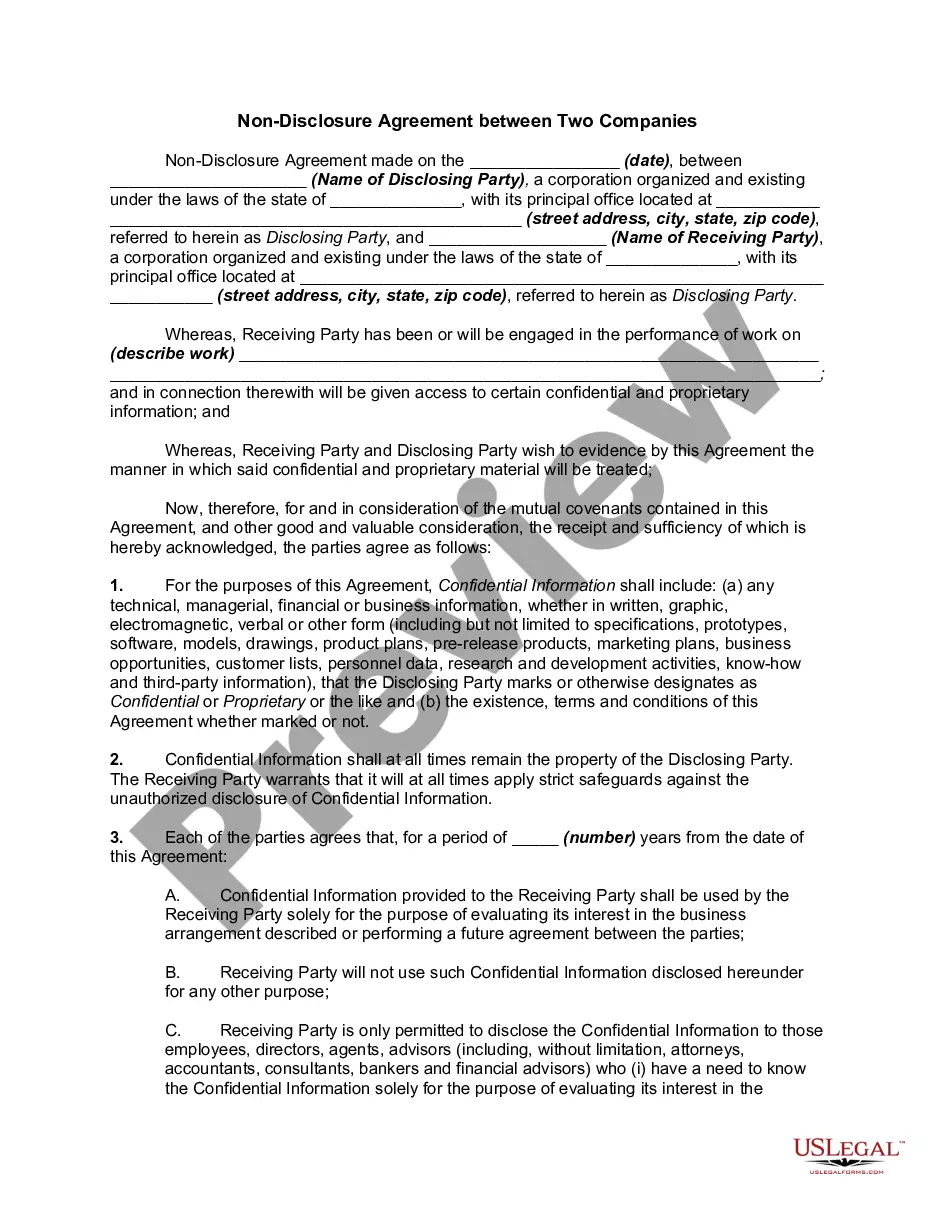


How to fill out USLegal Practical Guide To Confidential Information, Trade Secrets And NonDisclosure Agreements?
Locating a preferred source for acquiring the latest and suitable legal samples is part of the challenge of navigating bureaucracy.
Identifying the appropriate legal documents requires accuracy and meticulousness, which is why it is essential to obtain samples of Confidentiality Agreement For Board Members solely from trustworthy sources, such as US Legal Forms.
After obtaining the form on your device, you can edit it using the editor or print it out and fill it in manually. Eliminate the hassles associated with your legal documentation. Browse the extensive US Legal Forms catalog where you can discover legal samples, verify their applicability to your circumstances, and download them instantly.
- Utilize the catalog navigation or search bar to locate your template.
- Review the form’s details to confirm it meets the criteria of your state and county.
- Access the form preview, if available, to ensure the template matches your requirements.
- Continue searching to find the suitable template if the Confidentiality Agreement For Board Members does not meet your expectations.
- Once you are certain of the form’s applicability, download it.
- If you are a registered user, click Log in to verify and access your selected templates in My documents.
- If you do not have an account yet, click Buy now to acquire the template.
- Choose the pricing option that best fits your needs.
- Proceed with the registration to finalize your purchase.
- Complete your acquisition by selecting a payment method (credit card or PayPal).
- Select the file format for downloading the Confidentiality Agreement For Board Members.
Form popularity
FAQ
It is the policy of [Name of Nonprofit] that board and committee members (trustees and committee members) of [Name of Nonprofit] will not disclose confidential information belonging to, or obtained through their affiliation with, [Name of Nonprofit] to any person, including their relatives, friends, and business and ...
The policy should include not only a restriction on disclosure to third parties of confidential information, but also a limitation on the use of this information to ensure that each director uses the confidential information solely for advancing the best interests of the company.
Confidentiality Policy Any board member, staff member, or consultant who purposely, or through a failure to exercise reasonable care, causes confidential information to be disclosed will be subject to disciplinary action, up to and including termination.
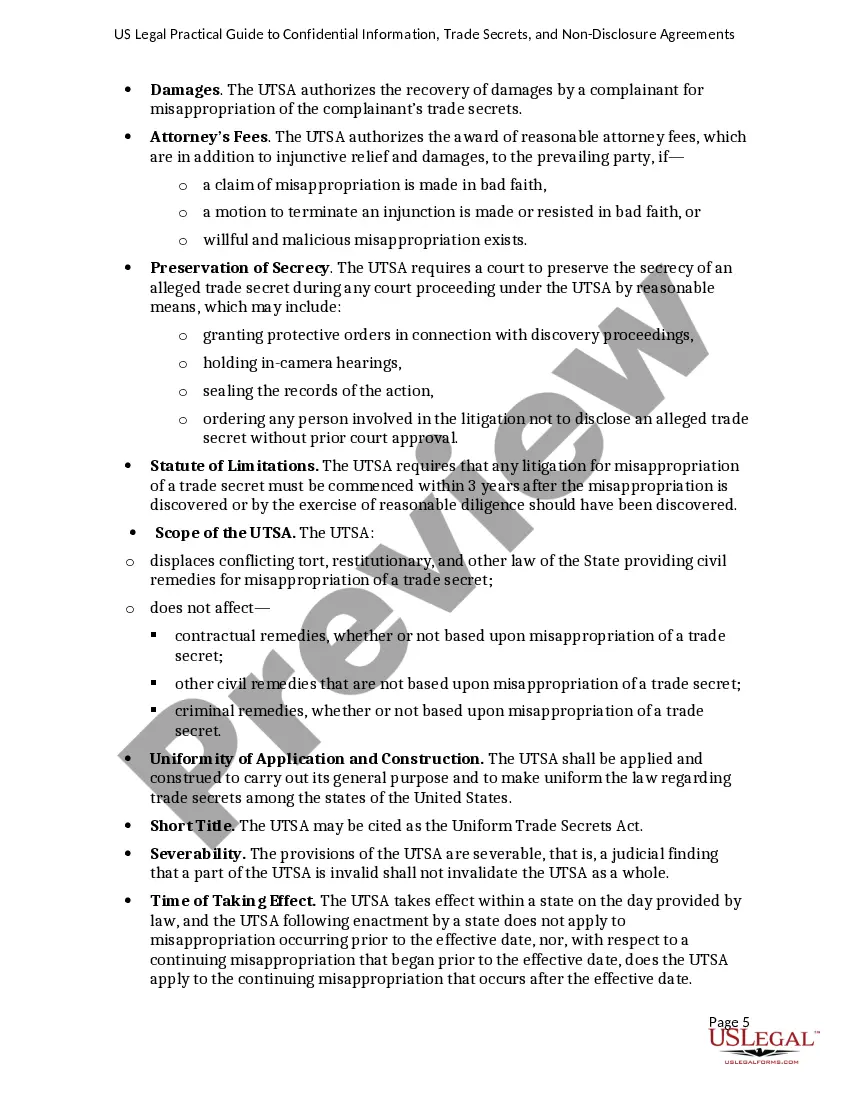
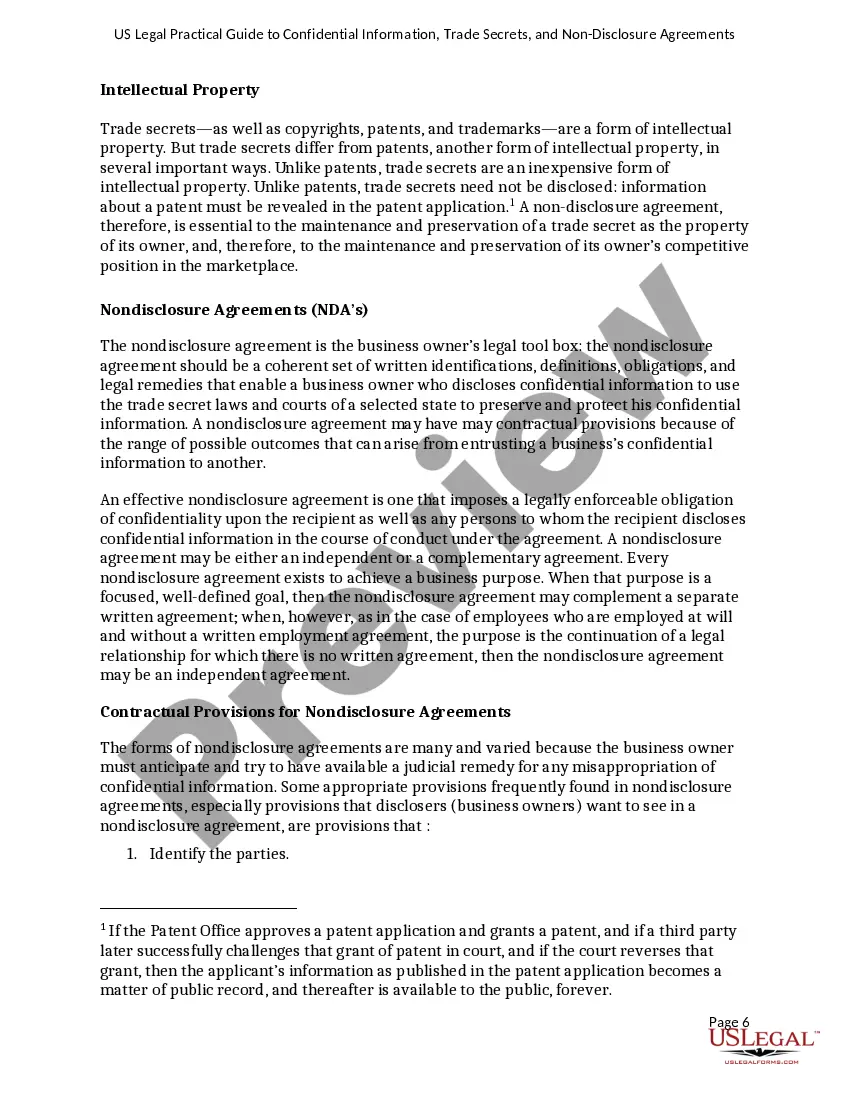
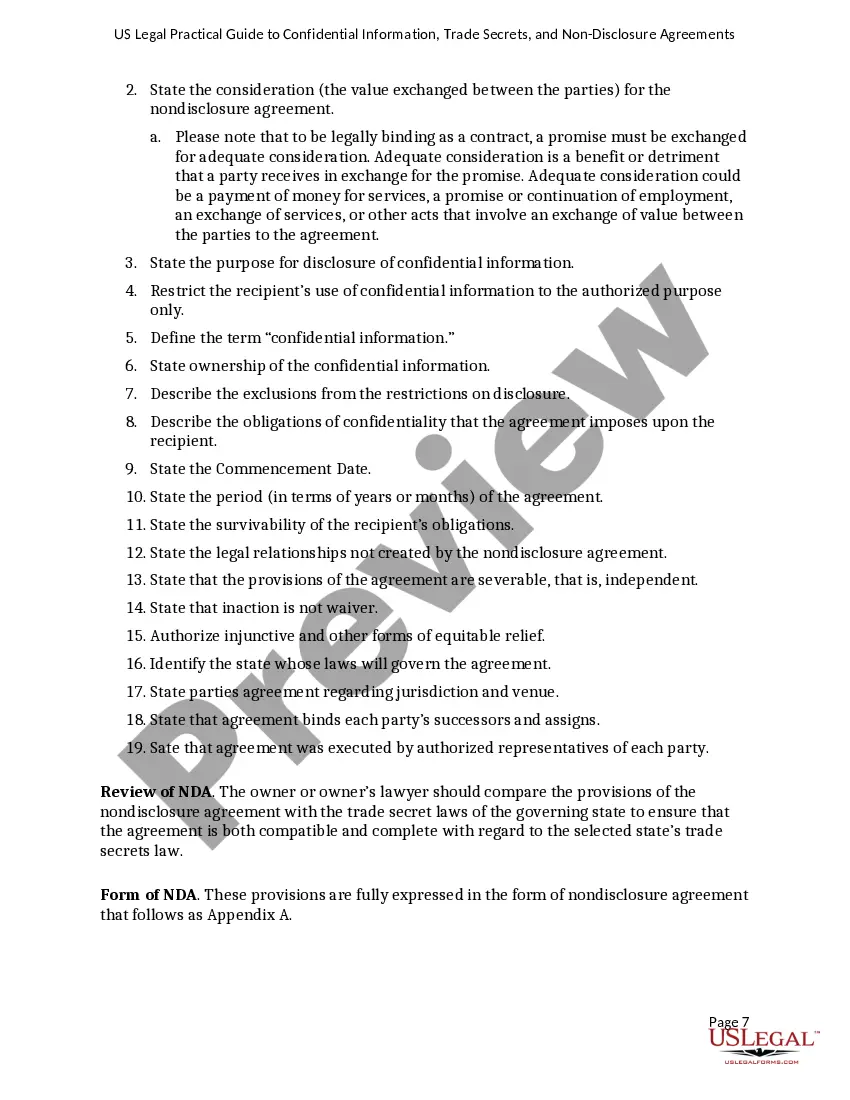
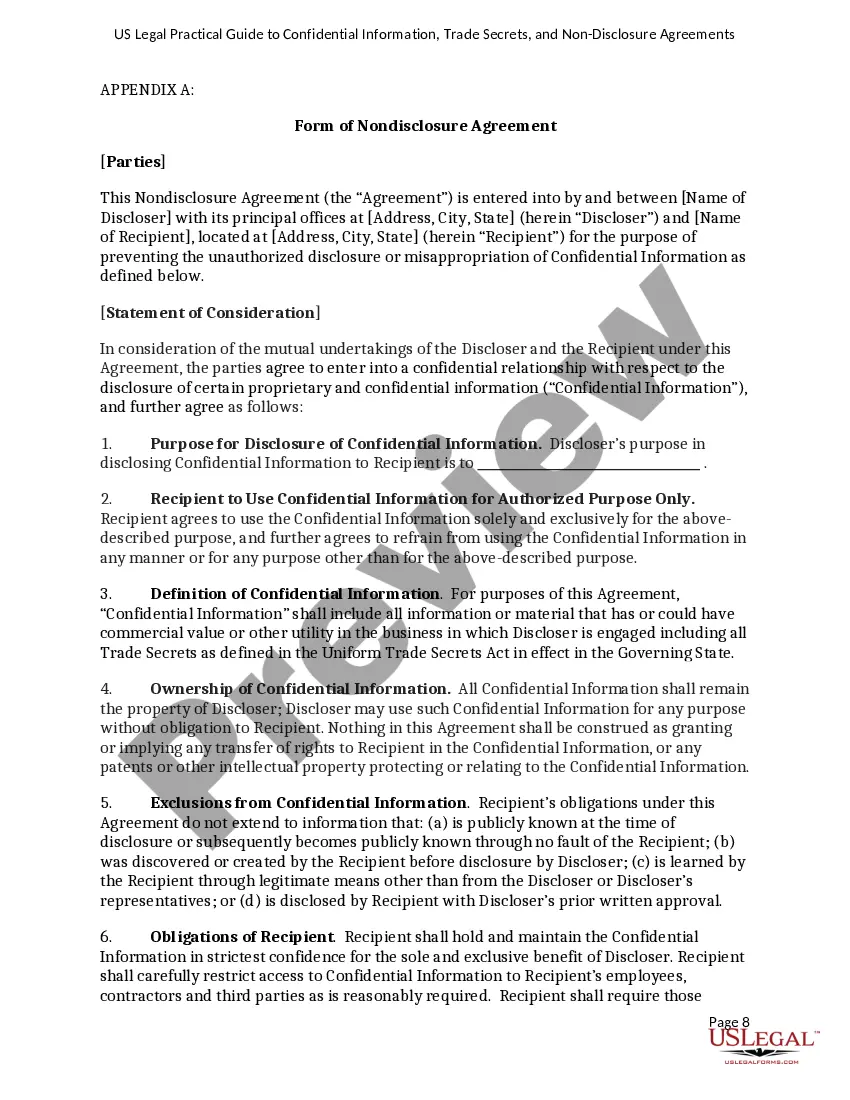
A confidentiality agreement should include a clear definition of the confidential information, scope of the agreement, obligations of the receiving party, the duration of the contract, any exceptions to confidentiality, and the consequences of a breach of the contract.
Issue a Letter Addressing the Breach The letter should remind the member of their fiduciary duty and explain in clear terms that they are not allowed to reveal confidential matters. This is otherwise known as a censure. If that does not get their attention, you can follow up with a cease-and-desist letter.