Setting Aside A Default Judgment In Texas
Description

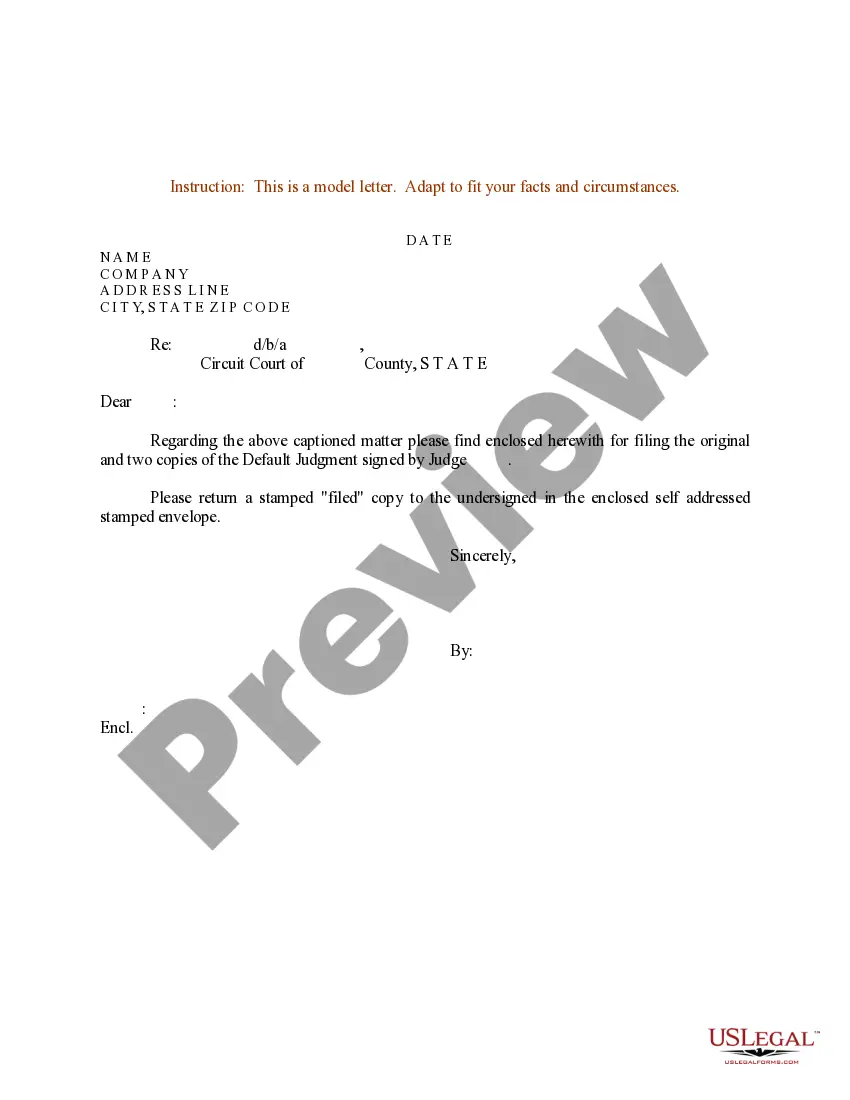
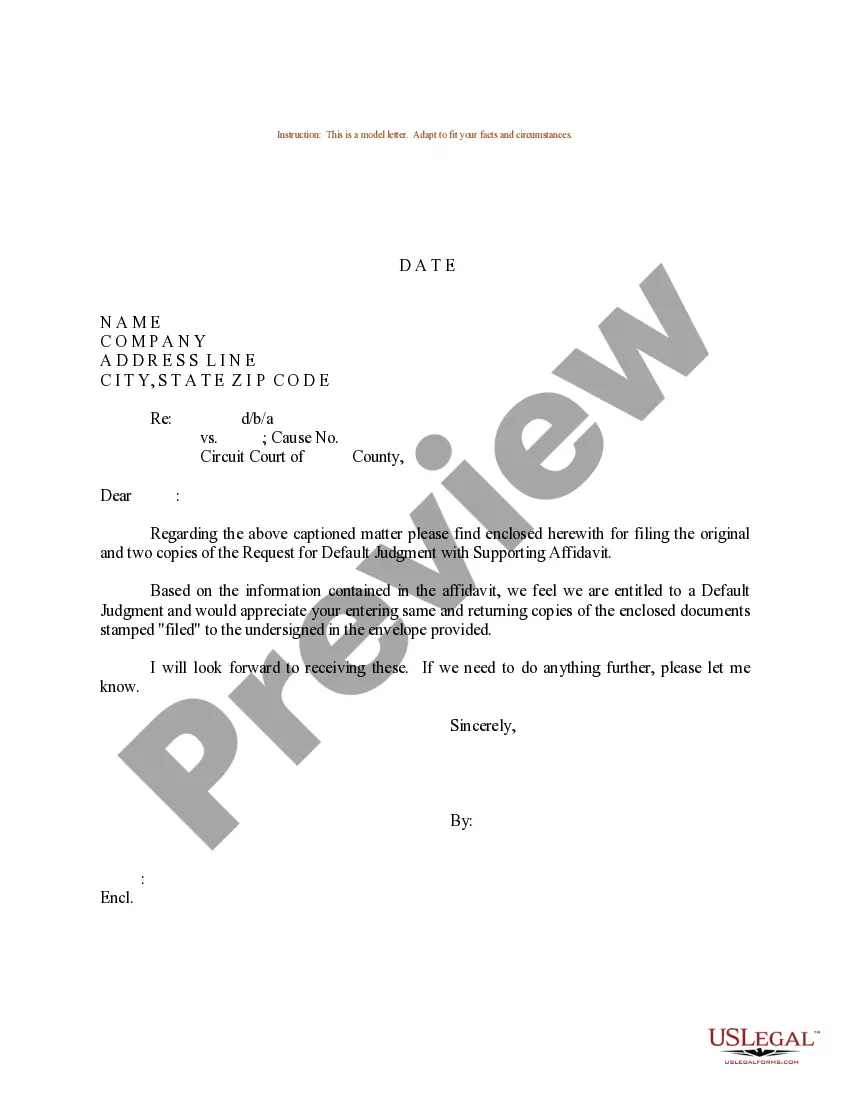
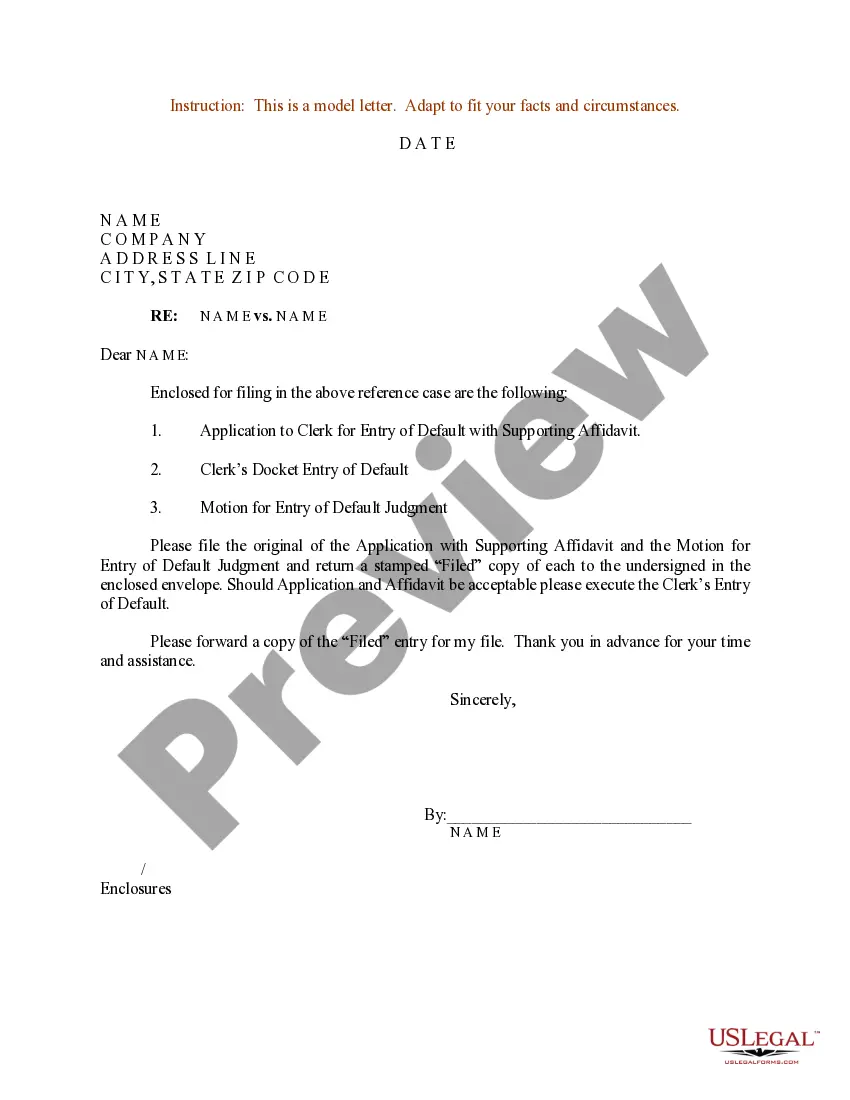
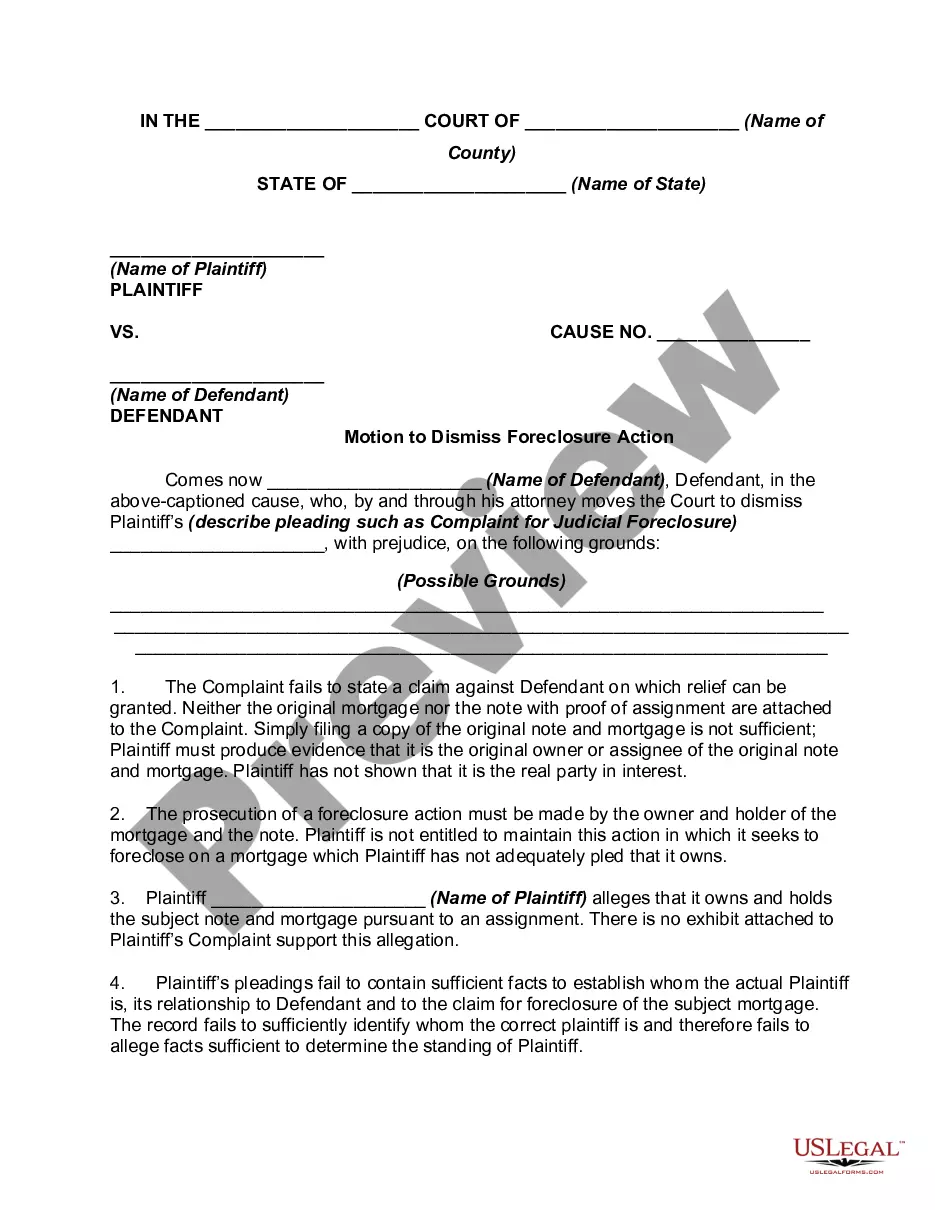
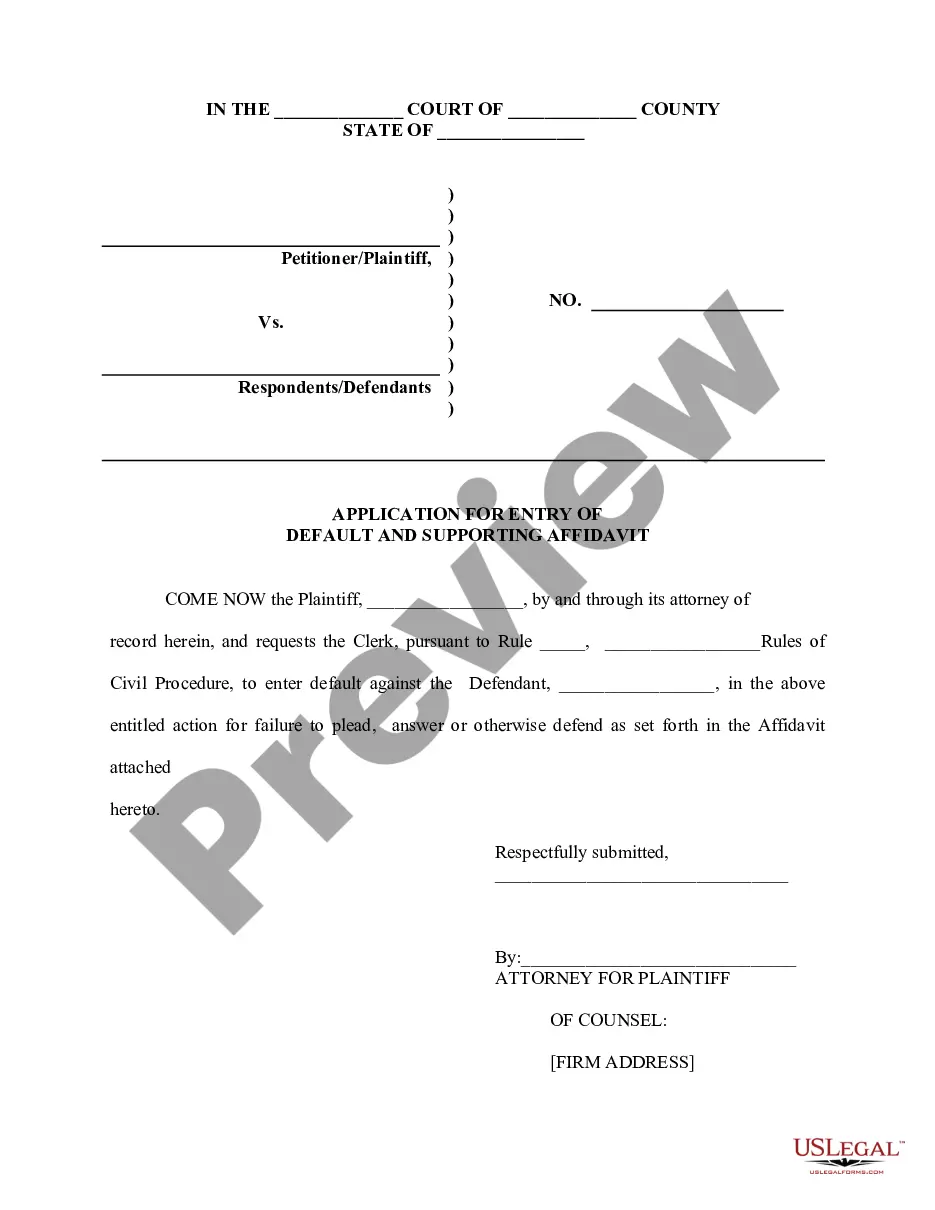
How to fill out Sample Letter To Judge Submitting Default Judgment?
Legal administration can be perplexing, even for seasoned experts.
When you are searching for a Setting Aside A Default Judgment In Texas and lack the time to dedicate to finding the appropriate and current version, the process can be overwhelming.
Tap into a collection of articles, guides, and materials pertinent to your situation and requirements.
Conserve time and effort in locating the documentation you need, and employ US Legal Forms’ sophisticated search and Review tool to find Setting Aside A Default Judgment In Texas and obtain it.
Take advantage of the US Legal Forms online catalog, backed by 25 years of experience and reliability. Improve your everyday document management in a straightforward and user-friendly manner today.
- If you have a membership, Log In to your US Legal Forms account, locate the form, and retrieve it.
- Check your My documents tab to access documents you have previously saved and manage your folders as needed.
- If it is your first time with US Legal Forms, create a free account and gain unlimited access to all features of the platform.
- Here are the steps to follow after accessing the necessary form.
- Ensure it is the correct form by previewing it and reviewing its description.
- Access state- or county-specific legal and business documents.
- US Legal Forms addresses all requirements you might have, from personal to corporate paperwork, in one location.
- Utilize advanced tools to complete and manage your Setting Aside A Default Judgment In Texas.
Form popularity
FAQ
In Texas, a default judgment remains valid for ten years from the date it is rendered. However, it can be renewed before the expiration if the creditor takes action. Not addressing a default judgment can lead to serious financial repercussions. If you find yourself burdened by a default judgment, you might want to consider the process of setting aside a default judgment in Texas.
The default judgment rule in Texas allows a plaintiff to obtain a judgment when the defendant fails to respond to a lawsuit within the required time frame. This means that without a timely answer or appearance, the court can grant the plaintiff’s request for relief. Understanding this rule is vital for both plaintiffs and defendants. If you’ve been affected by a default judgment, you might explore options for setting aside a default judgment in Texas.
Collecting on a default judgment in Texas starts with obtaining the judgment from the court. Once you have the judgment, you can pursue various methods to collect, such as wage garnishment or bank levies. It’s crucial to follow legal procedures to avoid complications. If you find challenges in collecting, consider the option of setting aside a default judgment in Texas to reassess the situation.
In Texas, a default judgment occurs when a court rules in favor of one party because the other party did not respond to the lawsuit. If the defendant fails to file an answer within the specified time, the plaintiff can request a default judgment. This process underscores the importance of acting quickly, as it can lead to adverse legal consequences. Setting aside a default judgment in Texas can be challenging but is possible under certain conditions.
In Texas, you generally have a limited timeframe to set aside a default judgment, often 30 days from the date you were served with the notice of judgment. However, if you have a good reason, you may be able to argue for an extension. It’s important to act quickly to preserve your rights and avoid complications. For expert assistance, consider leveraging USLegalForms, which can provide the necessary templates and guidance to ensure timely submission.
Setting aside a default judgment typically involves filing a motion to the court where the judgment was issued. You must demonstrate a legitimate reason for your absence, such as lack of notice or an emergency. It is crucial to provide evidence to support your claims and ensure you follow all local rules and guidelines. Using resources from USLegalForms can simplify the paperwork and offer guidance on your next steps.
To remove a default judgment, you can file a motion to set it aside, explaining why you did not appear in court. Ensure you include any supporting documents that bolster your case. If the court accepts your motion, the judgment may be vacated. USLegalForms can streamline the preparation of necessary documents and guide you through the process effectively.
To set aside a default judgment in Texas, you typically need to file a motion with the court that issued the ruling. In your motion, you should provide a valid reason for missing the original court date, along with any relevant evidence. It is also essential to act promptly and within the time limits set by Texas law. For assistance, consider using USLegalForms, which offers templates and resources to help you through this process.
Getting a judgment removed in Texas can involve filing a motion to set aside the judgment. You must provide compelling reasons for the court to grant your request. Common reasons include lack of proper notification or an inability to attend the hearing. Platforms like US Legal Forms can provide the necessary documents and guidance to help you navigate the process of setting aside a default judgment in Texas.