Trial Court Pre Without A Jury
Description
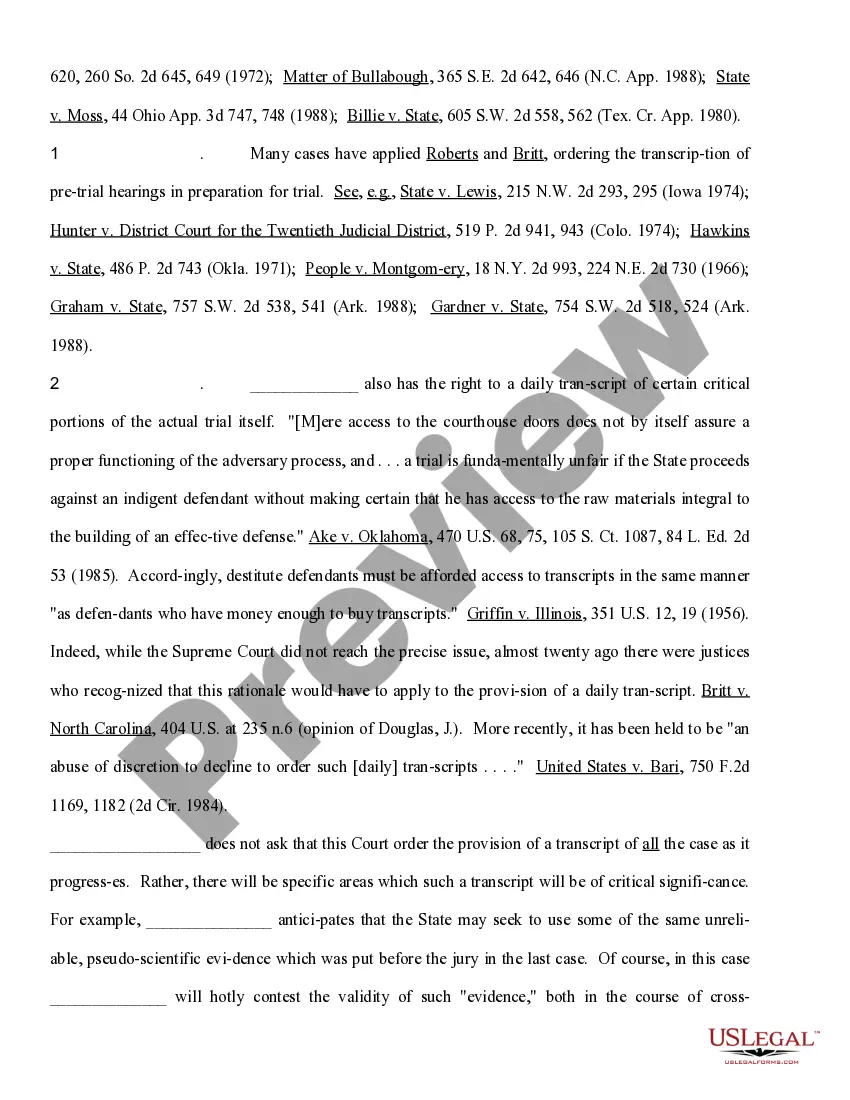
Get your form ready online
Our built-in tools help you complete, sign, share, and store your documents in one place.
Make edits, fill in missing information, and update formatting in US Legal Forms—just like you would in MS Word.
Download a copy, print it, send it by email, or mail it via USPS—whatever works best for your next step.
Sign and collect signatures with our SignNow integration. Send to multiple recipients, set reminders, and more. Go Premium to unlock E-Sign.
If this form requires notarization, complete it online through a secure video call—no need to meet a notary in person or wait for an appointment.
We protect your documents and personal data by following strict security and privacy standards.

Make edits, fill in missing information, and update formatting in US Legal Forms—just like you would in MS Word.

Download a copy, print it, send it by email, or mail it via USPS—whatever works best for your next step.

Sign and collect signatures with our SignNow integration. Send to multiple recipients, set reminders, and more. Go Premium to unlock E-Sign.

If this form requires notarization, complete it online through a secure video call—no need to meet a notary in person or wait for an appointment.

We protect your documents and personal data by following strict security and privacy standards.
Looking for another form?








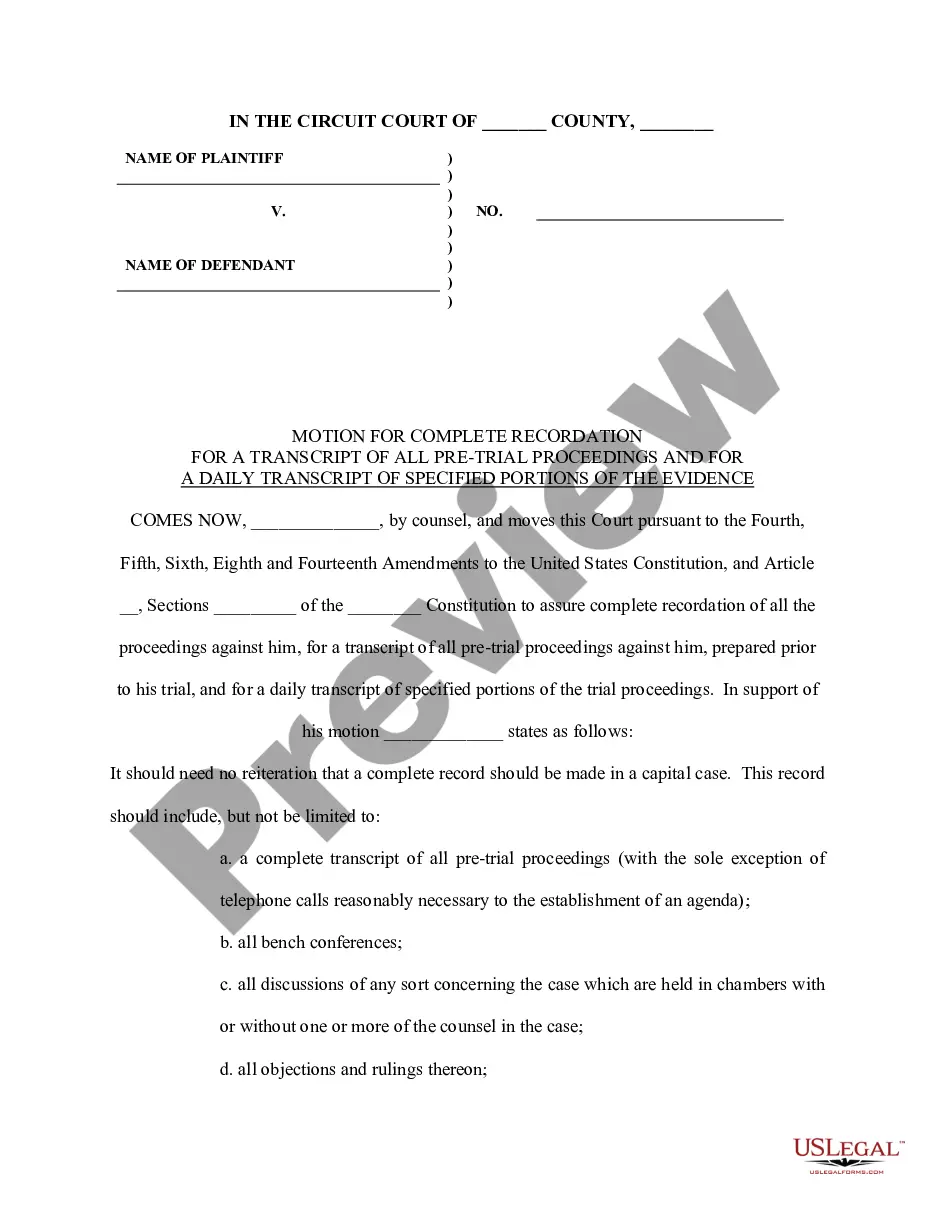
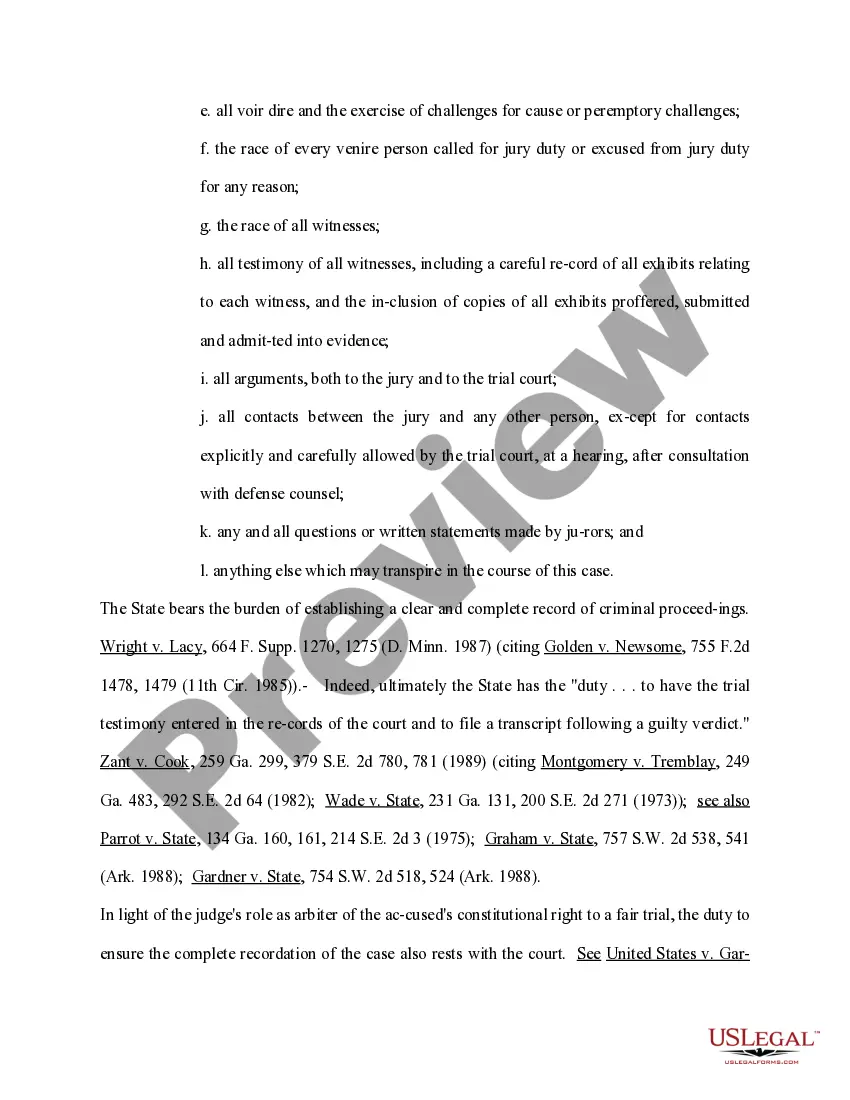
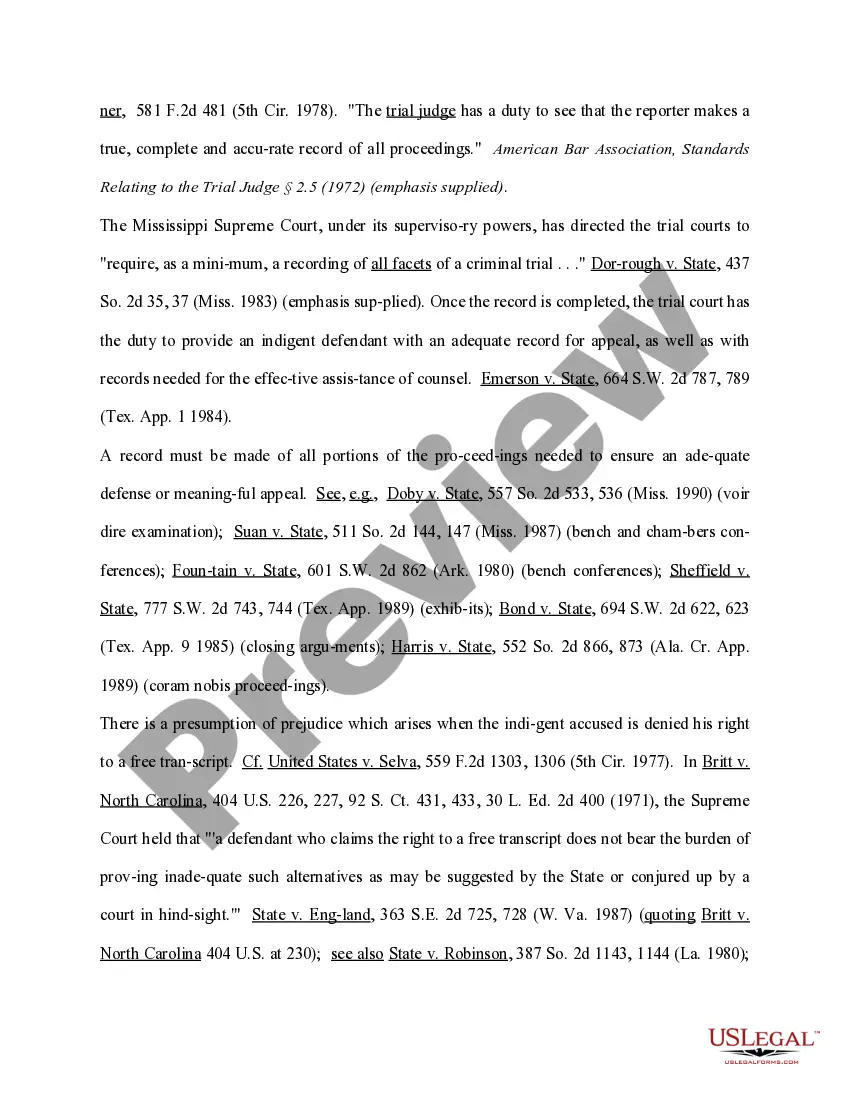
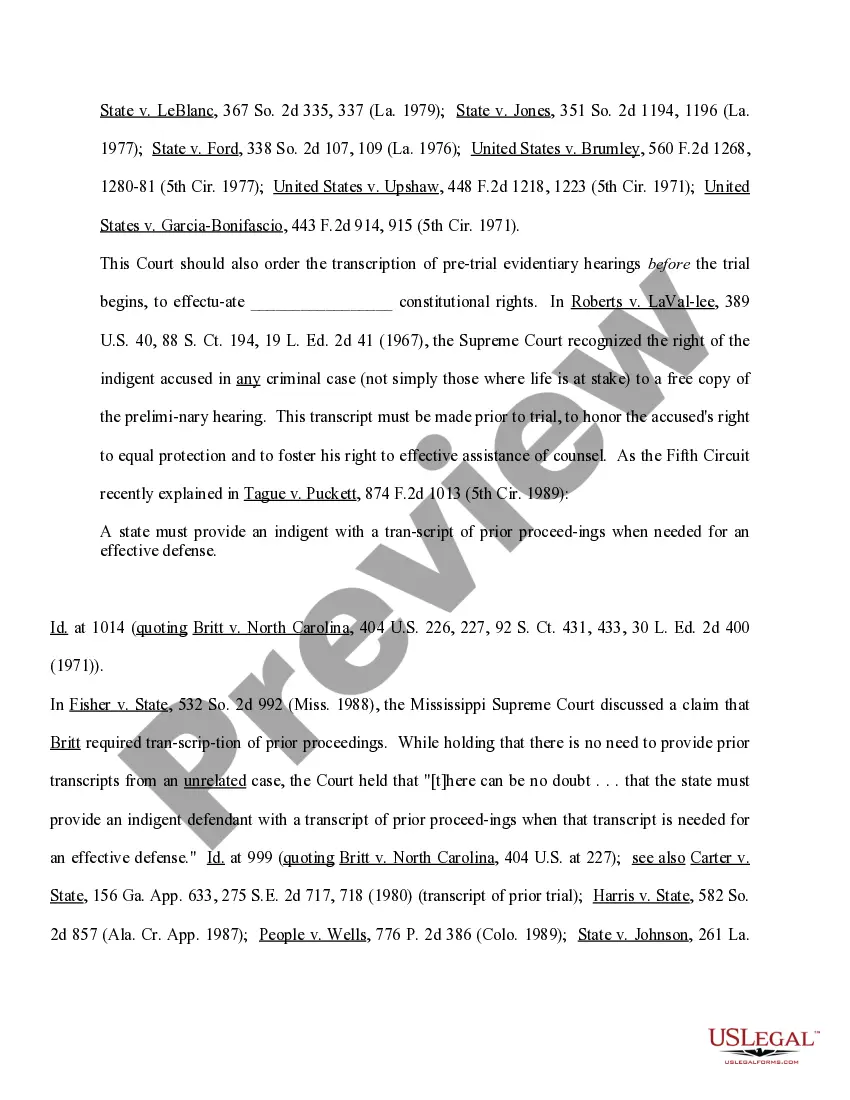
How to fill out Motion For Complete Recordation For A Transcript Of All Pretrial Proceedings And For A Daily Transcript Of Specified Portions Of The Evidence?
Whether for commercial reasons or personal matters, everyone must handle legal issues at some stage in their life.
Filling out legal documents demands meticulous care, beginning with choosing the correct form template.
With an extensive US Legal Forms catalog available, you won’t need to waste time searching for the correct template online. Utilize the library’s user-friendly navigation to discover the proper form for any situation.
- For example, if you select an incorrect version of a Trial Court Pre Without A Jury, it will be rejected when you submit it.
- Thus, it is essential to have a trustworthy source of legal documents like US Legal Forms.
- If you need to acquire a Trial Court Pre Without A Jury template, follow these straightforward steps.
- Obtain the template you need using the search bar or catalog browsing.
- Review the form’s details to ensure it fits your circumstances, state, and locality.
- Click on the form’s preview to examine it.
- If it is the wrong form, return to the search function to locate the Trial Court Pre Without A Jury template you need.
- Download the template if it aligns with your requirements.
- If you already possess a US Legal Forms account, click Log in to access previously saved documents in My documents.
- In the case that you do not have an account yet, you can acquire the form by clicking Buy now.
- Select the appropriate pricing option.
- Fill out the account registration form.
- Choose your payment method: you can utilize a credit card or PayPal account.
- Select the document format you desire and download the Trial Court Pre Without A Jury.
- Once it is saved, you can complete the form using editing software or print it and finish it manually.
Form popularity
FAQ
Rule 76 of the Rules of Civil Procedure allow the parties to proceed with a special process called Simplified Procedure. The purpose of Simplified Procedure is to reduce the cost of litigating claims of relatively modest amounts.
The pre-trial judge will identify whether there are issues that are not in dispute between the accused and the Crown, how to simplify the issues that remain in dispute, the possibility of obtaining admissions and agreements on evidence to be introduced, and the estimated duration of the proceedings.
Trial by jury Most civil cases in Canada are tried by judges without a jury. However, anyone charged with a criminal offence for which there can be a prison sentence of five years or more has the right to a trial by jury.
You are not required to have a lawyer in a family case at the Ontario Court of Justice. However, you may find it helpful to get legal advice. If you want legal advice or to hire a lawyer and don't know how to find one, below is information that might assist.
Representing yourself You may represent yourself in court if you do not have a lawyer. It is important to understand that judges, court staff and Assistant Crown Attorneys cannot give you legal advice. If you represent yourself, you are responsible for informing yourself about the law and the court's procedures.