Breach Warranty Of Habitability
Description
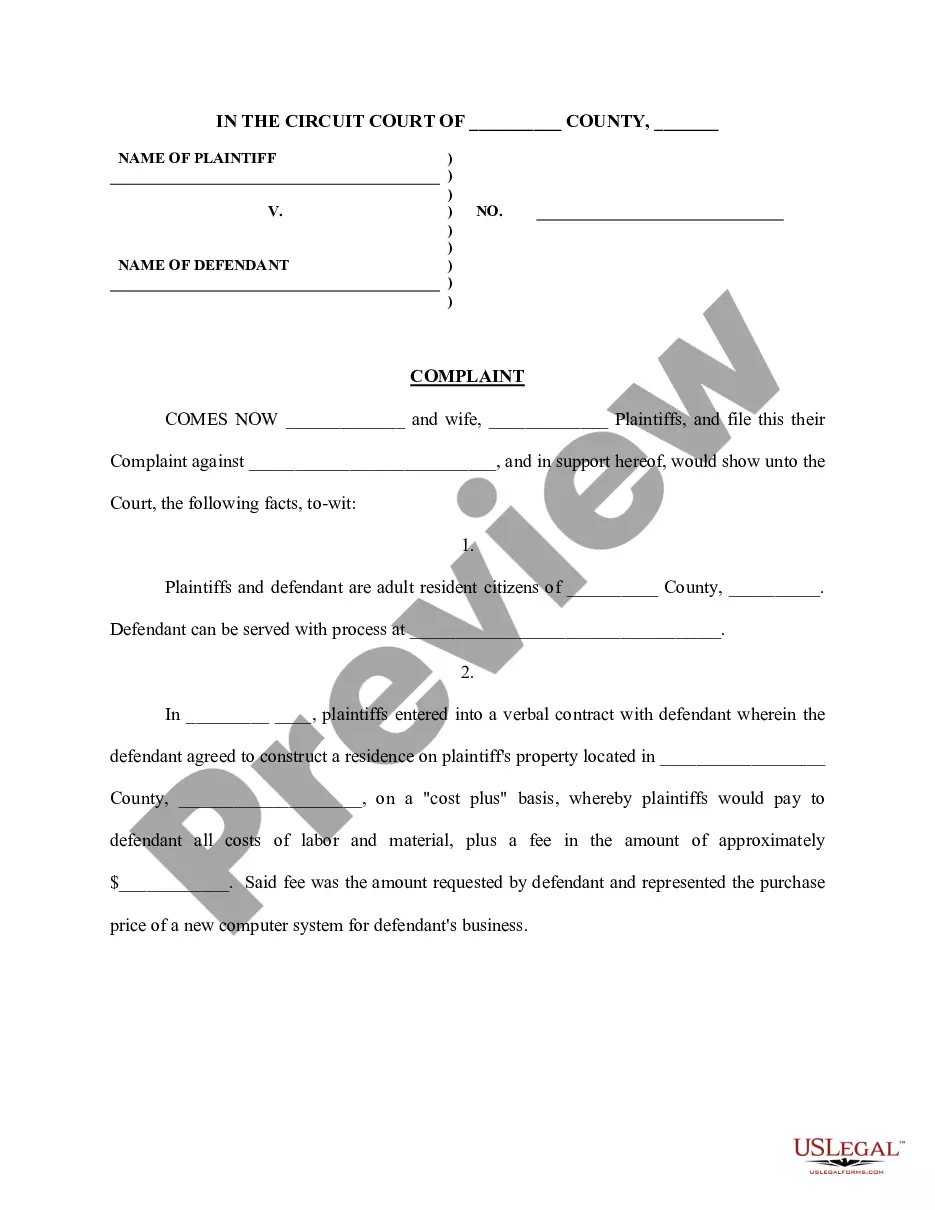
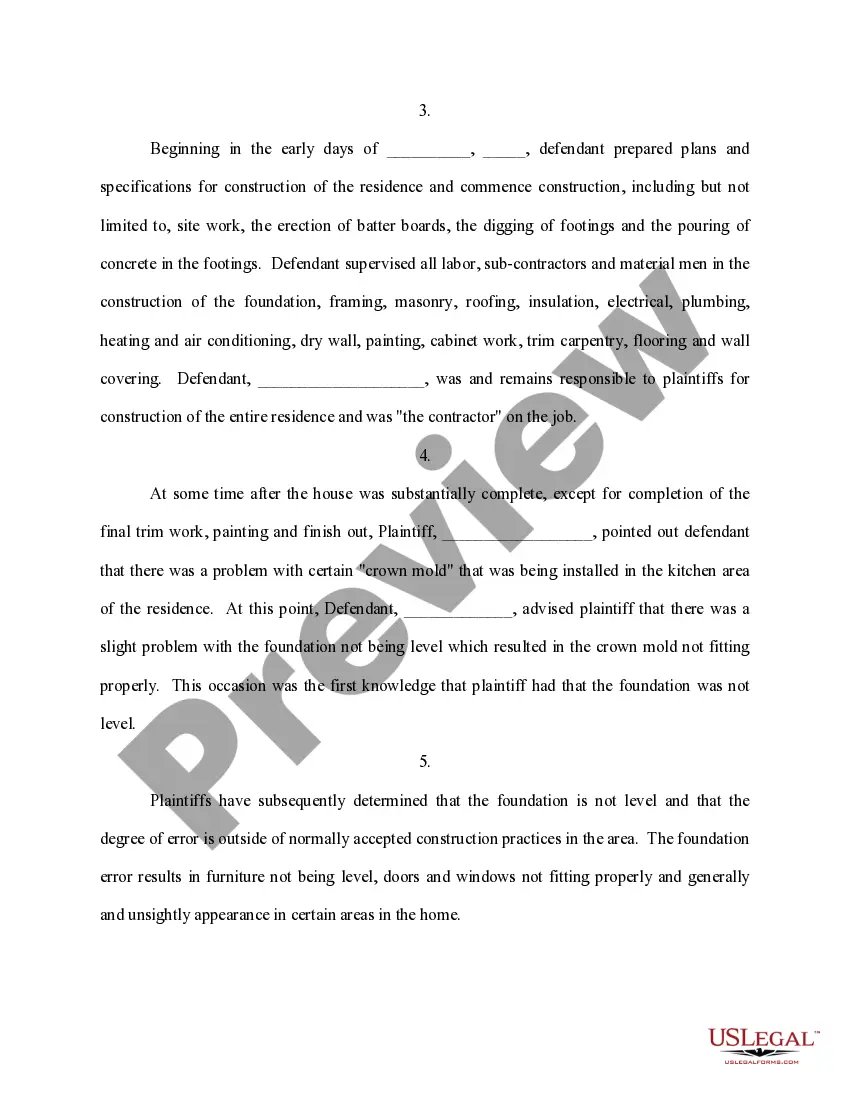
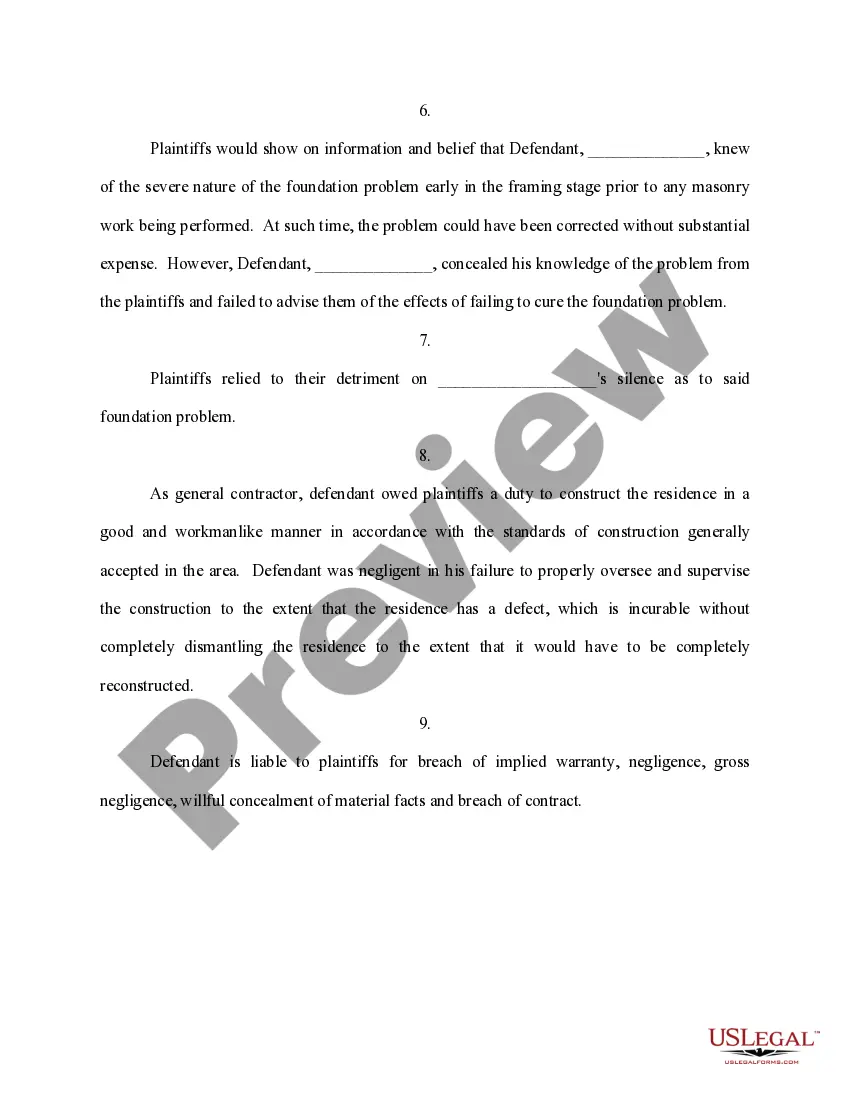
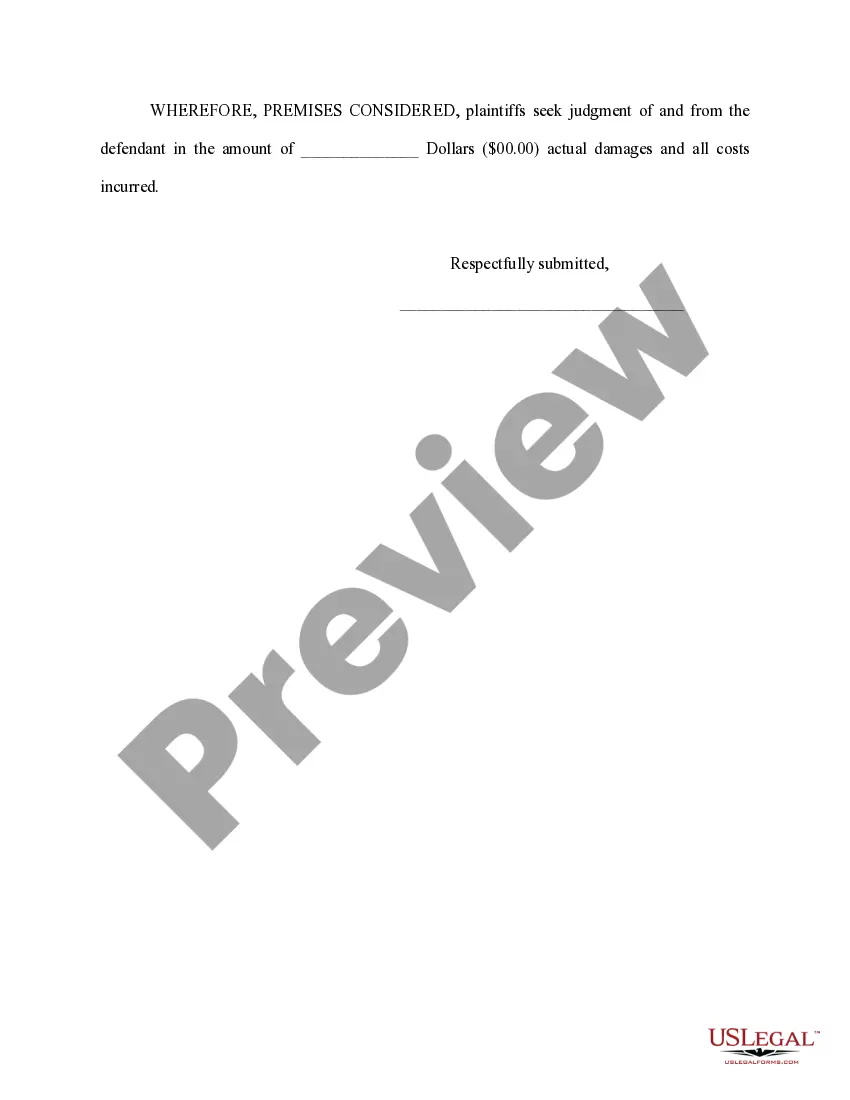
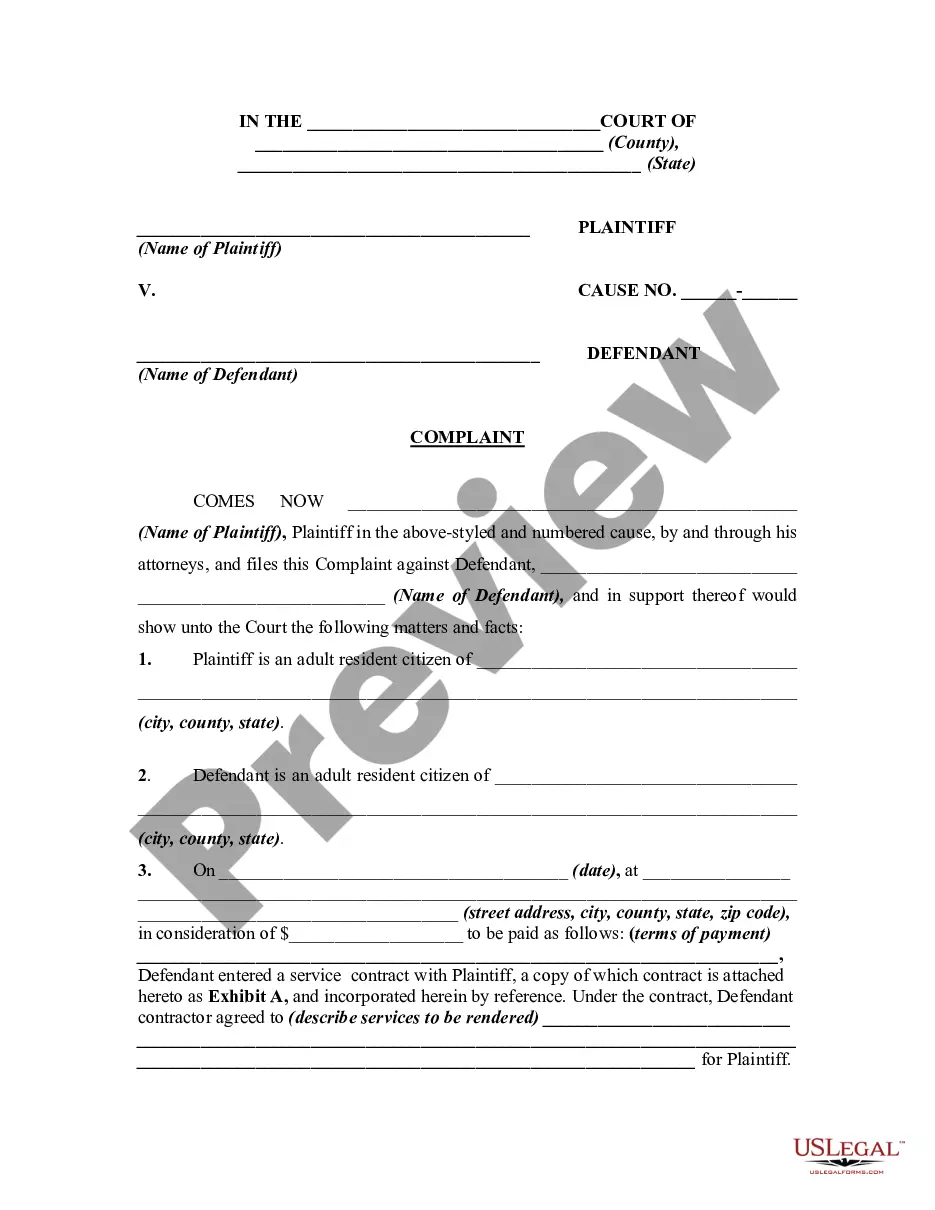
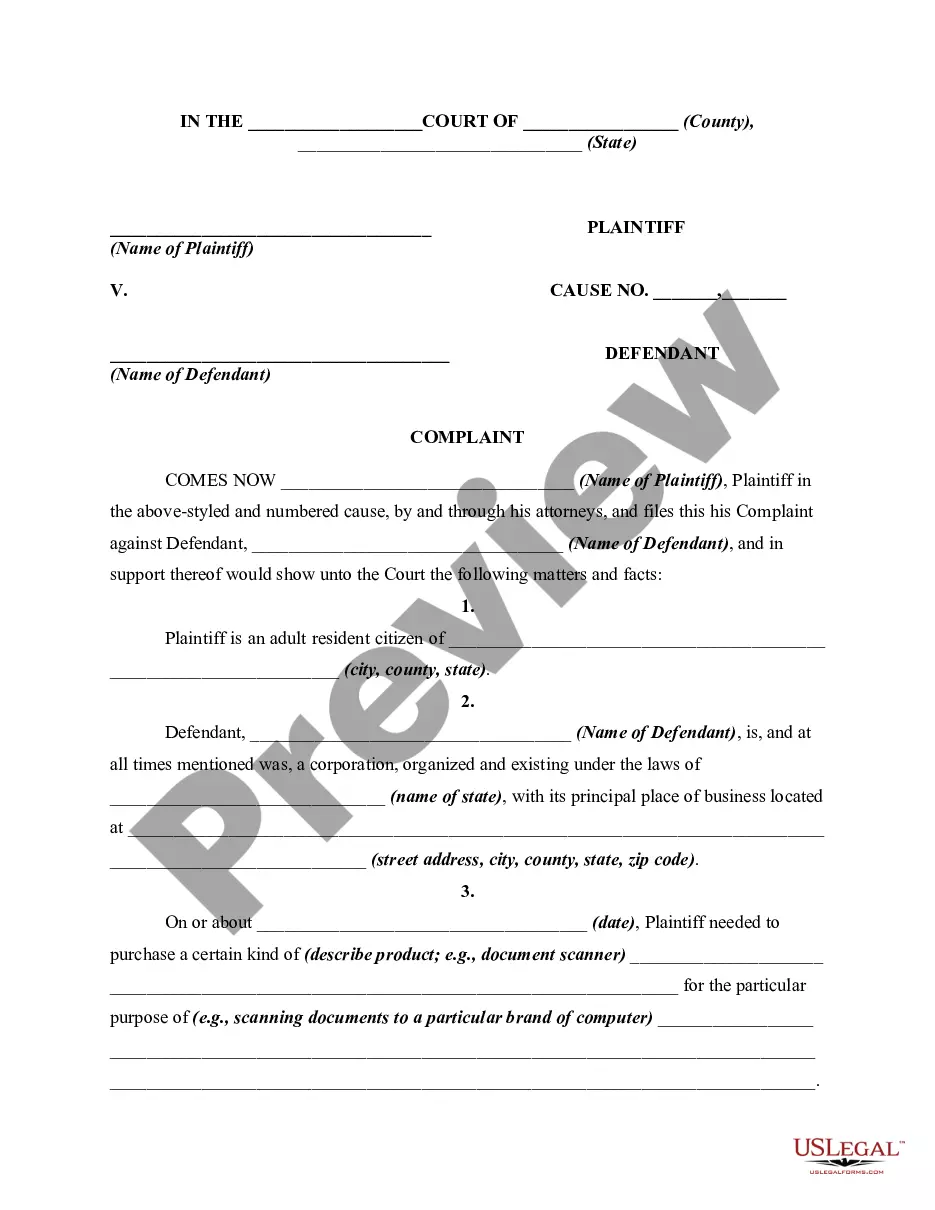
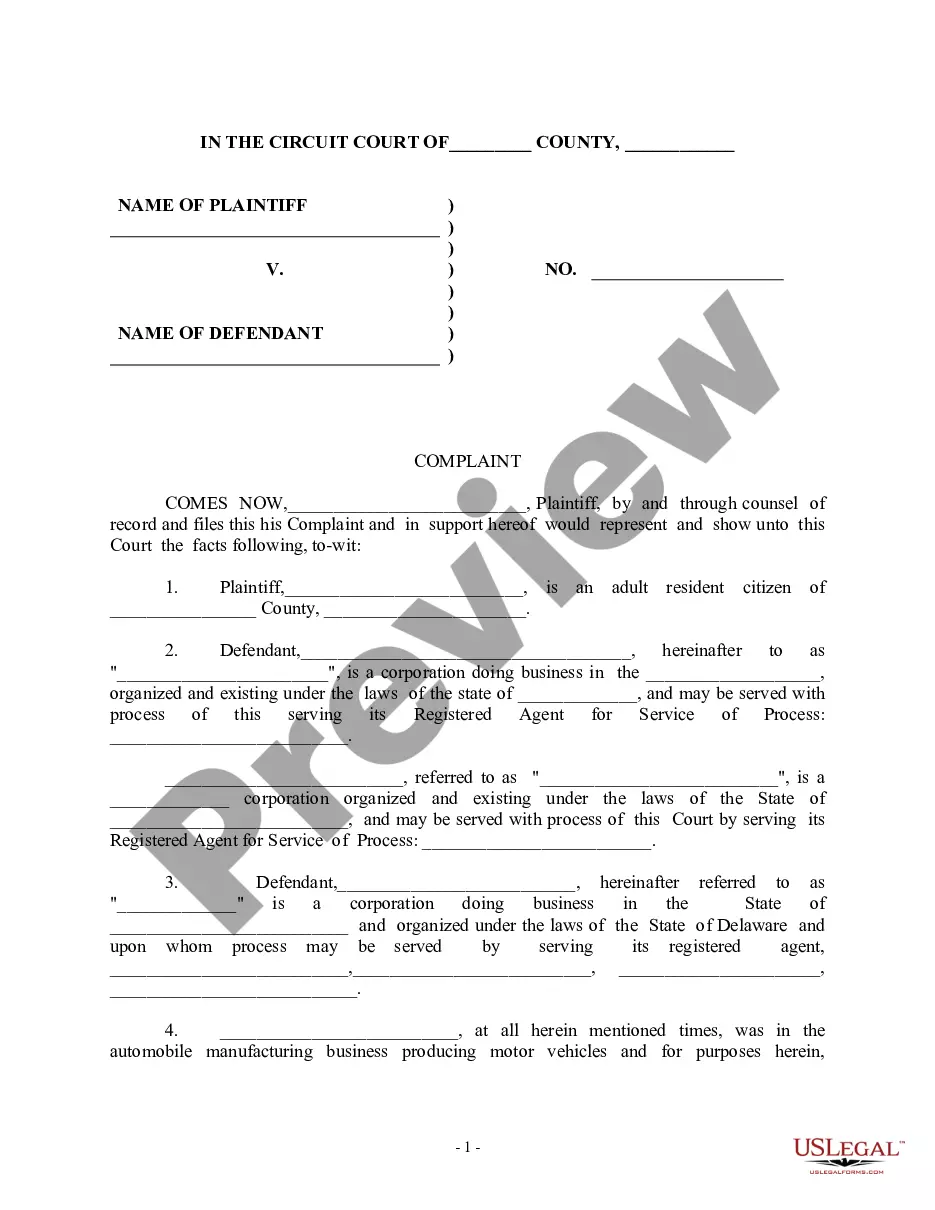
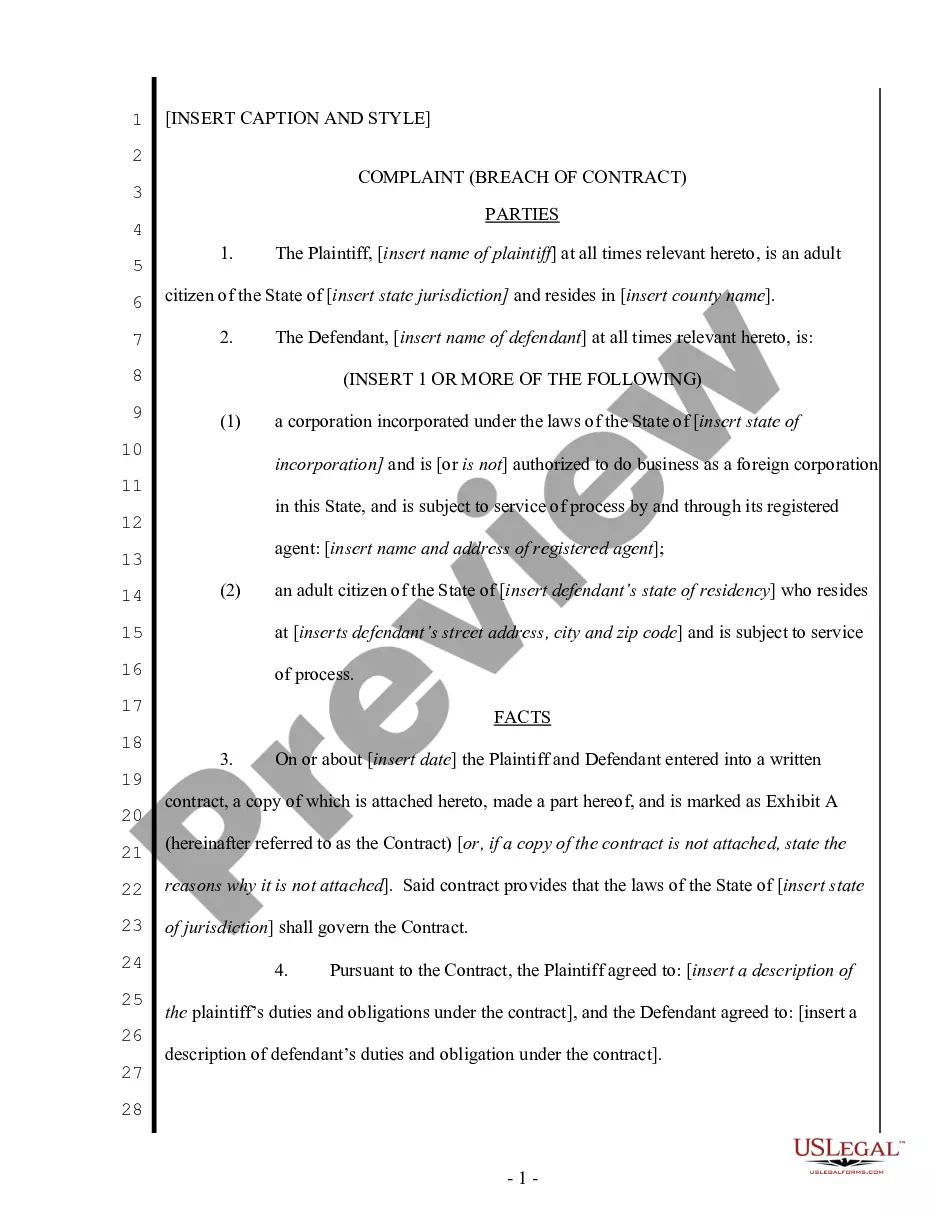
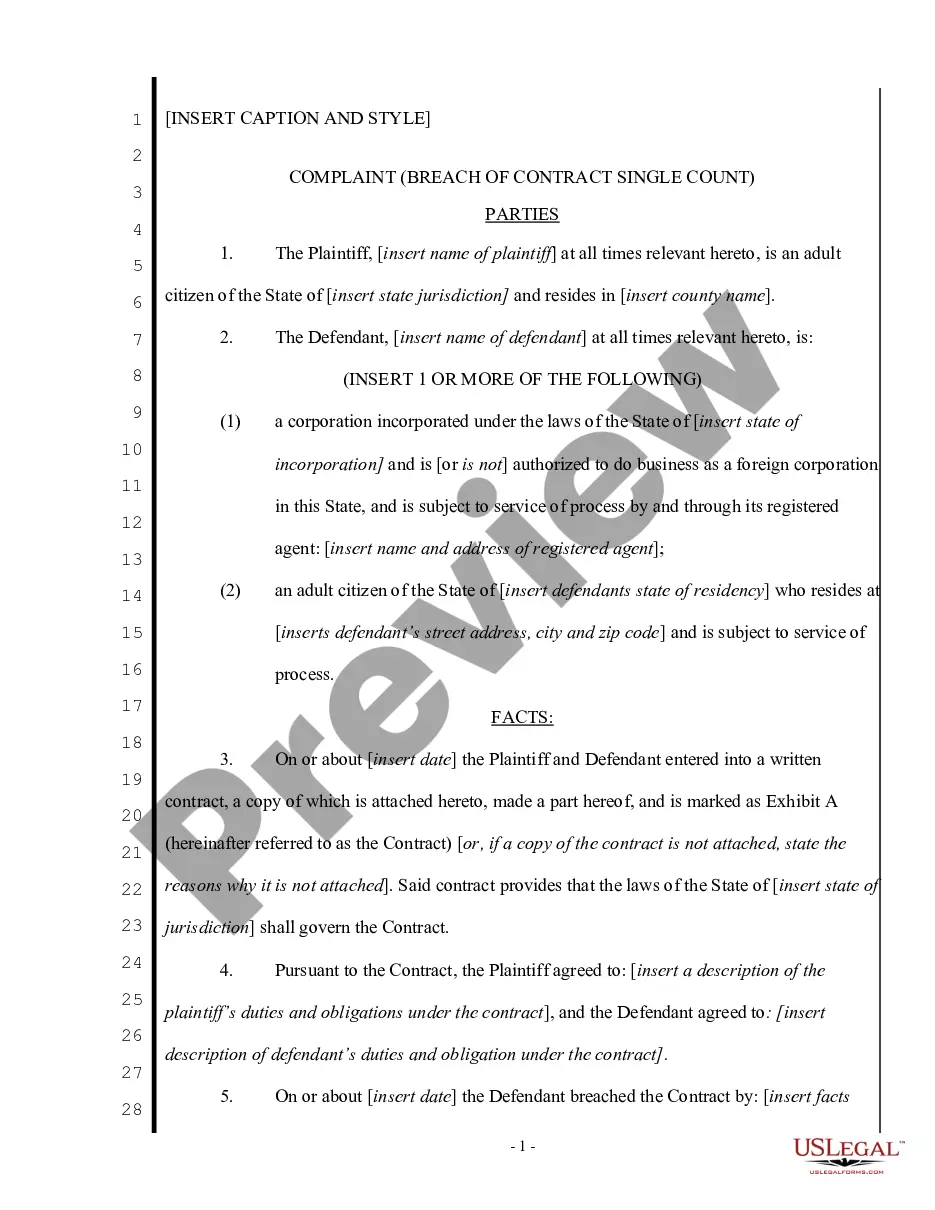
Get your form ready online
Our built-in tools help you complete, sign, share, and store your documents in one place.
Make edits, fill in missing information, and update formatting in US Legal Forms—just like you would in MS Word.
Download a copy, print it, send it by email, or mail it via USPS—whatever works best for your next step.
Sign and collect signatures with our SignNow integration. Send to multiple recipients, set reminders, and more. Go Premium to unlock E-Sign.
If this form requires notarization, complete it online through a secure video call—no need to meet a notary in person or wait for an appointment.
We protect your documents and personal data by following strict security and privacy standards.

Make edits, fill in missing information, and update formatting in US Legal Forms—just like you would in MS Word.

Download a copy, print it, send it by email, or mail it via USPS—whatever works best for your next step.

Sign and collect signatures with our SignNow integration. Send to multiple recipients, set reminders, and more. Go Premium to unlock E-Sign.

If this form requires notarization, complete it online through a secure video call—no need to meet a notary in person or wait for an appointment.

We protect your documents and personal data by following strict security and privacy standards.
Looking for another form?
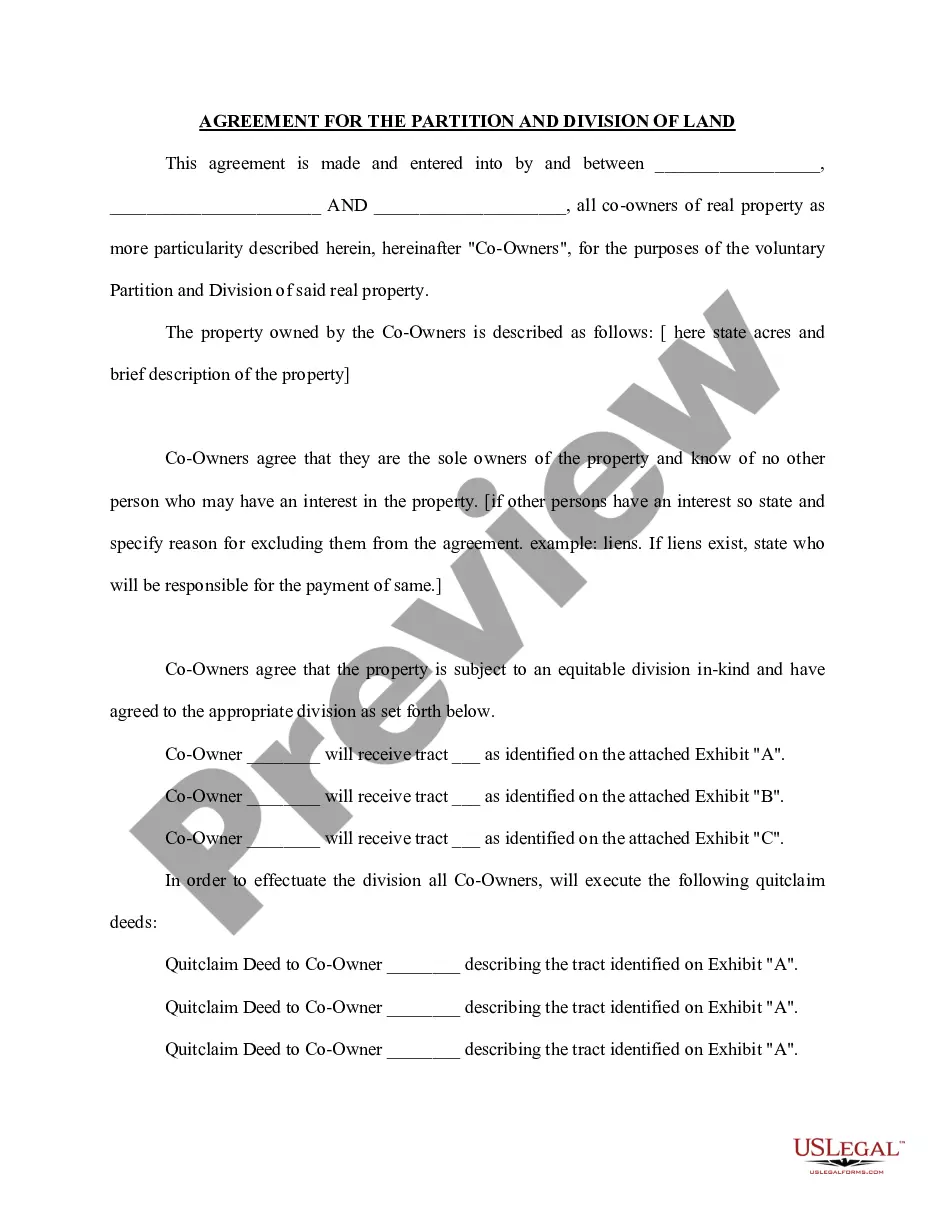
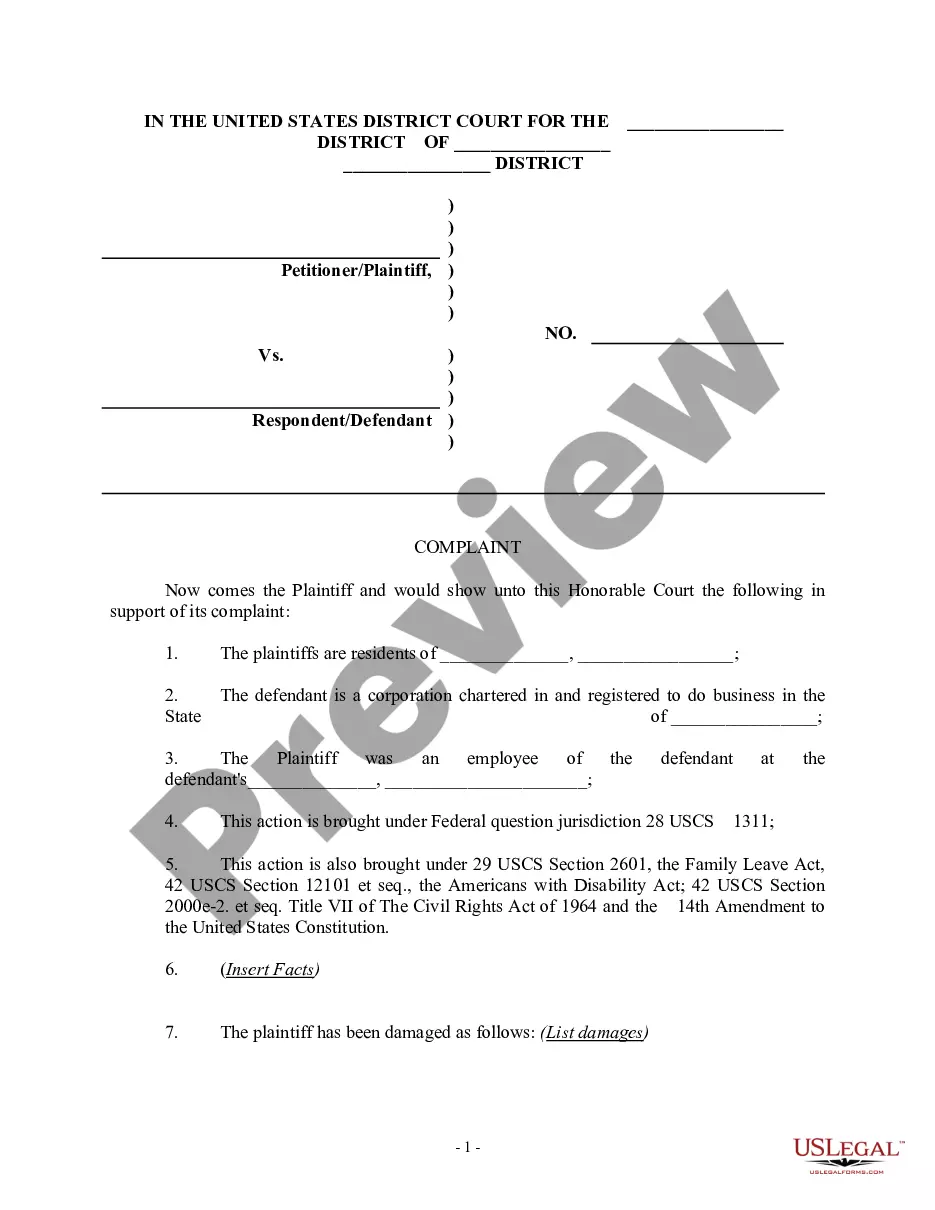
How to fill out Complaint For Breach Of Warranty?
The Breach Warranty Of Habitability displayed on this page is a versatile legal template created by experienced attorneys in compliance with federal and local laws.
For over 25 years, US Legal Forms has offered individuals, businesses, and lawyers more than 85,000 verified, state-specific forms for any professional and personal situation. It’s the fastest, simplest, and most dependable method to acquire the documents you need, as the service ensures bank-level data security and anti-malware safeguards.
Register for US Legal Forms to have verified legal templates for all of life's scenarios at your fingertips.
- Examine the document you require and assess it.
- Browse through the file you searched and preview it or review the form description to confirm it meets your requirements. If it doesn't, use the search bar to find the correct one. Click Buy Now when you’ve identified the template you need.
- Choose and Log In.
- Select the pricing plan that best fits you and create an account. Use PayPal or a credit card for a quick payment. If you already have an account, Log In and check your subscription to proceed.
- Obtain the fillable template.
- Pick the format you desire for your Breach Warranty Of Habitability (PDF, Word, RTF) and store the sample on your device.
- Fill out and sign the document.
- Print the template to complete it manually. On the other hand, utilize an online multi-functional PDF editor to quickly and accurately fill out and sign your form with a valid.
- Redownload your documents as needed.
- Use the same document again whenever required. Access the My documents tab in your profile to redownload any previously saved forms.
Form popularity
FAQ
In California, unsafe living conditions involve issues that could harm a tenant's well-being, resulting from the landlord's neglect. These might include plumbing leaks, electrical failures, or unsafe common areas. If you encounter such issues, they may indicate a breach warranty of habitability, providing grounds for legal recourse or negotiation with your landlord.
An unsafe living environment includes conditions that threaten your health or safety, such as structural problems, toxic substances, or lack of essential utilities. Examples may include mold infestations, broken stairs, or inadequate security. If you experience these conditions, you may be facing a breach warranty of habitability, which could prompt legal action or other remedies.
A breach of warranty of habitability occurs when a landlord fails to maintain a rental property in a condition fit for human habitation. This legal term encompasses a range of issues, from pest infestations to inadequate heat or water. Tenants have the right to pursue remedies when these conditions are present, as they undermine the living experience and safety.
To prove a house is uninhabitable, you need to collect evidence demonstrating significant health or safety risks. This may include photographs of hazardous conditions, inspection reports, or witness statements about the state of the property. Establishing a breach warranty of habitability often relies on showing these dangers affect your ability to live safely in the space.
Yes, you can sue your landlord for bad living conditions if they violate the breach warranty of habitability. Such violations may include issues like mold, lack of heat, or plumbing problems. It's essential to document evidence of the unsafe conditions and notify your landlord in writing. If they fail to address these issues, you may have grounds for legal action.
The implied warranty of habitability in Tennessee operates similarly to other jurisdictions, obligating landlords to provide a safe and habitable living environment. This warranty covers basic repairs, utilities, and structural integrity. If issues arise, tenants have the right to seek remedies, such as withholding rent or pursuing legal action. Exploring the warranty can empower Tennessee tenants in their rental agreements.
In Tennessee, the implied warranty of habitability requires landlords to maintain their rental properties in a condition fit for human habitation. This means ensuring that the property is safe, livable, and complies with health and safety codes. If the landlord fails to address significant issues affecting livability, they may be liable. Understanding this warranty can help Tennessee tenants protect their living conditions.
Yes, you can sue your landlord for unsanitary living conditions if they violate the implied warranty of habitability. These conditions may include serious infestations or inadequate sanitation facilities. Before taking legal action, it's wise to document all complaints and communicate with your landlord. Platforms like USLegalForms can help you understand the necessary steps to seek compensation or resolution.
The timeframe can vary by state, but generally, someone may claim residency after living in a property for a set period, often 30 days or more, depending on local laws. This claim can impact rental agreements and tenant rights. It is vital for landlords to be aware of these laws to avoid unintended circumstances. Consulting with a legal expert can minimize potential conflicts regarding residency claims.
Examples of violations include lack of heat during winter months, significant plumbing issues, and the presence of hazardous mold. Additionally, a landlord's failure to fix broken locks or provide pest control can constitute a breach of the warranty. Violations like these create an unlivable environment for tenants. If you're facing such issues, it's important to document them and understand your options.