Breach My Trust For You
Description
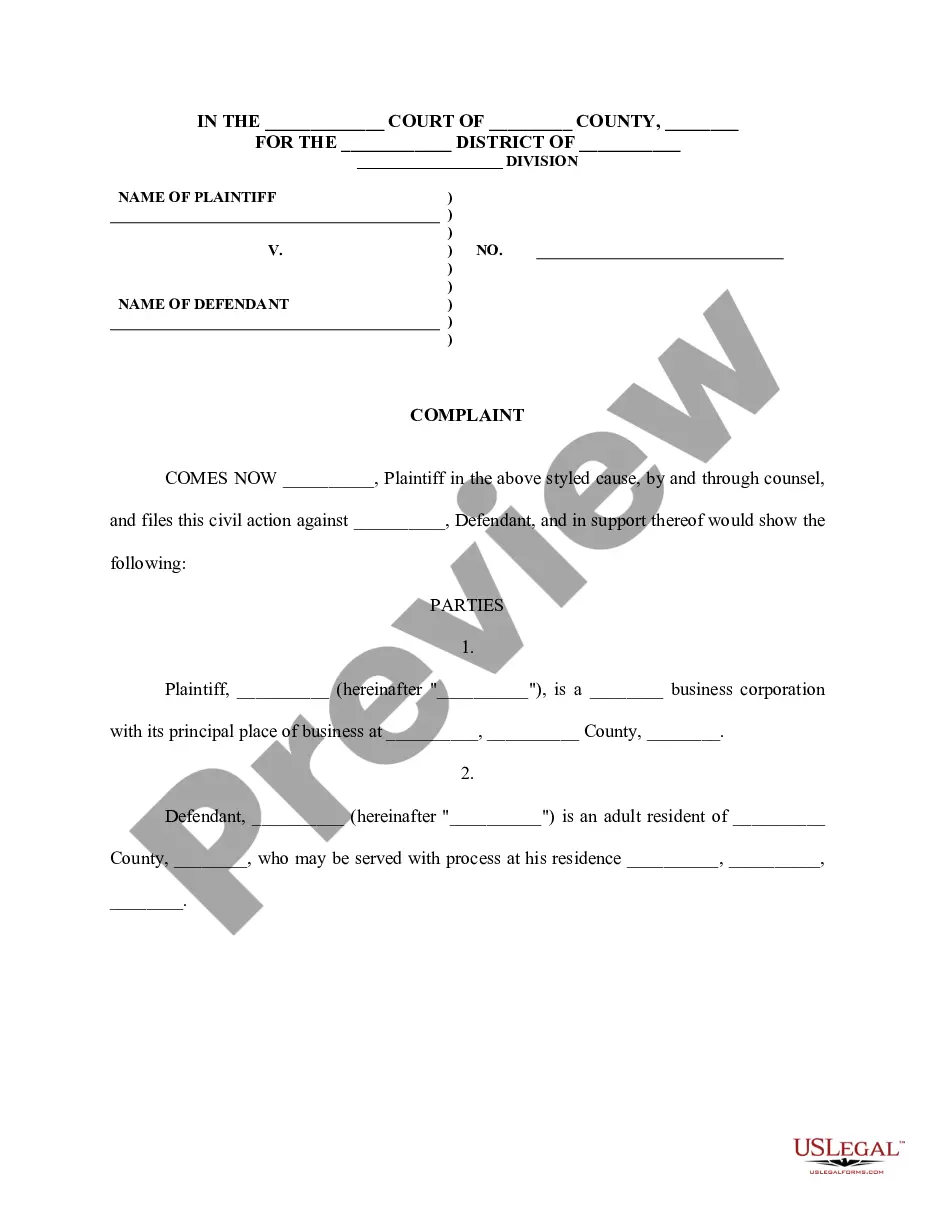
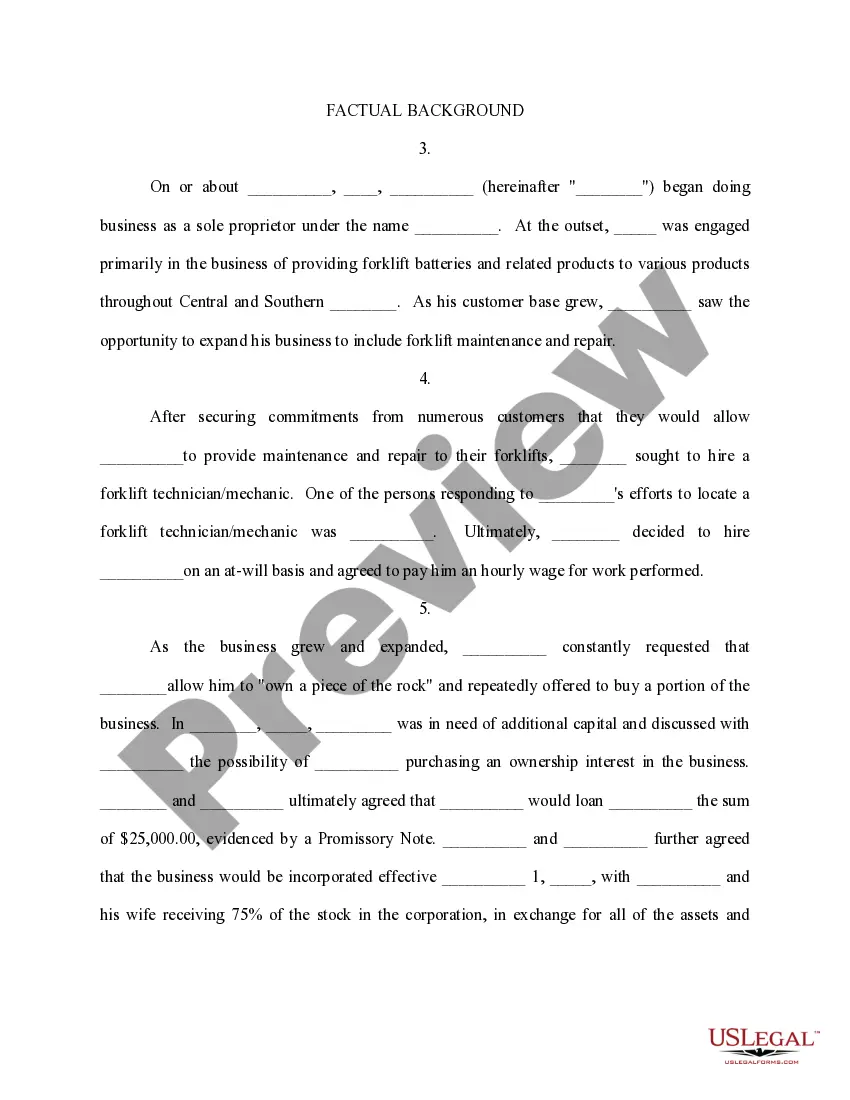
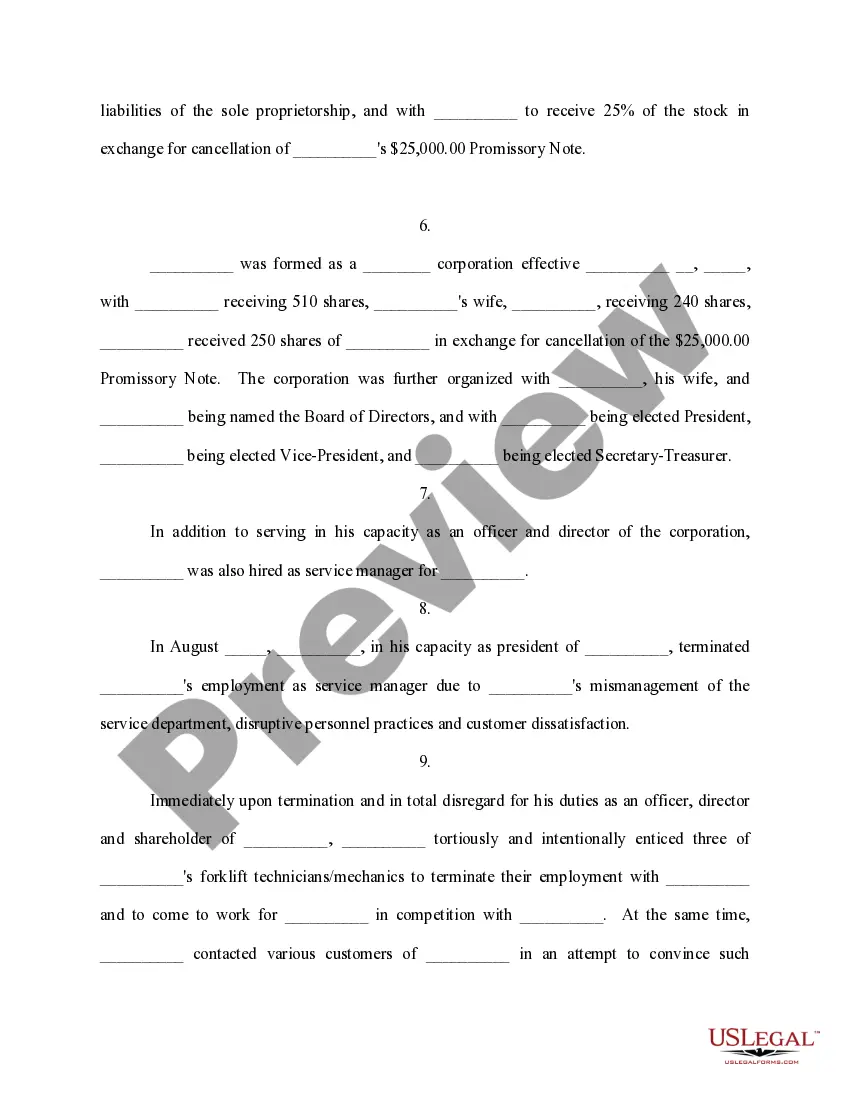
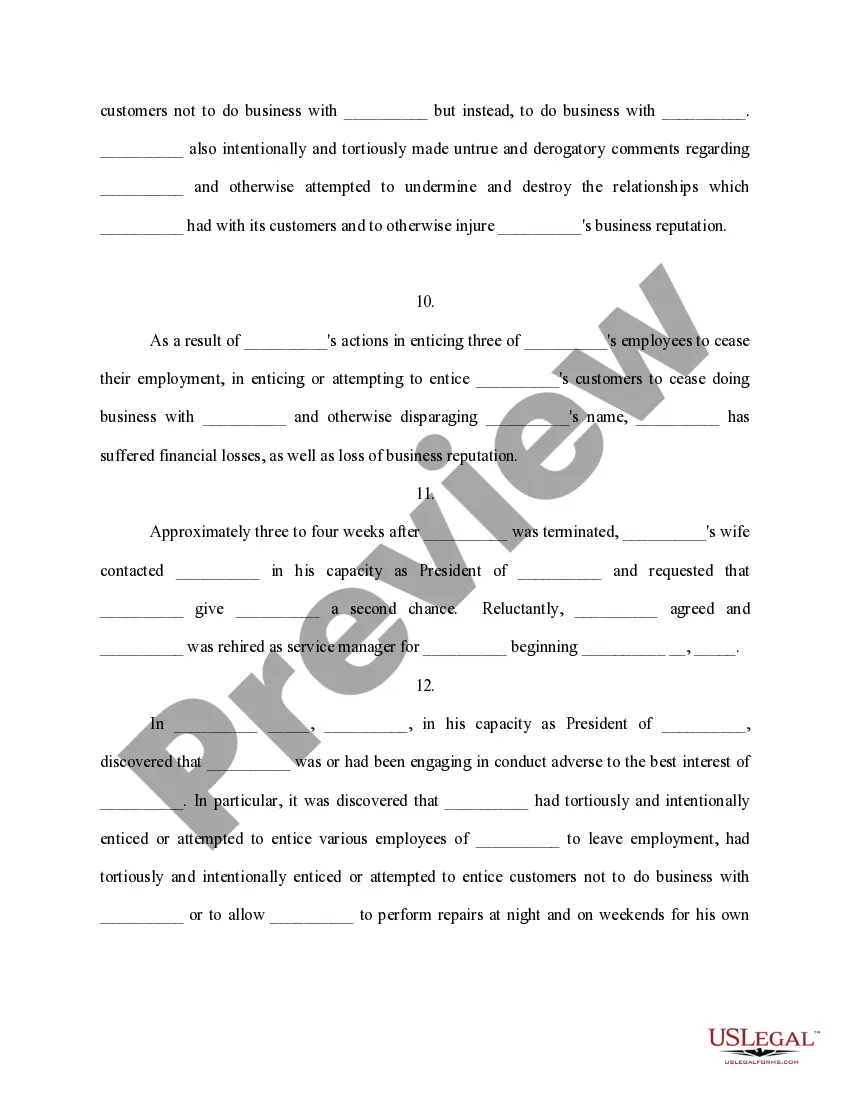

Get your form ready online
Our built-in tools help you complete, sign, share, and store your documents in one place.
Make edits, fill in missing information, and update formatting in US Legal Forms—just like you would in MS Word.
Download a copy, print it, send it by email, or mail it via USPS—whatever works best for your next step.
Sign and collect signatures with our SignNow integration. Send to multiple recipients, set reminders, and more. Go Premium to unlock E-Sign.
If this form requires notarization, complete it online through a secure video call—no need to meet a notary in person or wait for an appointment.
We protect your documents and personal data by following strict security and privacy standards.

Make edits, fill in missing information, and update formatting in US Legal Forms—just like you would in MS Word.

Download a copy, print it, send it by email, or mail it via USPS—whatever works best for your next step.

Sign and collect signatures with our SignNow integration. Send to multiple recipients, set reminders, and more. Go Premium to unlock E-Sign.

If this form requires notarization, complete it online through a secure video call—no need to meet a notary in person or wait for an appointment.

We protect your documents and personal data by following strict security and privacy standards.
Looking for another form?
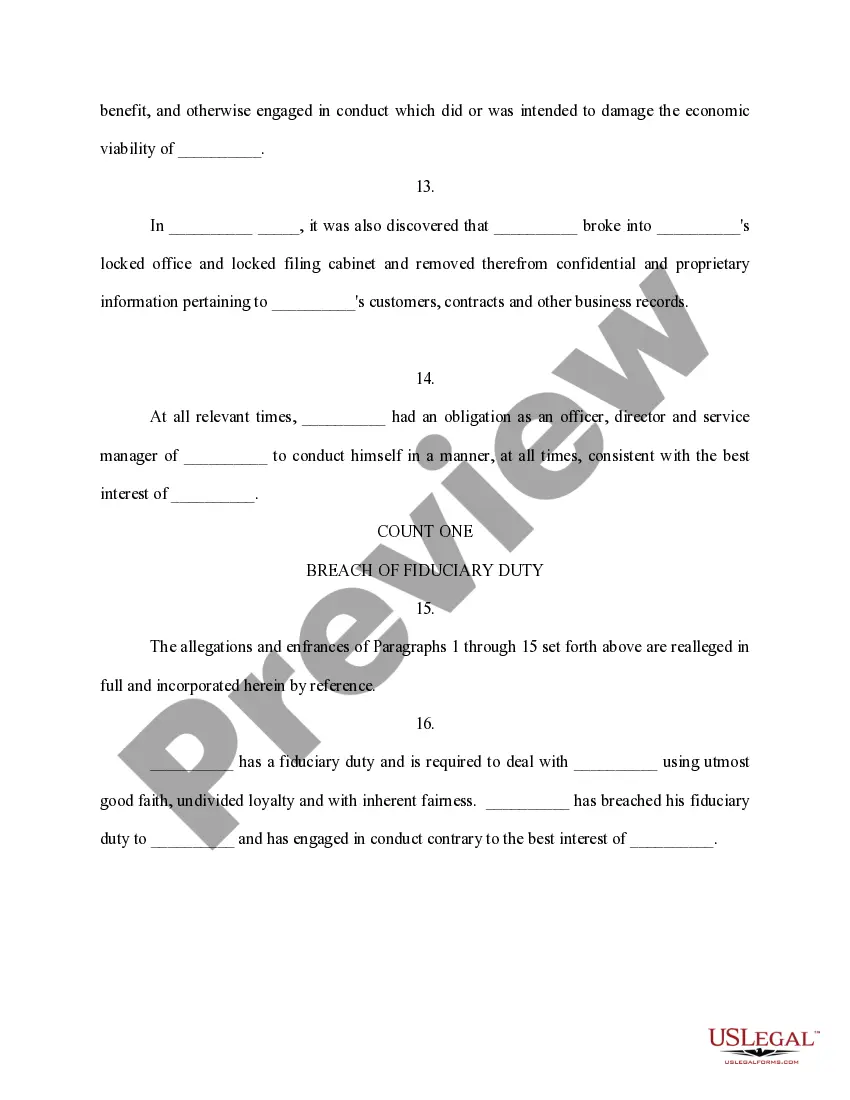
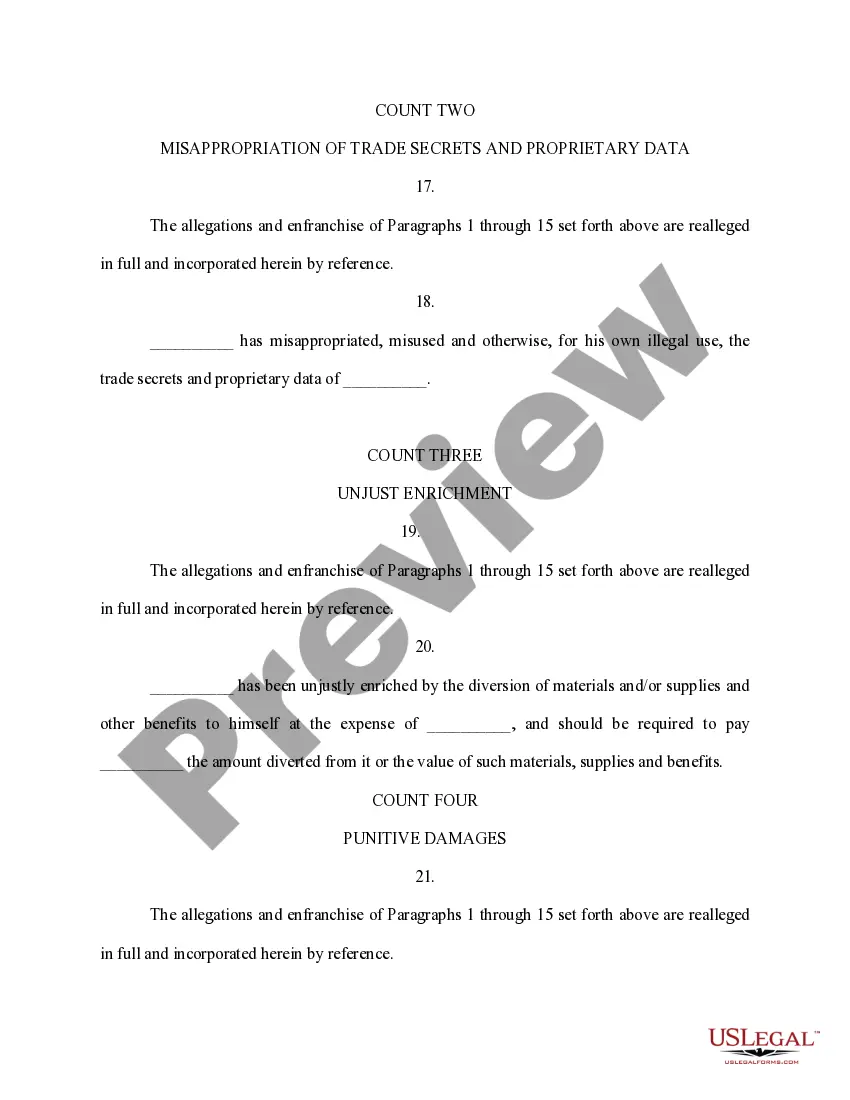
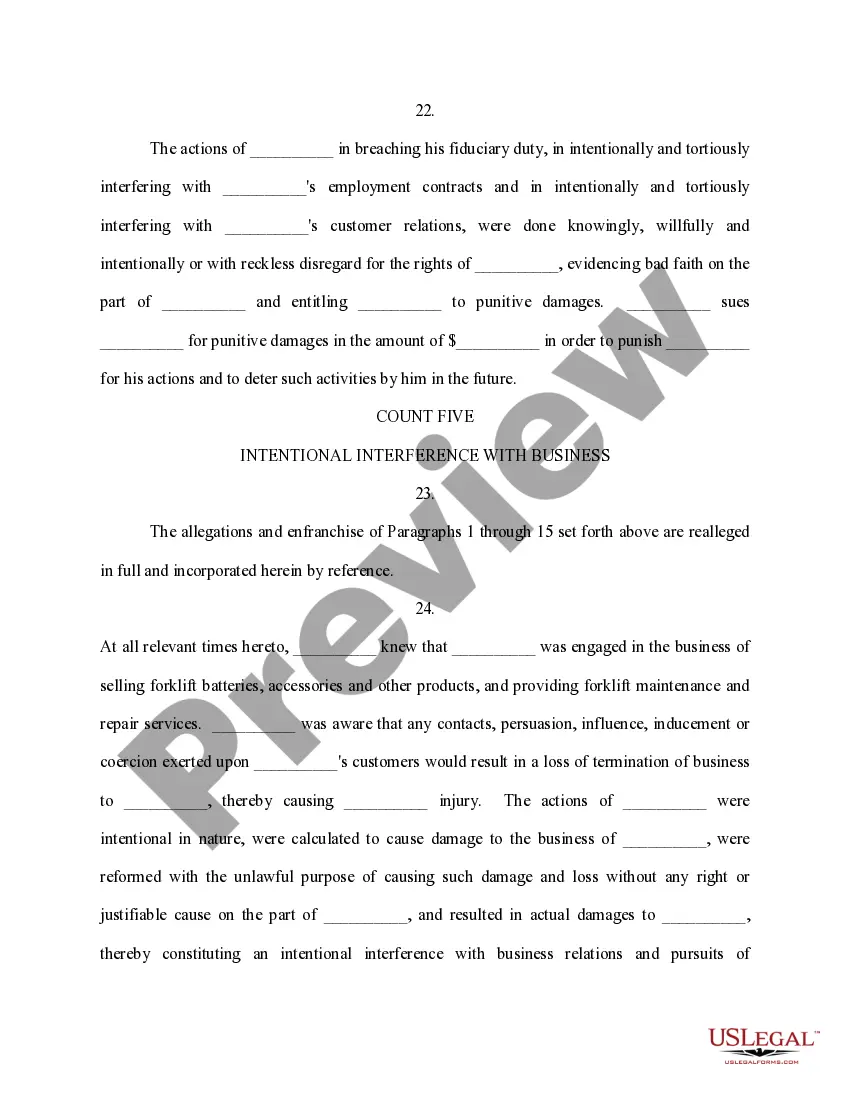
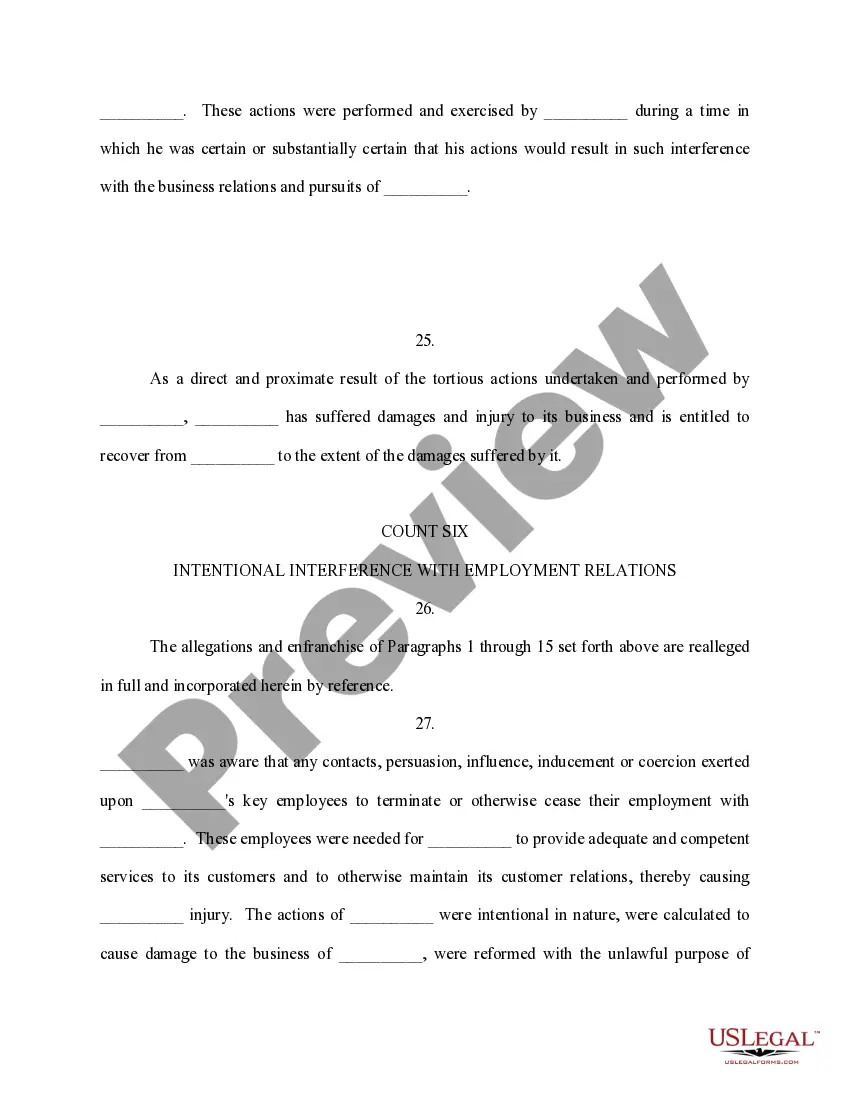
How to fill out Complaint For Breach Of Fiduciary Duty - Trust?
The Violation of My Confidence In You that you view on this page is a reusable formal template created by experienced attorneys in adherence to federal and state regulations.
For over 25 years, US Legal Forms has supplied individuals, businesses, and legal practitioners with more than 85,000 authenticated, state-specific documents for any commercial and personal event. It’s the quickest, most uncomplicated, and most trustworthy method to acquire the paperwork you require, as the service ensures bank-level data protection and anti-malware safeguards.
Subscribe to US Legal Forms to have verified legal templates for all of life’s situations readily available.
- Examine the document you require and assess it.
- Browse the file you searched and preview it or examine the form description to confirm it meets your requirements. If it doesn’t, use the search bar to find the suitable one. Click 'Buy Now' once you have located the template you need.
- Choose and Log In.
- Select the payment plan that works for you and establish an account. Use PayPal or a credit card to make a quick transaction. If you already possess an account, Log In and check your subscription to proceed.
- Obtain the fillable template.
- Pick the format you desire for your Violation of My Confidence In You (PDF, DOCX, RTF) and store the document on your device.
- Complete and sign the document.
- Print the template to fill it out by hand. Alternatively, use an online multifunctional PDF editor to swiftly and accurately fill out and sign your form with a valid signature.
- Download your documents once more.
- Access the same document again whenever required. Open the 'My documents' tab in your profile to redownload any previously saved templates.
Form popularity
FAQ
The 7 7 7 rule in relationships involves dedicating seven minutes a day to meaningful conversations, seven hours a week for quality time, and seven days a month for a special date or outing. This structure promotes connection and intimacy, reducing the chances of misunderstandings that could lead to phrases like, 'You breached my trust for you.' By prioritizing time together, couples can strengthen their bond and enhance their emotional connection.
The 3 6 9 rule in a relationship suggests that partners should spend three months dating, six months living together, and nine months engaged before marrying. This timeline aims to help couples understand each other better and build a strong foundation. When partners follow this guideline, they can avoid potential pitfalls that may lead to feelings like, 'You breached my trust for you.' Ultimately, it encourages healthy progression in the relationship.
A breach of trust in a relationship occurs when one partner violates the expectations or commitments that the other partner relies on. This can involve dishonesty, secrecy, or betrayal of confidence, leading to emotional pain and distrust. When someone says, 'You breached my trust for you,' it highlights the deep impact of such actions. To rebuild trust, open communication and transparency are essential.
When trust is broken, relationships often suffer, leading to feelings of betrayal and disappointment. Both parties may experience a range of emotions, from anger to sadness. Repairing the damage requires openness, communication, and a willingness to understand each other's perspectives. US Legal can assist you in finding strategies and resources to help you navigate the complexities of trust restoration.
When someone breaches your trust, it can feel overwhelming and painful. It is crucial to acknowledge your emotions and set healthy boundaries moving forward. Communicate your feelings to the individual who has caused the breach, as this can help both of you understand the impact of their actions. If you find it challenging to cope, US Legal offers tools and resources to support you in addressing trust issues effectively.
When someone breaks your trust, it is essential to first assess the situation. Take time to reflect on the incident and understand your feelings. Open a dialogue with the person involved to express your concerns and seek clarity. If you need further assistance navigating this emotional landscape, consider exploring resources at US Legal, which can provide valuable guidance to help you rebuild trust.
Earning back the trust of your partner requires sincere apologies, consistent transparency, and open communication. Acknowledge your actions and express your commitment to change. If you have breached my trust for you, consider using resources like USLegalForms to draft agreements that outline mutual expectations. These steps can help create a supportive environment for rebuilding trust and moving forward together.
In relationships, the 7 7 7 rule encourages couples to dedicate seven minutes daily for meaningful conversations, seven hours monthly for shared activities, and seven days a year for an escape together. This approach keeps the relationship vibrant and engaging. If you have breached my trust for you, implementing this rule might help you reconnect and address underlying issues. Consistent engagement can pave the way for rebuilding trust and intimacy.
The 7 7 7 rule for marriage suggests that couples should spend seven minutes a day talking, seven hours a month on a date night, and seven days a year on a getaway. This structure helps maintain connection and intimacy. If you feel you have breached my trust for you, applying this rule can facilitate open conversations and healing. Regular quality time can help restore the emotional connection and trust in your relationship.
The four golden rules of marriage focus on communication, respect, trust, and commitment. These principles provide a strong foundation for any relationship. When you breach my trust for you, it becomes essential to return to these rules to rebuild and strengthen the bond. Adhering to these guidelines fosters a healthier, more resilient partnership.