Defamation Complaint Example
Description
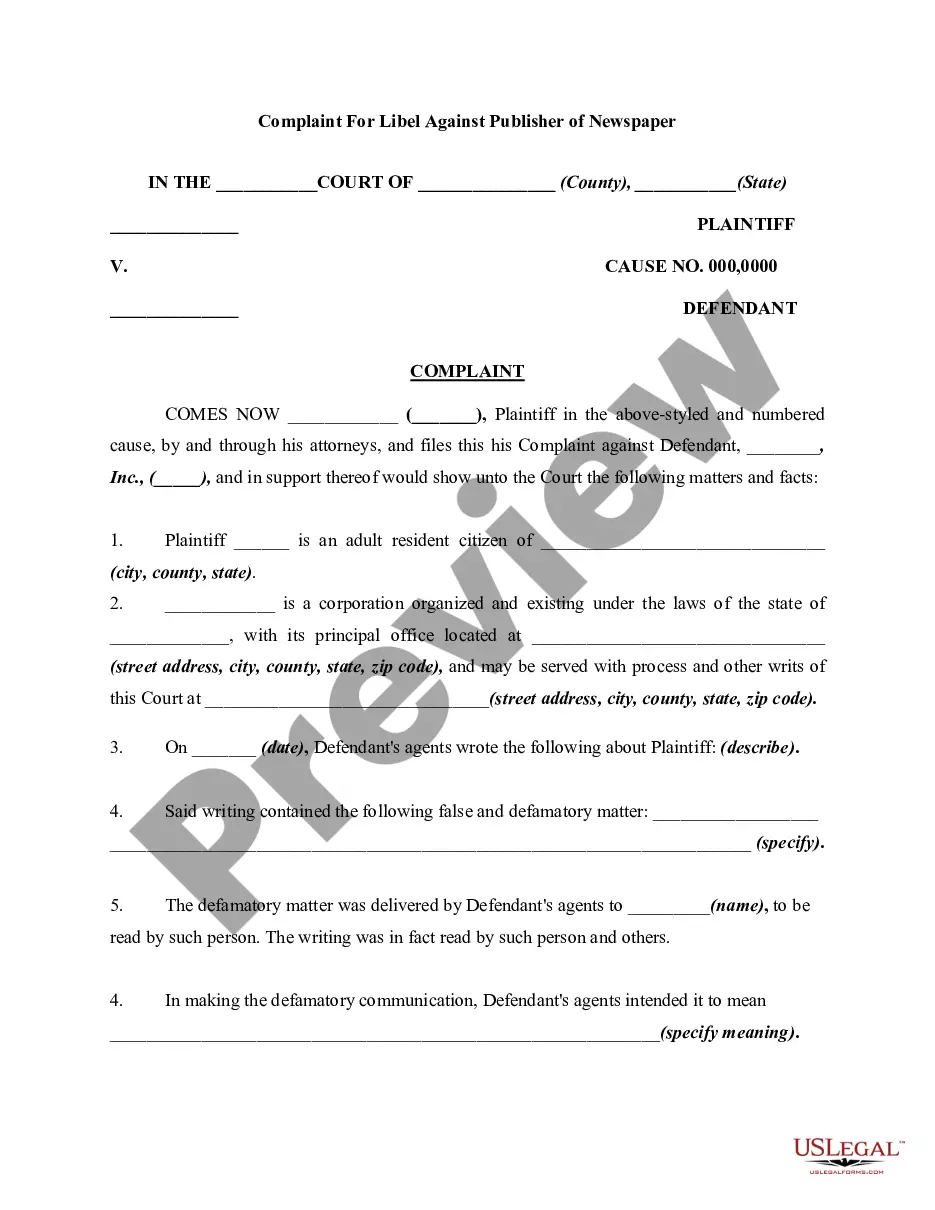
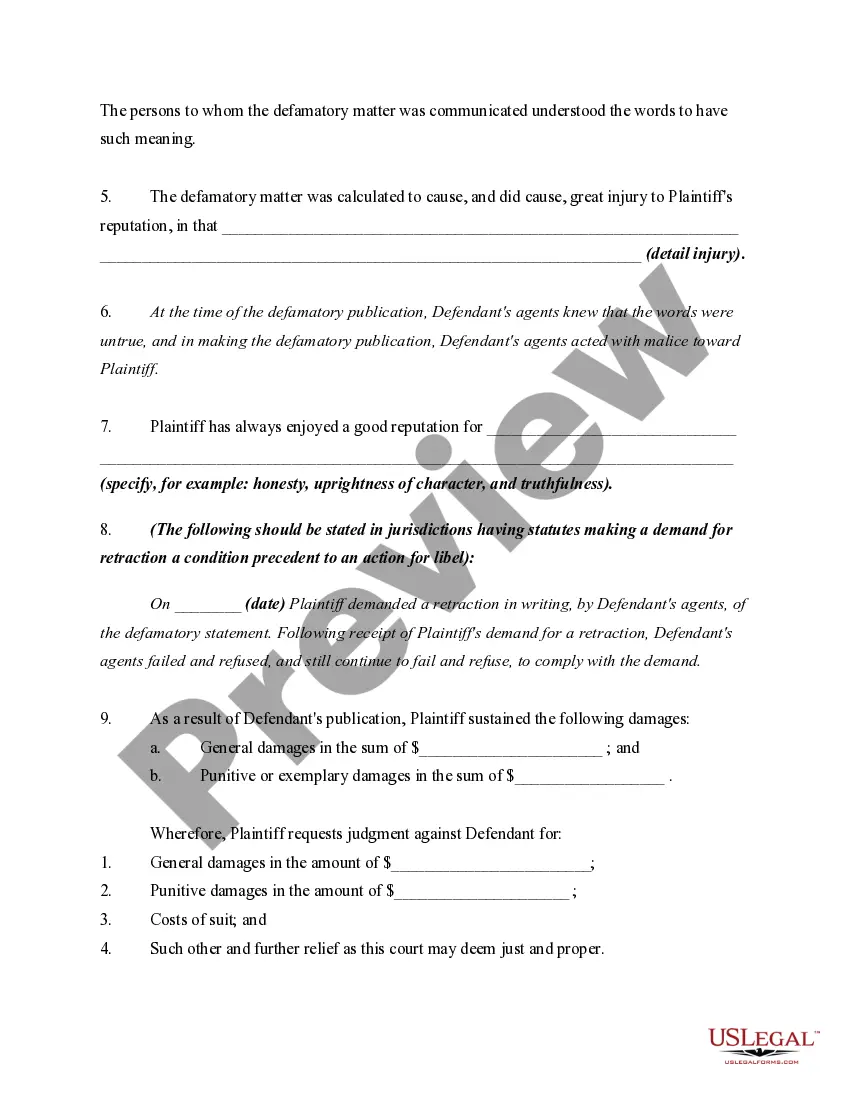
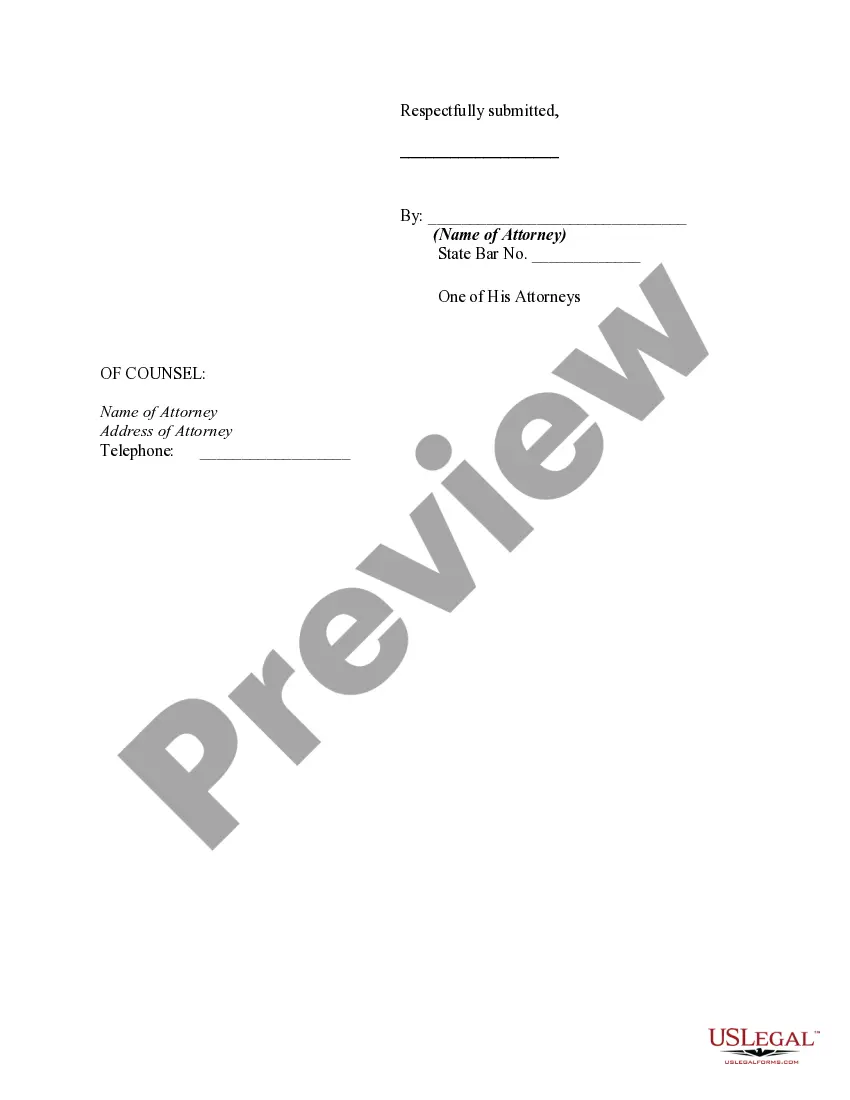
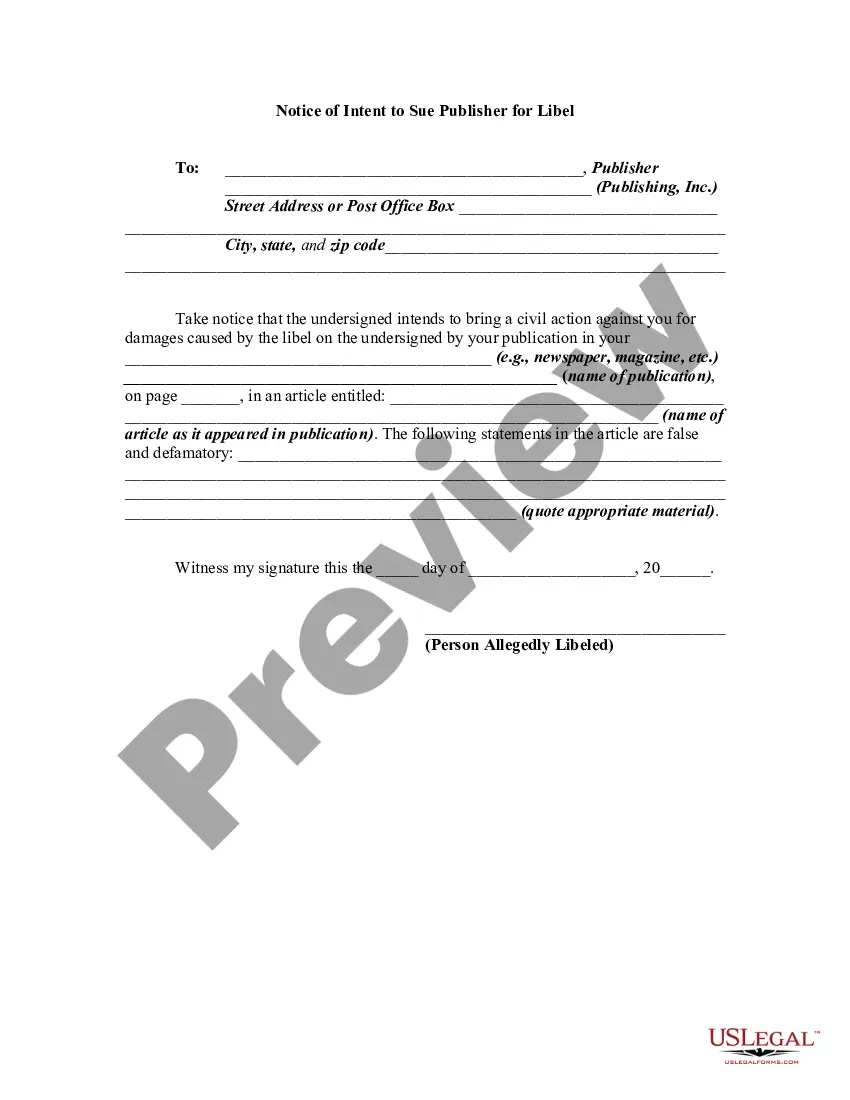

Get your form ready online
Our built-in tools help you complete, sign, share, and store your documents in one place.
Make edits, fill in missing information, and update formatting in US Legal Forms—just like you would in MS Word.
Download a copy, print it, send it by email, or mail it via USPS—whatever works best for your next step.
Sign and collect signatures with our SignNow integration. Send to multiple recipients, set reminders, and more. Go Premium to unlock E-Sign.
If this form requires notarization, complete it online through a secure video call—no need to meet a notary in person or wait for an appointment.
We protect your documents and personal data by following strict security and privacy standards.

Make edits, fill in missing information, and update formatting in US Legal Forms—just like you would in MS Word.

Download a copy, print it, send it by email, or mail it via USPS—whatever works best for your next step.

Sign and collect signatures with our SignNow integration. Send to multiple recipients, set reminders, and more. Go Premium to unlock E-Sign.

If this form requires notarization, complete it online through a secure video call—no need to meet a notary in person or wait for an appointment.

We protect your documents and personal data by following strict security and privacy standards.
Looking for another form?
How to fill out Complaint For Libel Against Publisher Of Newspaper - Defamation Of Character?
Establishing a reliable location to obtain the most up-to-date and suitable legal templates is a significant part of navigating bureaucracy.
Selecting the appropriate legal forms requires precision and careful consideration, which is why it is crucial to source Defamation Complaint Example samples exclusively from trustworthy providers, such as US Legal Forms.
Eliminate the hassles associated with your legal documentation. Explore the extensive US Legal Forms library, where you can discover legal templates, assess their applicability to your circumstance, and download them instantly.
- Utilize the library navigation or search tool to find your template.
- Access the form’s details to verify its compliance with the regulations of your state and county.
- Preview the form, if presented, to confirm it is indeed the document you are seeking.
- Return to the search and locate the appropriate template if the Defamation Complaint Example does not fit your requirements.
- If you are confident about the form’s suitability, download it.
- As an authorized customer, click Log in to verify your identity and gain access to your selected forms in My documents.
- If you don’t yet have an account, click Buy now to purchase the form.
- Select the pricing option that meets your needs.
- Proceed with registration to finalize your transaction.
- Complete your payment by selecting a method (credit card or PayPal).
- Choose the file format to download the Defamation Complaint Example.
- Once the form is saved to your device, you may edit it using the editor or print it out to complete it manually.
Form popularity
FAQ
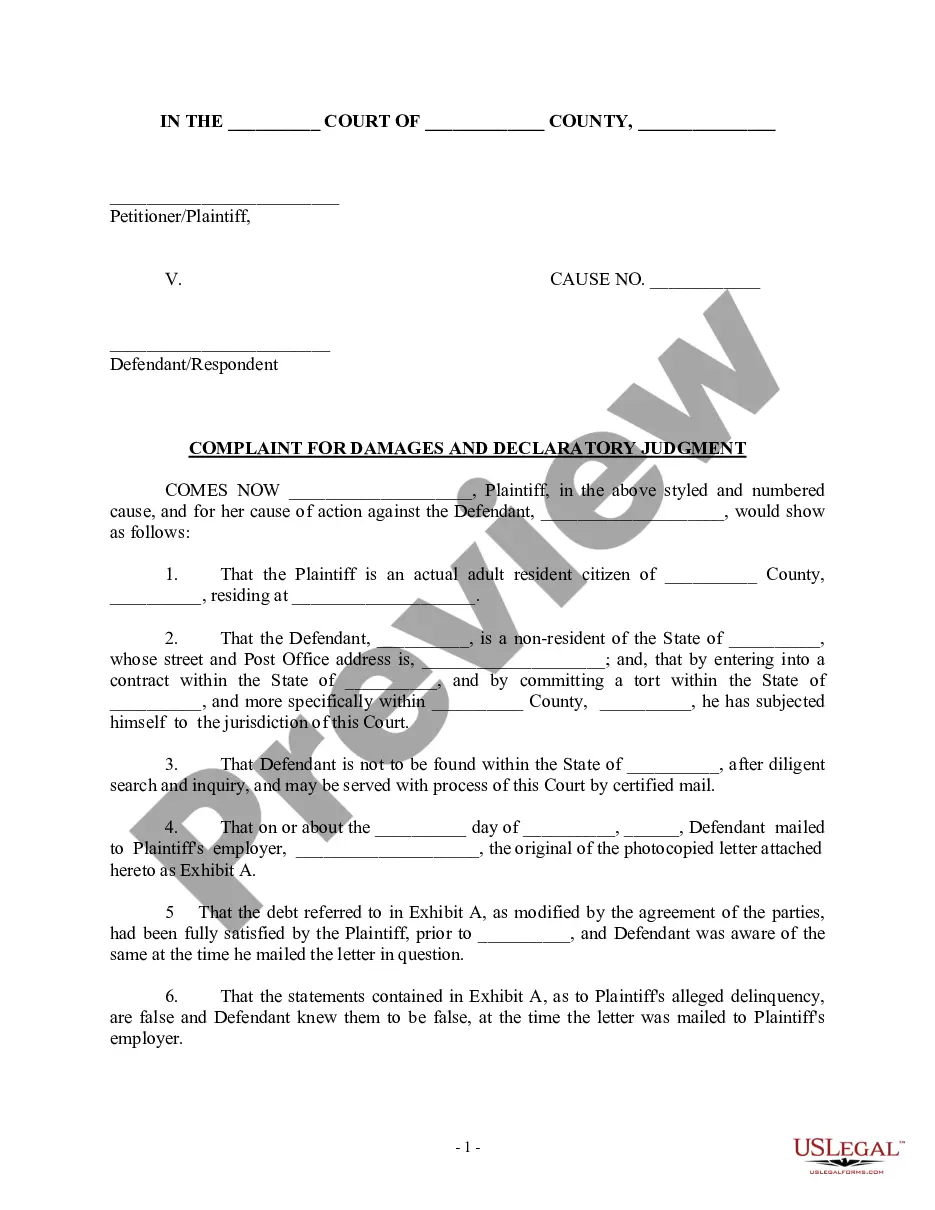
A defamation complaint example typically includes the details of the false statements, the parties involved, and the impact on the plaintiff's life. This document clearly outlines how the statements were untrue and how they led to specific harm. Using a structured format can make your complaint more persuasive. Accessing resources from US Legal Forms can provide you with comprehensive example templates to kickstart your complaint effectively.
To prove defamation of character, you typically need to provide evidence that the statements were false, damaging, and made with negligence or intent. This proof can include witness statements, documentation of the false information, and evidence of emotional or financial harm. Collecting thorough evidence strengthens your case and enhances your credibility. Reviewing a defamation complaint example can also shed light on the type of proof to include.
Writing a defamation of character complaint involves a few important steps. Start by outlining the specific false statements that harmed your reputation and provide evidence supporting your claims. It's essential to include detailed descriptions and state how these statements impacted you. For assistance, refer to a defamation complaint example available on the US Legal Forms platform, which can guide you through this process.
Determining if it's worth suing for defamation of character depends on the situation. If the false statements significantly harmed your reputation or caused emotional distress, legal action might be appropriate. However, you should also consider the potential costs, time involved, and the strength of your case. A solid defamation complaint example can help you understand what to include in your claim.
Proving defamation can be challenging because you must establish that the statements are false and damaging. The burden of proof often lies with the plaintiff, so gathering credible evidence is crucial. With clear examples and thorough documentation, you can strengthen your case. Resources like US Legal Forms offer assistance in navigating this complex legal area.
To write a letter of defamation, start by clearly stating the defamatory statements alongside the context in which they were made. You should include a demand for retraction and any evidence supporting your claims. Be concise and firm while avoiding emotional language. Utilizing a defamation complaint example can help you formulate your letter professionally and effectively.
You need proof that the statement in question is false, that it was made to a third party, and that it caused harm to your reputation. Compiling documentation, like the statements made and the resulting damages, is essential. A defamation complaint example is an efficient way to clarify these requirements and guide your proof collection process.
Certain statements are not considered defamation, such as opinions, true statements, or information protected by privilege. Additionally, statements that are exaggerations or hyperboles typically do not meet the legal standard for defamation. Understanding these nuances is crucial. A defamation complaint example can shed light on the distinctions between defamation and permissible speech.
To prove defamation, you need evidence that shows the statement made is false, harmful, and was made with negligence or actual malice. For instance, written documents, recordings, or witness testimonies can greatly help your case. A clear example of a defamation complaint can illustrate how these elements combine. Using a platform like US Legal Forms can provide you with templates to document this evidence effectively.
To pursue action against someone for defamation, start by consulting with a qualified attorney who specializes in this area of law. They can help you understand the necessary legal procedures and prepare a strong case. Additionally, a defamation complaint example can serve as a valuable blueprint to illustrate the nature of your claim and set forth your arguments effectively.