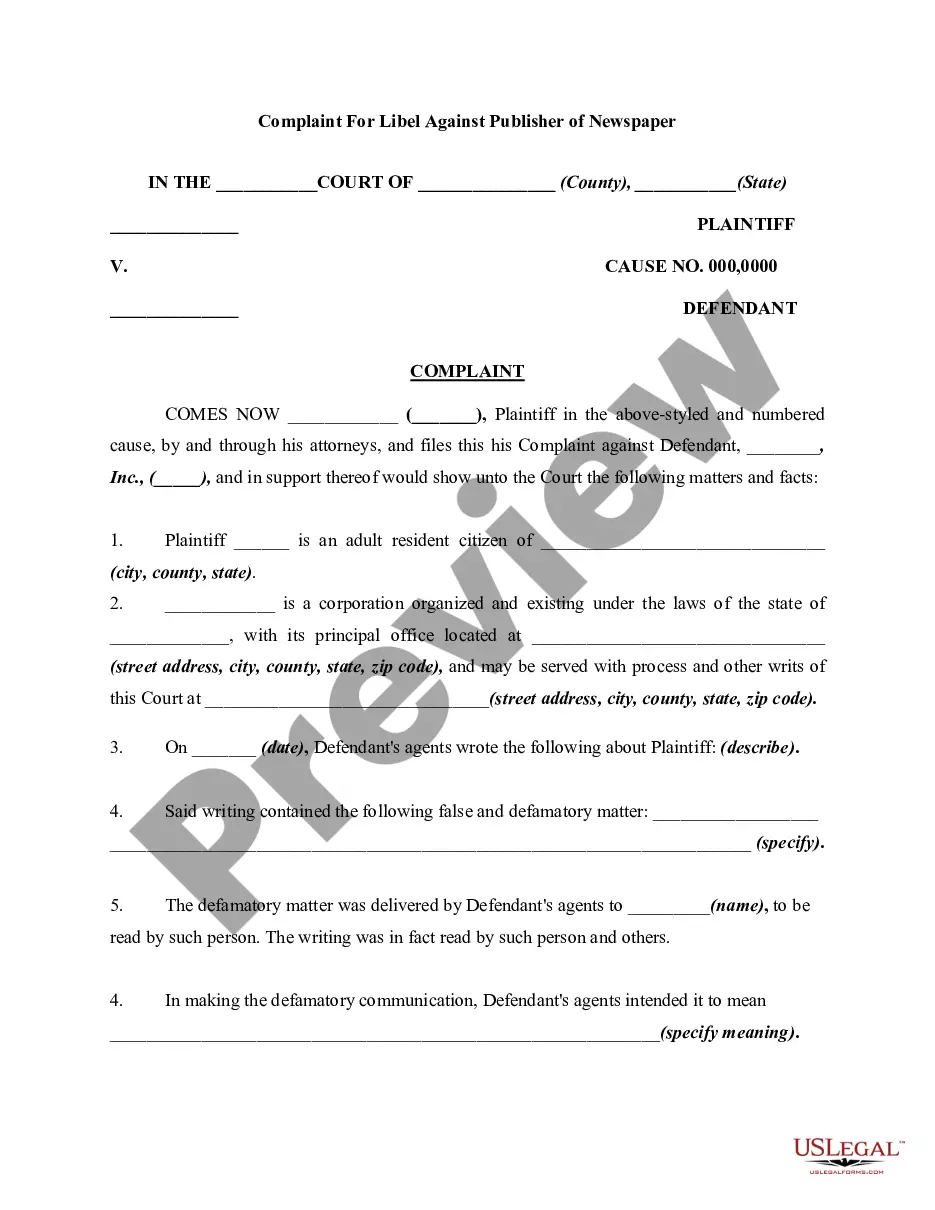
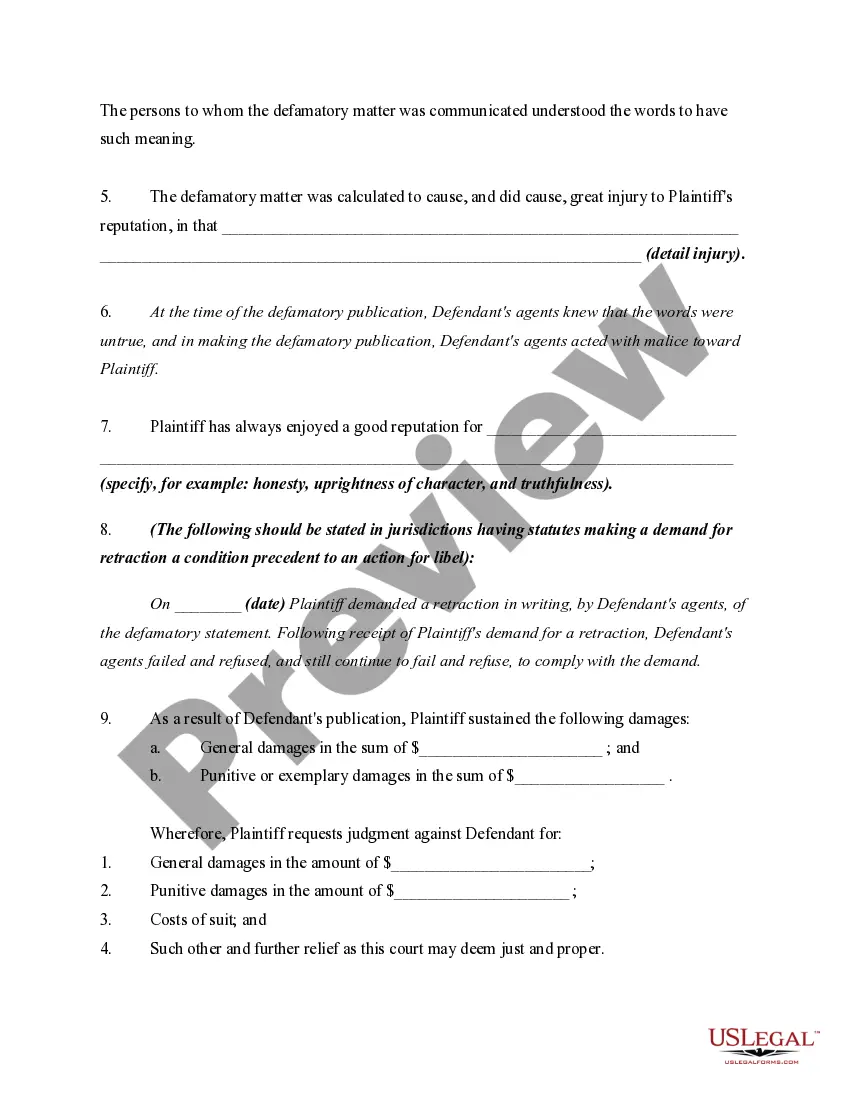
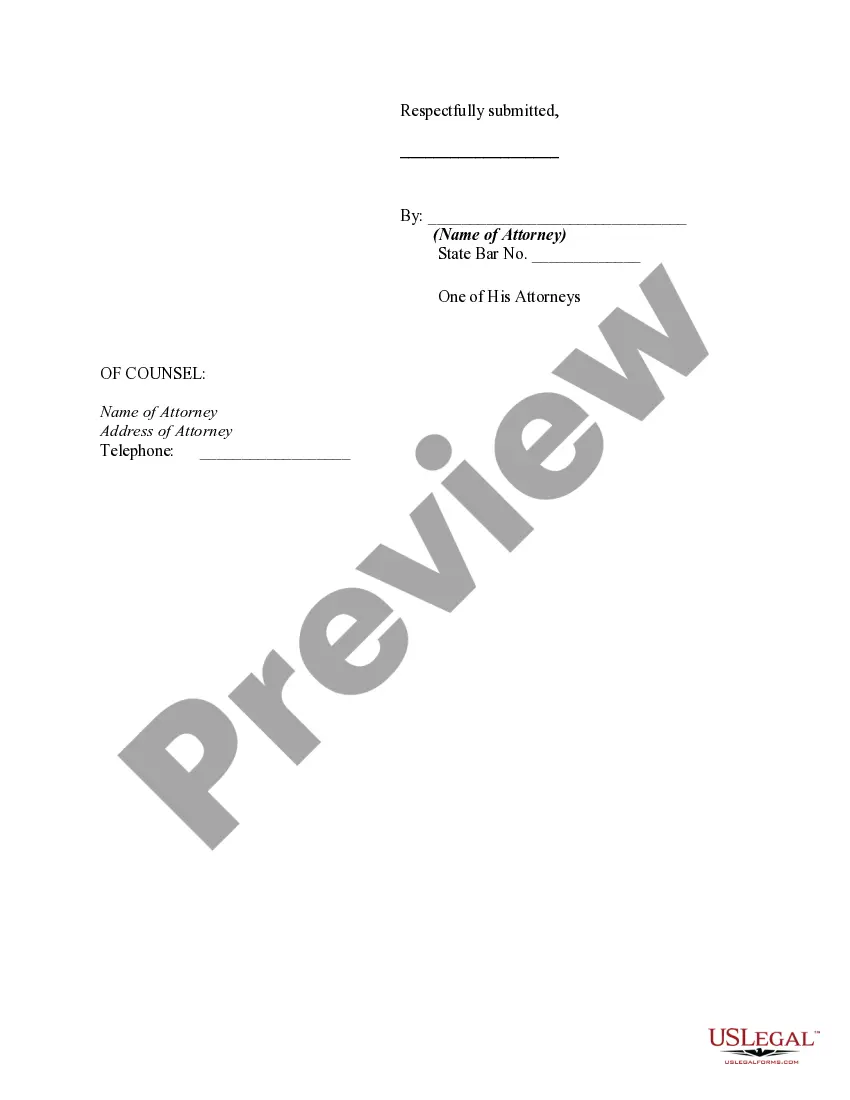
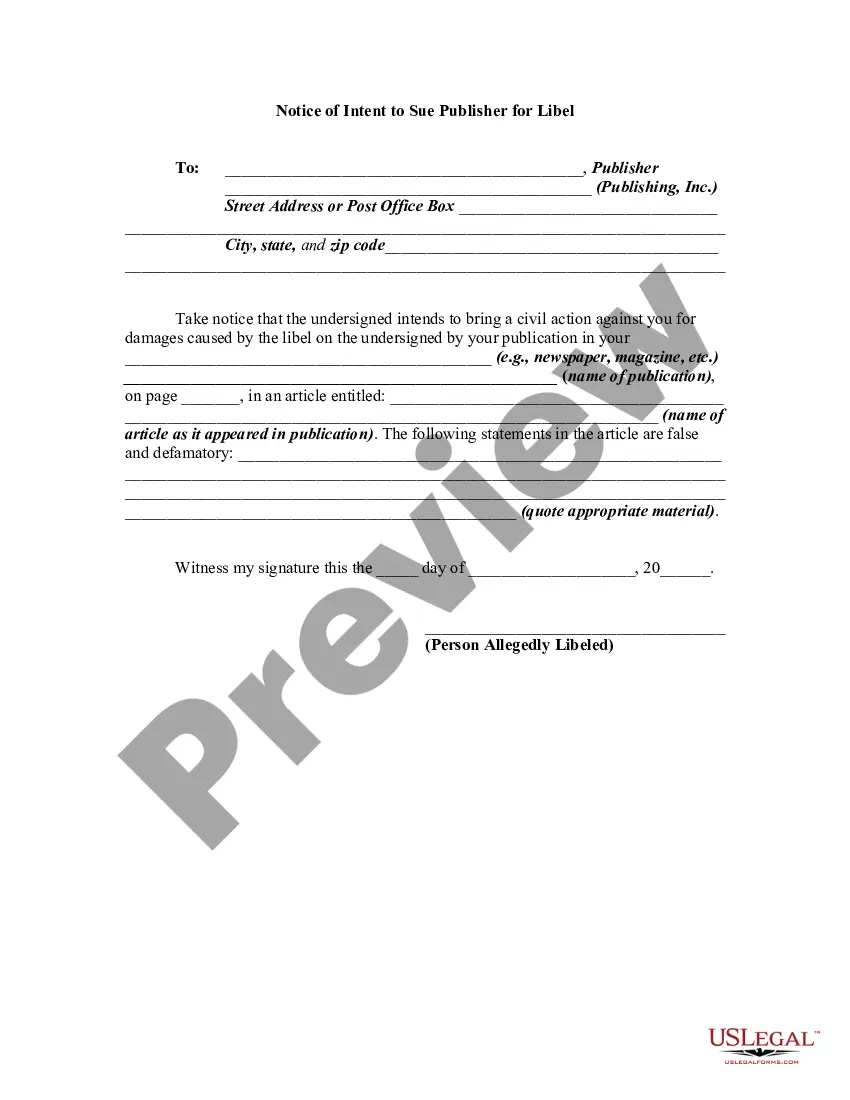
Defamation Character Statement Format
Description
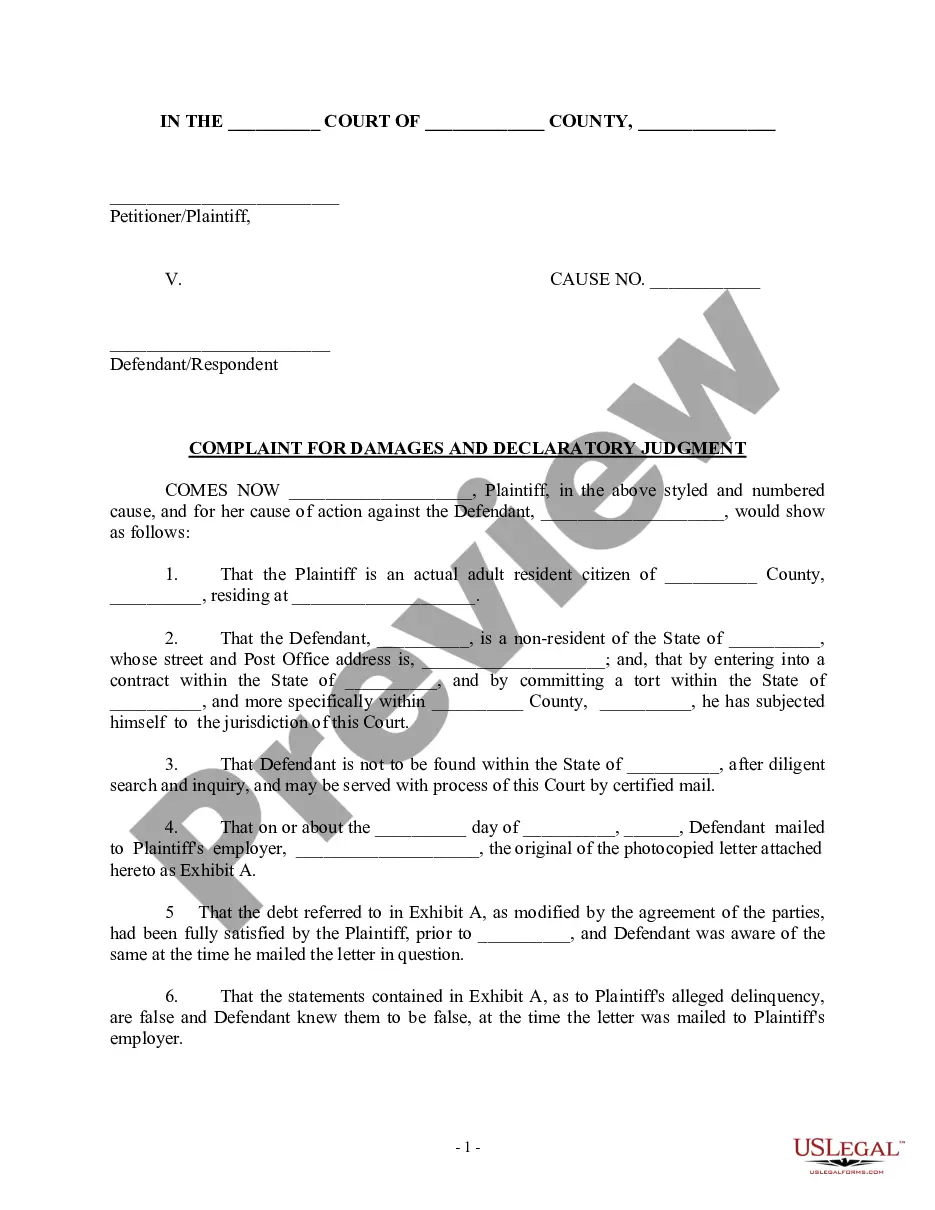
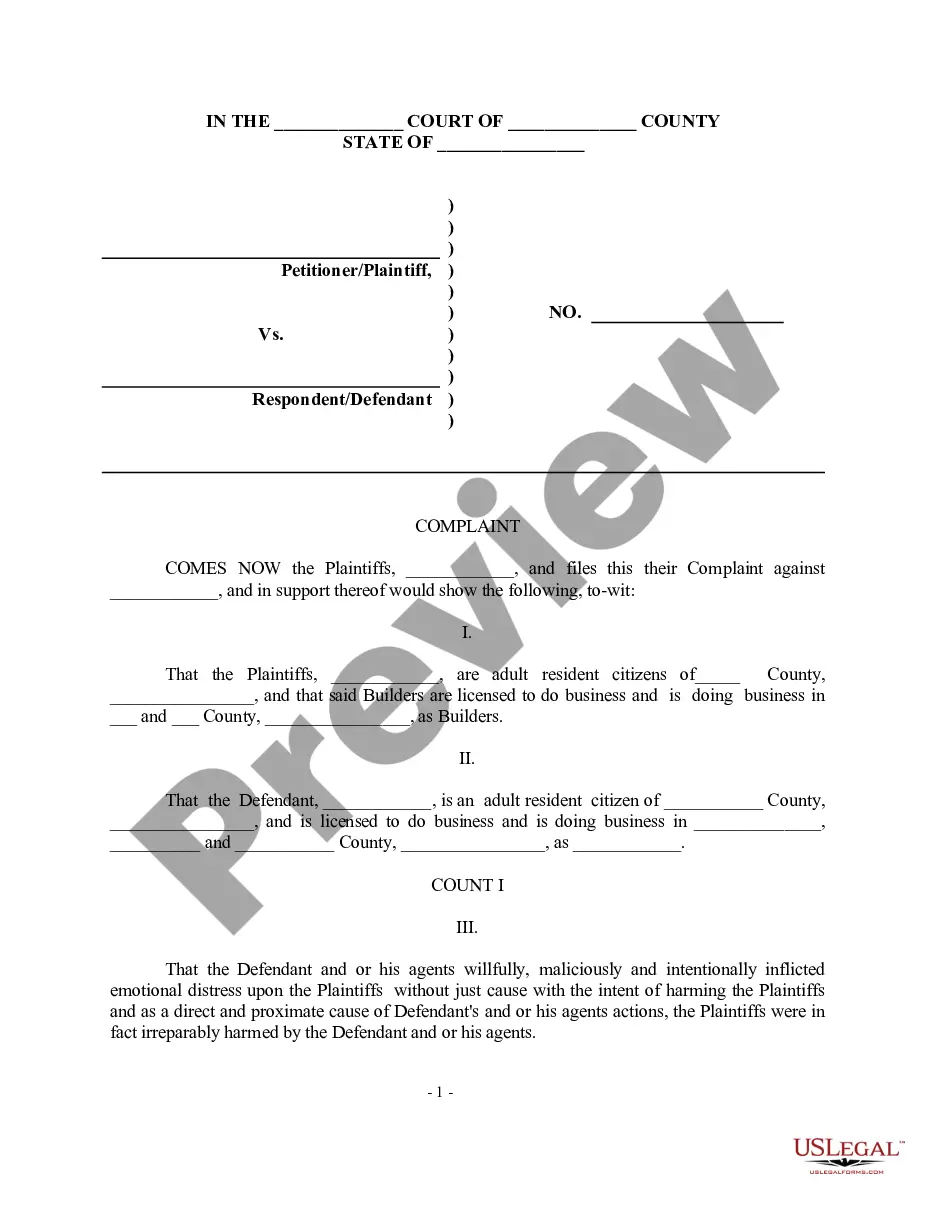

Get your form ready online
Our built-in tools help you complete, sign, share, and store your documents in one place.
Make edits, fill in missing information, and update formatting in US Legal Forms—just like you would in MS Word.
Download a copy, print it, send it by email, or mail it via USPS—whatever works best for your next step.
Sign and collect signatures with our SignNow integration. Send to multiple recipients, set reminders, and more. Go Premium to unlock E-Sign.
If this form requires notarization, complete it online through a secure video call—no need to meet a notary in person or wait for an appointment.
We protect your documents and personal data by following strict security and privacy standards.

Make edits, fill in missing information, and update formatting in US Legal Forms—just like you would in MS Word.

Download a copy, print it, send it by email, or mail it via USPS—whatever works best for your next step.

Sign and collect signatures with our SignNow integration. Send to multiple recipients, set reminders, and more. Go Premium to unlock E-Sign.

If this form requires notarization, complete it online through a secure video call—no need to meet a notary in person or wait for an appointment.

We protect your documents and personal data by following strict security and privacy standards.
Looking for another form?
How to fill out Complaint For Libel Against Publisher Of Newspaper - Defamation Of Character?
Legal documents administration can be exasperating, even for the most experienced professionals.
When you seek a Defamation Character Statement Format and do not have the time to invest in locating the appropriate and current version, the procedures may be overwhelming.
US Legal Forms addresses any requirements you may have, from personal to business documentation, all in one location.
Utilize advanced tools to complete and manage your Defamation Character Statement Format.
Here are the steps to follow after downloading the form you desire: Verify that this is the correct form by previewing it and reviewing its details. Ensure the template is approved in your state or county. Click Buy Now when you are ready. Choose a monthly subscription plan. Locate the format you need, and Download, complete, sign, print, and submit your documents. Leverage the US Legal Forms online catalog, supported by 25 years of expertise and trustworthiness. Streamline your daily document management into a seamless and user-friendly process today.
- Access a resource library of articles, guides, manuals, and materials pertinent to your situation and requirements.
- Save time and effort in searching for the documents you need, and make use of US Legal Forms’ sophisticated search and Review feature to locate and download the Defamation Character Statement Format.
- If you have a monthly subscription, Log In to your US Legal Forms account, search for the form, and download it.
- Check the My documents tab to view the documents you’ve previously saved and organize your folders as desired.
- If this is your first experience with US Legal Forms, create a free account to enjoy unlimited access to all platform benefits.
- A robust online form repository can be a transformative factor for anyone wishing to navigate these issues effectively.
- US Legal Forms stands as a leader in digital legal documents, offering over 85,000 state-specific legal forms accessible at any time.
- With US Legal Forms, you can access state- or county-specific legal and business documents.
Form popularity
FAQ
To prove prima facie defamation, a plaintiff must show four things: 1) a false statement purporting to be fact; 2) publication or communication of that statement to a third person; 3) fault amounting to at least negligence; and 4) damages, or some harm caused to the reputation of the person or entity who is the subject ...
Defamation is any false information that harms the reputation of a person, business, or organization. Defamation includes both libel and slander. Libel generally refers to defamatory statements that are published or broadcast (more permanent) while slander refers to verbal defamatory statements (more fleeting).
You must include the name and address of the person you're suing, a written demonstration of the defamatory statement, and the amount of time the person has to respond to your letter. In addition, the letter must include the signature of your legal counsel and be sent certified mail with return receipt requested.
It's safe to say that pursuing a defamation suit against someone can be difficult, but it is not impossible. To prove defamation, you must determine that the statement can easily be described as false, published, harmful, or unprivileged.
An example is ?Tom Smith stole money from his employer.? If this is untrue and if making the statement damages Tom's reputation or ability to work, it is defamation. The person whose reputation has been damaged by the false statement can bring a defamation lawsuit.