Identity Law Formula
Description
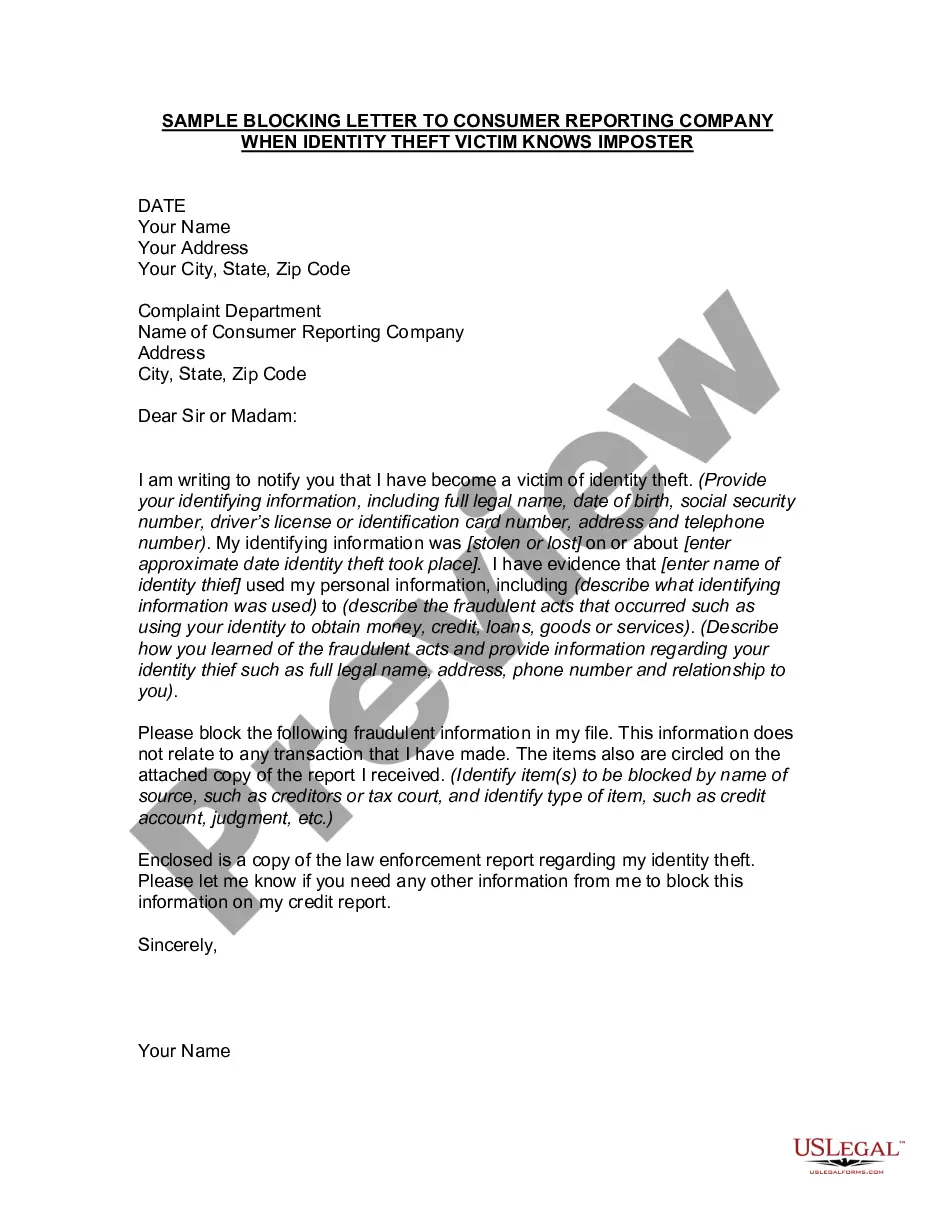
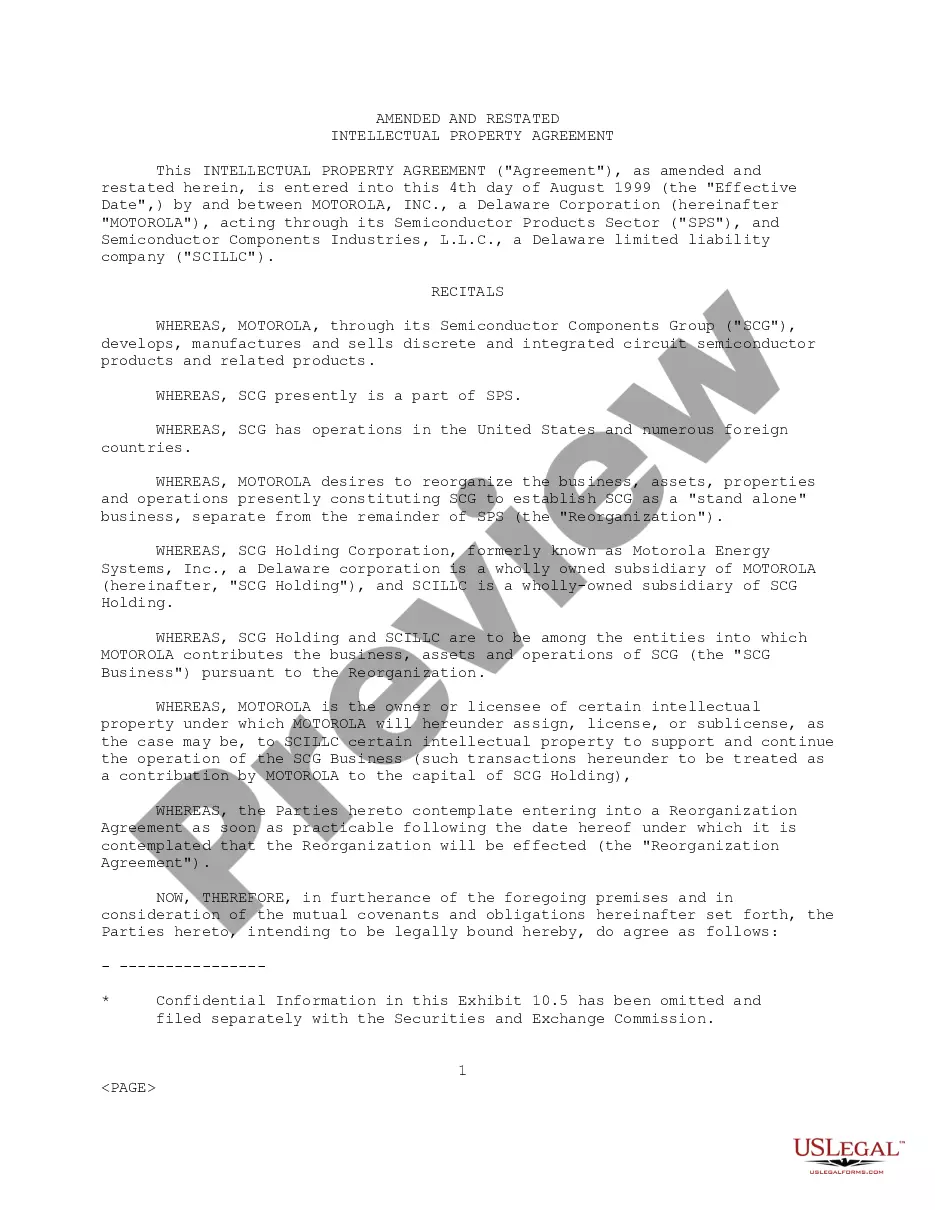
How to fill out Letter To Law Enforcement To Report Identity Theft By Known Imposter?
Acquiring legal templates that comply with federal and local laws is crucial, and the internet provides numerous options to choose from.
However, what is the benefit of spending time hunting for the appropriate Identity Law Formula example online when the US Legal Forms digital library already consolidates such templates in one location.
US Legal Forms is the largest online legal repository featuring over 85,000 fillable templates created by attorneys for various professional and personal situations.
Review the template using the Preview function or through the text outline to confirm it suits your needs.
- They are simple to navigate with all documents organized by state and intended use.
- Our experts keep up with legal changes, ensuring you can rely on your form being current and compliant when obtaining an Identity Law Formula from our site.
- Acquiring an Identity Law Formula is swift and straightforward for both existing and new users.
- If you already possess an account with an active subscription, Log In and save the document template you need in your preferred format.
- If you are unfamiliar with our site, follow the steps outlined below.
Form popularity
FAQ
So the identity law, p?T?p, means that the conjunction of any sentence p with an arbitrary tautology T will always have the same truth value as p (i.e., will be logically equivalent with p).
An algebraic identity is an equality that holds for any values of its variables. For example, the identity ( x + y ) 2 = x 2 + 2 x y + y 2 (x+y)^2 = x^2 + 2xy + y^2 (x+y)2=x2+2xy+y2 holds for all values of x and y.
Note: The Law of Identity is one of the Boolean Laws; it includes two terms: 1 AND A = A means a product of 1 and any number or variable is the same number and variable and 0 OR A = A means a sum of 0 and any number or variable is the same number or variable.
In logic, the law of identity states that each thing is identical with itself. It is the first of the historical three laws of thought, along with the law of noncontradiction, and the law of excluded middle.
The Identity Law is one of the Boolean Laws; it has two expressions: 1 AND A = A - the product of 1 and any number or variable is the number or variable itself. And. 0 OR A = A - the sum of 0 and any number or variable is the number or variable itself.