Letter Notifying Death With Dignity Act
Description
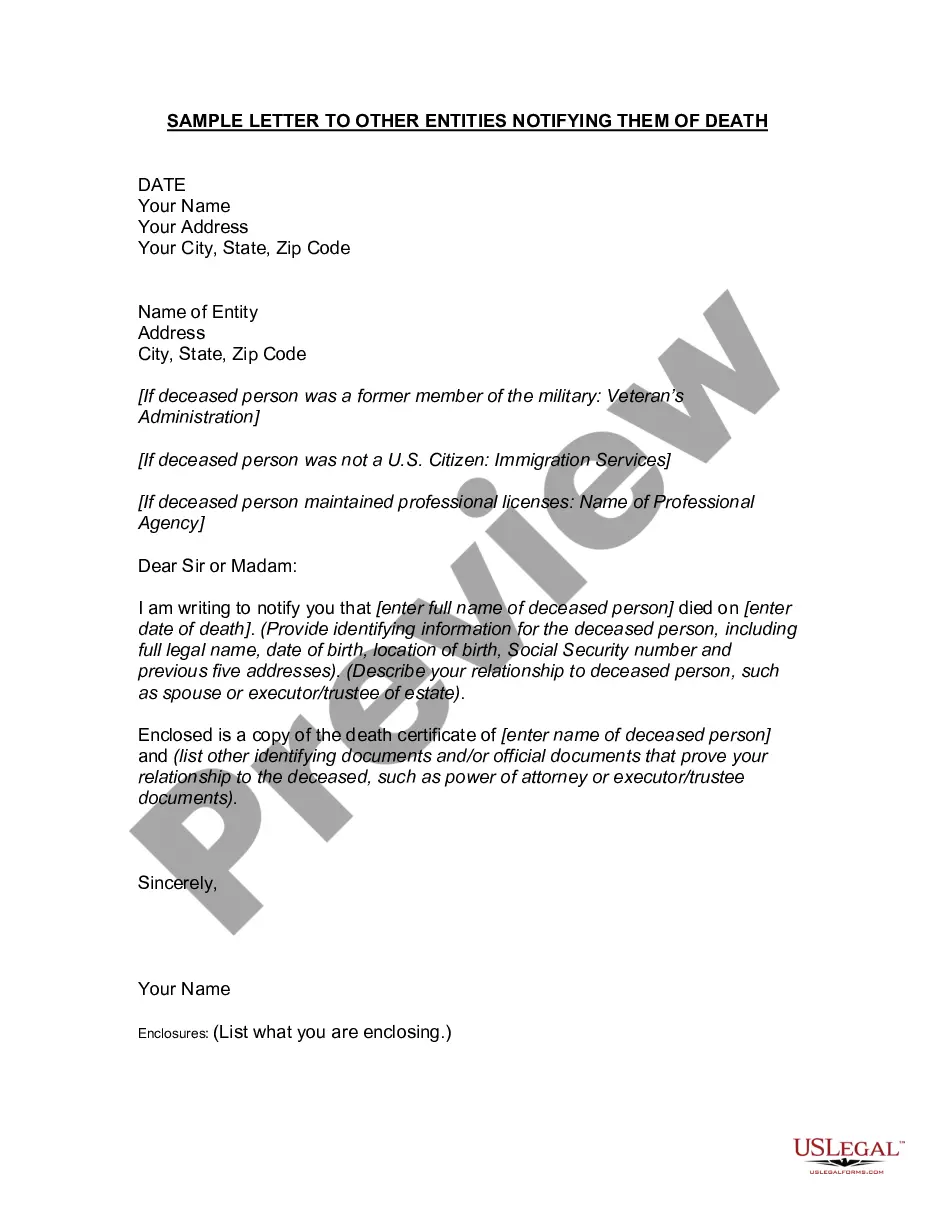

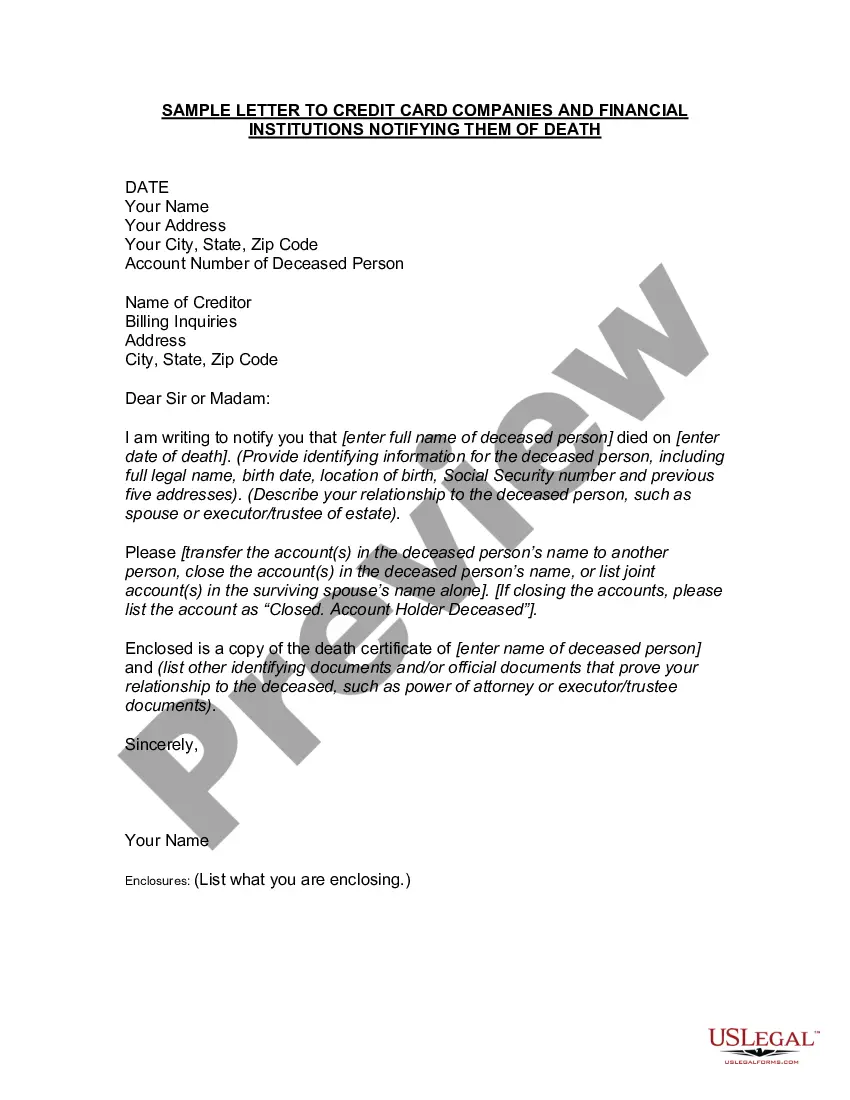
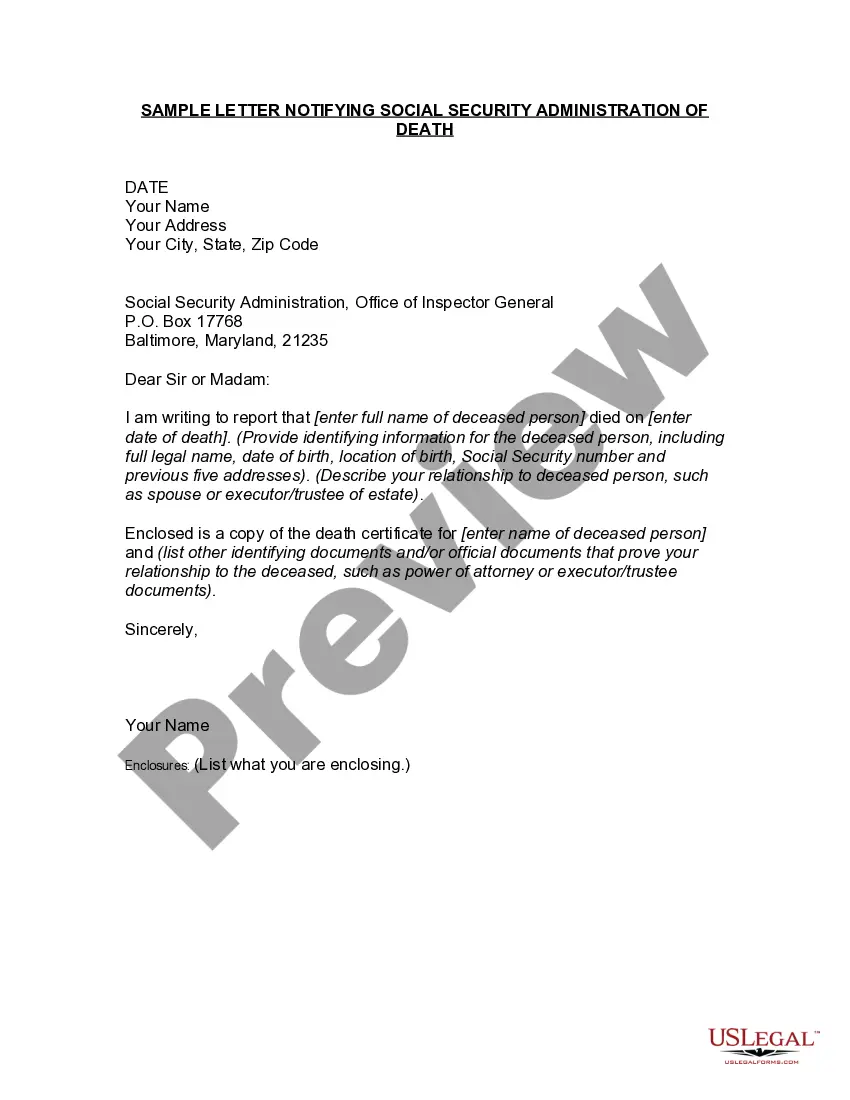
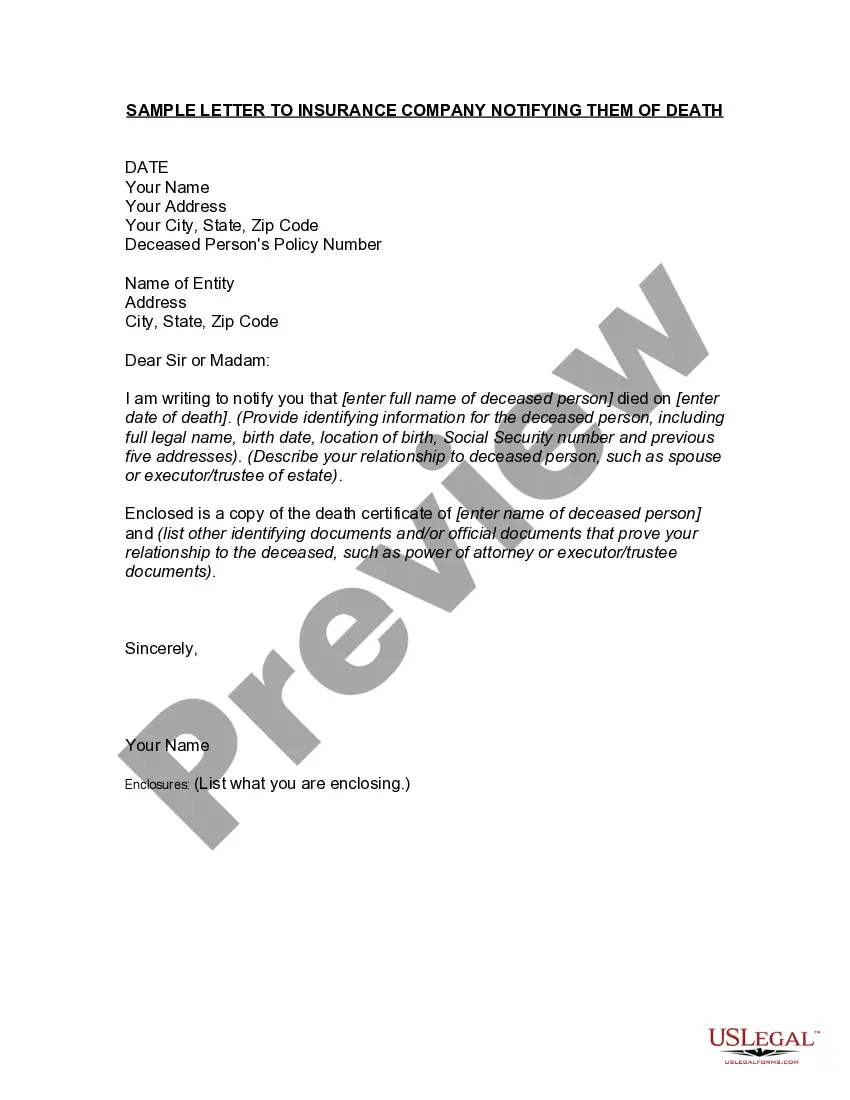

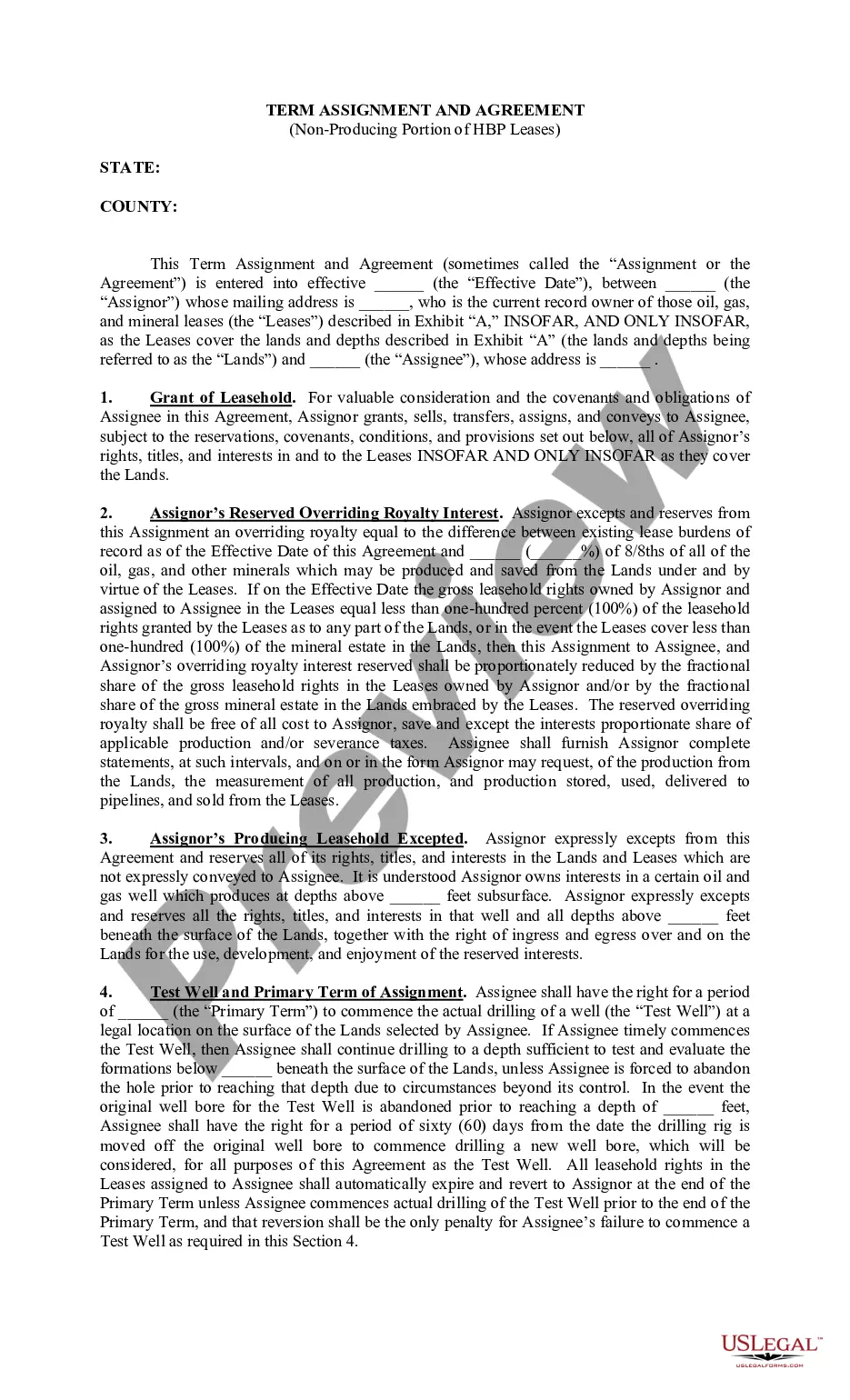
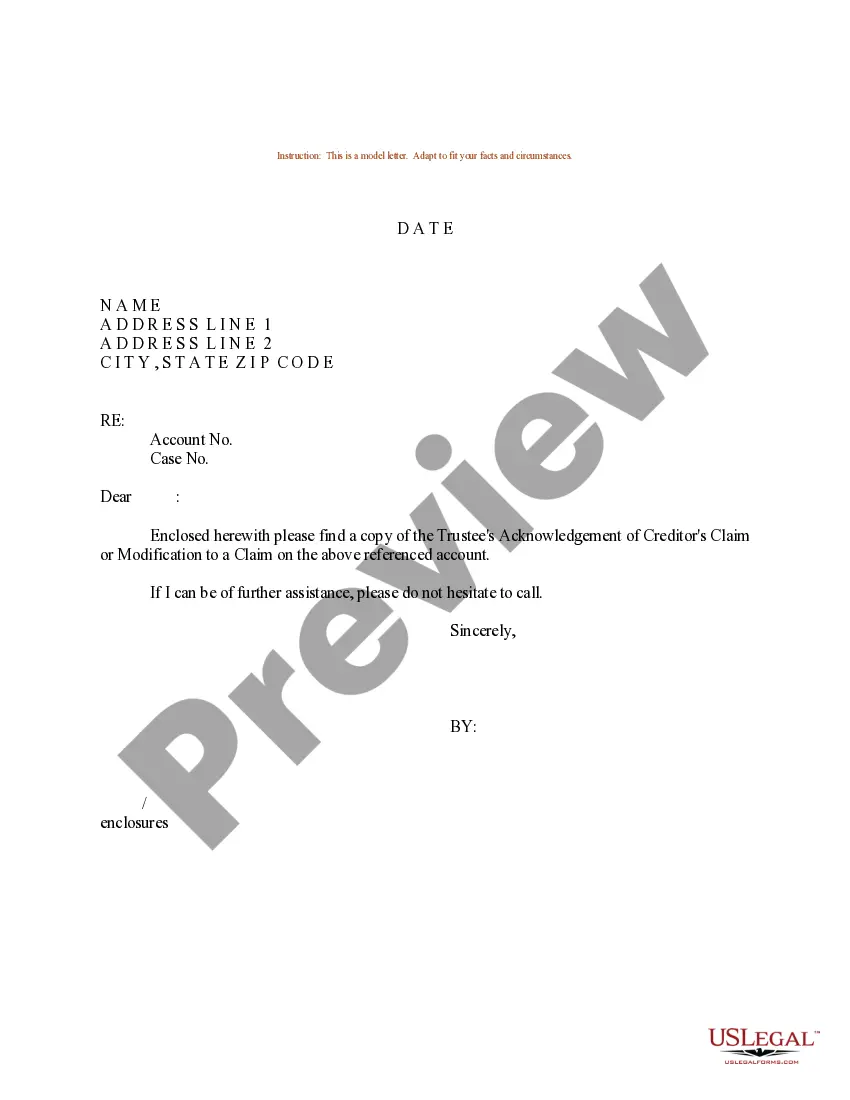
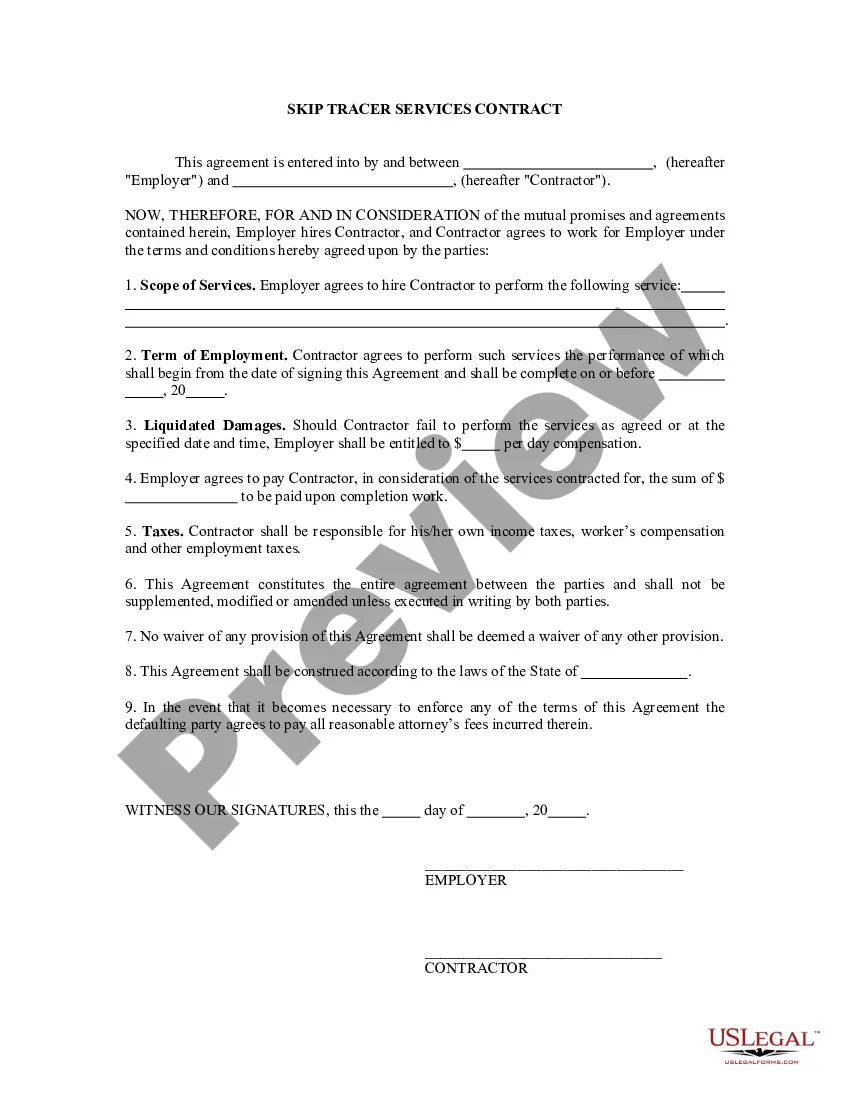

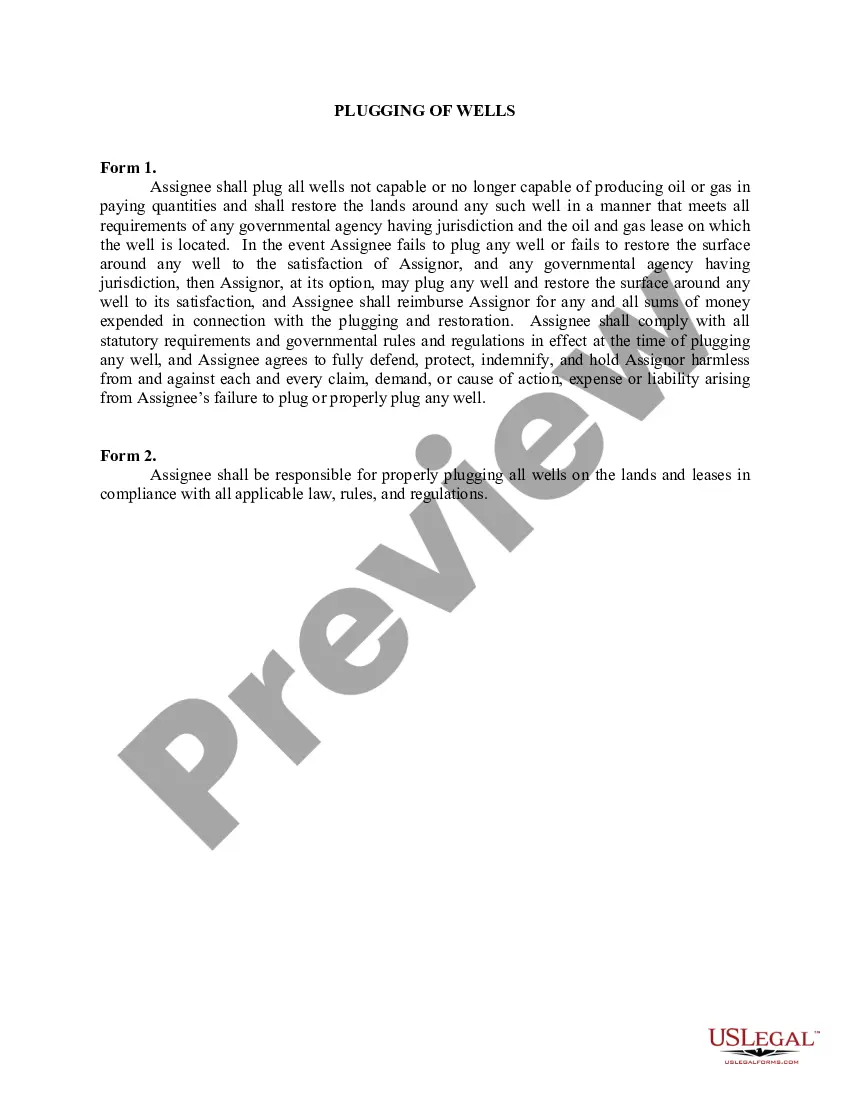
How to fill out Letter To Other Entities Notifying Them Of Death?
Managing legal documentation and processes can be a lengthy addition to your entire day.
Letters Informing of Death With Dignity Act and forms similar to it frequently necessitate you to search for them and navigate the optimal way to finalize them accurately.
For this reason, regardless of whether you are handling financial, legal, or personal affairs, utilizing a comprehensive and user-friendly online directory of forms readily available will be tremendously beneficial.
US Legal Forms is the leading online platform for legal templates, featuring over 85,000 state-specific forms and various resources to aid you in completing your documentation swiftly.
Is this your first time using US Legal Forms? Sign up and set up your account in a few minutes and you’ll gain access to the form directory and Letter Informing of Death With Dignity Act. Then, follow the instructions below to complete your form: Ensure you have identified the correct form by utilizing the Review feature and examining the form details. Select Buy Now when ready, and choose the subscription plan that suits your requirements. Click Download then fill out, sign, and print the form. US Legal Forms has 25 years of experience assisting users in managing their legal documents. Acquire the form you need today and streamline any process effortlessly.
- Browse the collection of pertinent documents available to you with just a single click.
- US Legal Forms offers you state- and county-specific forms available at any time for download.
- Protect your document management operations by utilizing a premium service that enables you to create any form in minutes without any additional or concealed fees.
- Simply Log In to your account, locate Letter Informing of Death With Dignity Act and obtain it instantly in the My documents section.
- You can also access previously downloaded forms.
Form popularity
FAQ
She got two doctors to testify to the fact that she had 6 months or less to live and that she was choosing to die of her own free will. That's required under Washington and Oregon's Death with Dignity laws. But, seconal, the drug that is usually prescribed for aid in dying, costs up to $3,500 for a lethal dose.
The End of Life Option Act allows an adult diagnosed with a terminal disease, who meets certain qualifications, to request the aid-in-dying drugs from their attending physician. The Act requires physicians to submit specified forms and information to the California Department of Public Health (CDPH).
This law allows a terminally-ill adult, California resident to request a drug from his or her physician that will end his or her life. People who choose to end their lives this way, and who carefully follow the steps in the law, will not be considered to have committed suicide.
Be a resident of California, Colorado, the District of Columbia, Hawaii, Maine, New Jersey, New Mexico, Oregon, Vermont, or Washington; Qualify for a prescription under physician-assisted dying laws; Be 18 years of age or older; Be mentally competent and able to communicate to your health care team; and.
The Act as written requires that two physicians agree that the patient is suffering from a terminal disease, the patient is capable of making a decision to request life-ending medication, and the patient has made an informed decision.