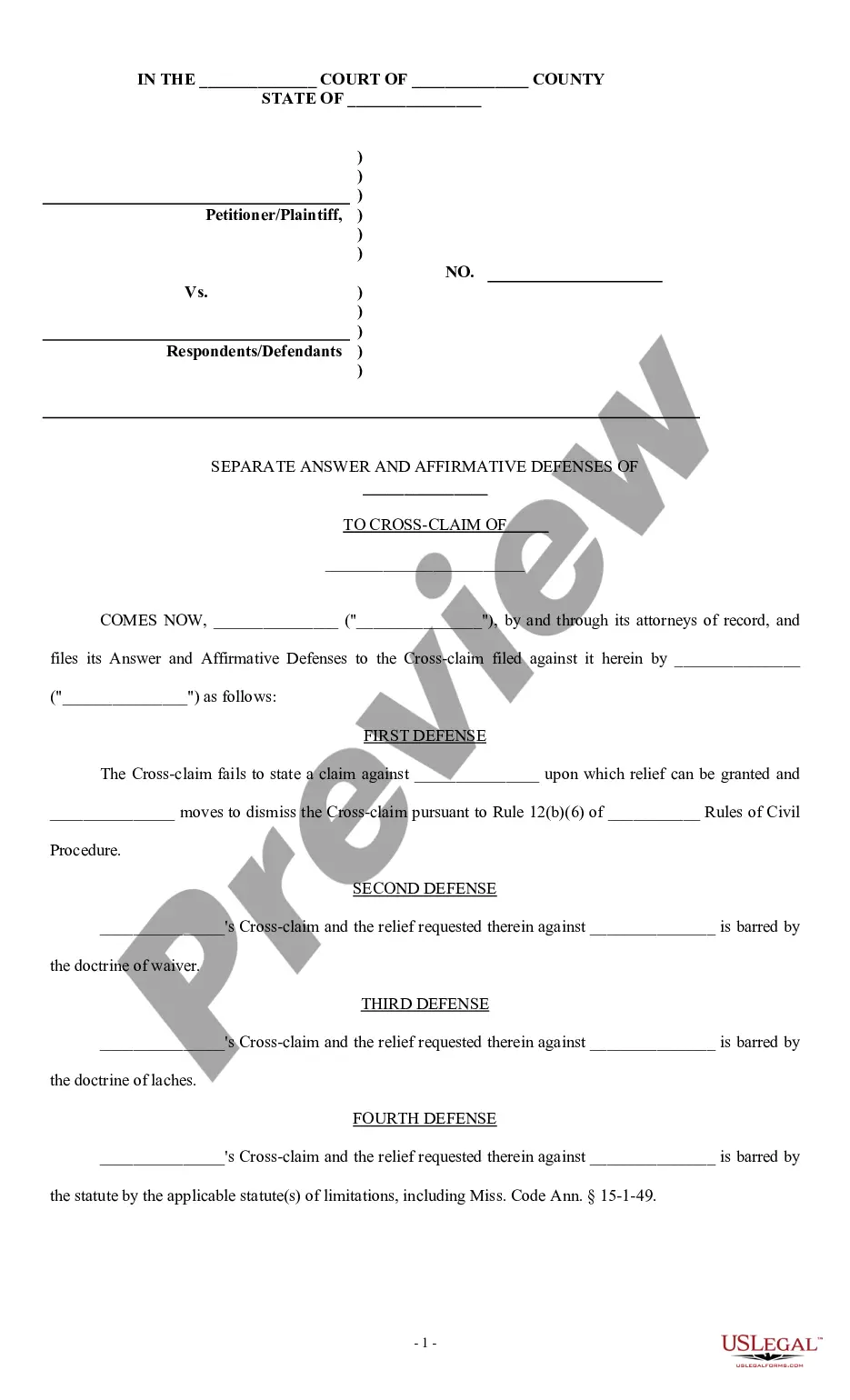
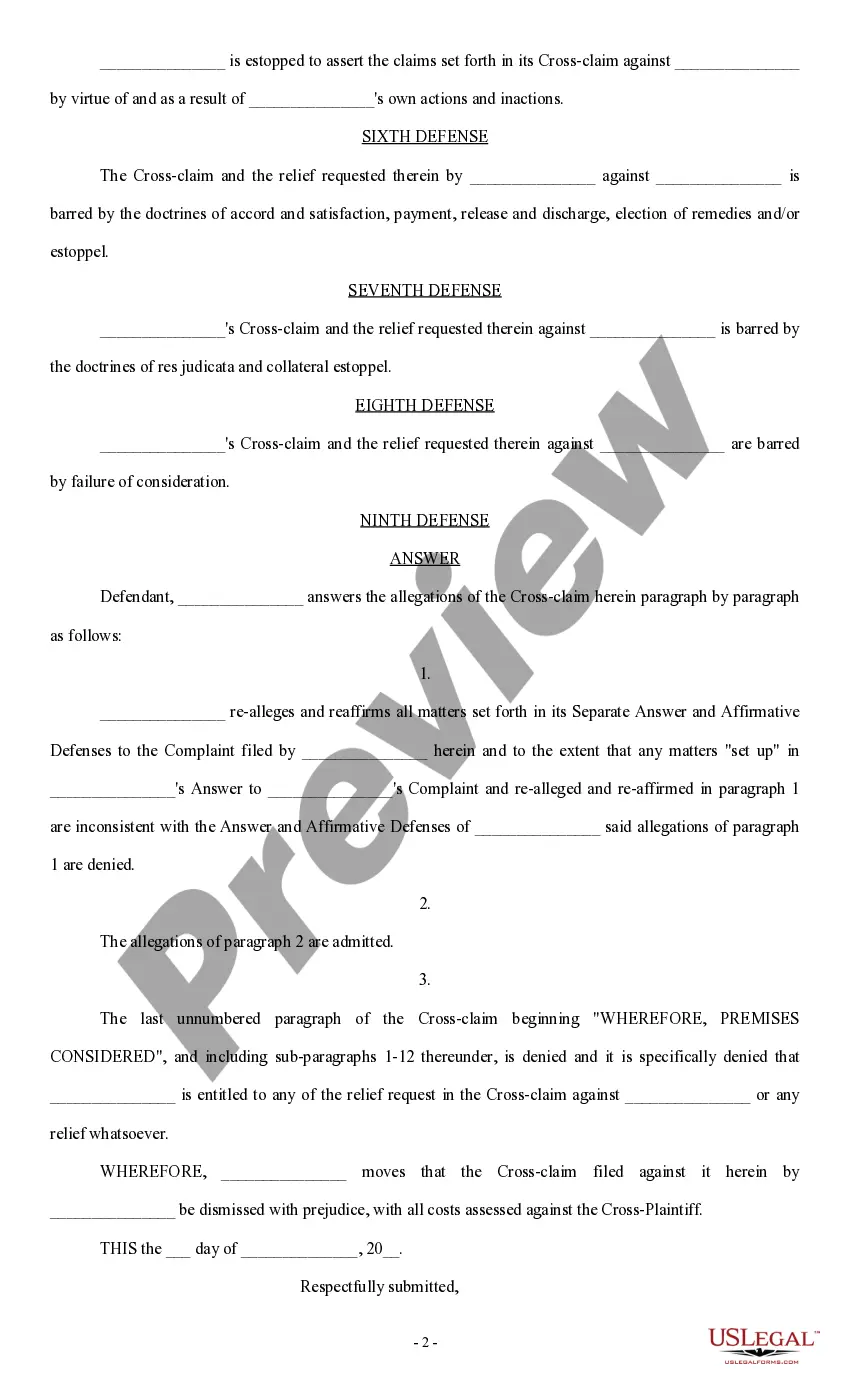
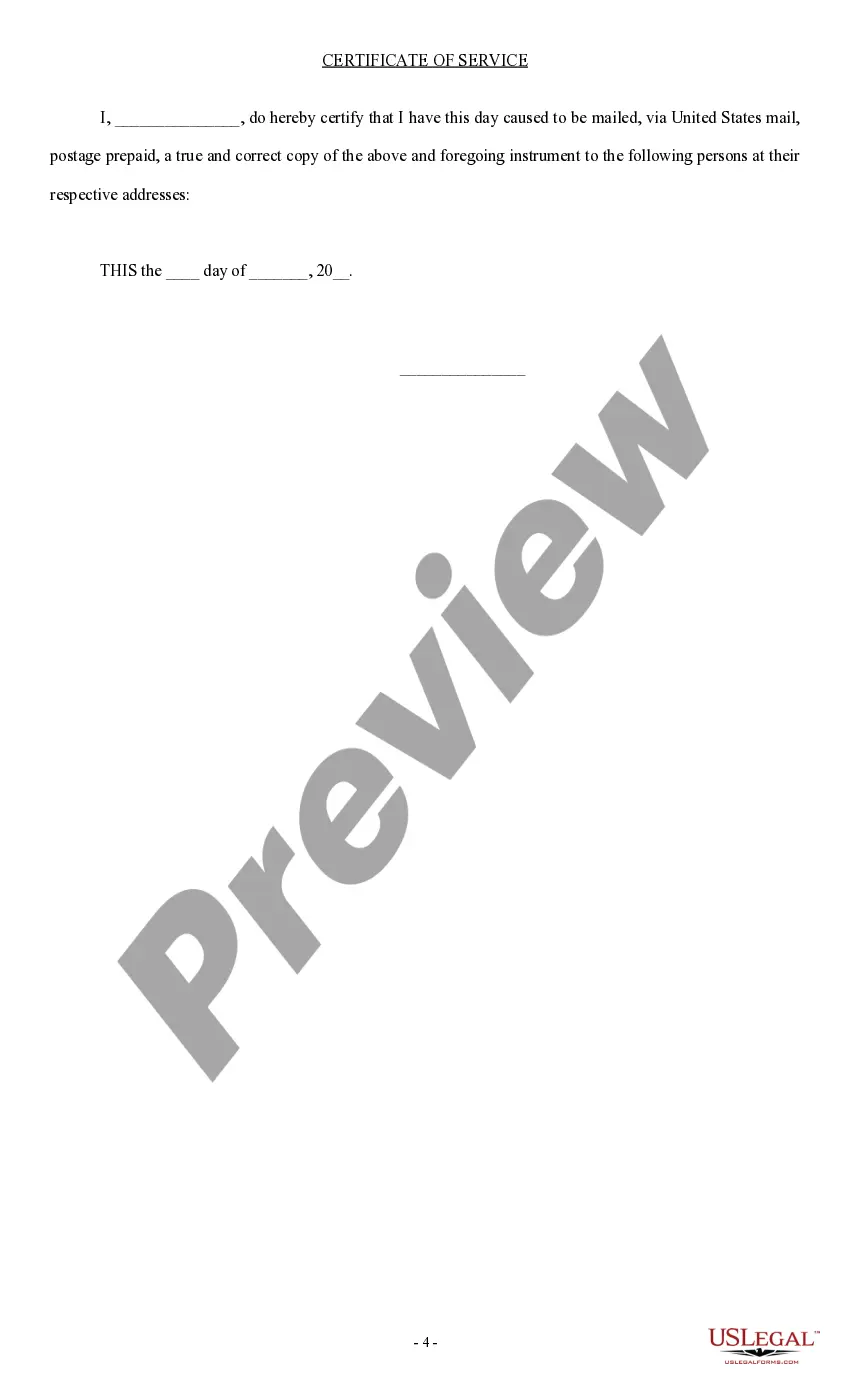
Affirmative Defenses Template For Debt Collection Lawsuit
Description
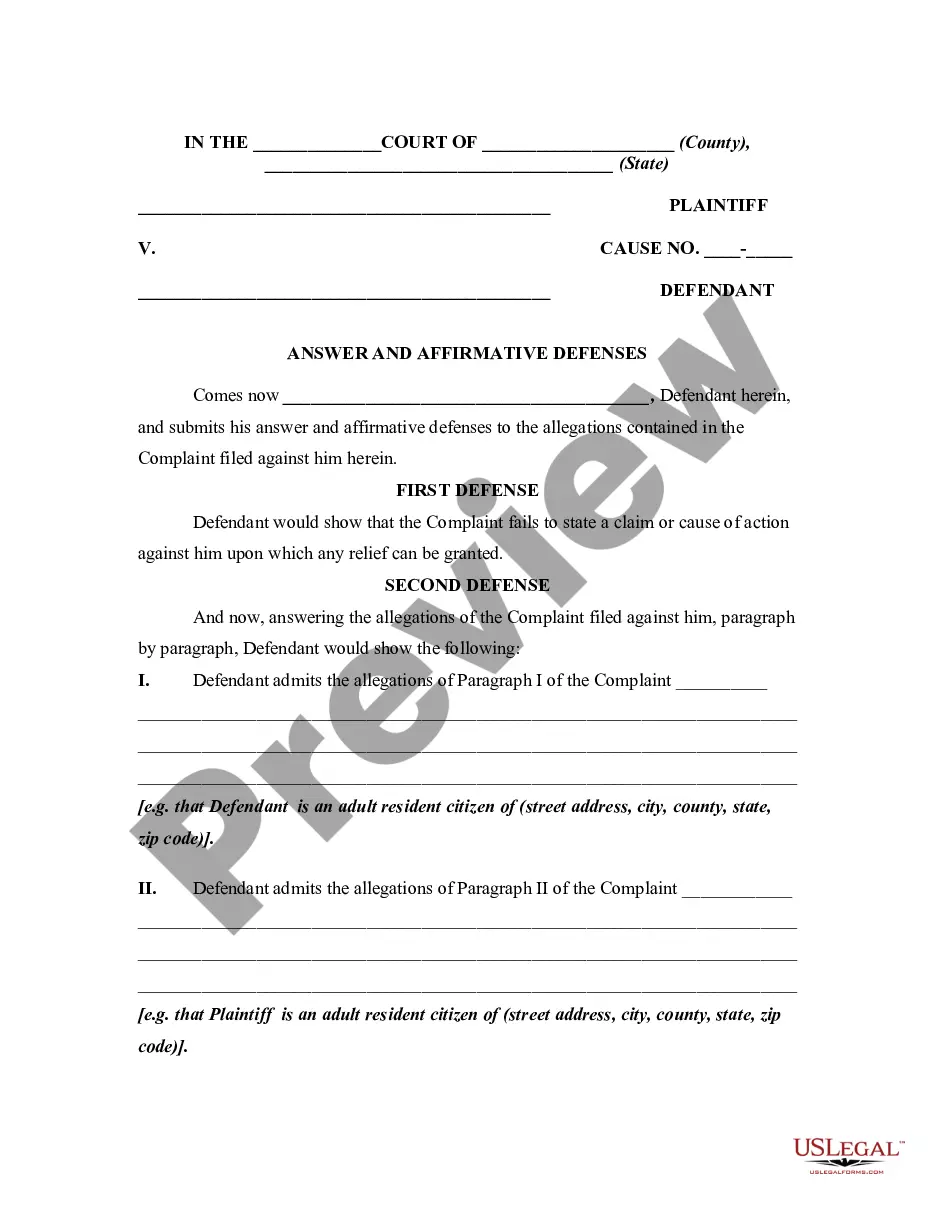
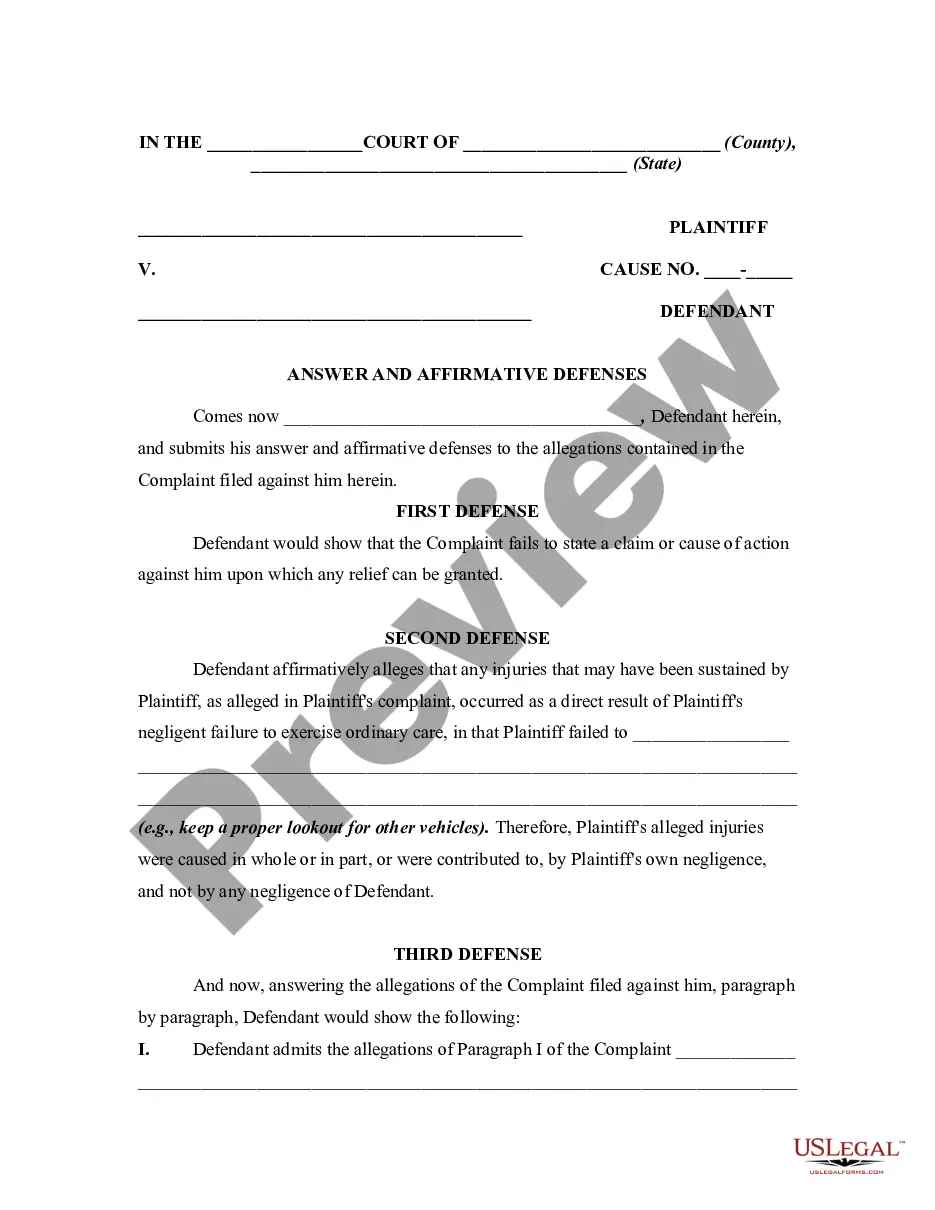
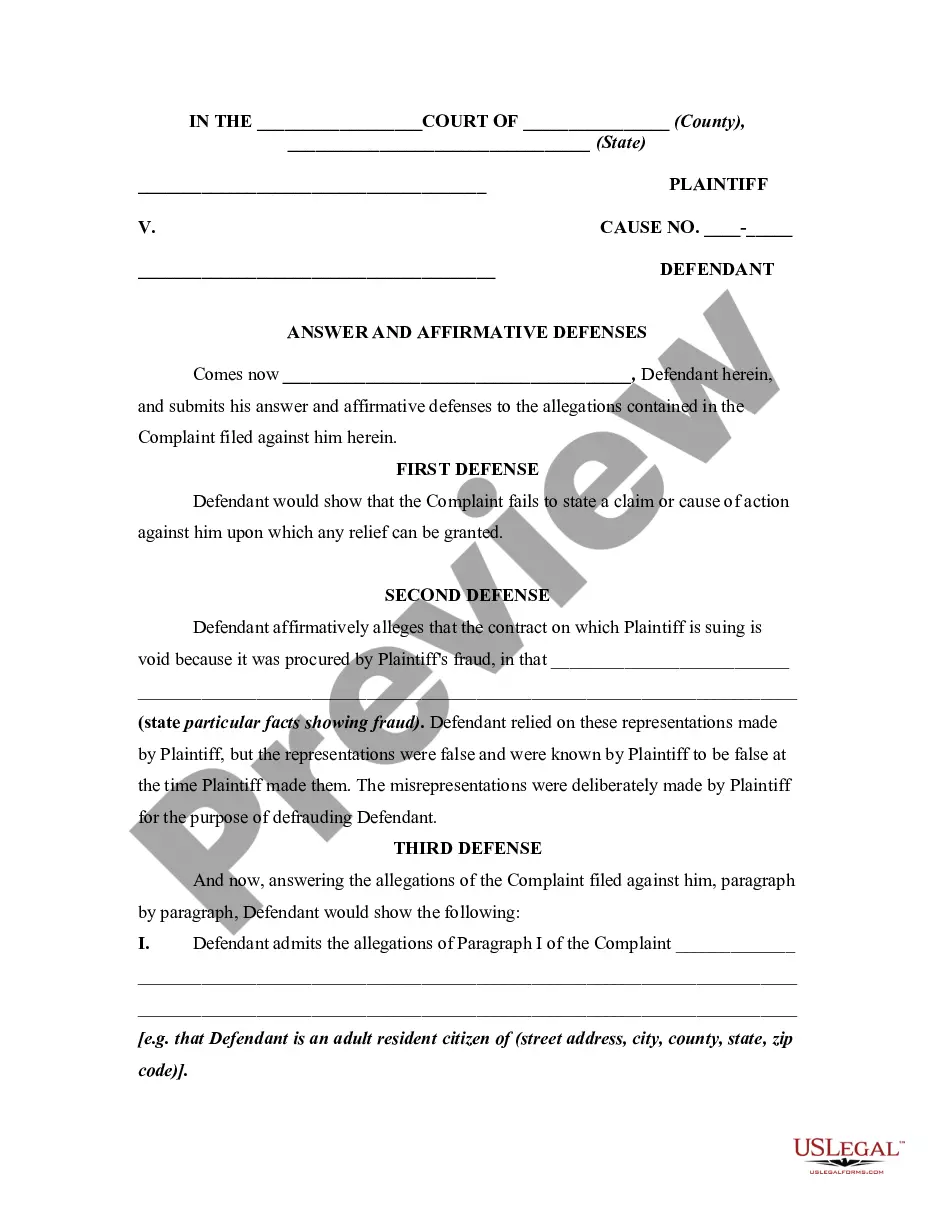
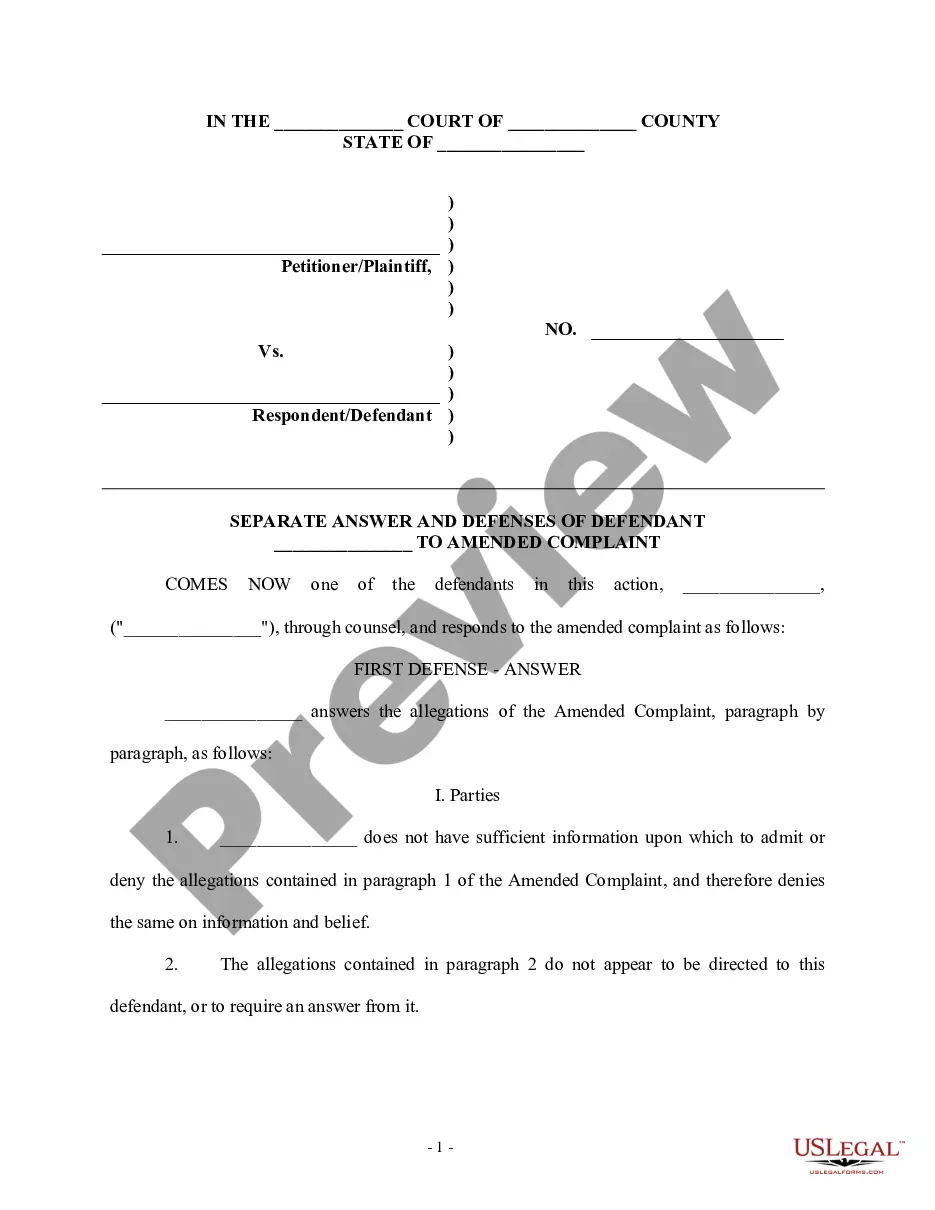
Get your form ready online
Our built-in tools help you complete, sign, share, and store your documents in one place.
Make edits, fill in missing information, and update formatting in US Legal Forms—just like you would in MS Word.
Download a copy, print it, send it by email, or mail it via USPS—whatever works best for your next step.
Sign and collect signatures with our SignNow integration. Send to multiple recipients, set reminders, and more. Go Premium to unlock E-Sign.
If this form requires notarization, complete it online through a secure video call—no need to meet a notary in person or wait for an appointment.
We protect your documents and personal data by following strict security and privacy standards.

Make edits, fill in missing information, and update formatting in US Legal Forms—just like you would in MS Word.

Download a copy, print it, send it by email, or mail it via USPS—whatever works best for your next step.

Sign and collect signatures with our SignNow integration. Send to multiple recipients, set reminders, and more. Go Premium to unlock E-Sign.

If this form requires notarization, complete it online through a secure video call—no need to meet a notary in person or wait for an appointment.

We protect your documents and personal data by following strict security and privacy standards.
Looking for another form?
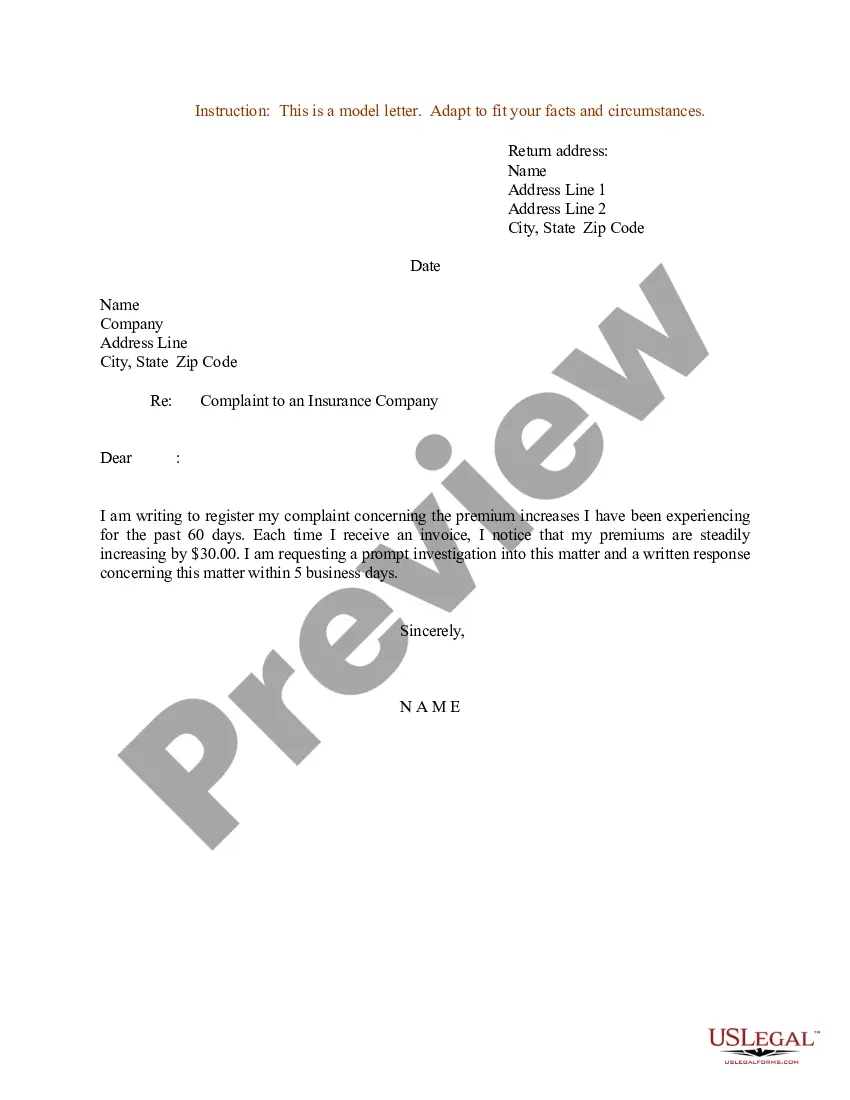


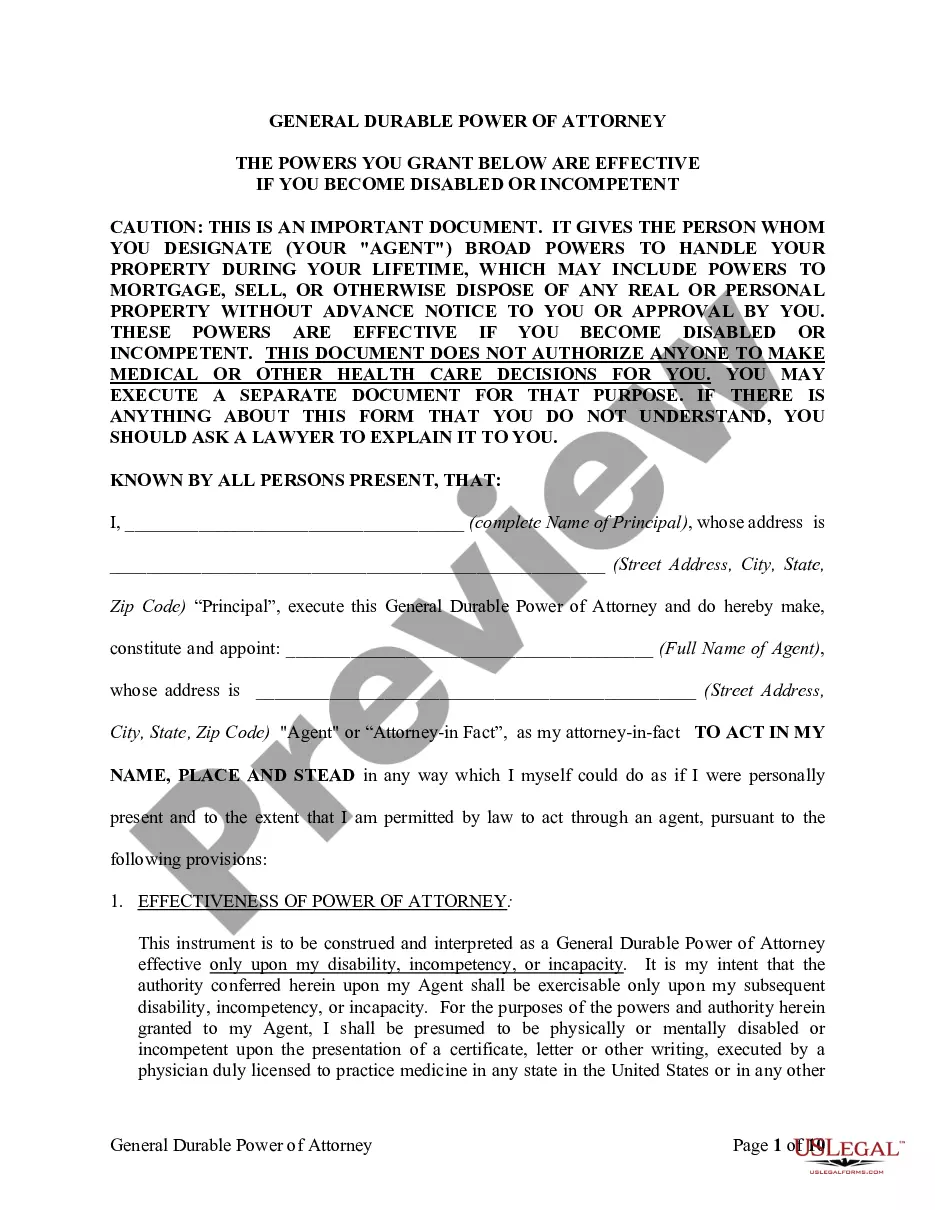

How to fill out Separate Answer And Affirmative Defenses To Crossclaim?
Managing legal paperwork and activities can be a lengthy addition to your schedule.
Affirmative Defenses Template for Debt Collection Lawsuit and similar forms typically necessitate that you search for them and find the most effective way to fill them out accurately.
Therefore, whether you are addressing financial, legal, or personal issues, having a comprehensive and user-friendly online catalog of forms readily available will be very beneficial.
US Legal Forms is the top online platform for legal templates, boasting over 85,000 state-specific documents and a variety of resources to help you complete your paperwork effortlessly.
Is this your first experience with US Legal Forms? Sign up and create your account in just a few minutes to access the form catalog and the Affirmative Defenses Template for Debt Collection Lawsuit. Then, follow the steps below to fill out your form.
- Explore the catalog of relevant documents accessible to you with just a click.
- US Legal Forms provides state- and county-specific forms available for download at any time.
- Protect your document management processes with a premium service that enables you to prepare any form in minutes without any additional or concealed fees.
- Simply Log In to your account, search for Affirmative Defenses Template for Debt Collection Lawsuit and obtain it directly from the My documents section.
- You can also revisit previously downloaded documents.
Form popularity
FAQ
While a letter of intent is not a legal document and need not be notarized, it is wise to discuss what it should include with a well-informed estate planning attorney before you begin.
A court relies on two factors when determining if a letter of intent is binding: written expressions of intent present in the letter and demonstrative actions taken by both parties after the letter of intent is signed. If the letter is treated as a contract, it could be ruled binding.
A letter of intent is generally not binding since it's basically a description of the deal process. It is, in effect, an agreement to agree. Thus, either party can cancel the letter at any time.
A letter of intent is a document outlining the intentions of two or more parties to do business together; it is often non-binding unless the language in the document specifies that the companies are legally bound to the terms.
The LOI must be concise yet engaging. Use your words smartly. Avoid jargon, adjectives, flowery subjective statements that are not supported by facts. Write a logical, persuasive argument emphasizing how this project can help solve a significant problem or void in the knowledge base.
Who Initiates a Letter of Intent and Who Signs it? A buyer will typically initiate a letter of intent. They may get assistance from their attorney in drafting the letter of intent. Once both the buyer and seller have come to agreement on the terms in the LOI, both the seller and the buyer will sign it.
Much like a cover letter, a letter of intent is a general overview of your industry-specific skills, experience and the reasons you're interested in working for a specific employer. This type of letter, also known as an intent letter or letter of interest, focuses on the company more than your skills.
A letter of Intent (LOI) is a special type of agreement that doesn't always require a signing. It acts as a way for one party to deliver their intentions to buy or sell something.