Affirmative Defenses For Debt Collection Lawsuit
Description
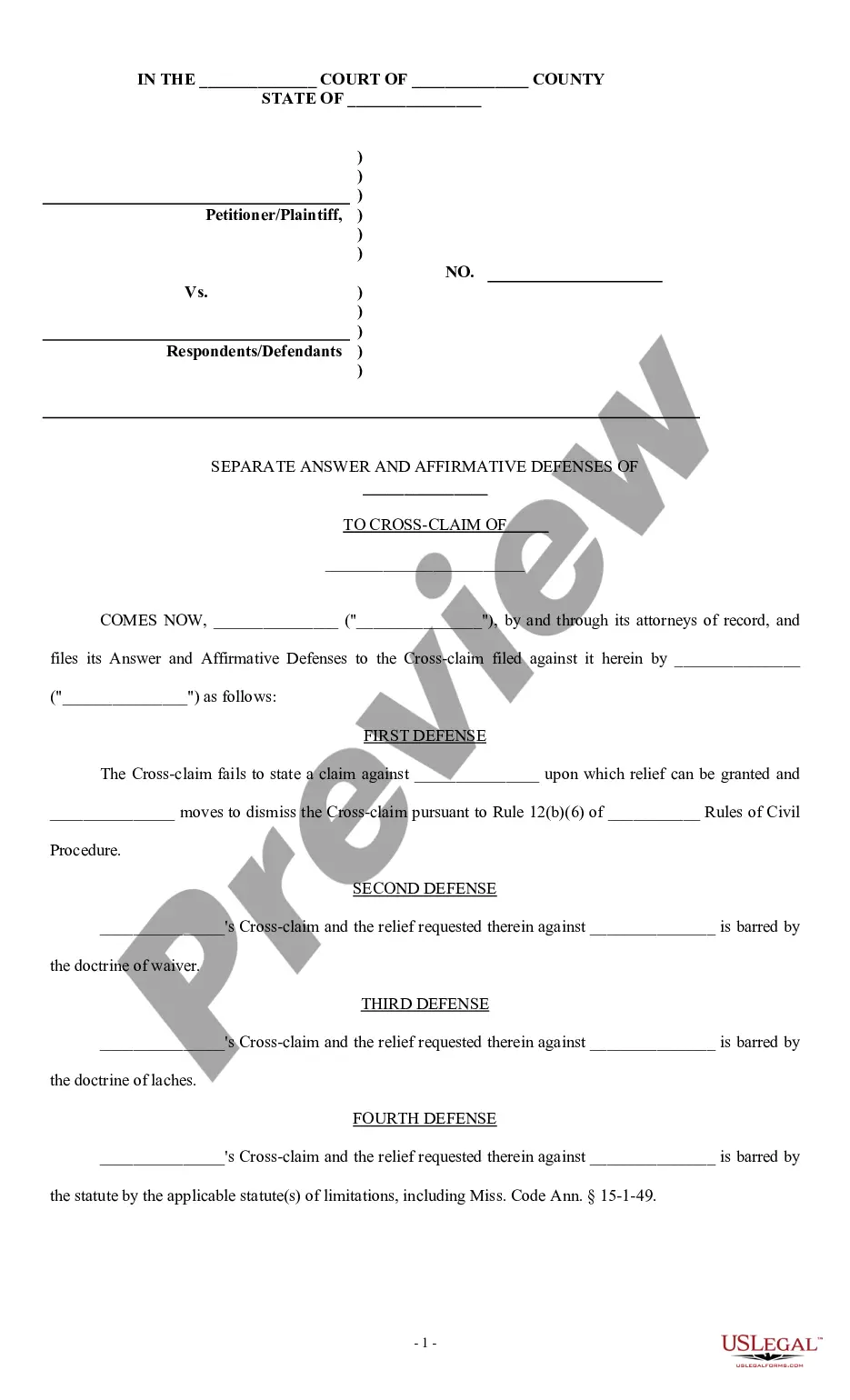
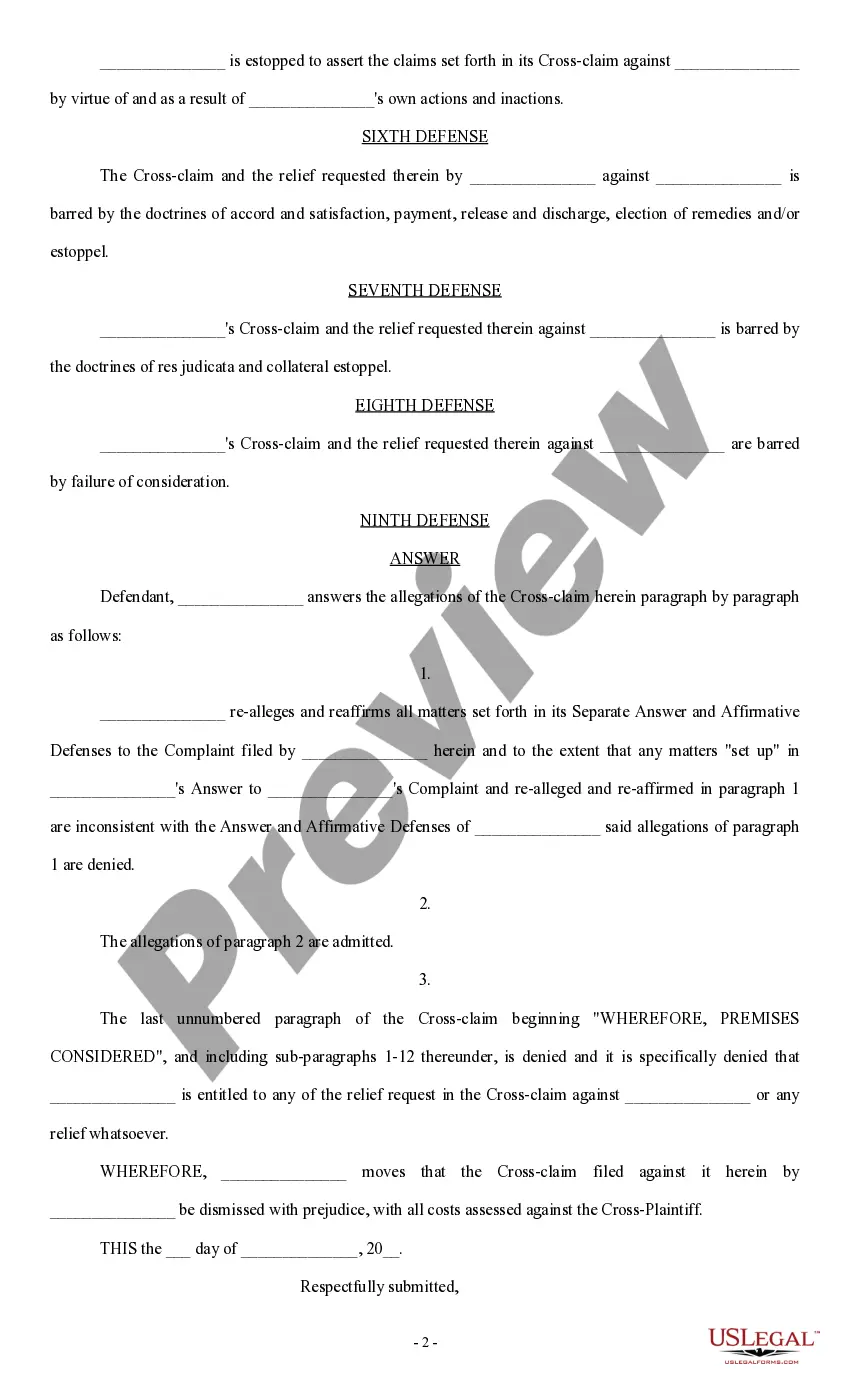
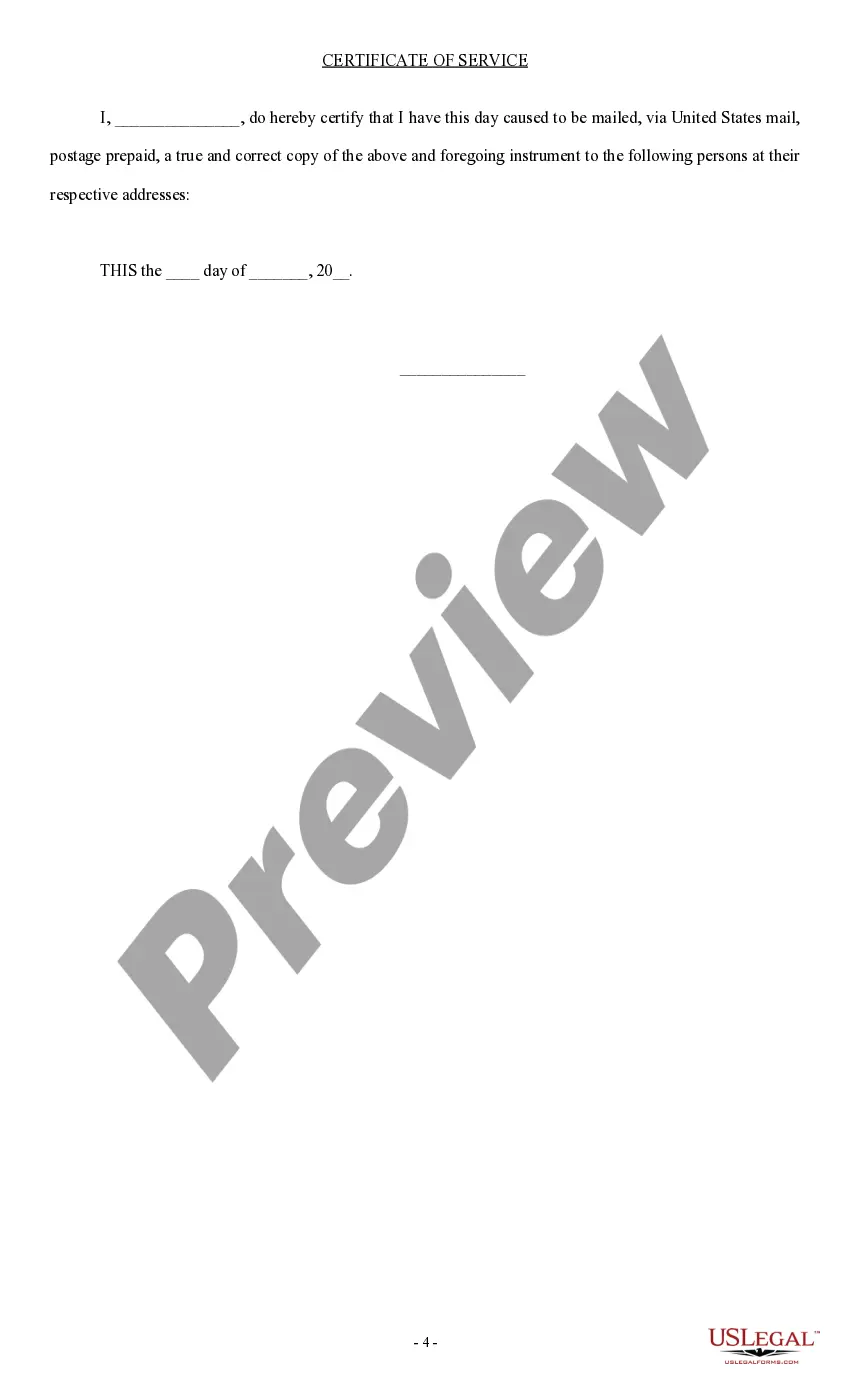
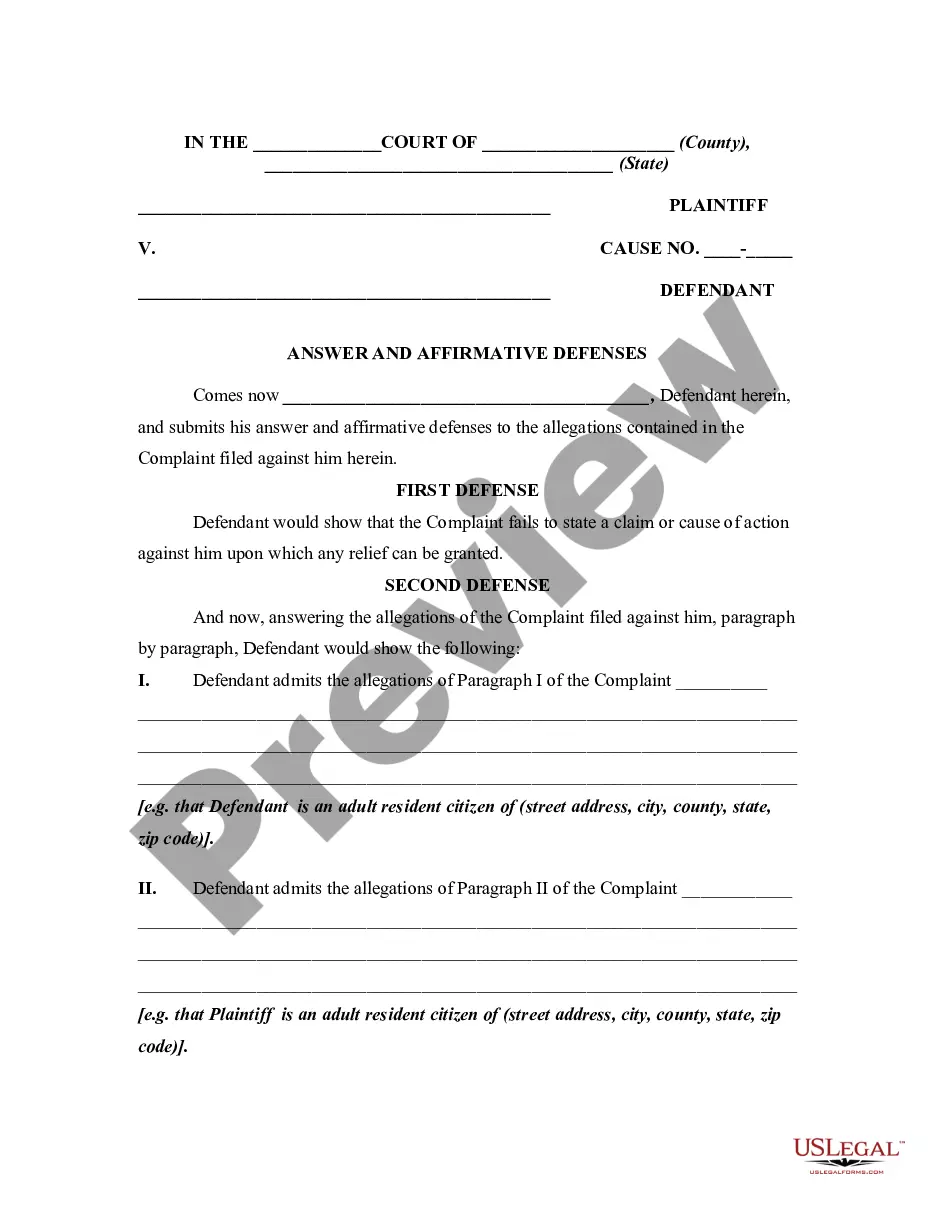
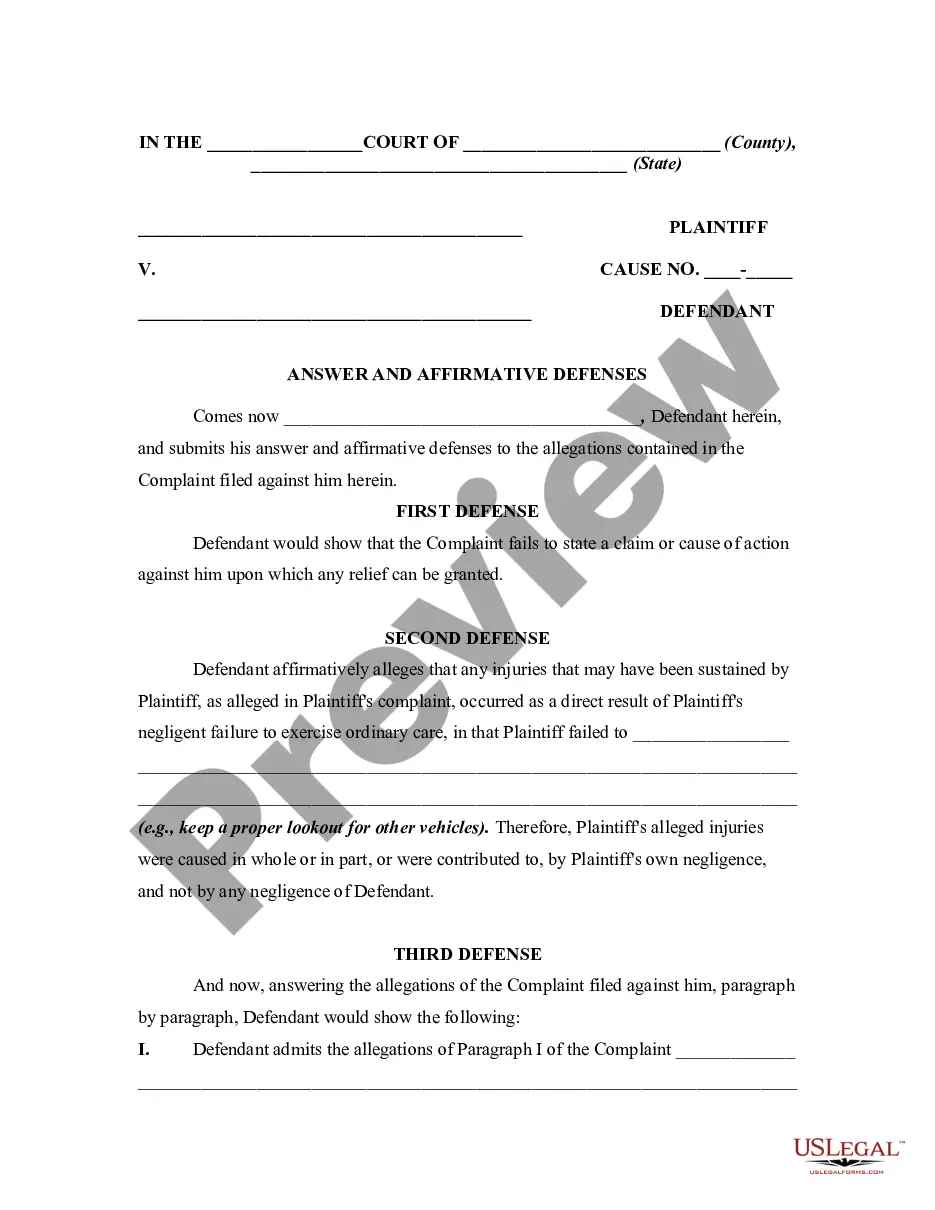
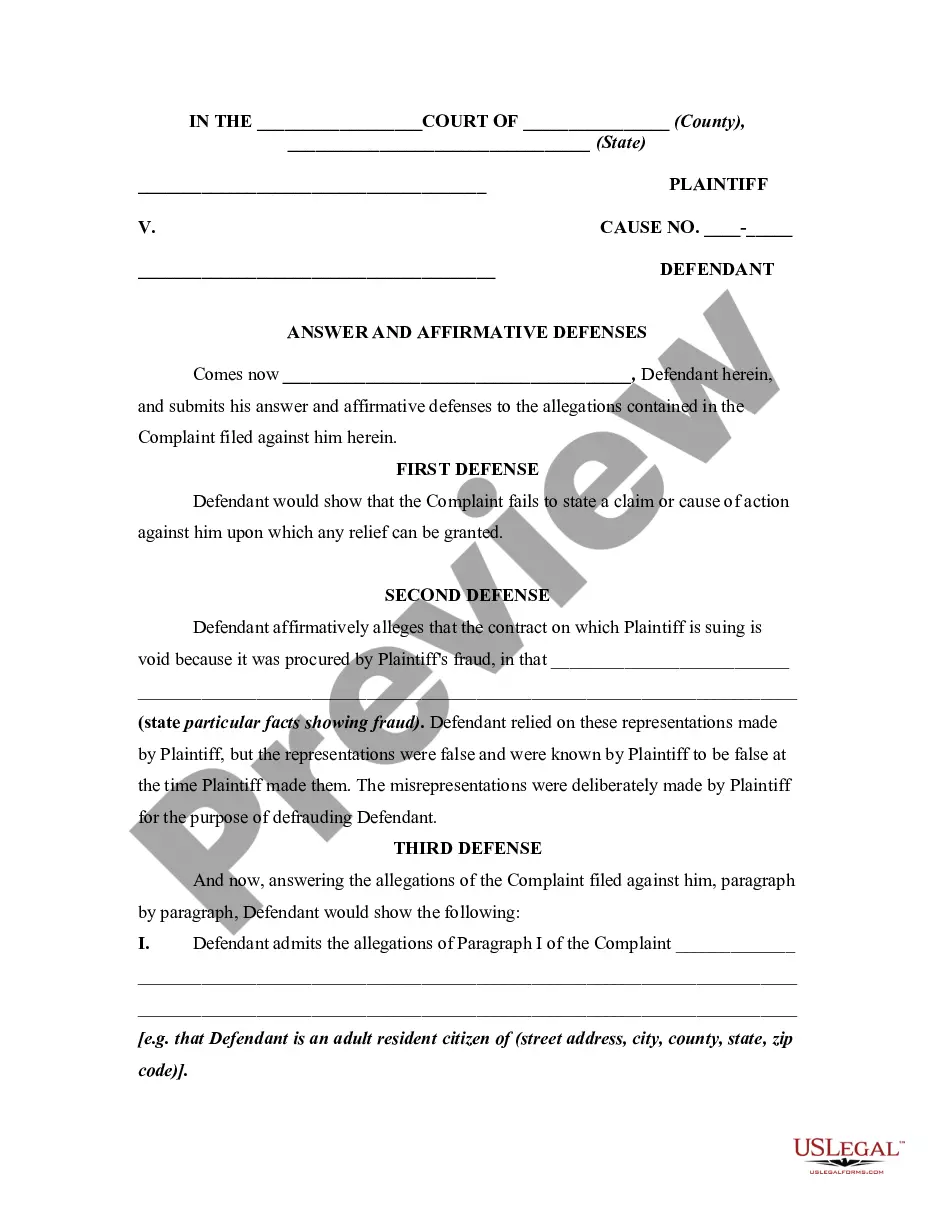
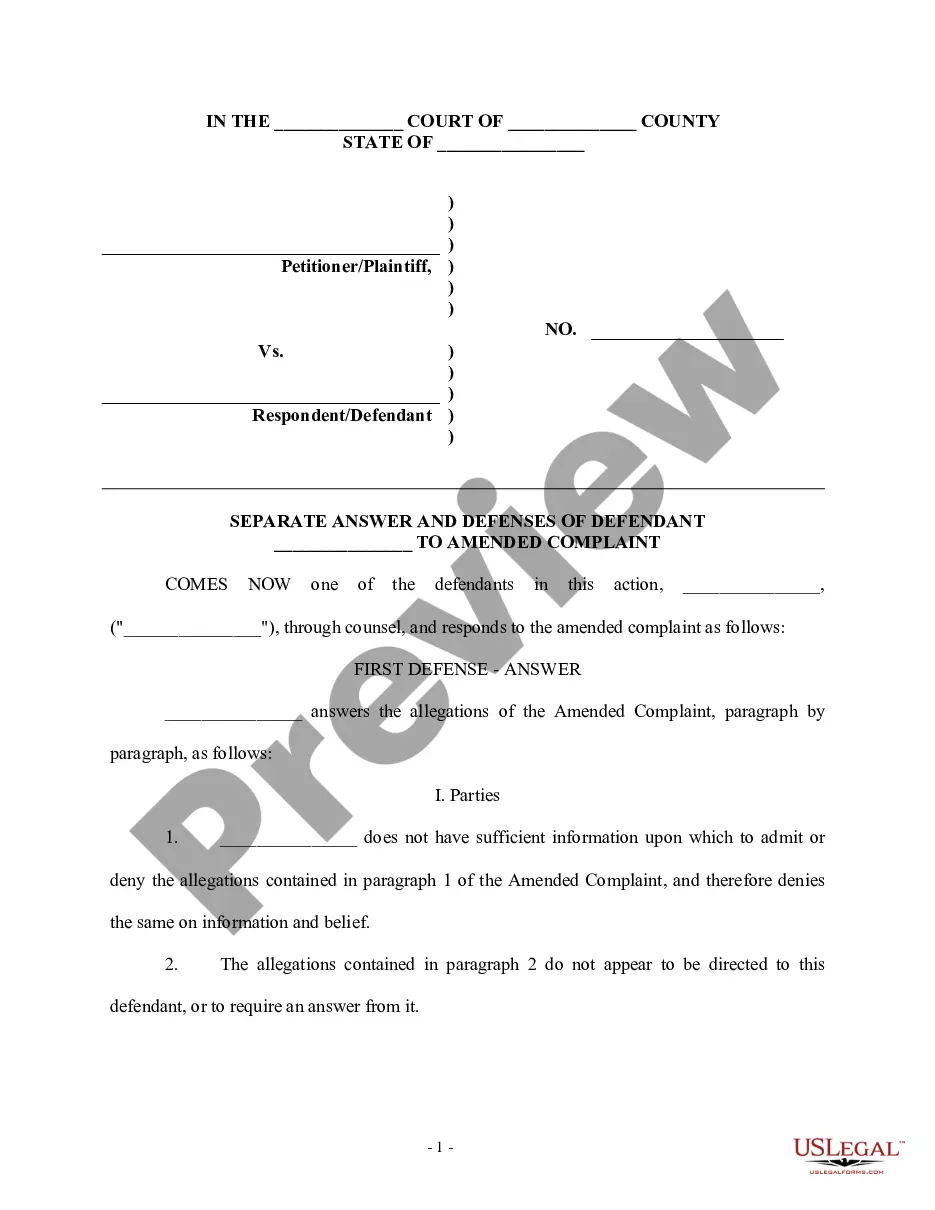
Get your form ready online
Our built-in tools help you complete, sign, share, and store your documents in one place.
Make edits, fill in missing information, and update formatting in US Legal Forms—just like you would in MS Word.
Download a copy, print it, send it by email, or mail it via USPS—whatever works best for your next step.
Sign and collect signatures with our SignNow integration. Send to multiple recipients, set reminders, and more. Go Premium to unlock E-Sign.
If this form requires notarization, complete it online through a secure video call—no need to meet a notary in person or wait for an appointment.
We protect your documents and personal data by following strict security and privacy standards.

Make edits, fill in missing information, and update formatting in US Legal Forms—just like you would in MS Word.

Download a copy, print it, send it by email, or mail it via USPS—whatever works best for your next step.

Sign and collect signatures with our SignNow integration. Send to multiple recipients, set reminders, and more. Go Premium to unlock E-Sign.

If this form requires notarization, complete it online through a secure video call—no need to meet a notary in person or wait for an appointment.

We protect your documents and personal data by following strict security and privacy standards.
Looking for another form?
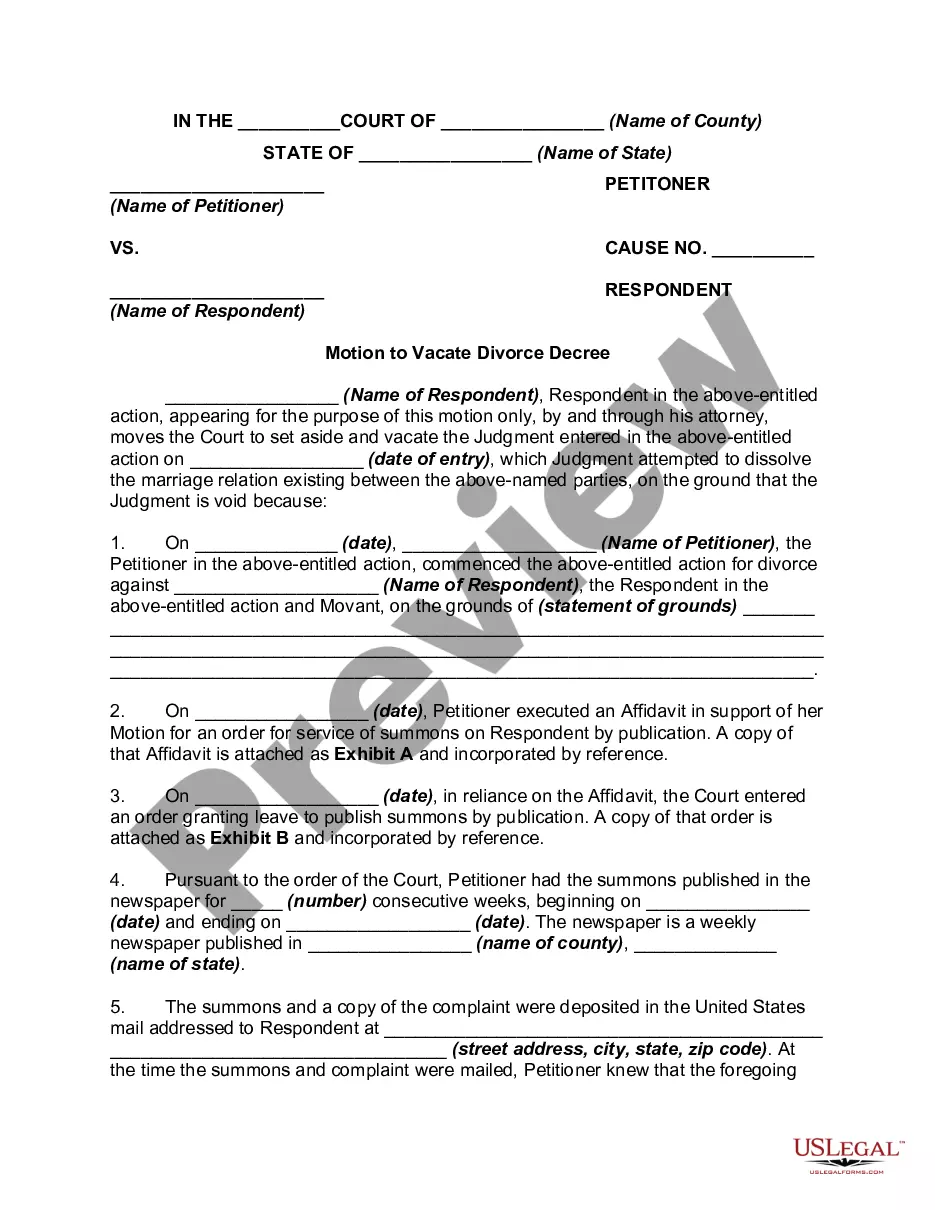

How to fill out Separate Answer And Affirmative Defenses To Crossclaim?
The Affirmative Defenses For Debt Collection Lawsuit presented on this webpage is a reusable formal template crafted by experienced lawyers in accordance with federal and local statutes and ordinances.
For over 25 years, US Legal Forms has supplied individuals, organizations, and legal practitioners with more than 85,000 authenticated, state-specific forms for any business and personal situation. It’s the fastest, simplest, and most dependable method to acquire the documents you require, as the service ensures the utmost level of data security and anti-malware safeguards.
Join US Legal Forms to have validated legal templates for all of life’s circumstances at your fingertips.
- Search for the document you require and review it.
- Browse through the example you found and preview it or review the form description to confirm it meets your needs. If it does not, utilize the search function to locate the suitable one. Click Buy Now after you have discovered the template you need.
- Subscribe and Log In.
- Select the pricing package that works for you and create an account. Use PayPal or a credit card to make a swift payment. If you already possess an account, Log In and verify your subscription to proceed.
- Obtain the fillable template.
- Choose the format you prefer for your Affirmative Defenses For Debt Collection Lawsuit (PDF, Word, RTF) and save the document on your device.
- Complete and sign the document.
- Print the template to fill it out by hand. Alternatively, utilize an online multi-functional PDF editor to swiftly and accurately complete and sign your form with an eSignature.
- Download your documents once more.
- Use the same document again whenever required. Open the My documents tab in your profile to redownload any previously purchased templates.
Form popularity
FAQ
Striking affirmative defenses involves submitting a motion to the court that outlines the reasons why the defenses should be dismissed. You must clearly articulate how each defense fails to meet legal standards or is irrelevant to the case. This motion is supported by case law and factual arguments that strengthen your position. Using legal services like USLegalForms can streamline this process, making it easier to create a well-documented motion.
In Florida, you typically have 20 days from the time you receive the response containing the affirmative defenses to file a motion to strike. This strict timeline is crucial as it ensures that all parties remain aware of the claims and defenses being presented. Prompt action allows you to address any defenses that lack legal basis before proceeding further in the lawsuit. Timing is essential when dealing with affirmative defenses for a debt collection lawsuit.
Yes, you can file a motion to dismiss an affirmative defense in a debt collection lawsuit. This motion challenges the legal sufficiency of the defense presented by the opposing party. If the court finds that the affirmative defense is not valid or relevant, it can dismiss it. This process enhances your position in the lawsuit and can simplify the issues at hand.
To establish an affirmative defense for a debt collection lawsuit, you must provide evidence that negates the plaintiff's claims. This includes demonstrating facts that, if proven true, can protect you from liability. Common examples of affirmative defenses include proving that the debt is invalid or that the statute of limitations has expired. Essentially, this defense shifts the burden of proof to the creditor.
A debt typically becomes uncollectible after a certain time period, often around six to seven years, depending on state laws. Once this timeframe expires, a creditor generally cannot legally pursue the debt in court. This is an important consideration when exploring affirmative defenses for debt collection lawsuits, as time-barred debts are not enforceable. If you're unsure about your specific situation, US Legal Forms can provide guidance and resources to help you understand your options.
The 777 rule refers to a guideline that protects consumers from aggressive debt collection practices. Under this rule, debt collectors must adhere to specific communication timeframes and protocols, ensuring respect for your rights. This is crucial when considering affirmative defenses for debt collection lawsuits, as it can help you identify potential violations in how the debt was collected. Understanding these protections can empower you to respond effectively to any debt collection efforts.
Affirmative defenses against debt collectors can protect you during a lawsuit. Some common defenses include proving that the debt is not yours, that the collection methods were unlawful, or that you did not receive proper notice of the debt. It is crucial to be aware of your rights in debt collection lawsuits. The USLegalForms platform offers resources to help you navigate these defenses effectively and confidently.
The burden of proof for an affirmative defense usually lies with the defendant, meaning you must provide evidence to support your claim. This includes demonstrating your reasons for contesting the debt or the collection methods. By utilizing affirmative defenses for debt collection lawsuit, you enhance your ability to challenge the allegations and potentially achieve a favorable outcome.
The five common affirmative defenses include the statute of limitations, improper service, payment, fraud, and lack of standing. Each of these defenses challenges the validity of the debt or the collection process. Effectively raising these defenses can help protect you in a debt collection lawsuit, emphasizing the significance of affirmative defenses for debt collection lawsuit.
The 777 rule refers to the Fair Debt Collection Practices Act, which outlines guidelines that debt collectors must follow. Under this rule, any communication from a debt collector must be balanced and truthful, preventing harassment or misleading information. Understanding this rule empowers you to recognize and utilize affirmative defenses for debt collection lawsuit when necessary.