Policy Regard Computers Sample Format
Description

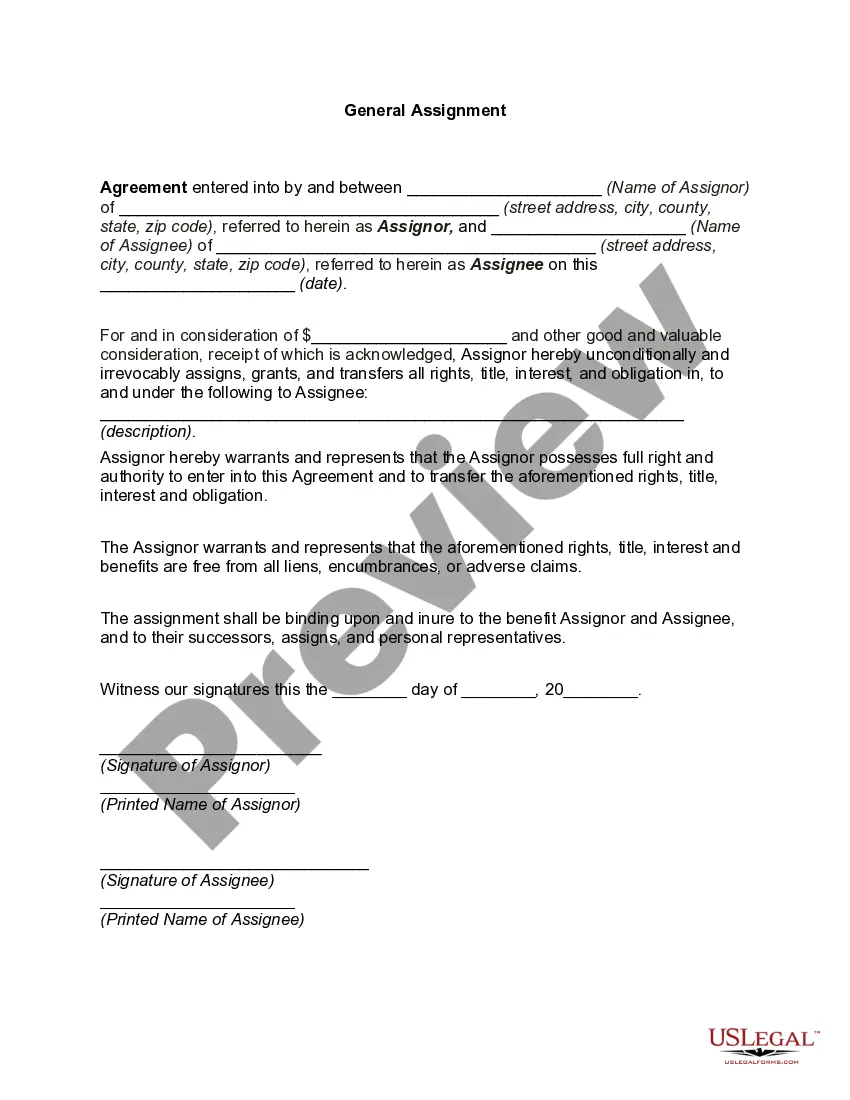
How to fill out Detailed And Specific Policy With Regard To Use Of Company Computers?
Getting a go-to place to take the most current and relevant legal templates is half the struggle of dealing with bureaucracy. Finding the right legal documents demands accuracy and attention to detail, which is the reason it is vital to take samples of Policy Regard Computers Sample Format only from reliable sources, like US Legal Forms. A wrong template will waste your time and delay the situation you are in. With US Legal Forms, you have little to worry about. You may access and see all the information regarding the document’s use and relevance for your circumstances and in your state or county.
Consider the listed steps to complete your Policy Regard Computers Sample Format:
- Use the catalog navigation or search field to locate your template.
- View the form’s information to ascertain if it matches the requirements of your state and region.
- View the form preview, if available, to make sure the template is the one you are looking for.
- Go back to the search and look for the proper template if the Policy Regard Computers Sample Format does not fit your needs.
- If you are positive regarding the form’s relevance, download it.
- When you are an authorized user, click Log in to authenticate and gain access to your picked forms in My Forms.
- If you do not have a profile yet, click Buy now to get the form.
- Choose the pricing plan that suits your preferences.
- Proceed to the registration to complete your purchase.
- Finalize your purchase by choosing a transaction method (credit card or PayPal).
- Choose the document format for downloading Policy Regard Computers Sample Format.
- Once you have the form on your device, you can alter it with the editor or print it and finish it manually.
Remove the inconvenience that comes with your legal paperwork. Discover the extensive US Legal Forms library to find legal templates, examine their relevance to your circumstances, and download them immediately.
Form popularity
FAQ
Some examples include a company's social media policy, a school district's bullying policy, an organization's diversity and inclusion policy, or a company's code of conduct policy.
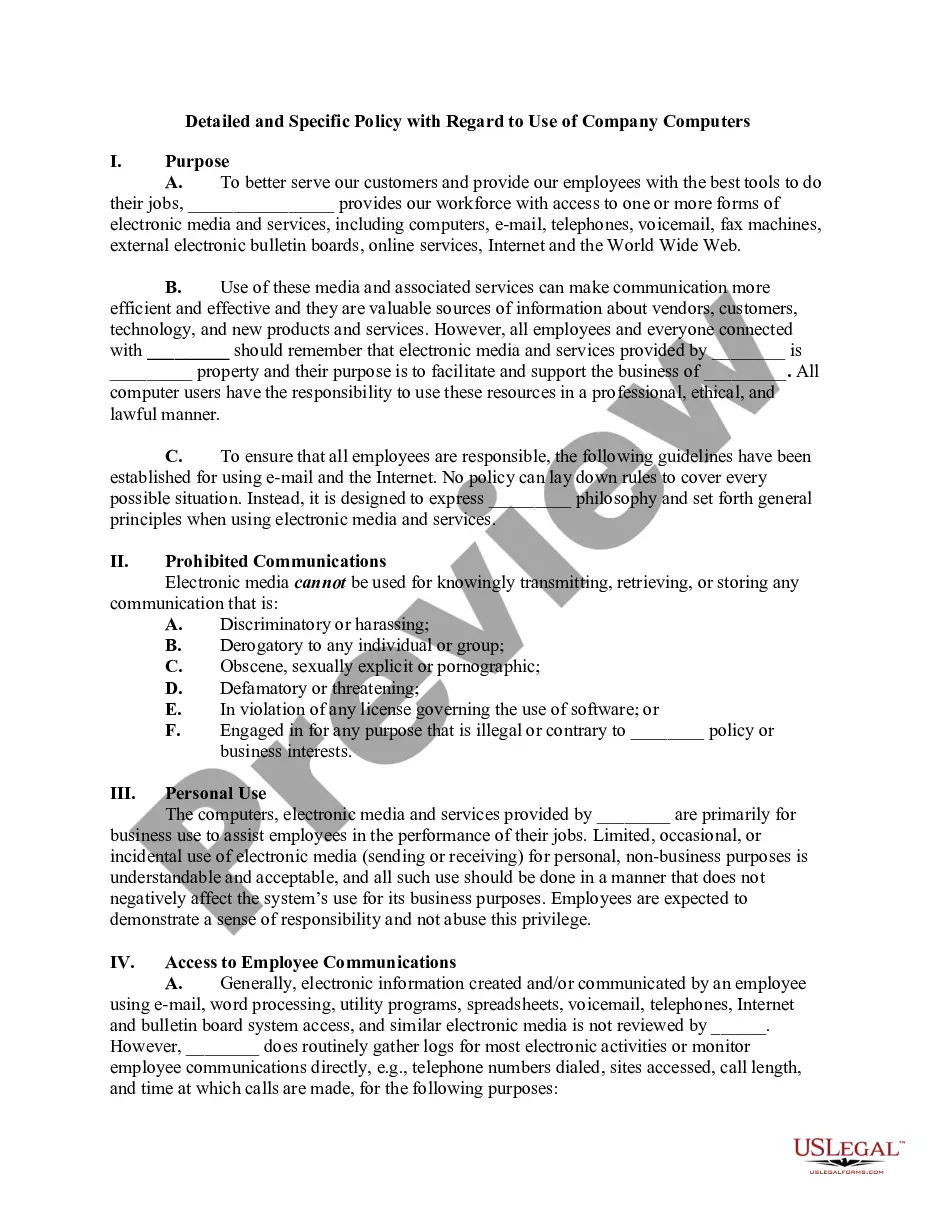
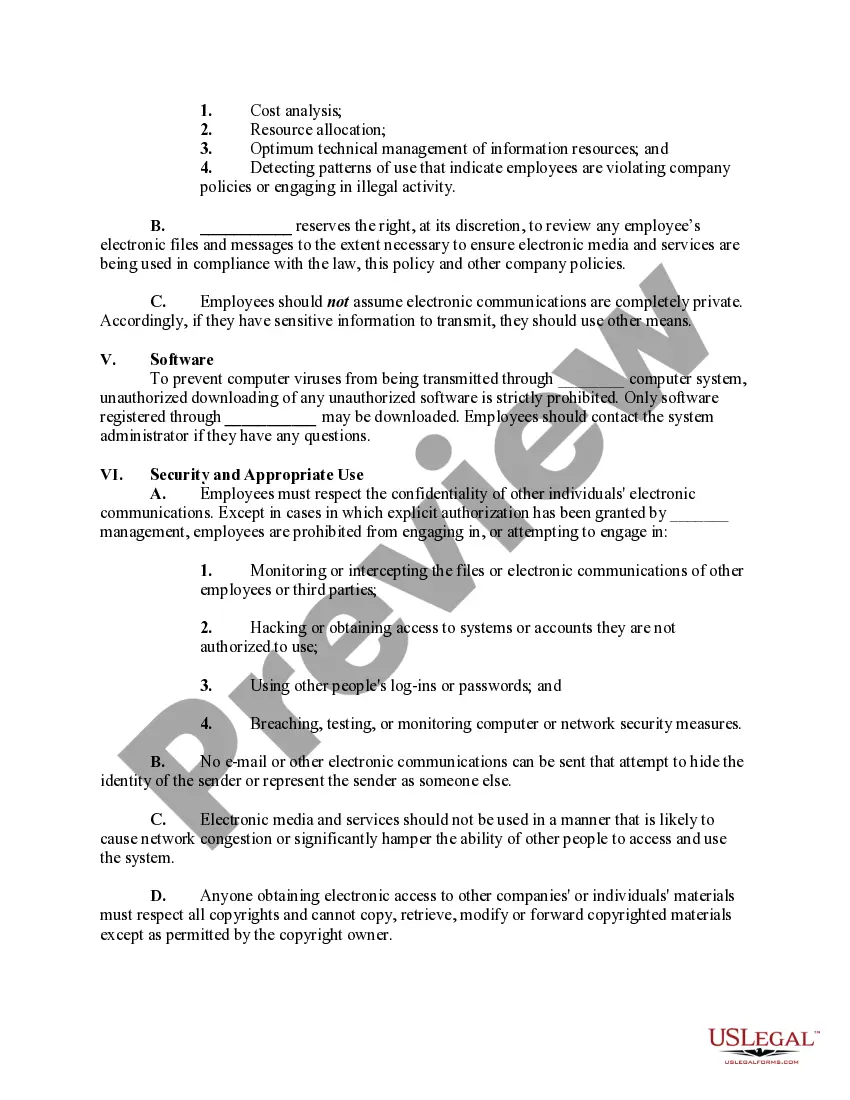
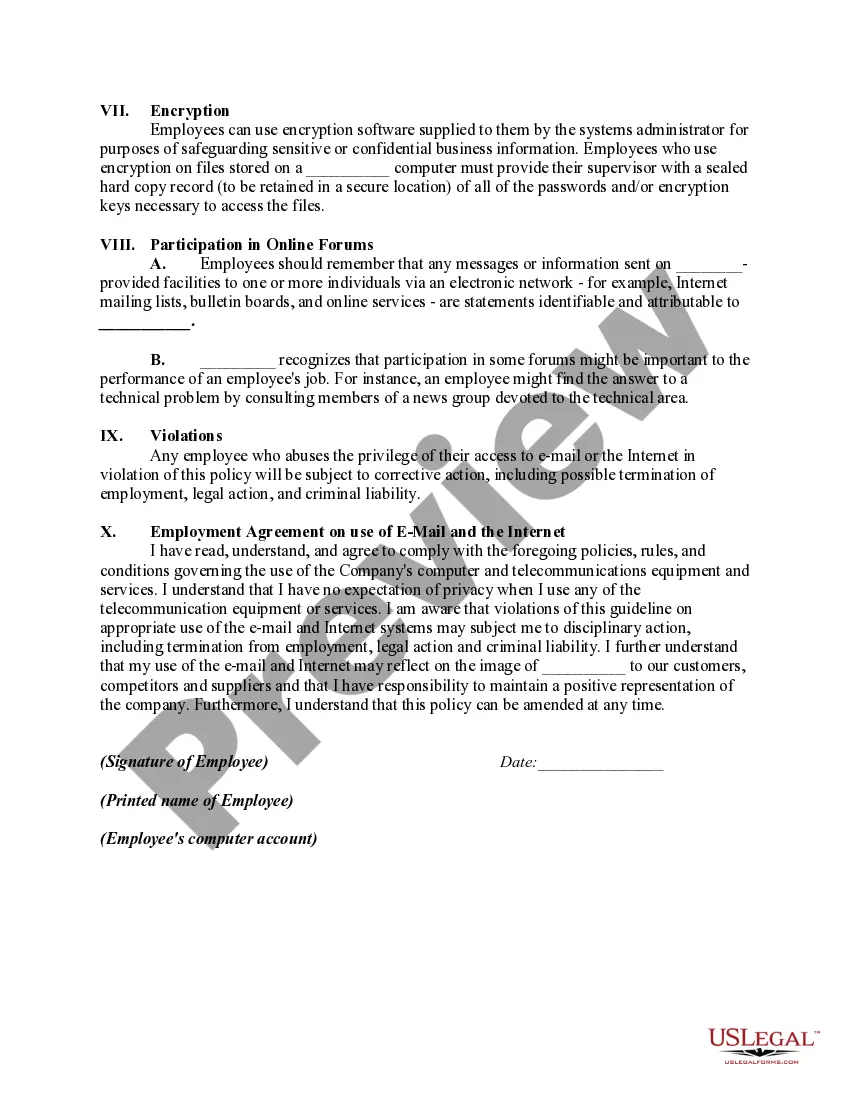
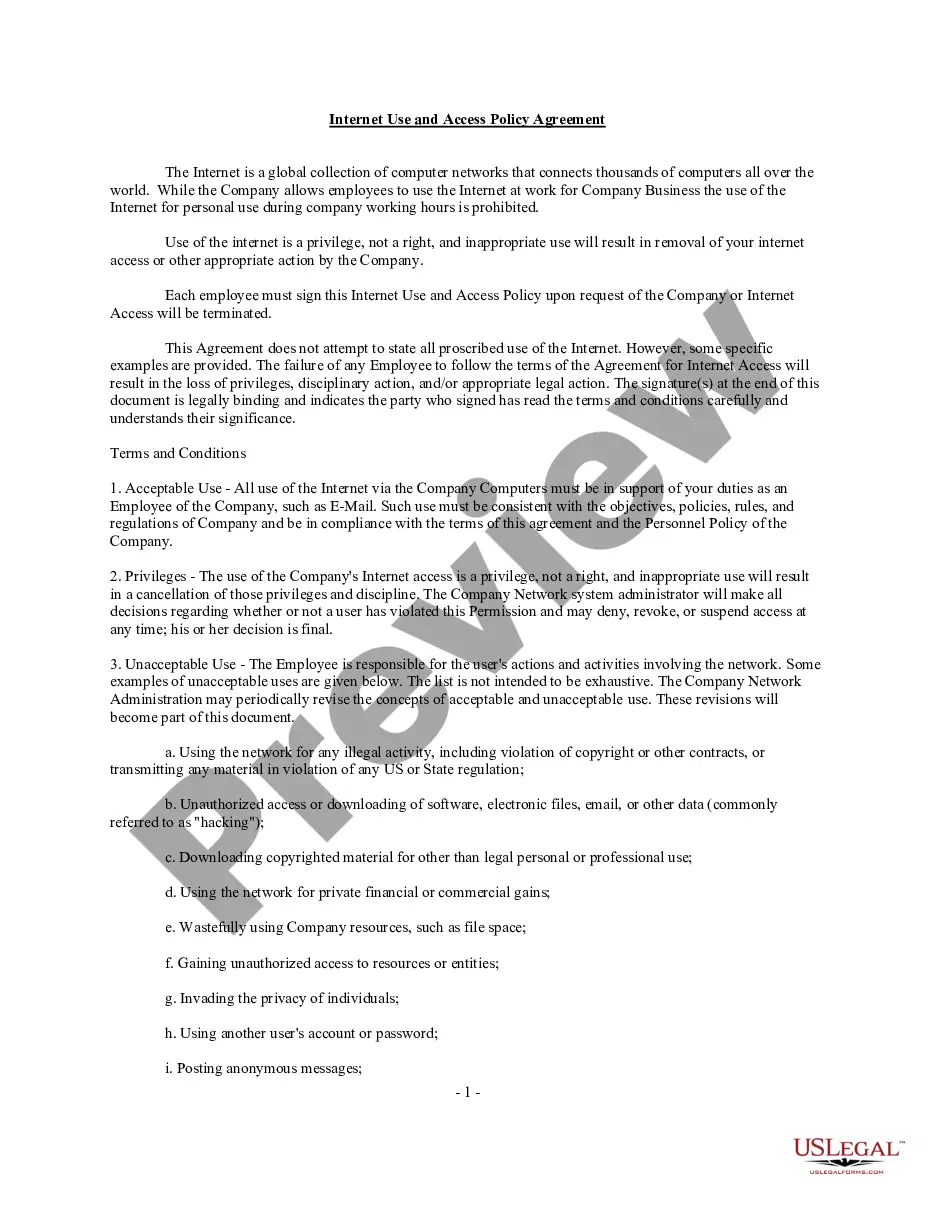
Employees may not use [Company Name]'s computer systems in a way that disrupts its use by others. This includes sending or receiving excessive numbers of large files and spamming (sending unsolicited email to thousands of users).
Examples of company policies include employee conduct policies, dress code, attendance policies, equal opportunity policies, and other areas related to the terms and conditions of employment. Procedures: the processes by which employees should deal with potential breaches of company policies.
Be Consistent Use Similar Formatting. It's important for policies and procedures to look similar across all areas in a company. ... Set and Follow Best Practices. ... Use Standard Templates. ... Limit Policy Length. ... Use Succinct Language. ... Use Bullets and Lists. ... Link to Related Documents and Forms. ... Include a Glossary.
Format of a policy document Policy Statement: Clearly states the policy's objectives and the expected behavior or actions. Procedures: Describes the step-by-step process for compliance or implementation. Responsibilities: Outlines the roles and duties of individuals or departments involved.