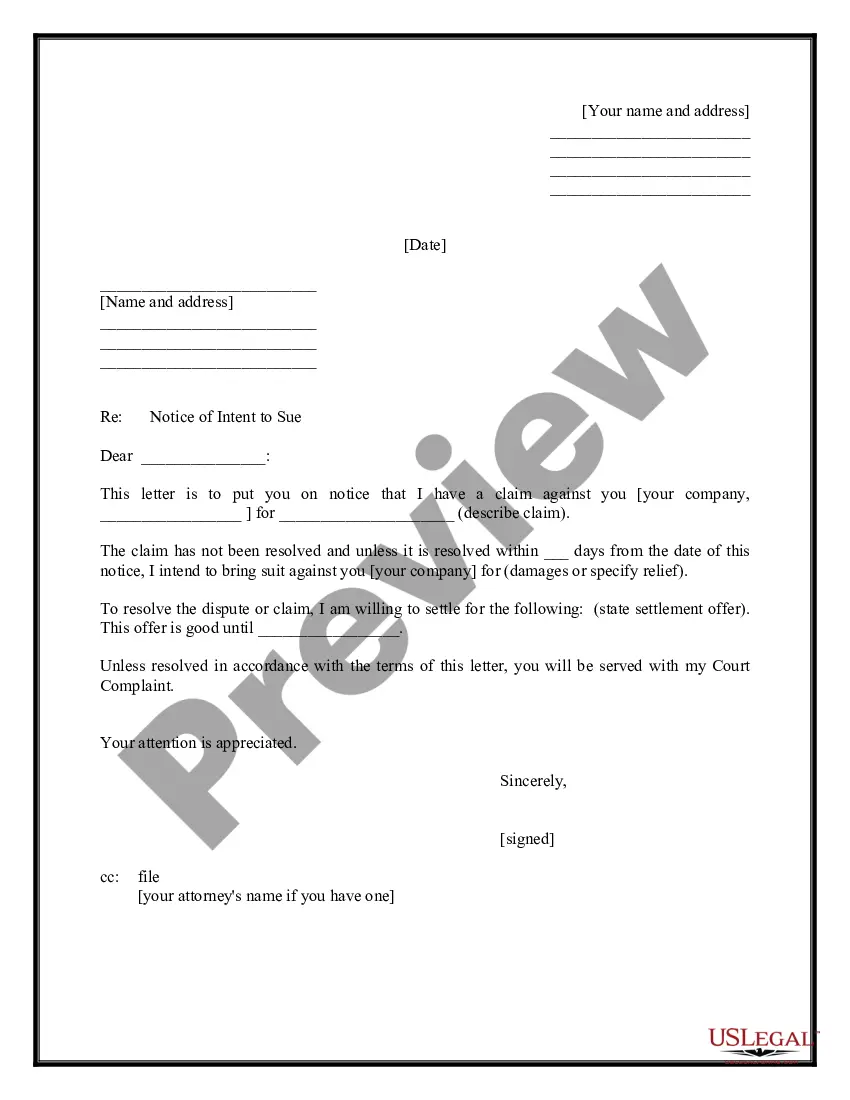
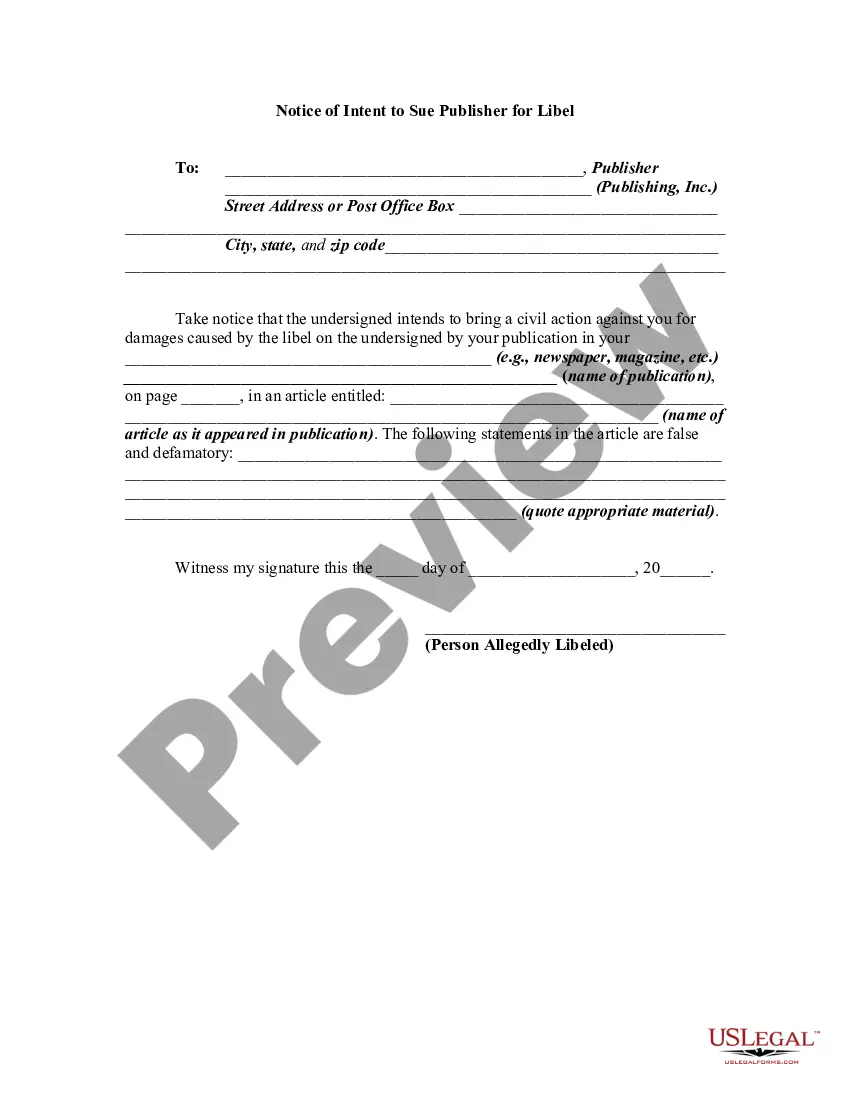
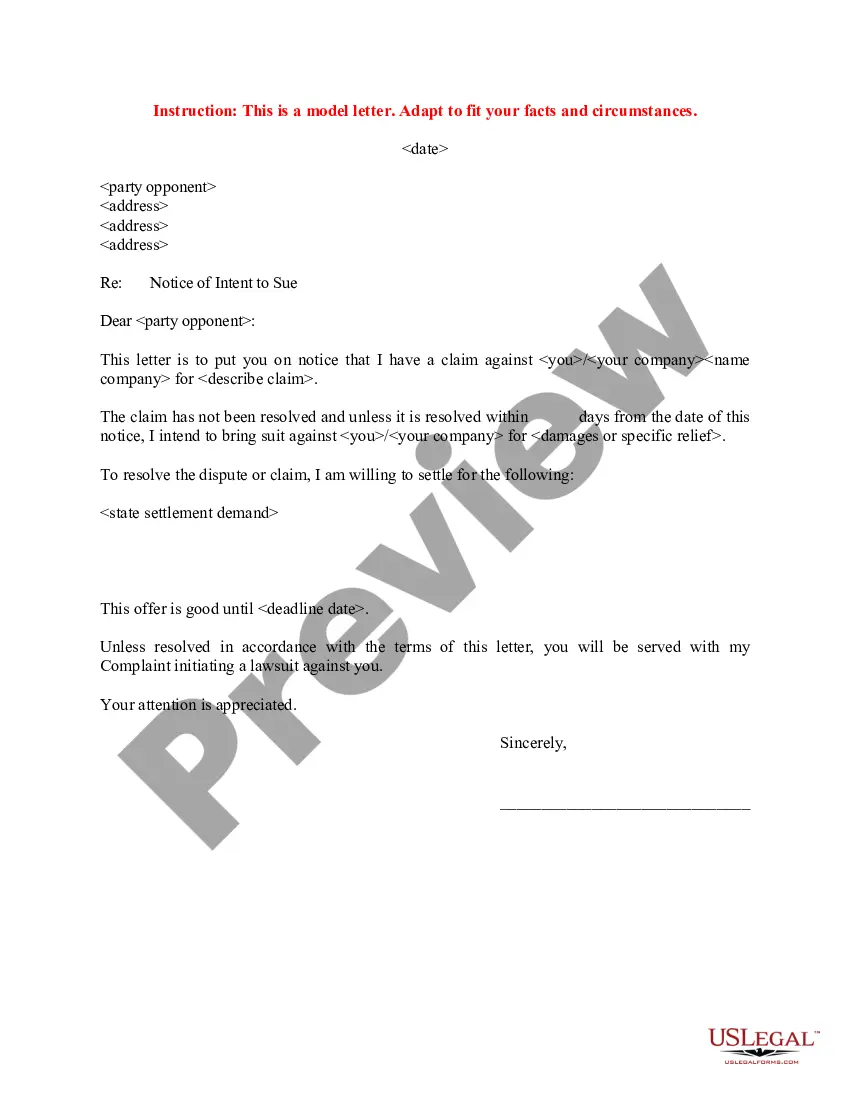
Notice Of Intent To Sue In Florida
Description
Get your form ready online
Our built-in tools help you complete, sign, share, and store your documents in one place.
Make edits, fill in missing information, and update formatting in US Legal Forms—just like you would in MS Word.
Download a copy, print it, send it by email, or mail it via USPS—whatever works best for your next step.
Sign and collect signatures with our SignNow integration. Send to multiple recipients, set reminders, and more. Go Premium to unlock E-Sign.
If this form requires notarization, complete it online through a secure video call—no need to meet a notary in person or wait for an appointment.
We protect your documents and personal data by following strict security and privacy standards.

Make edits, fill in missing information, and update formatting in US Legal Forms—just like you would in MS Word.

Download a copy, print it, send it by email, or mail it via USPS—whatever works best for your next step.

Sign and collect signatures with our SignNow integration. Send to multiple recipients, set reminders, and more. Go Premium to unlock E-Sign.

If this form requires notarization, complete it online through a secure video call—no need to meet a notary in person or wait for an appointment.

We protect your documents and personal data by following strict security and privacy standards.
Looking for another form?

How to fill out Letter Of Intent To Sue?
It’s clear that becoming an expert in law cannot happen instantly, nor can you learn to rapidly prepare a Notice Of Intent To Sue In Florida without a specialized background.
Drafting legal documents is a lengthy process that necessitates specific education and expertise. Therefore, why not entrust the preparation of the Notice Of Intent To Sue In Florida to professionals.
With US Legal Forms, which boasts one of the most extensive libraries of legal templates, you can find anything from court papers to templates for internal corporate correspondence.
At any time, you can regain access to your forms through the My documents tab. If you’re a current customer, you can simply Log In and locate and download the template from the same section.
Regardless of the nature of your documentation—be it financial, legal, or personal—our platform has you covered. Give US Legal Forms a try today!
- Utilize the search bar at the top of the page to discover the form you need.
- If available, preview the document and consult the accompanying description to verify if the Notice Of Intent To Sue In Florida meets your requirements.
- If you require a different form, start your search anew.
- Sign up for a complimentary account and select a subscription plan to purchase the form.
- Click Buy now. After the purchase is finalized, you can obtain the Notice Of Intent To Sue In Florida, complete it, print it, and send it or dispatch it by mail to the appropriate parties or entities.
Form popularity
FAQ
In Florida, you typically have 20 days to respond to a petition after being served. Promptly answering a petition is essential to protect your rights and avoid penalties. If you would like assistance, consider utilizing the services of US Legal Forms, which can help you with the response process. This proactive approach ensures you remain compliant with all legal timelines.
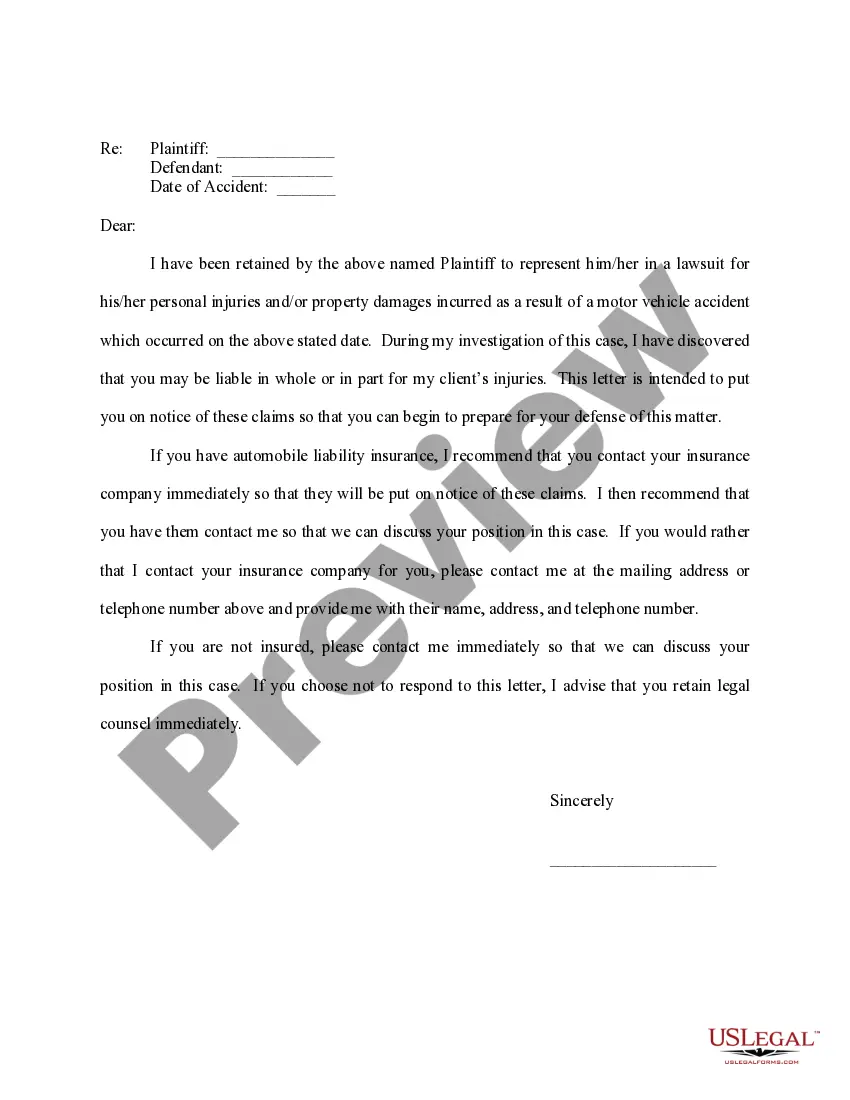
To file a notice of claim in Florida, begin by preparing a detailed document that outlines your claim. You need to provide specific information regarding the nature of your claim and the damages incurred. US Legal Forms offers resources to help you draft this notice correctly, ensuring you meet all legal requirements. This filing is crucial, especially if you are considering a notice of intent to sue in Florida.
You must respond to a summons in Florida within 20 days after you receive it. This response is crucial, as failing to reply can lead to a default judgment against you. If you're unsure about the process, US Legal Forms provides templates and guidance that can help you formulate an appropriate response. Taking this step can significantly influence the outcome of your case.
When you receive a proposal for settlement in Florida, you generally have 30 days to respond. It is important to take this timeframe seriously as your response could affect the settlement process. To effectively draft a response, you might explore resources offered by US Legal Forms, which can guide you in structuring your reply. This way, you can make informed decisions that help protect your interests.
In Florida, you typically have 30 days to respond to a demand letter. This timeframe is critical, as your response could influence any potential disputes. If you need assistance preparing your response, consider using US Legal Forms to ensure you meet all requirements accurately. Being proactive allows you to navigate the process smoothly and avoid further complications.
Communicating your intent to sue someone can be a strategic decision. It often serves as a final attempt to resolve the dispute before going to court. However, be cautious, as such a conversation may escalate tensions. Consulting a legal professional can help you assess the best course of action in this situation, particularly when dealing with a notice of intent to sue in Florida.
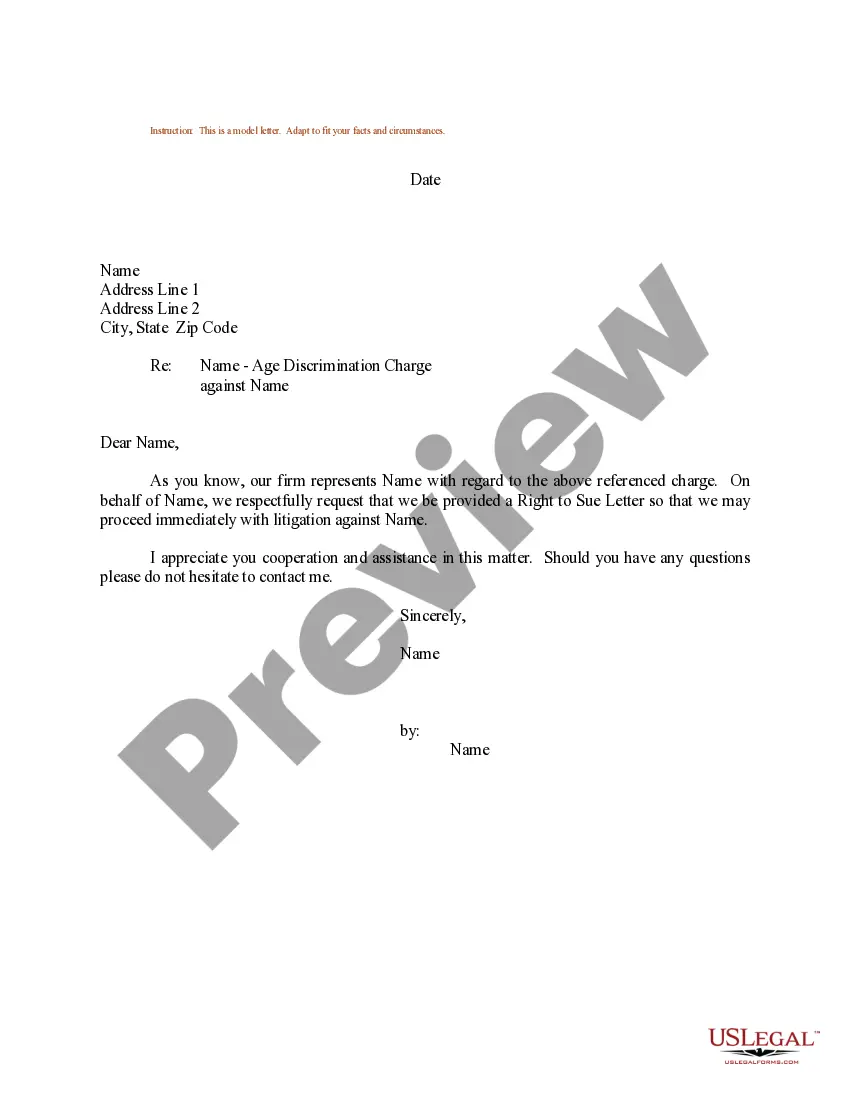
A notice of intent to take action is similar to a notice of intent to sue but may not always indicate legal action. Instead, it serves as a preliminary step, informing the other party of your intention to take a specific action that could lead to legal consequences. Understanding the nuances of such notices in Florida may help you navigate your options effectively.
A letter of intent to sue serves as a warning that legal action may be forthcoming if the matter isn’t resolved. It outlines the grievances and is meant to give the recipient a chance to address the issues before court proceedings begin. Receiving this letter, particularly in Florida, should prompt you to take the situation seriously and seek guidance on how to proceed.
A notice of intent to sue is a formal communication indicating that someone plans to initiate legal action against another party. In Florida, this notice typically outlines the reasons for the proposed lawsuit and provides the recipient with an opportunity to resolve the issue before it escalates to court. Understanding this document is crucial to navigating potential legal disputes effectively.
When you receive a notice of intent to sue in Florida, it is important to take it seriously. Start by reviewing the claims made against you and gather any evidence that supports your case. Next, consider consulting with a legal expert who can guide you on how to formally respond. Failing to respond appropriately can escalate the situation, leading to potential legal consequences.