Executive Director For Nonprofit Job Description
Description
Get your form ready online
Our built-in tools help you complete, sign, share, and store your documents in one place.
Make edits, fill in missing information, and update formatting in US Legal Forms—just like you would in MS Word.
Download a copy, print it, send it by email, or mail it via USPS—whatever works best for your next step.
Sign and collect signatures with our SignNow integration. Send to multiple recipients, set reminders, and more. Go Premium to unlock E-Sign.
If this form requires notarization, complete it online through a secure video call—no need to meet a notary in person or wait for an appointment.
We protect your documents and personal data by following strict security and privacy standards.

Make edits, fill in missing information, and update formatting in US Legal Forms—just like you would in MS Word.

Download a copy, print it, send it by email, or mail it via USPS—whatever works best for your next step.

Sign and collect signatures with our SignNow integration. Send to multiple recipients, set reminders, and more. Go Premium to unlock E-Sign.

If this form requires notarization, complete it online through a secure video call—no need to meet a notary in person or wait for an appointment.

We protect your documents and personal data by following strict security and privacy standards.
Looking for another form?









Form popularity
FAQ
The job description of a non-executive director (NED) often encompasses duties such as advising on strategy, ensuring compliance with regulations, and representing the interests of stakeholders. They are expected to bring their expertise to the table while maintaining an independent viewpoint. Understanding the executive director for nonprofit job description can highlight how NEDs enhance organizational governance.
The roles of non-executive directors include advising on strategy, monitoring performance, and safeguarding stakeholder interests. They play a key part in the decision-making process by providing insight without being involved in everyday management. Their independent position allows them to contribute effectively to the overall governance of the organization.
According to the Companies Act 2013, a non-executive director is tasked with providing independent oversight to the management of the organization. They are responsible for bringing an unbiased perspective in board discussions, ensuring good governance practices are followed. This ensures that the organization adheres to legal and ethical standards, which are critical to nonprofits as well.
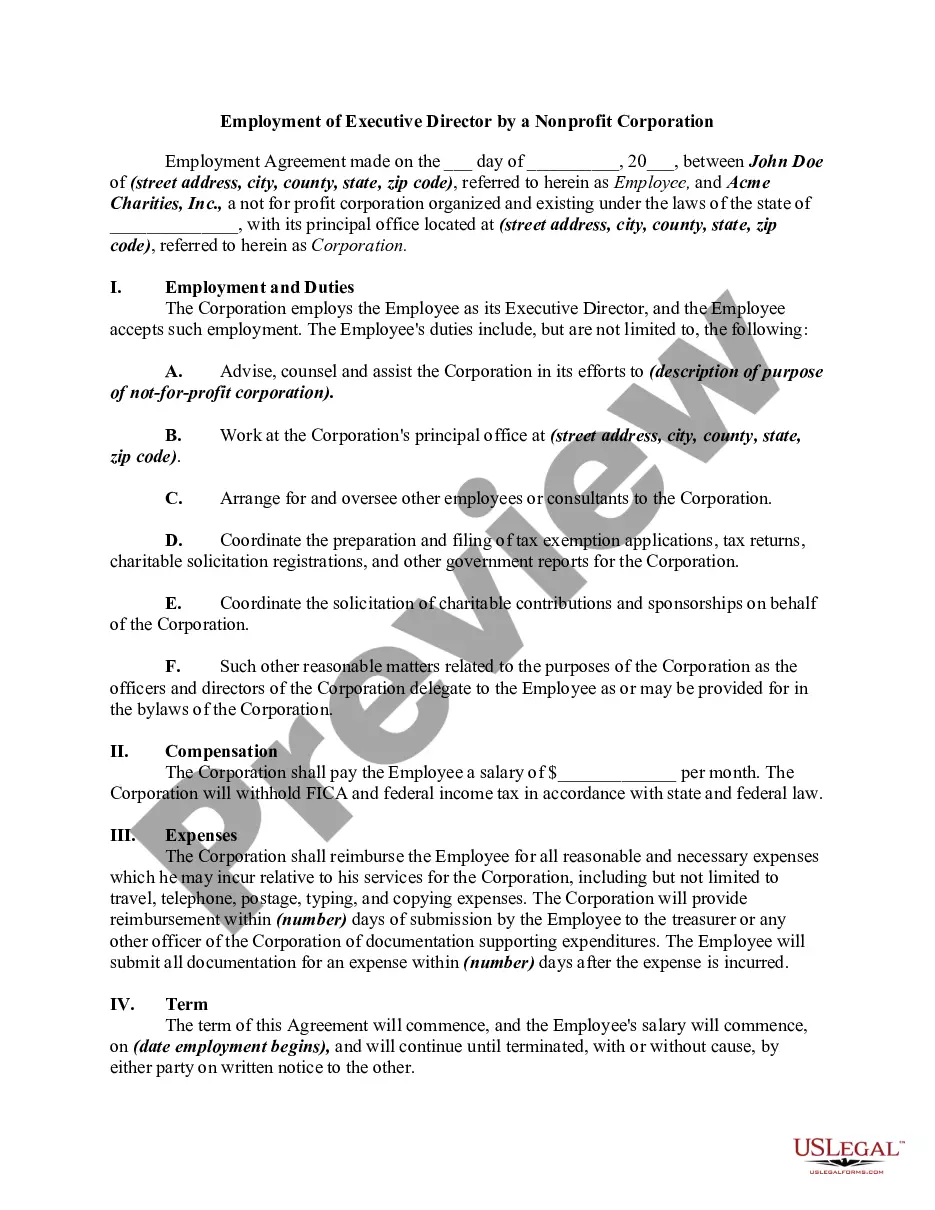
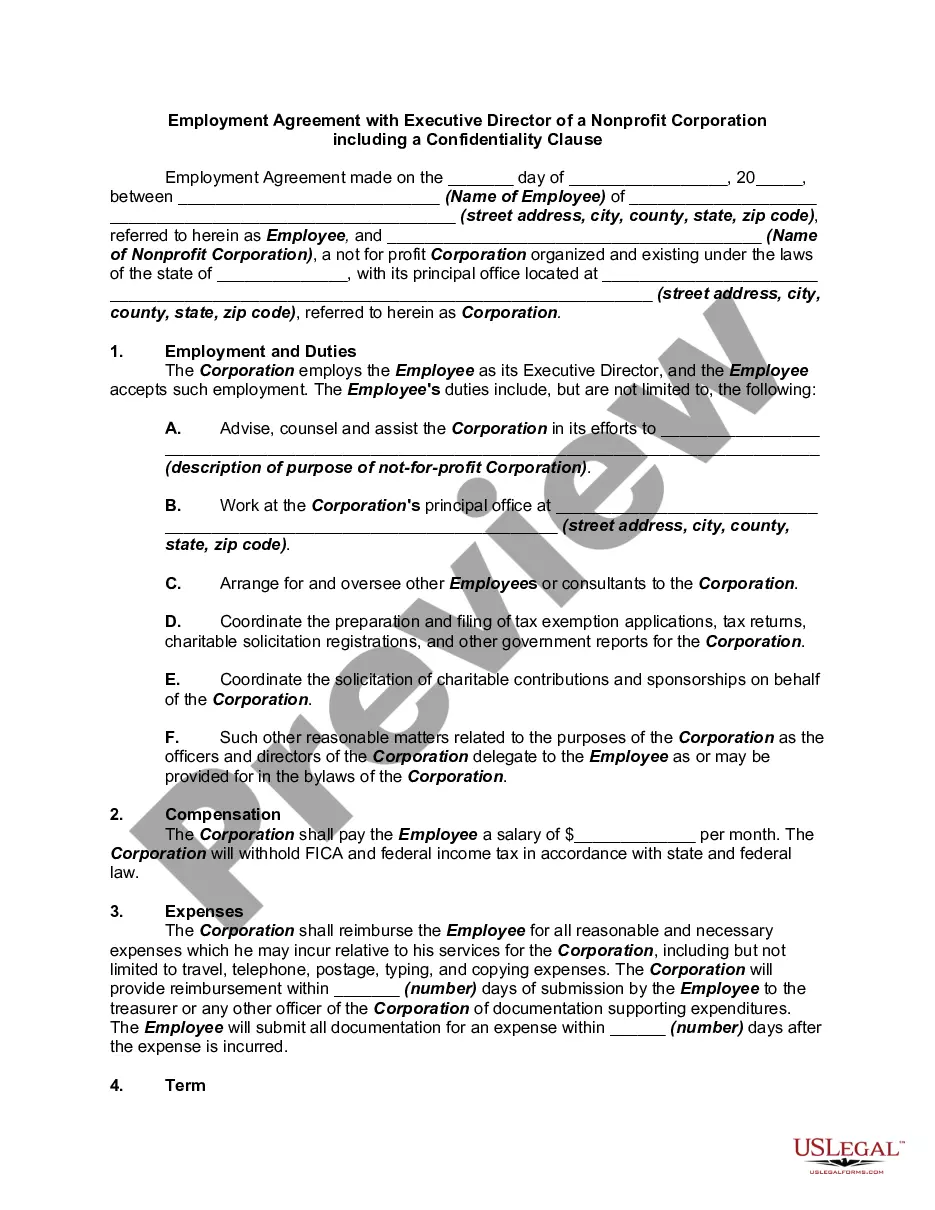
The duties of the executive director include managing daily operations, overseeing staff, and engaging with the board of directors. They develop policies, ensure financial sustainability, and represent the organization to external stakeholders. The comprehensive nature of the executive director for nonprofit job description covers various aspects crucial for the nonprofit's success.
The number of non-executive director (NED) roles one can undertake often depends on a variety of factors, including time commitment and potential conflicts of interest. It is important to balance responsibilities to ensure effective governance. For those interested in the executive director for nonprofit job description, being a NED can provide valuable experience and insight.
The objective of an executive director of a nonprofit is to lead the organization towards its mission and goals. They are responsible for developing strategic plans, managing resources, and ensuring compliance with regulations. By emphasizing community outreach and program effectiveness, they help enhance the nonprofit's impact.
Non-executive directors provide oversight and governance to an organization without involvement in day-to-day operations. They bring independent judgment to the board, helping to shape strategy while also ensuring accountability. Their role is crucial in maintaining a balance between management and stakeholders, especially for nonprofits.
The primary difference lies in involvement; an executive director manages the organization, while a non-executive director offers oversight and guidance. The executive director handles daily operations, staff management, and strategic execution, whereas the non-executive director focuses on strategic counsel and governance. This clear differentiation contributes to a well-functioning board and organization. Recognizing these roles is crucial when considering the executive director for nonprofit job description.
executive director provides independent oversight and strategic advice to the organization, without being involved in daytoday management. This role includes participating in board meetings, reviewing financial reports, and ensuring proper governance practices. Nonexecutive directors contribute their expertise to help the organization achieve its mission, but do not engage in daily operations. Understanding the distinction in roles enhances clarity within the executive director for nonprofit job description.
The executive director of a nonprofit organization serves as the chief executive officer, guiding the organization's mission and strategy. This role involves overseeing daily operations, managing staff, and engaging with the board of directors. The executive director ensures that the nonprofit meets its goals and remains compliant with legal requirements. In essence, the executive director for nonprofit job description centers around leadership and operational excellence.
