Liability Waiver For Rental Property
Description
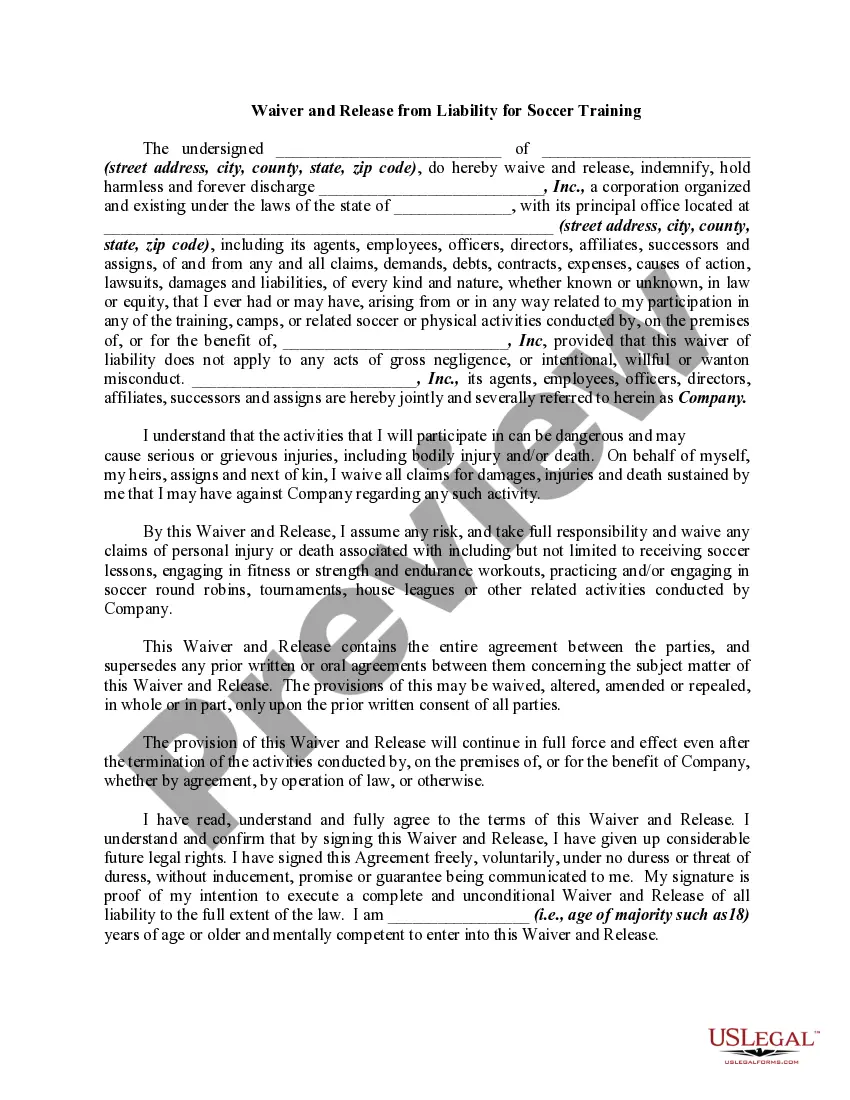
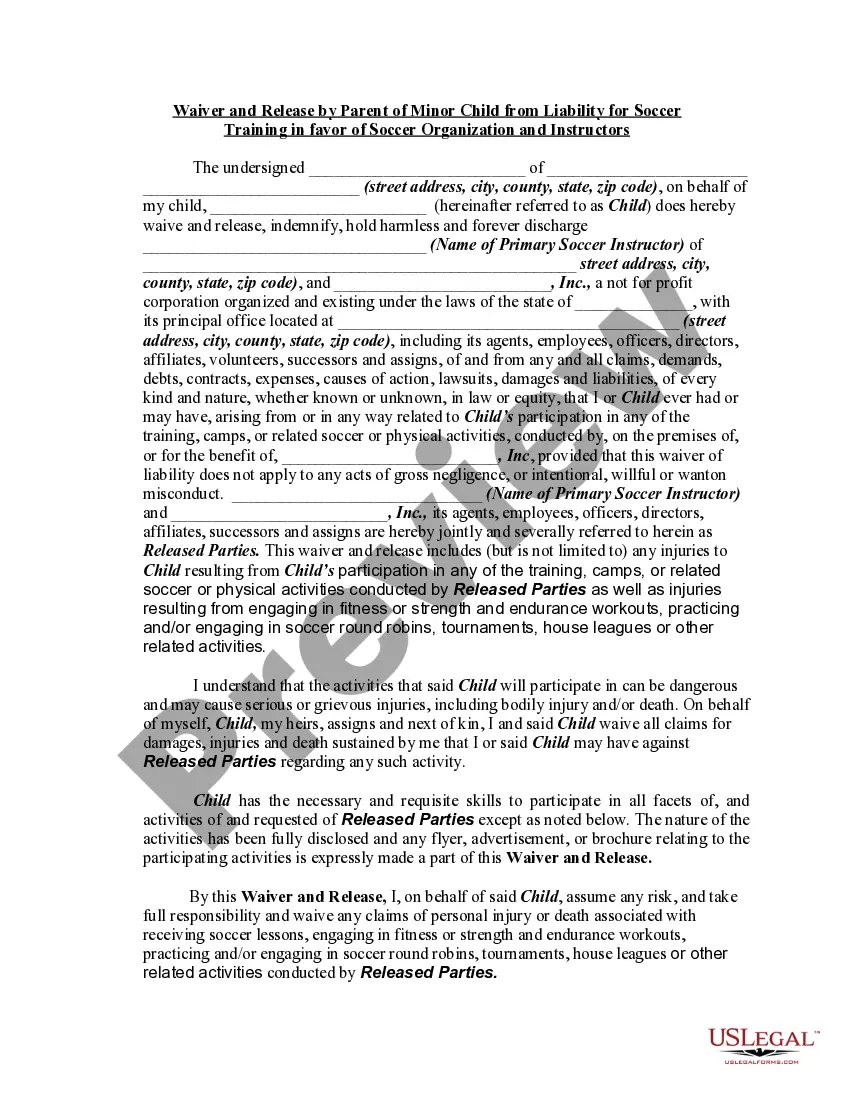
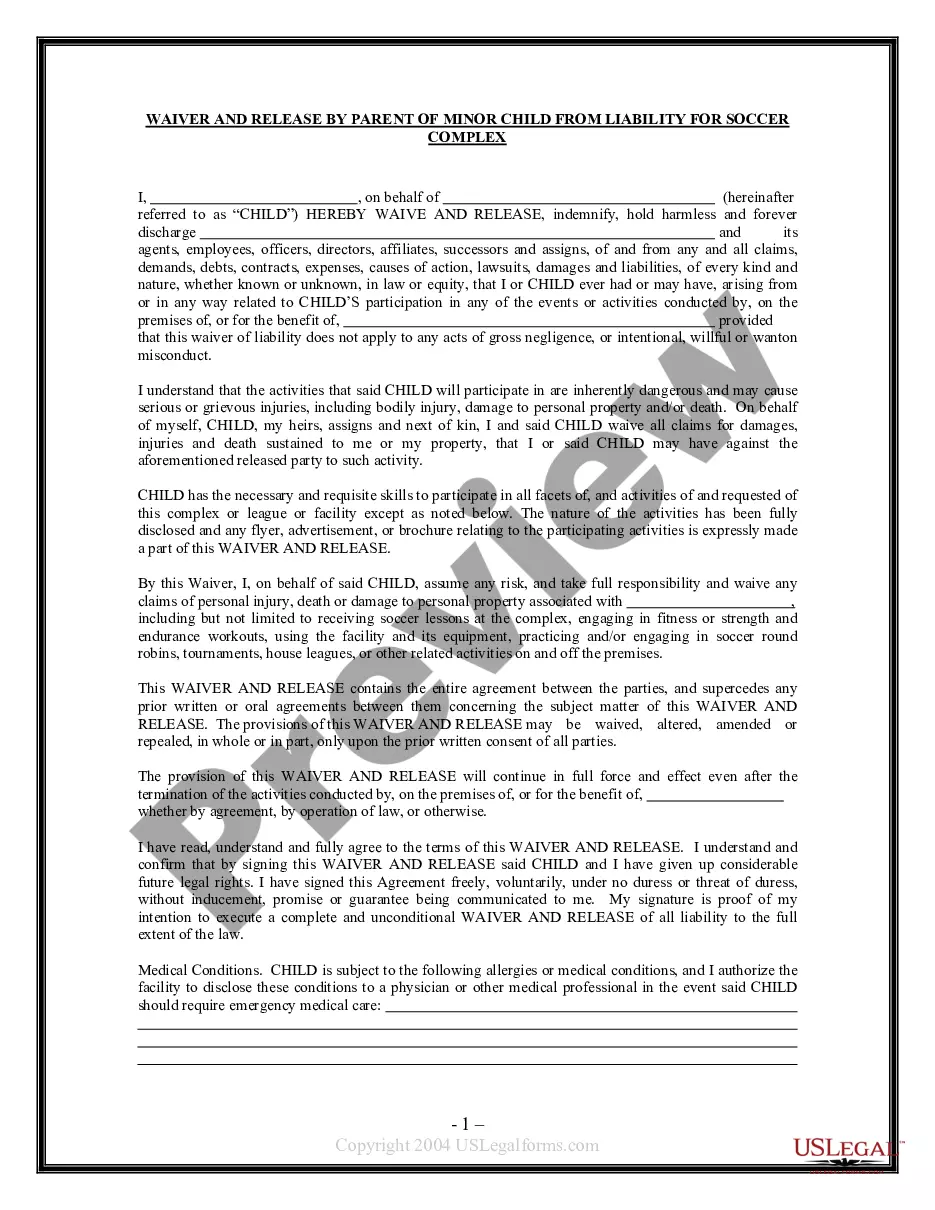
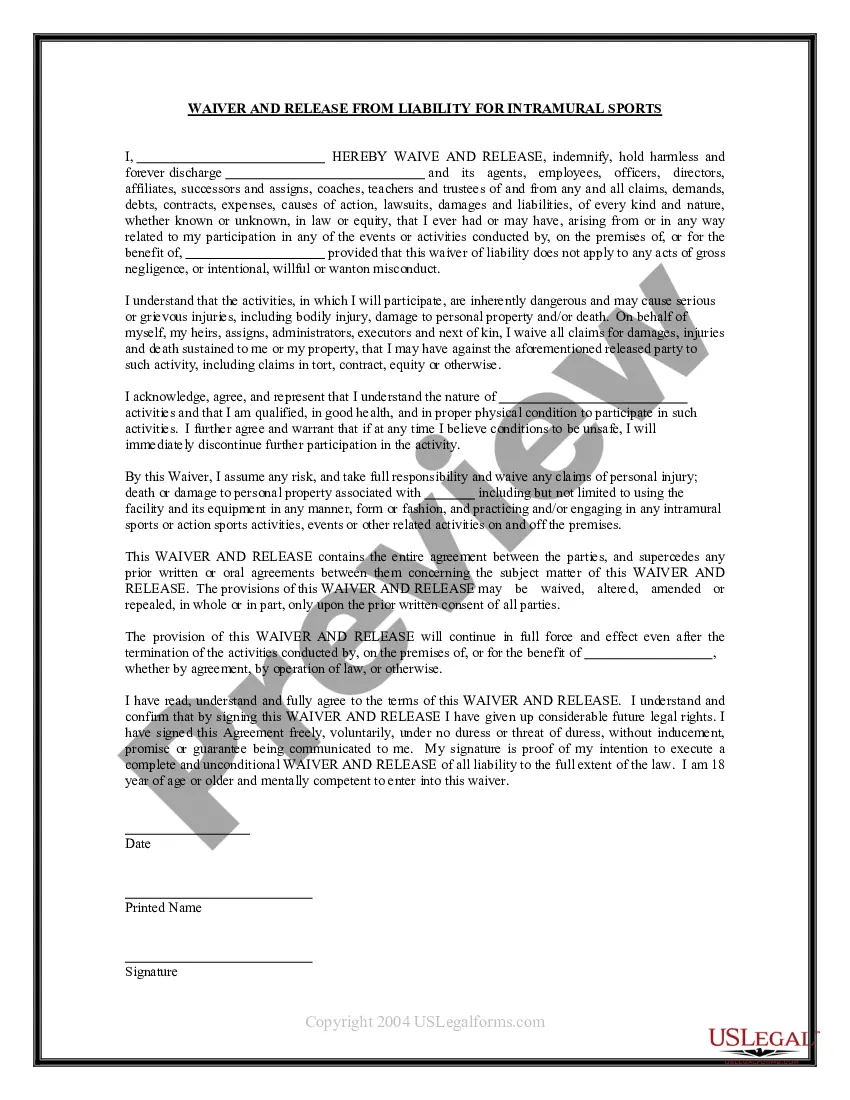
Get your form ready online
Our built-in tools help you complete, sign, share, and store your documents in one place.
Make edits, fill in missing information, and update formatting in US Legal Forms—just like you would in MS Word.
Download a copy, print it, send it by email, or mail it via USPS—whatever works best for your next step.
Sign and collect signatures with our SignNow integration. Send to multiple recipients, set reminders, and more. Go Premium to unlock E-Sign.
If this form requires notarization, complete it online through a secure video call—no need to meet a notary in person or wait for an appointment.
We protect your documents and personal data by following strict security and privacy standards.

Make edits, fill in missing information, and update formatting in US Legal Forms—just like you would in MS Word.

Download a copy, print it, send it by email, or mail it via USPS—whatever works best for your next step.

Sign and collect signatures with our SignNow integration. Send to multiple recipients, set reminders, and more. Go Premium to unlock E-Sign.

If this form requires notarization, complete it online through a secure video call—no need to meet a notary in person or wait for an appointment.

We protect your documents and personal data by following strict security and privacy standards.
Looking for another form?


Form popularity
FAQ
Waivers can provide a level of protection for landlords by outlining tenant responsibilities and potential risks associated with the property. A well-crafted liability waiver for rental property helps clarify expectations and can be a powerful tool in mitigating legal disputes. However, it's crucial to understand that they may not cover all scenarios, so combining waivers with other liability management strategies is wise. Leveraging resources like USLegalForms can help ensure your waiver is effective.
Yes, waivers can be legally binding if they meet specific legal standards. A liability waiver for rental property that is clear, concise, and signed can offer protection from legal claims. Remember, binding agreements need to include essential elements, such as mutual consent and consideration. Consulting with legal professionals can help ensure your waiver meets all necessary requirements.
In many cases, waivers can hold up in court when they meet certain legal criteria. A properly written liability waiver for rental property clearly defines the risks and is signed voluntarily by all parties involved. Courts evaluate these documents on a case-by-case basis, considering factors such as readability and fairness. Making sure your waiver is well-constructed can increase the chances of successful enforcement.
Waivers may fail to hold up in court due to various factors, including unclear language or lack of proper disclosure. Courts often look for evidence that tenants fully understood the risks involved. A well-crafted liability waiver for rental property can provide clarity and transparency, which makes it more likely to be enforceable. Ensuring all parties comprehend their rights can strengthen the waiver's effectiveness.
To protect your rental property from liability, consider utilizing a liability waiver for rental property. This legal document clearly outlines the responsibilities of tenants and reduces the risk of costly lawsuits. Additionally, implementing preventative measures, like regular safety inspections and adequate property maintenance, further safeguards your investment. By combining these strategies, you can create a more secure rental environment.
A typical liability amount for renters insurance ranges from $100,000 to $300,000, but you can choose higher limits based on your needs. This coverage protects you against claims for damages or injuries that occur in your rented space. Having adequate liability coverage, along with a well-crafted liability waiver for rental property, provides peace of mind for tenants and landlords alike. You can find resources and templates on platforms like US Legal Forms to help you navigate this process effectively.
Liability waivers for rental property can hold up in court, but it largely depends on how well they are drafted and the circumstances surrounding their use. Courts typically enforce these waivers if they are clear, specific, and signed willingly by all parties involved. However, if the waiver includes confusing language or if it attempts to absolve a landlord from gross negligence, a court may find it unenforceable. Therefore, it is crucial to ensure your liability waiver for rental property is legally sound.
While you do not necessarily need a lawyer to write a liability waiver for rental property, it is often advisable, especially for complex situations. A lawyer can ensure that your waiver complies with legal standards and protects your interests. Alternatively, using a professional service like USLegalForms can provide you with carefully crafted templates that help reduce the need for legal consultation.
A liability waiver for rental property may be rendered invalid if it contains ambiguous language, is signed under duress, or fails to meet legal requirements. Additionally, if the waiver attempts to limit liability for gross negligence or intentional misconduct, it may not hold up in court. Understanding these factors can be key in creating a robust waiver.
In many cases, you can apply for a US waiver yourself, but it often requires a thorough understanding of legal requirements. Completing the application accurately and submitting all necessary documentation is essential for a successful outcome. If you feel uncertain, consider consulting a professional or using services from platforms like USLegalForms for assistance.
