Agreement Right Survivorship Without Joint Tenancy
Description
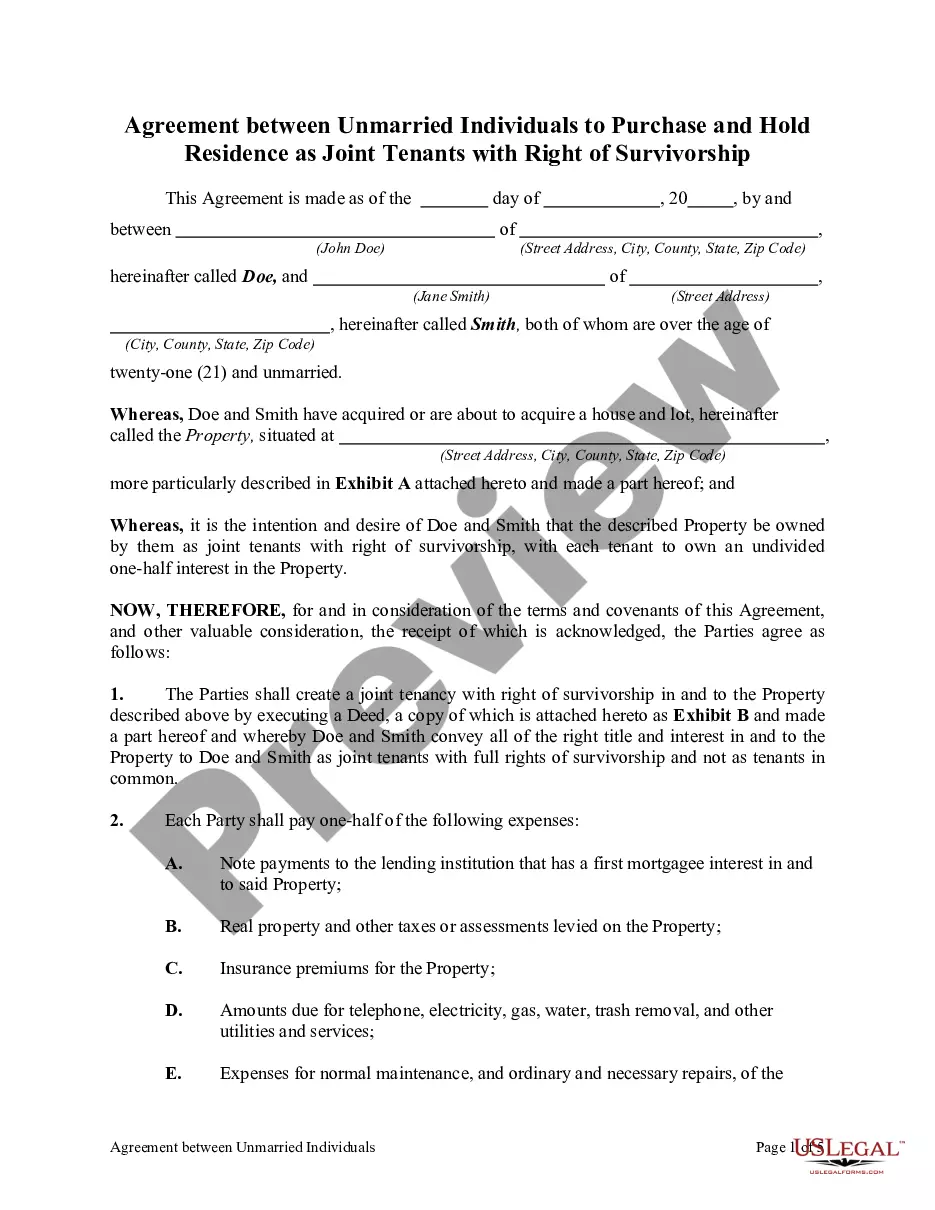
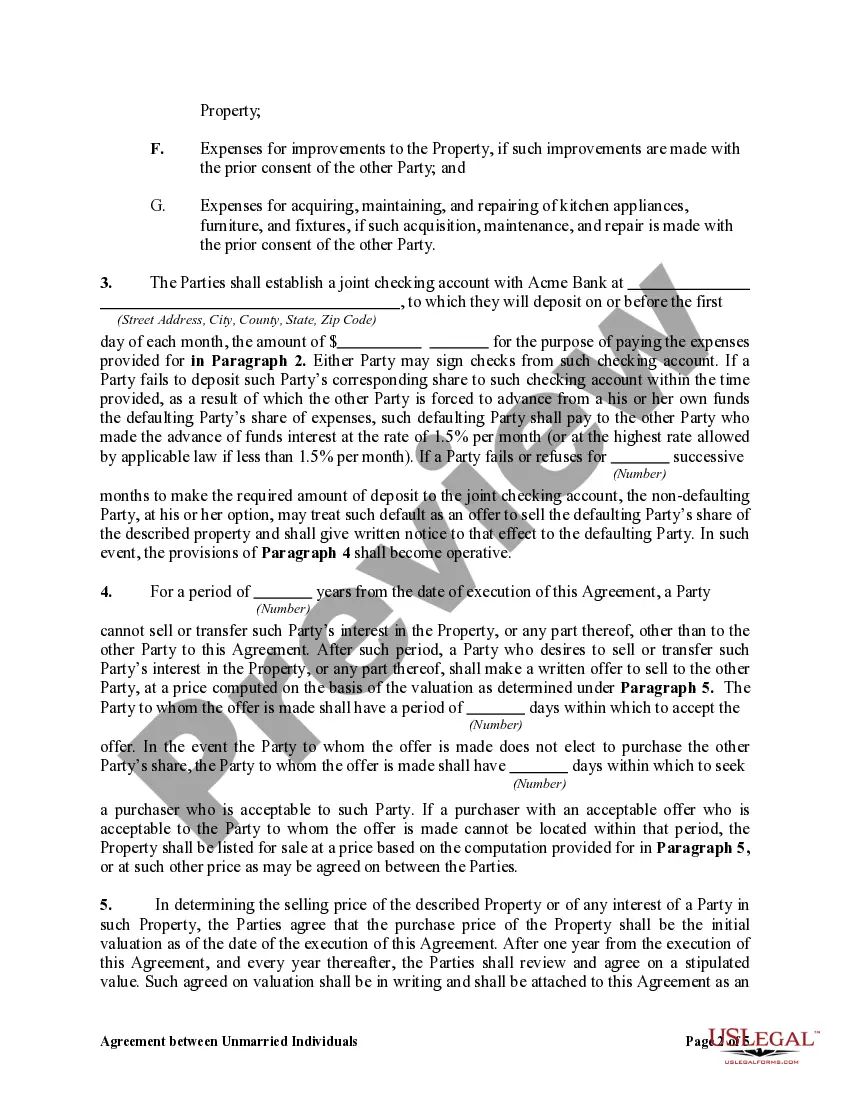
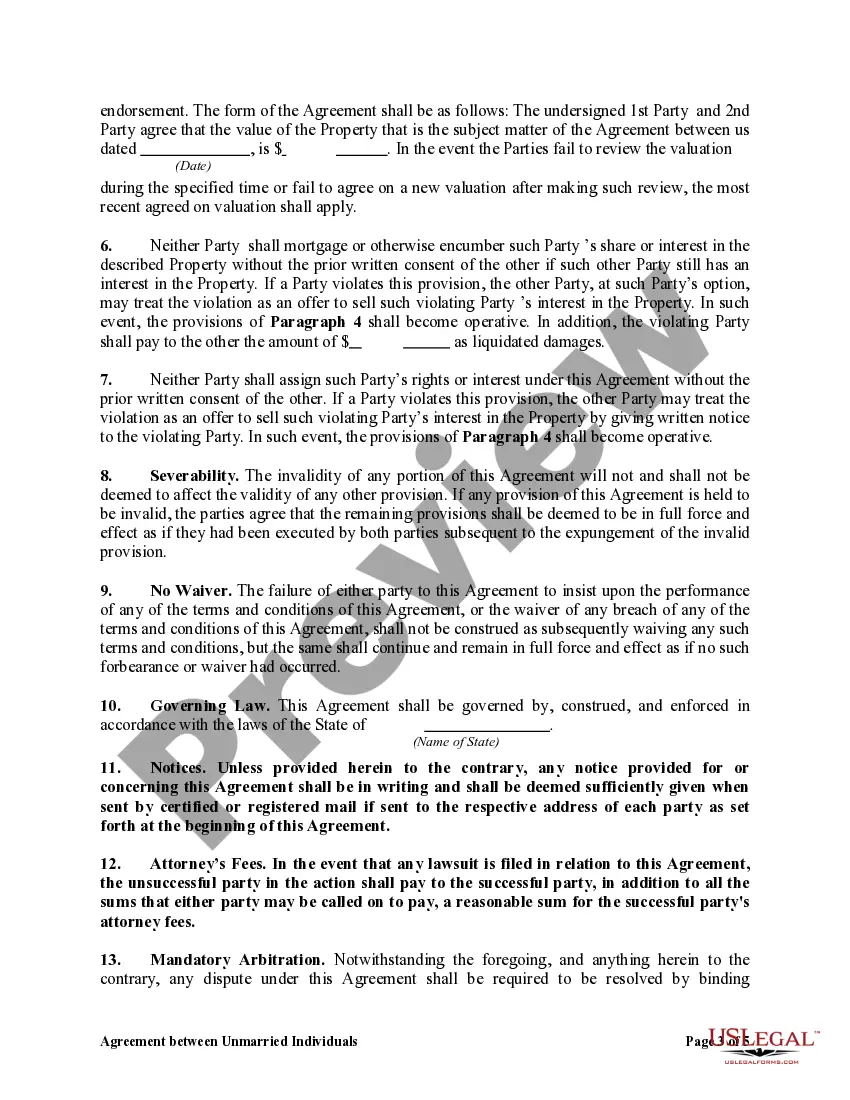
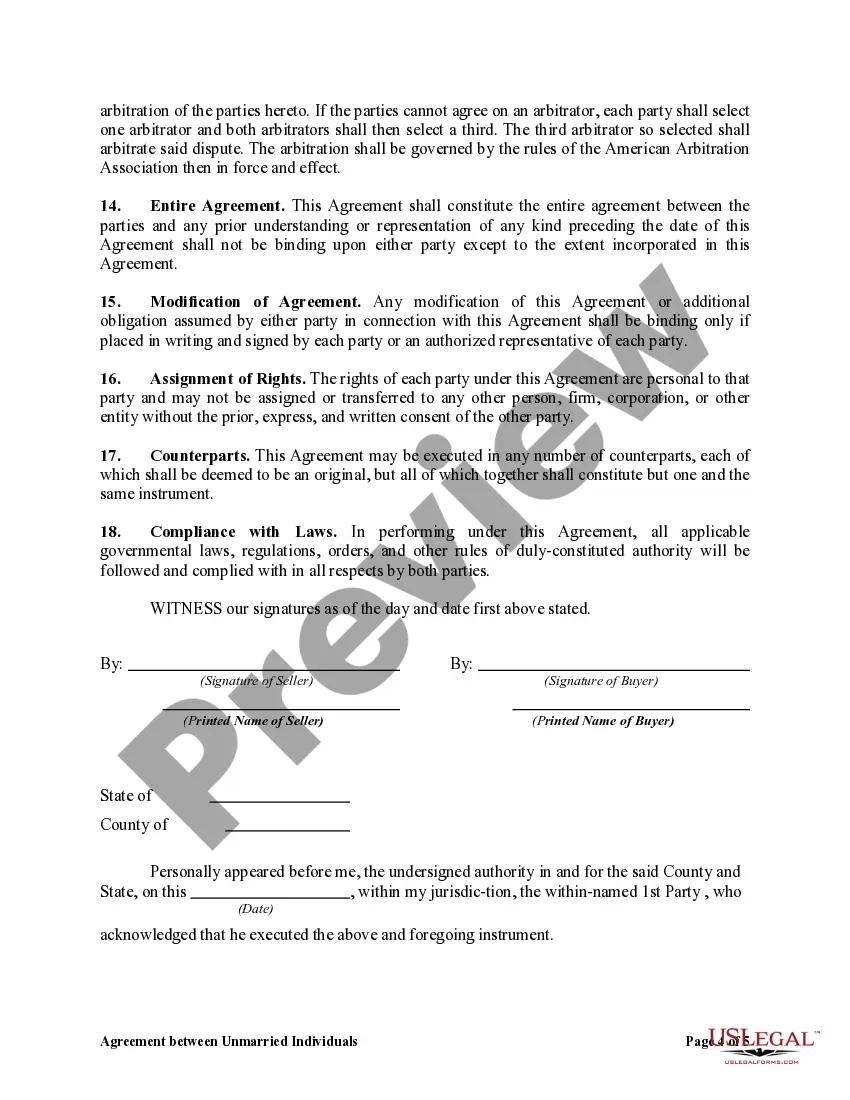

Get your form ready online
Our built-in tools help you complete, sign, share, and store your documents in one place.
Make edits, fill in missing information, and update formatting in US Legal Forms—just like you would in MS Word.
Download a copy, print it, send it by email, or mail it via USPS—whatever works best for your next step.
Sign and collect signatures with our SignNow integration. Send to multiple recipients, set reminders, and more. Go Premium to unlock E-Sign.
If this form requires notarization, complete it online through a secure video call—no need to meet a notary in person or wait for an appointment.
We protect your documents and personal data by following strict security and privacy standards.

Make edits, fill in missing information, and update formatting in US Legal Forms—just like you would in MS Word.

Download a copy, print it, send it by email, or mail it via USPS—whatever works best for your next step.

Sign and collect signatures with our SignNow integration. Send to multiple recipients, set reminders, and more. Go Premium to unlock E-Sign.

If this form requires notarization, complete it online through a secure video call—no need to meet a notary in person or wait for an appointment.

We protect your documents and personal data by following strict security and privacy standards.
Looking for another form?





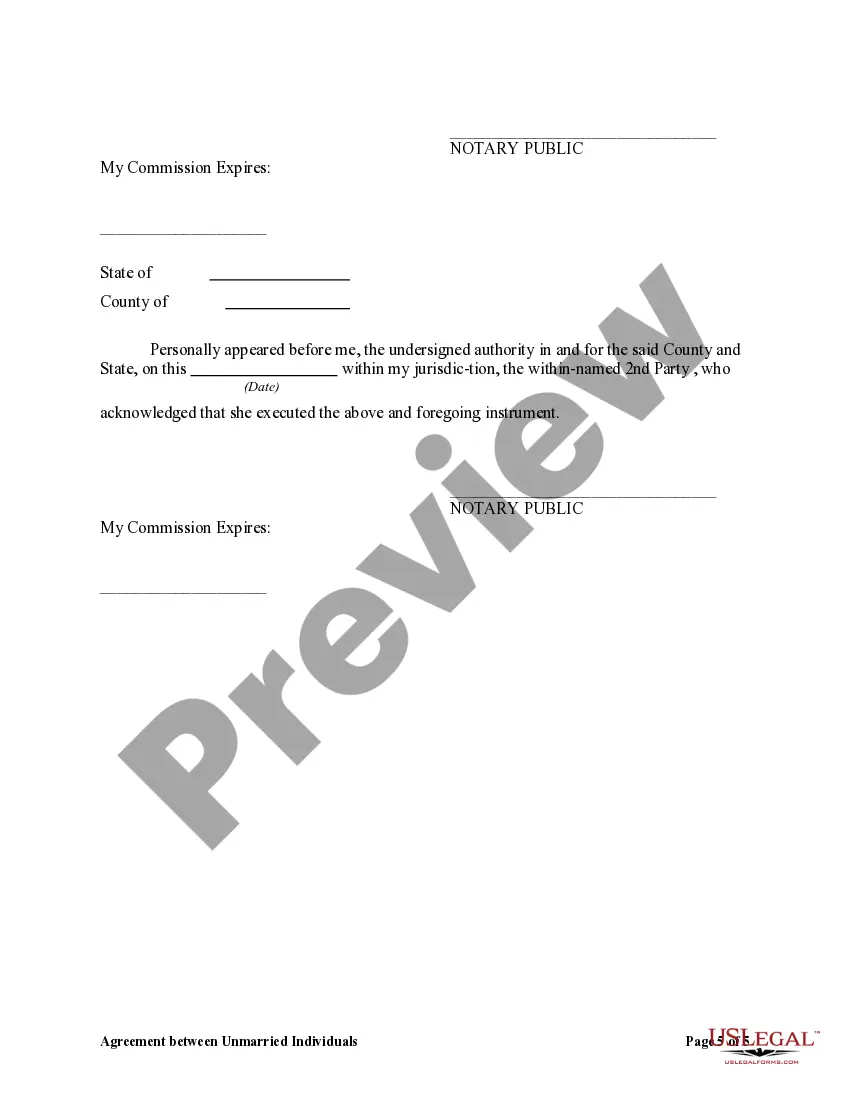
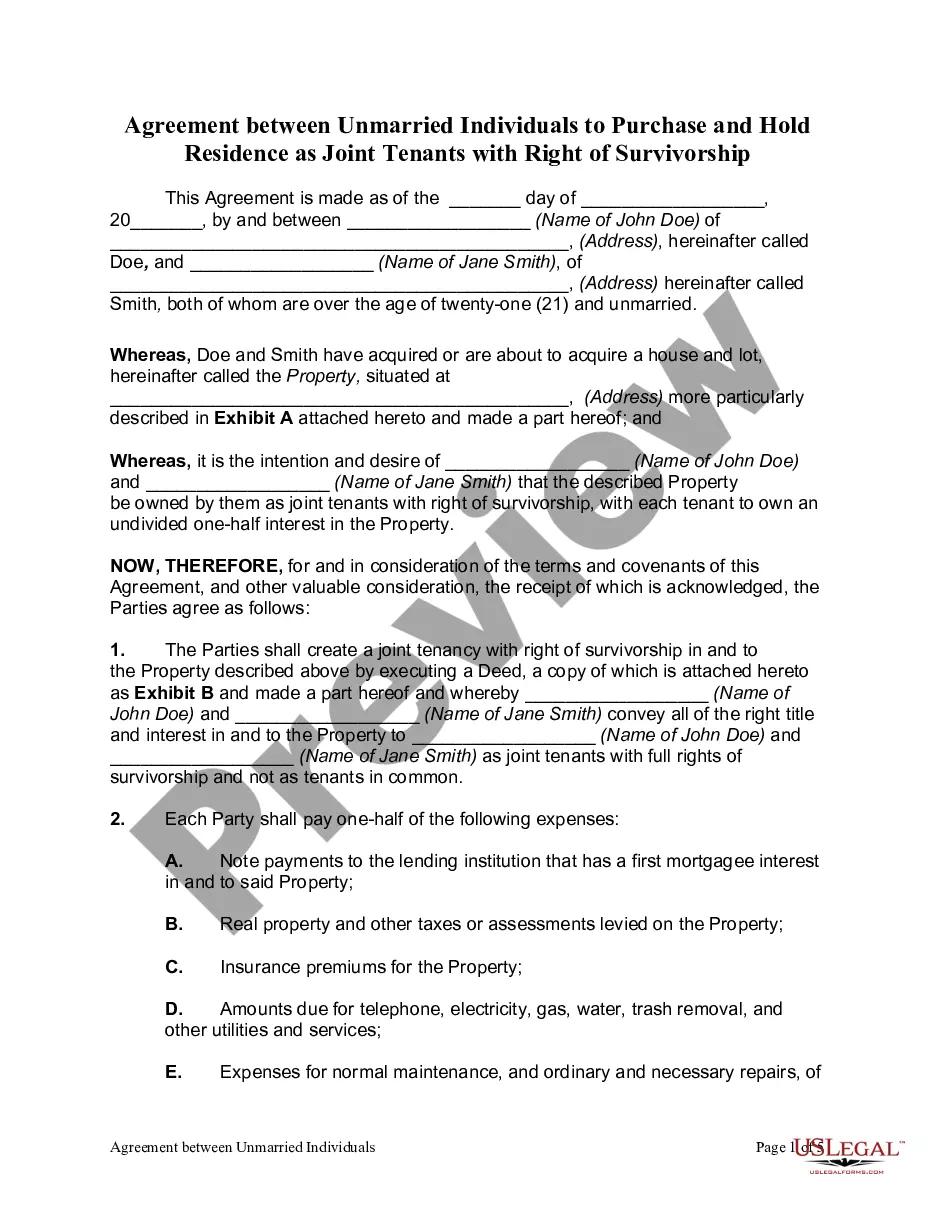
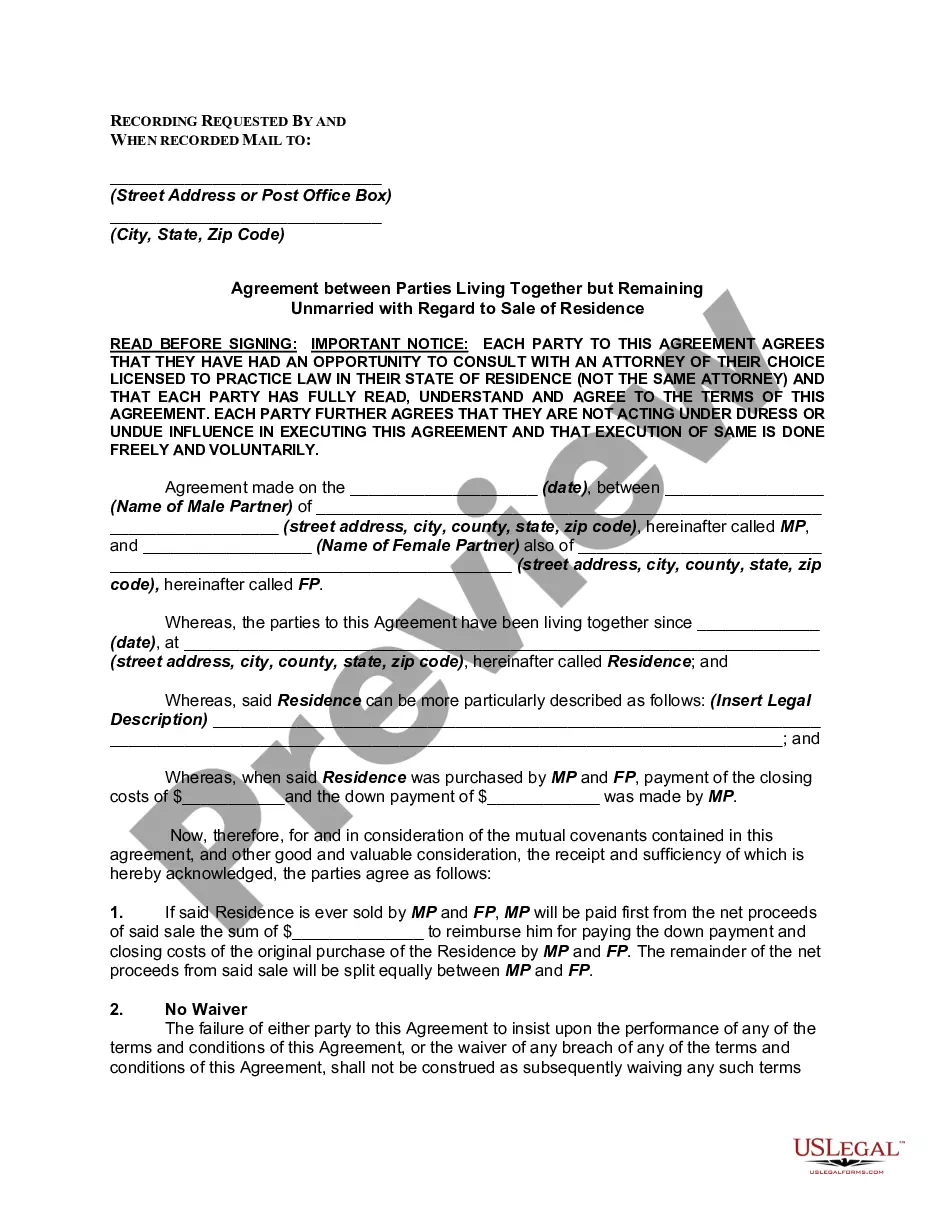
How to fill out Agreement Between Unmarried Individuals To Purchase And Hold Residence As Joint Tenants With Right Of Survivorship?
Managing legal documentation and processes can be a lengthy addition to your entire day.
Agreement Right Survivorship Without Joint Tenancy and similar forms often require you to locate them and comprehend how to fill them out effectively.
As a result, whether you are addressing financial, legal, or personal concerns, having a comprehensive and user-friendly online directory of forms readily available will be very beneficial.
US Legal Forms is the leading online platform for legal templates, providing over 85,000 state-specific forms and various resources to help you complete your documentation effortlessly.
Is this your first time using US Legal Forms? Sign up and create a free account in just a few minutes, and you will gain access to the form directory and Agreement Right Survivorship Without Joint Tenancy. Then, follow the steps below to complete your form: Ensure you have found the correct form using the Review feature and examining the form details. Select Buy Now when you are ready, and choose the subscription plan that suits your requirements. Click Download and then complete, sign, and print the form. US Legal Forms has 25 years of experience assisting clients in managing their legal paperwork. Obtain the form you need right now and simplify any process effortlessly.
- Explore the directory of relevant documents accessible to you with just one click.
- US Legal Forms offers you state- and county-specific forms available for download at any time.
- Safeguard your document management processes with a reliable service that enables you to prepare any form in minutes without any additional or hidden fees.
- Simply Log In to your account, find Agreement Right Survivorship Without Joint Tenancy, and download it instantly in the My documents section.
- You can also access previously downloaded forms.
Form popularity
FAQ
In Ohio, the survivorship rule allows property owned by two or more individuals to pass directly to the surviving owners upon the death of one owner. This is effective only if the property is held in a manner that specifies an agreement right survivorship without joint tenancy. It streamlines the transfer process and avoids probate. Familiarizing yourself with Ohio's specific laws can help you make informed decisions regarding your estate planning.
To file a survivorship deed, first, ensure the deed is properly executed and notarized. Then, take the document to your local county clerk's office for recording, which makes the deed part of public records. Filing the deed correctly is crucial to enforce the agreement right survivorship without joint tenancy. For guidance, consider using uslegalforms, which offers templates and support for this process.
Creating a survivorship deed involves drafting a document that specifies the property and the beneficiaries. You must include language that establishes an agreement right survivorship without joint tenancy to ensure the intended transfer of ownership. After drafting, sign the deed in front of a notary and file it with your local county clerk's office. This process ensures your wishes are legally recognized.
A survivorship deed typically does not have to go through probate, as it directly transfers ownership to the surviving beneficiary upon the owner's death. This is a key benefit of utilizing an agreement right survivorship without joint tenancy. By avoiding probate, you can save time and expenses associated with the legal process. Always consult with a legal professional to ensure your deed is properly executed.
In Georgia, right of survivorship is not automatically granted unless specified in the property deed. If you create an agreement right survivorship without joint tenancy, you explicitly state your intentions for property transfer upon death. Ensure your deed clearly reflects this arrangement to avoid confusion later. Consulting with a legal expert can help clarify your rights and obligations.
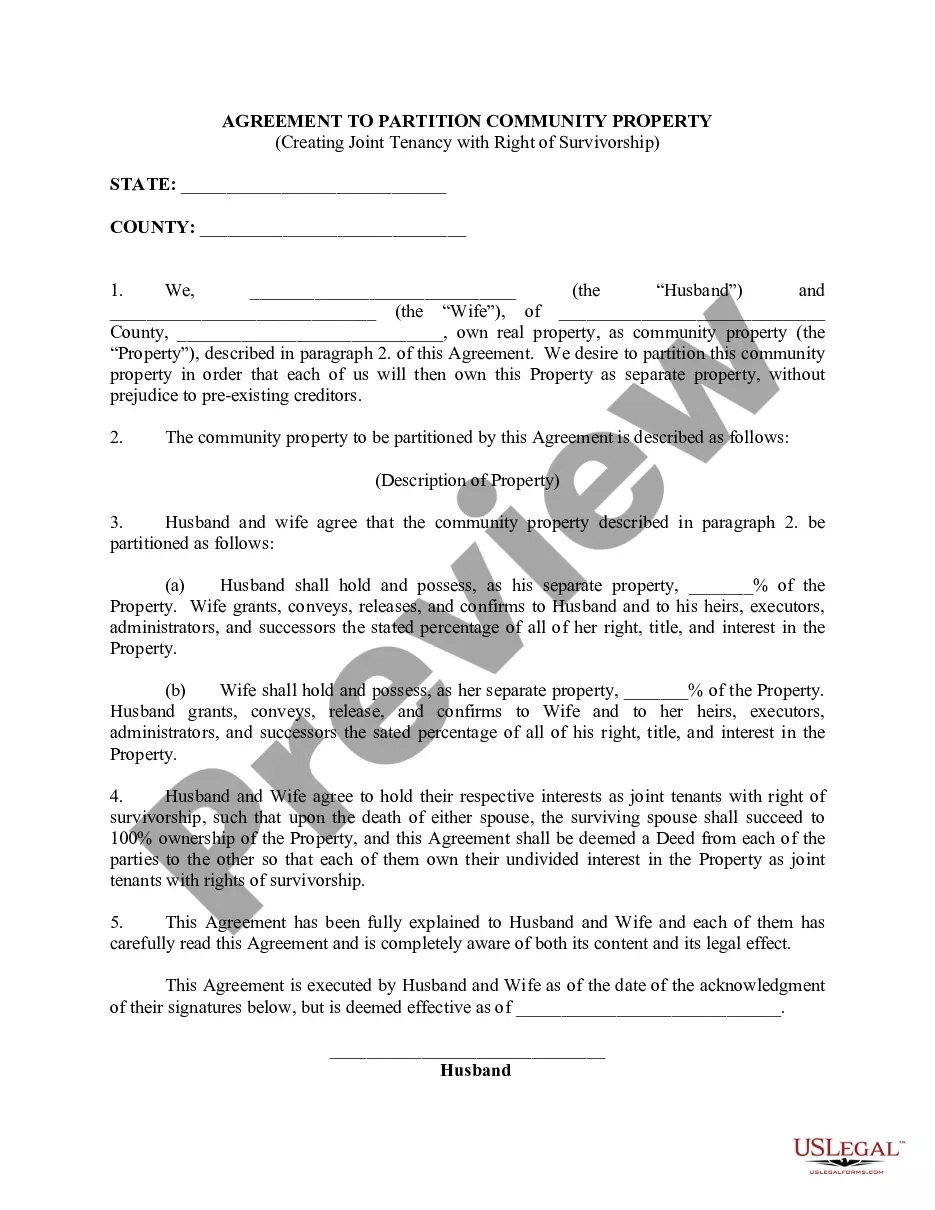
Joint tenancy involves two or more individuals owning property together, with the right of survivorship allowing the surviving owners to inherit the deceased owner's share. In contrast, an agreement right survivorship without joint tenancy allows for a designated beneficiary to receive the property after the owner's death, without the complexities of joint ownership. This arrangement can simplify estate planning, as it bypasses the need for probate. Understanding these differences can help you choose the best option for your situation.
Disadvantages of joint tenants with right of survivorship JTWROS accounts involving real estate may require all owners to consent to selling the property. Frozen bank accounts. In some cases, the probate court can freeze bank accounts until the estate is settled.
The most important difference between the two forms of ownership is that, if you enter a tenancy in common, you are not automatically creating rights of survivorship, so co-tenants can pass the property down to their heirs as a bequest.
Which of these cannot take title as a joint tenant with right of survivorship? A corporation. Because a corporation continues indefinitely until terminated by legal action, a corporation may never take title as a joint tenant. It would never die.
Key Takeaways. Some of the main benefits of joint tenancy include avoiding probate courts, sharing responsibility, and maintaining continuity. The primary pitfalls are the need for agreement, the potential for assets to be frozen, and loss of control over the distribution of assets after death.