Water Well Agreements With
Description
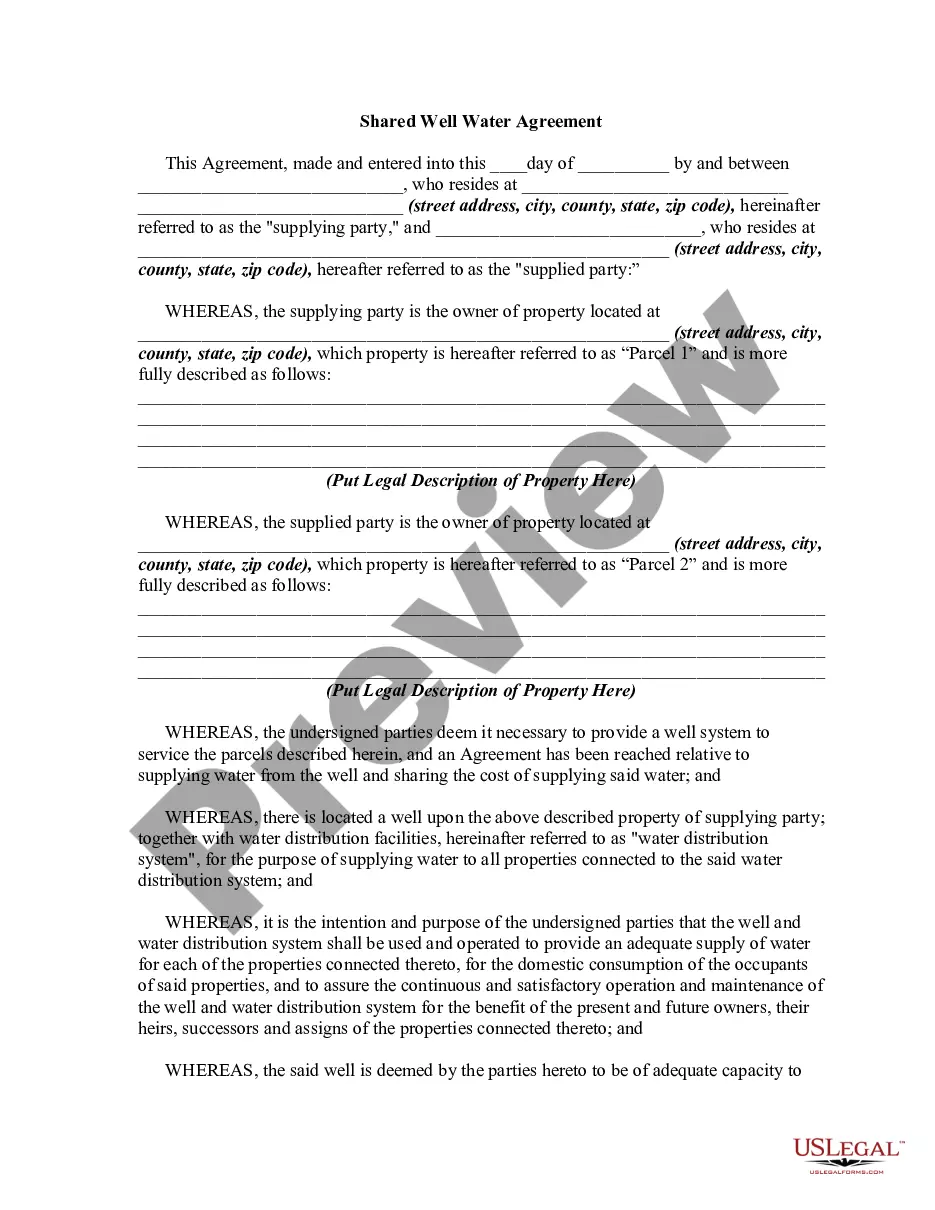
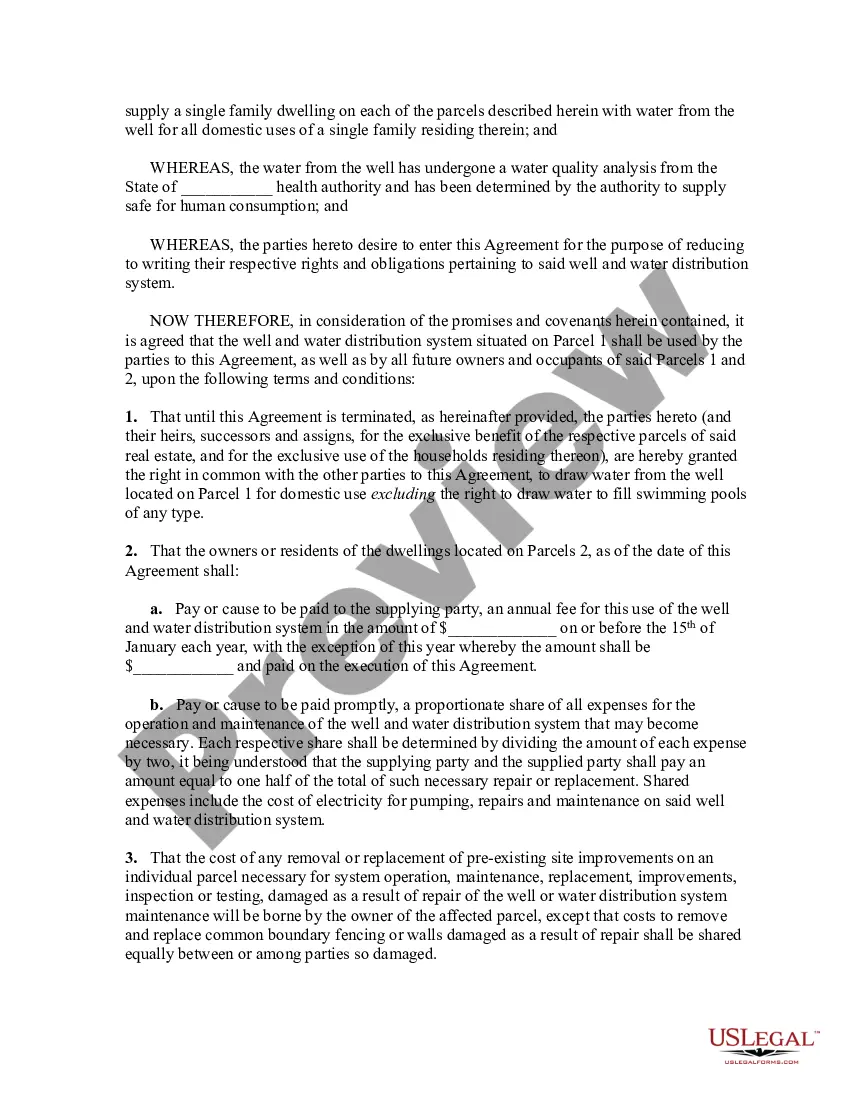
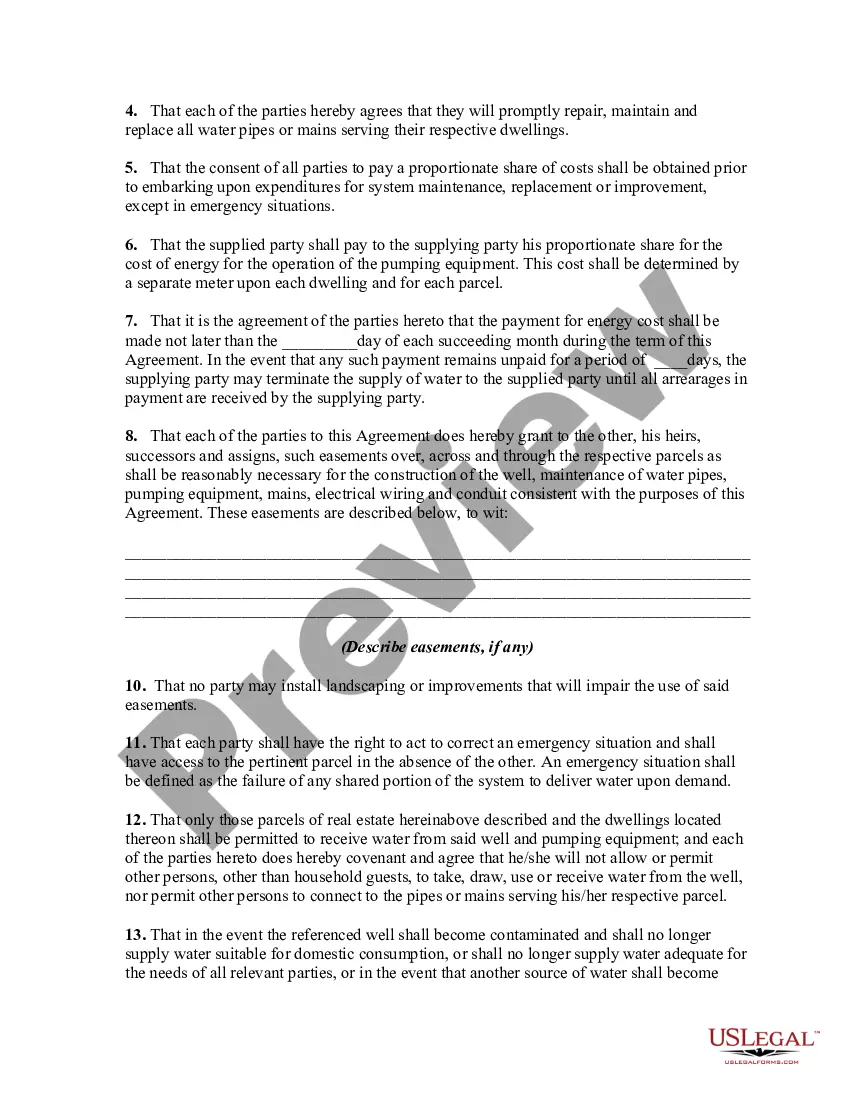
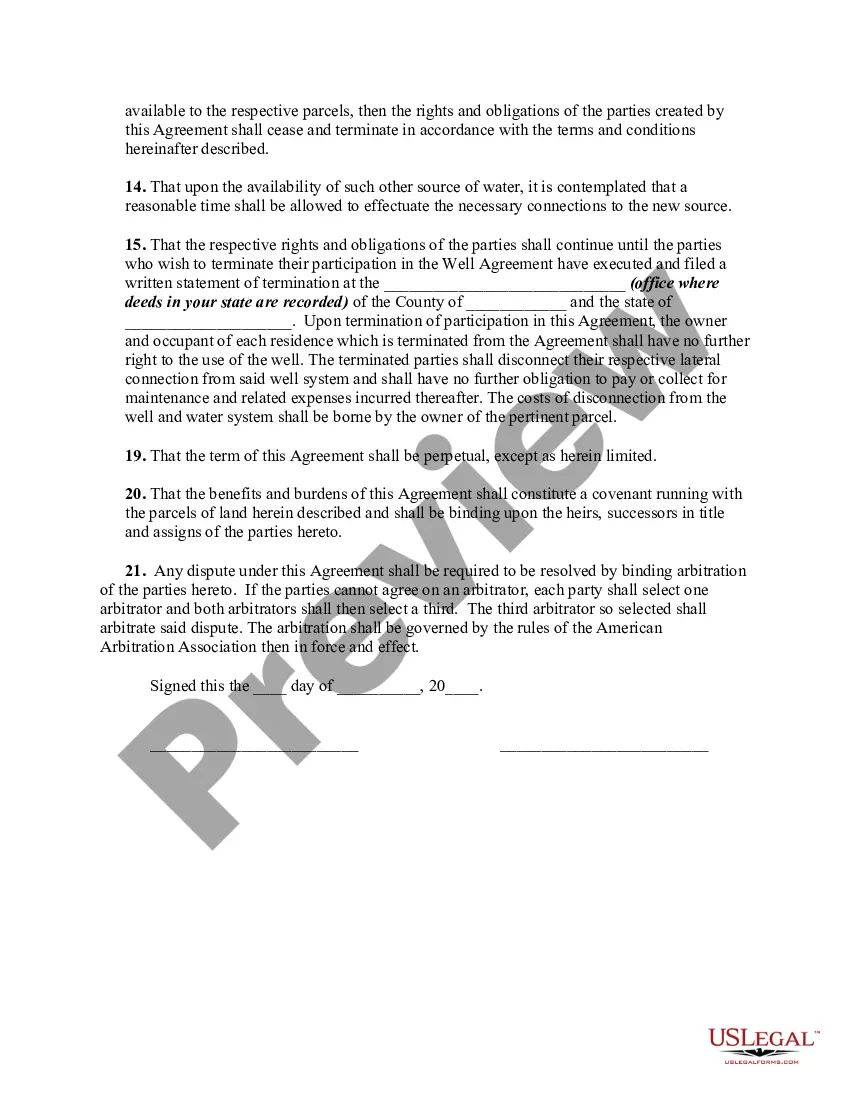
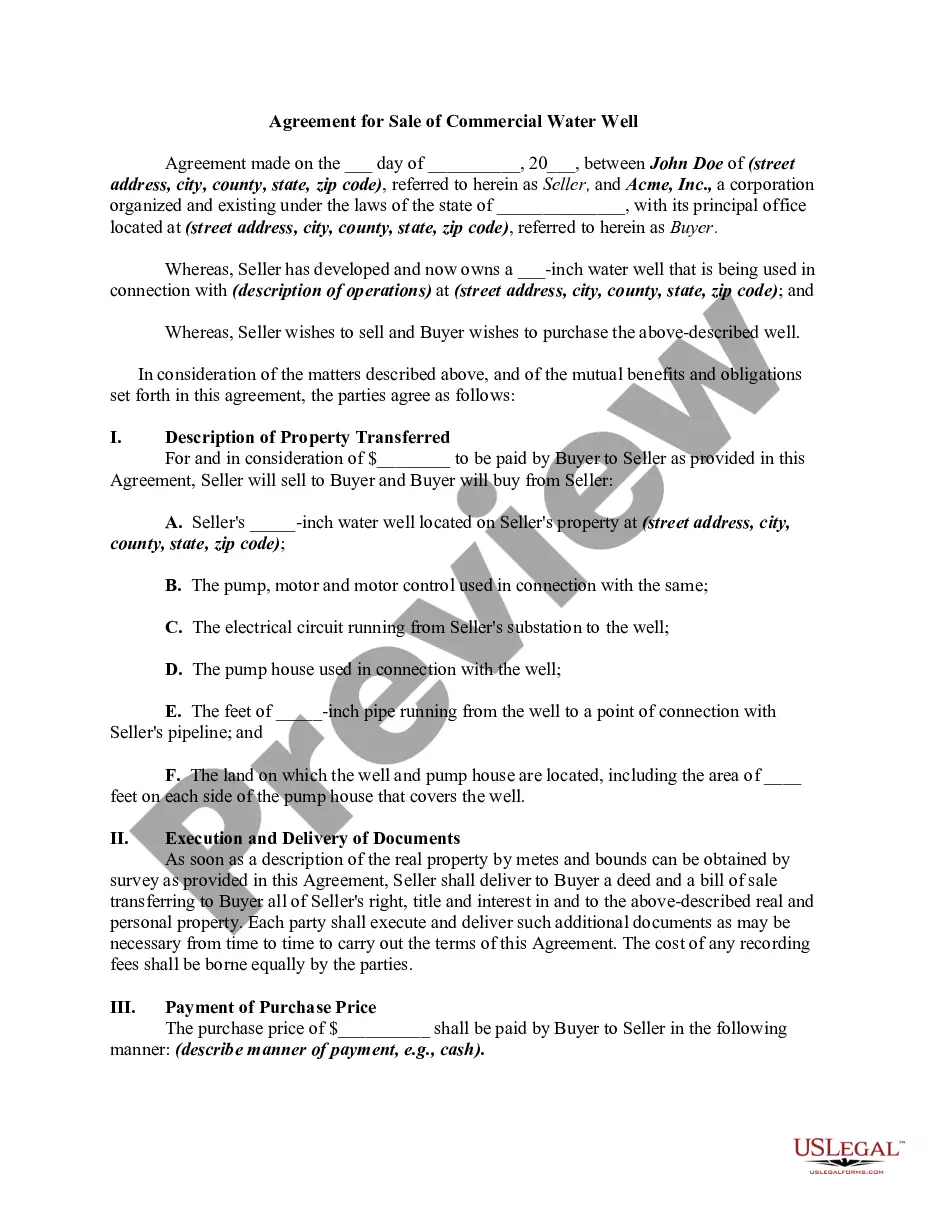
Get your form ready online
Our built-in tools help you complete, sign, share, and store your documents in one place.
Make edits, fill in missing information, and update formatting in US Legal Forms—just like you would in MS Word.
Download a copy, print it, send it by email, or mail it via USPS—whatever works best for your next step.
Sign and collect signatures with our SignNow integration. Send to multiple recipients, set reminders, and more. Go Premium to unlock E-Sign.
If this form requires notarization, complete it online through a secure video call—no need to meet a notary in person or wait for an appointment.
We protect your documents and personal data by following strict security and privacy standards.

Make edits, fill in missing information, and update formatting in US Legal Forms—just like you would in MS Word.

Download a copy, print it, send it by email, or mail it via USPS—whatever works best for your next step.

Sign and collect signatures with our SignNow integration. Send to multiple recipients, set reminders, and more. Go Premium to unlock E-Sign.

If this form requires notarization, complete it online through a secure video call—no need to meet a notary in person or wait for an appointment.

We protect your documents and personal data by following strict security and privacy standards.
Looking for another form?
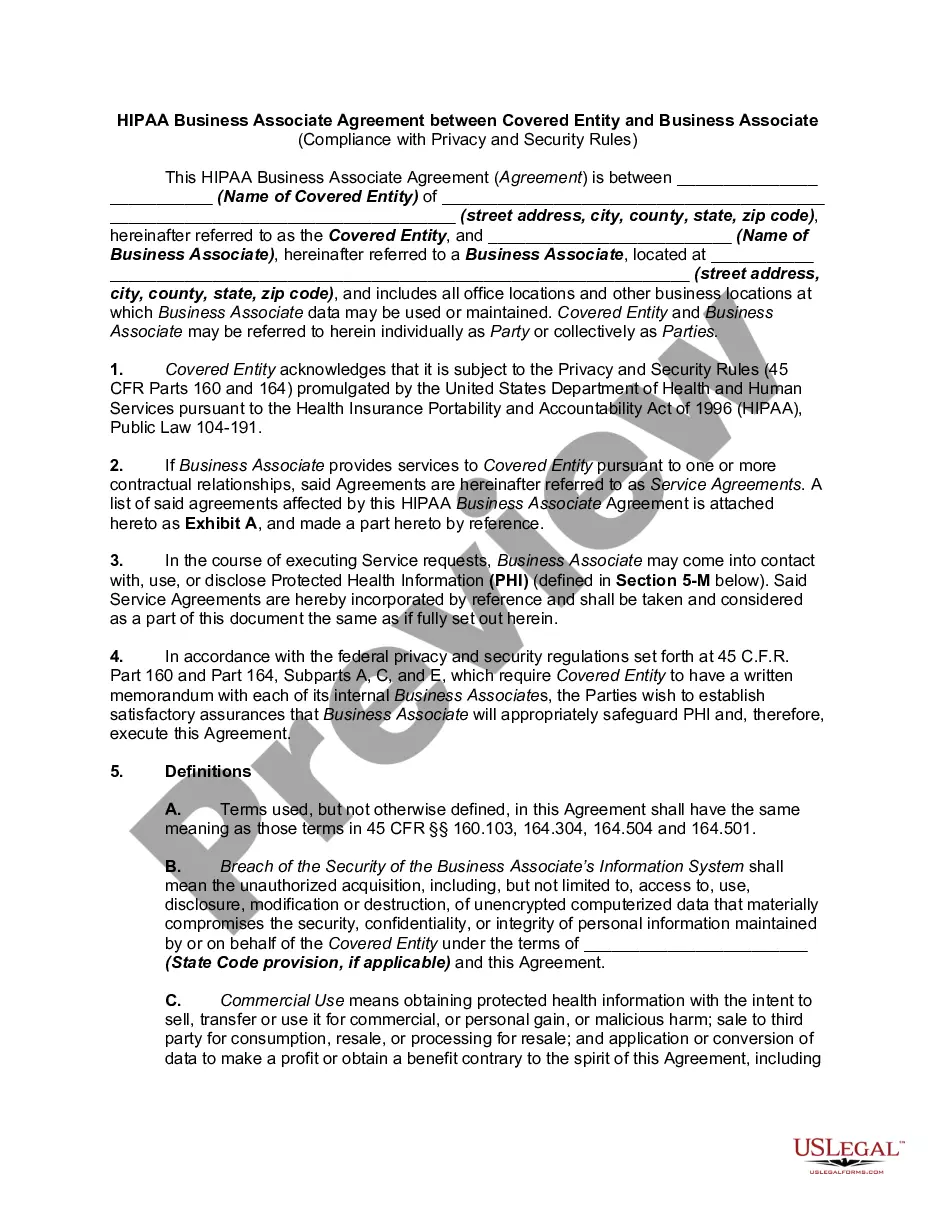
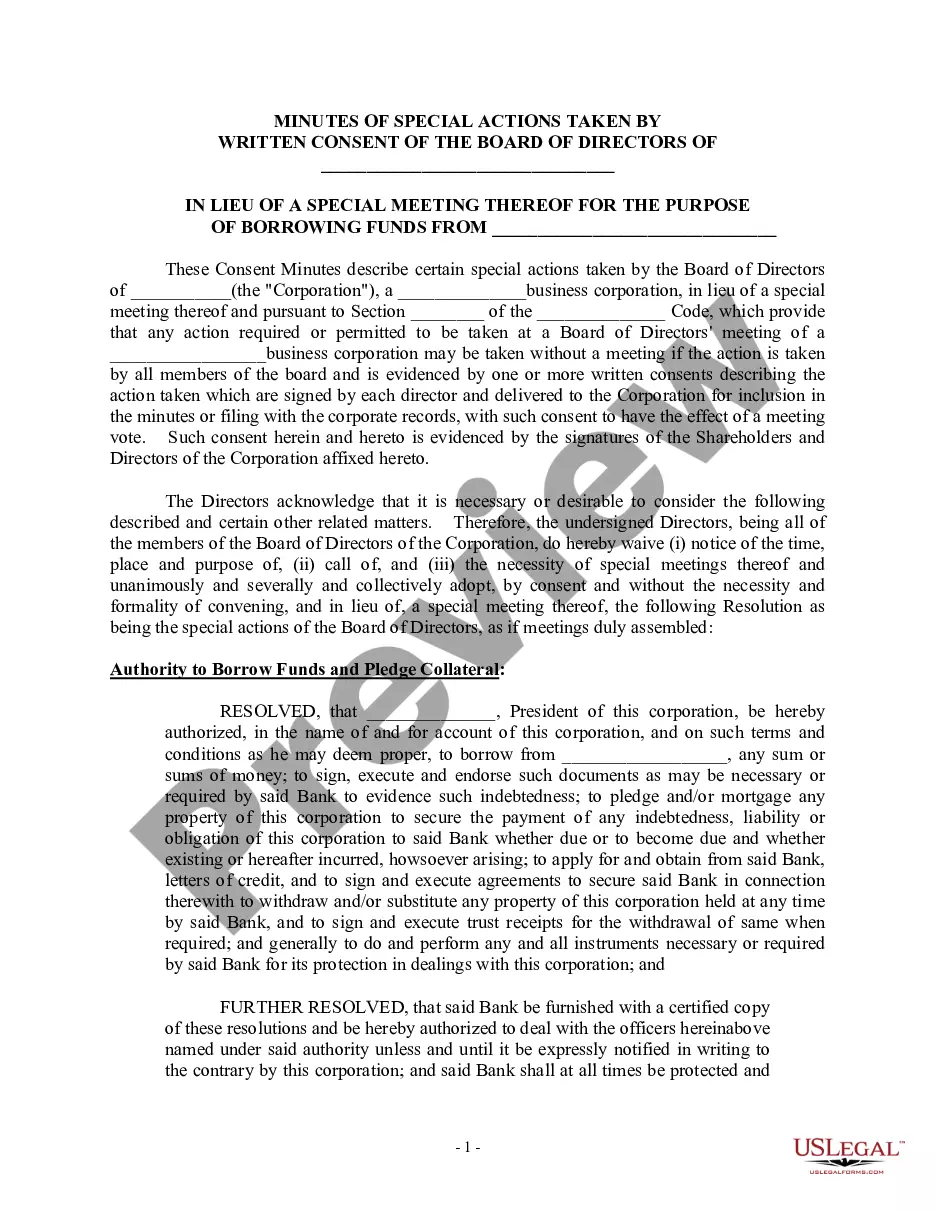
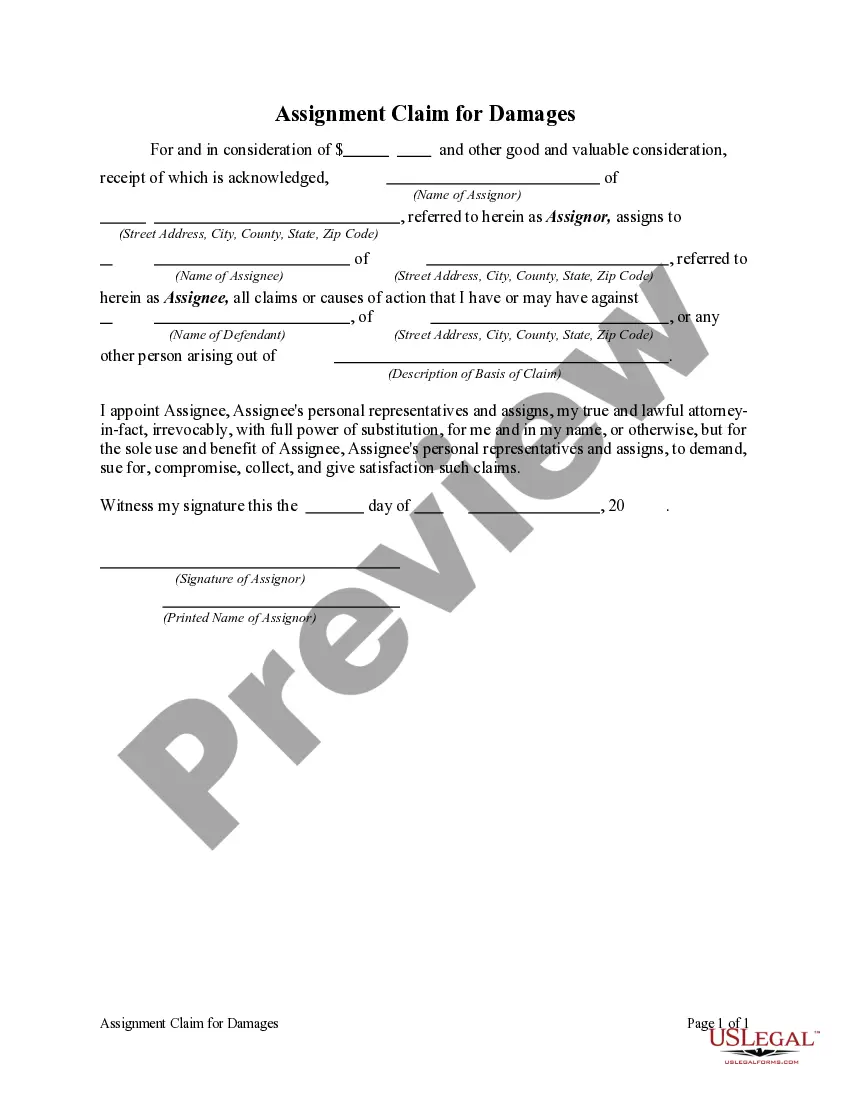




How to fill out Shared Well Water Agreement?
Regardless of whether for corporate reasons or individual concerns, everyone must confront legal circumstances at some point in their lives. Completing legal paperwork requires meticulous care, starting from choosing the appropriate template form.
For instance, if you select the incorrect version of the Water Well Agreements With, it will be denied upon submission. Therefore, it is crucial to have a reliable source for legal documents like US Legal Forms.
With a vast US Legal Forms catalog available, you no longer need to invest time scouring the internet for the right template. Benefit from the library’s straightforward navigation to find the appropriate template for any situation.
- Acquire the template you require by utilizing the search bar or browsing the catalog.
- Review the description of the form to ensure it fits your situation, state, and locality.
- Click on the form’s preview to examine it.
- If it’s the incorrect form, go back to the search feature to locate the Water Well Agreements With sample you need.
- Obtain the template if it fulfills your needs.
- If you possess a US Legal Forms account, just click Log in to access previously stored templates in My documents.
- In case you do not have an account yet, you can download the form by clicking Buy now.
- Select the correct pricing option.
- Complete the profile registration form.
- Choose your payment method: utilize a credit card or PayPal account.
- Select the document format you prefer and download the Water Well Agreements With.
- Once it is downloaded, you can fill out the form using editing software or print it and complete it by hand.
Form popularity
FAQ
Writing a simple agreement between two parties requires clear communication and structured format. Begin by outlining the purpose of the agreement, ensuring to include key details such as the names of both parties, the date, and specific terms. It is crucial to define the responsibilities and obligations of each party to avoid confusion later on. For those drafting water well agreements with specific terms, using platforms like US Legal Forms can streamline the process and ensure all legal criteria are met.
Typically, shared well agreements are not always recorded with government entities, but they can be legally binding if made in writing. Recording agreements can provide additional protection and public notice of the arrangement. It’s advisable to consult local regulations regarding recording practices. Using platforms like US Legal Forms can help you draft and store these agreements properly, ensuring that they meet necessary legal standards.
Yes, in certain circumstances, a person can force an easement on another property if they establish a legal right to it, such as through water well agreements with clear terms. However, this process typically requires a court order or a negotiation between property owners. To prevent disputes, it is crucial to document and communicate agreements regarding easements well in advance. Engaging legal assistance can make this process smoother.
Yes, you can terminate a shared well agreement, but it often depends on the original contract terms. Most agreements will specify conditions or procedures for termination. It is critical to review your contract carefully and consult with a legal professional if you're unsure. Taking these steps ensures that you follow the proper legal pathways and avoid complications.
To enforce water well agreements with stakeholders, parties typically rely on written contracts that clearly outline each person's responsibilities and rights. If disputes arise, it is often necessary to seek legal counsel to interpret the terms and ensure compliance. Mediation may also be an effective first step to resolve issues amicably. If all else fails, you can take the matter to court for final resolution.
Yes, two houses can share a water well, provided there is a clear water well agreement with defined rights and responsibilities. This arrangement can be beneficial for both households, reducing the costs associated with well drilling and maintenance. However, it's vital to establish fair terms in the agreement to prevent potential disputes over water usage.
Enforcing a well agreement requires clear documentation and communication among all parties involved. It is crucial to regularly review the agreement and address any issues as they arise. If conflicts persist, legal remedies may be necessary, which can involve mediation or consultation with legal experts, such as those found at USLegalForms, to ensure proper enforcement of your agreement.
Shared well agreements establish the terms under which multiple households can access and use a single well. These agreements typically outline usage rights, maintenance responsibilities, and costs associated with the well. To ensure clarity and fairness, it's advisable to involve legal professionals when creating these agreements, particularly using resources like USLegalForms.
Ownership of the water in your well typically depends on local laws and regulations, as well as any water well agreements with shared users. In many cases, homeowners may have rights to the groundwater beneath their property, but there may also be shared rights outlined in your legal agreement. It's essential to review your local water rights laws to understand your situation better.
Shared wells can lead to conflicts between homeowners regarding water usage and maintenance responsibilities. If one party overuses water, it can affect the availability for others. A well-designed water well agreement with clear guidelines can help mitigate these issues, promoting cooperation and harmony among users.