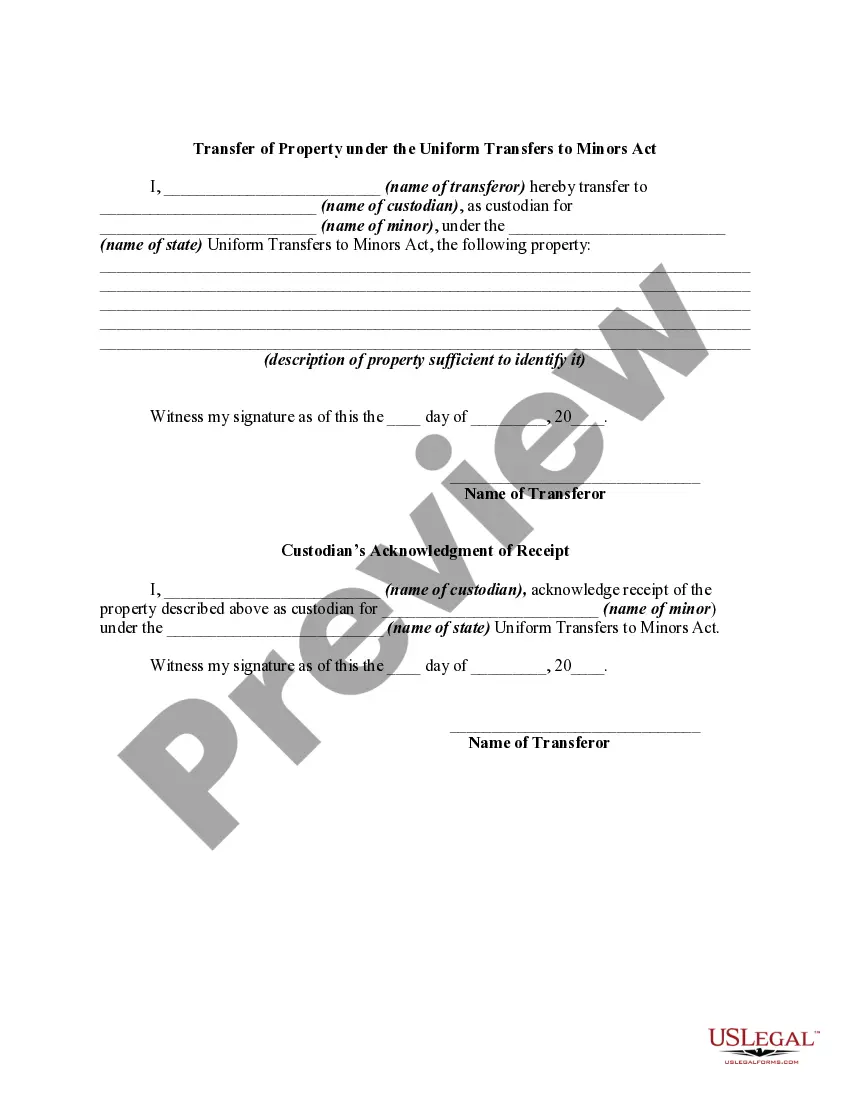
Transfer Property Under Act For Sale
Description
Get your form ready online
Our built-in tools help you complete, sign, share, and store your documents in one place.
Make edits, fill in missing information, and update formatting in US Legal Forms—just like you would in MS Word.
Download a copy, print it, send it by email, or mail it via USPS—whatever works best for your next step.
Sign and collect signatures with our SignNow integration. Send to multiple recipients, set reminders, and more. Go Premium to unlock E-Sign.
If this form requires notarization, complete it online through a secure video call—no need to meet a notary in person or wait for an appointment.
We protect your documents and personal data by following strict security and privacy standards.

Make edits, fill in missing information, and update formatting in US Legal Forms—just like you would in MS Word.

Download a copy, print it, send it by email, or mail it via USPS—whatever works best for your next step.

Sign and collect signatures with our SignNow integration. Send to multiple recipients, set reminders, and more. Go Premium to unlock E-Sign.

If this form requires notarization, complete it online through a secure video call—no need to meet a notary in person or wait for an appointment.

We protect your documents and personal data by following strict security and privacy standards.
Looking for another form?






How to fill out Transfer Of Property Under The Uniform Transfers To Minors Act?
Legal administration can be daunting, even for experienced professionals.
When seeking a Transfer Property Under Act For Sale and unable to dedicate time to find the correct and current version, the processes can be stressful.
US Legal Forms caters to any needs you may have, from personal to commercial documents, all within a single platform.
Employ enhanced tools to execute and oversee your Transfer Property Under Act For Sale.
Here are the steps to take after finding the form you need.
- Access a valuable collection of articles, manuals, and resources pertinent to your circumstances and requirements.
- Conserve time and effort in finding the documents you require, and leverage US Legal Forms’ advanced search and Preview feature to locate and download the Transfer Property Under Act For Sale.
- If you have a monthly subscription, Log In to your US Legal Forms account, search for the desired form, and download it.
- Examine your My documents section to review the documents you have previously saved as well as manage your folders according to your preference.
- If it’s your first experience with US Legal Forms, create a free account for unlimited access to the library's features.
- Utilize a comprehensive online form directory to transform how these situations are handled efficiently.
- US Legal Forms is a premier provider of digital legal forms, with over 85,000 state-specific legal forms available at your convenience.
- Access legal and business forms tailored to your state or county.
Form popularity
FAQ
The Connecticut Transfer Act has evolved over the years, and certain provisions have been replaced or updated to enhance clarity and compliance. Recent reforms focus on improving environmental regulations related to property transfers. Staying informed about these changes is critical when you transfer property under the act for sale.
Certain transactions may be exempt from the Transfer Act in Connecticut, including transfers between family members or in cases of foreclosure. Additionally, transfers that do not involve a change in ownership may also qualify for exemptions. Knowing these exemptions can help you effectively transfer property under the act for sale.
The Transfer Act in Connecticut governs the transfer of property and ensures that environmental concerns are addressed during the sale. This act mandates that sellers disclose any known environmental hazards before completing the transfer. Familiarity with this act is vital when you transfer property under the act for sale.
In the context of the Transfer of Property Act, any legal owner of a property can initiate a transfer. This includes individuals, corporations, or trusts that hold title to the property. Understanding who can transfer is crucial when planning to transfer property under the act for sale.
To legally transfer property ownership, start by preparing a deed that outlines the transfer details. Next, both the seller and buyer must sign the deed in the presence of a notary public. Finally, record the deed with the local land records office to finalize the transfer of property under the act for sale.
The Connecticut transfer Act is triggered when a property is sold or transferred to a new owner. This can occur through various means, such as a sale, gift, or inheritance. It is essential to understand this act to ensure compliance when you transfer property under the act for sale.
A sale results in the immediate transfer of property ownership, while an agreement to sell is a promise to transfer property at a later date or upon certain conditions being met. An agreement to sell does not confer ownership until the sale is completed, which can lead to confusion. To clarify your options when you need to transfer property under act for sale, consulting resources like uslegalforms can provide valuable assistance.
To transfer property from one person to another, you must create a legally binding document, often a sale deed, that clearly outlines the terms of the transaction. This deed should be executed and duly registered with the appropriate authorities to provide legal validity. Utilizing platforms like uslegalforms can simplify this process, guiding you to effectively transfer property under act for sale.
A sale, as defined in the Transfer of Property Act, refers to the transfer of ownership of property in exchange for a monetary consideration. This transaction must be executed through a registered deed, ensuring legal recognition and protection for both parties. If you aim to transfer property under act for sale, knowing the legal framework surrounding sales is essential for a smooth transaction.
The primary purpose of the Transfer of Property Act is to regulate the transfer of property rights and ensure legal clarity in real estate transactions. This act establishes the rules for how property can be sold, gifted, or leased, protecting the rights of both buyers and sellers. By outlining these regulations, the act aims to prevent disputes and facilitate smoother property transfers. For individuals looking to transfer property under act for sale, understanding this act is crucial, and platforms like USLegalForms can provide essential support.