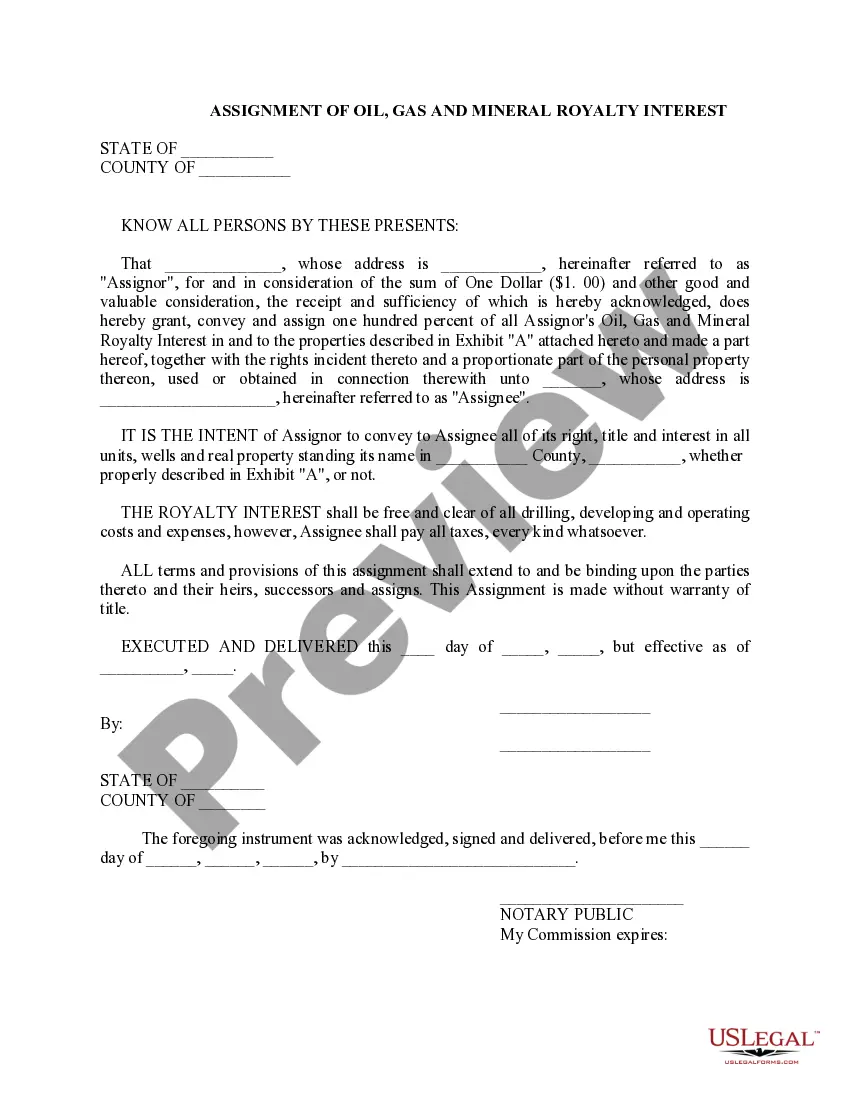
Royalty Mineral Rights
Description
Get your form ready online
Our built-in tools help you complete, sign, share, and store your documents in one place.
Make edits, fill in missing information, and update formatting in US Legal Forms—just like you would in MS Word.
Download a copy, print it, send it by email, or mail it via USPS—whatever works best for your next step.
Sign and collect signatures with our SignNow integration. Send to multiple recipients, set reminders, and more. Go Premium to unlock E-Sign.
If this form requires notarization, complete it online through a secure video call—no need to meet a notary in person or wait for an appointment.
We protect your documents and personal data by following strict security and privacy standards.

Make edits, fill in missing information, and update formatting in US Legal Forms—just like you would in MS Word.

Download a copy, print it, send it by email, or mail it via USPS—whatever works best for your next step.

Sign and collect signatures with our SignNow integration. Send to multiple recipients, set reminders, and more. Go Premium to unlock E-Sign.

If this form requires notarization, complete it online through a secure video call—no need to meet a notary in person or wait for an appointment.

We protect your documents and personal data by following strict security and privacy standards.
Looking for another form?


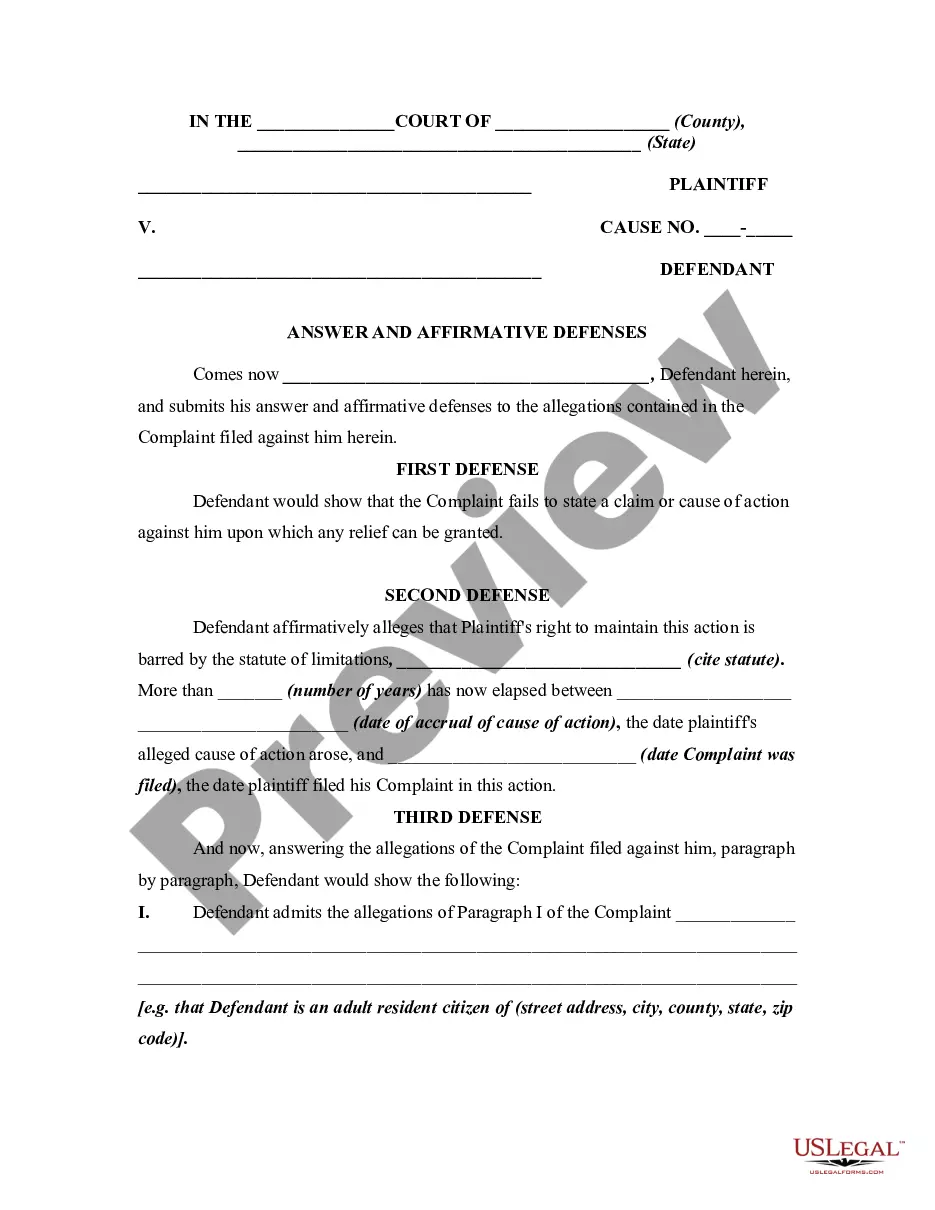



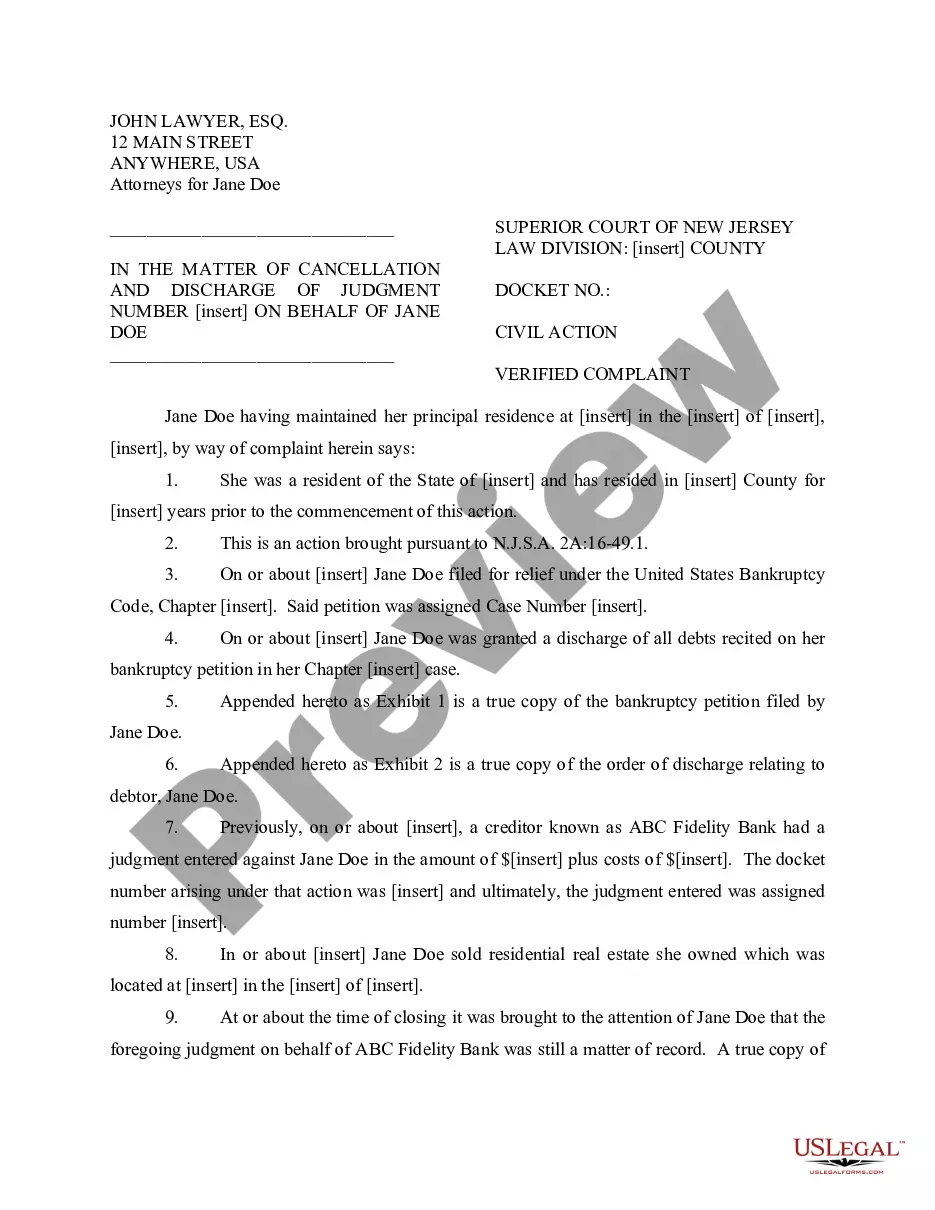

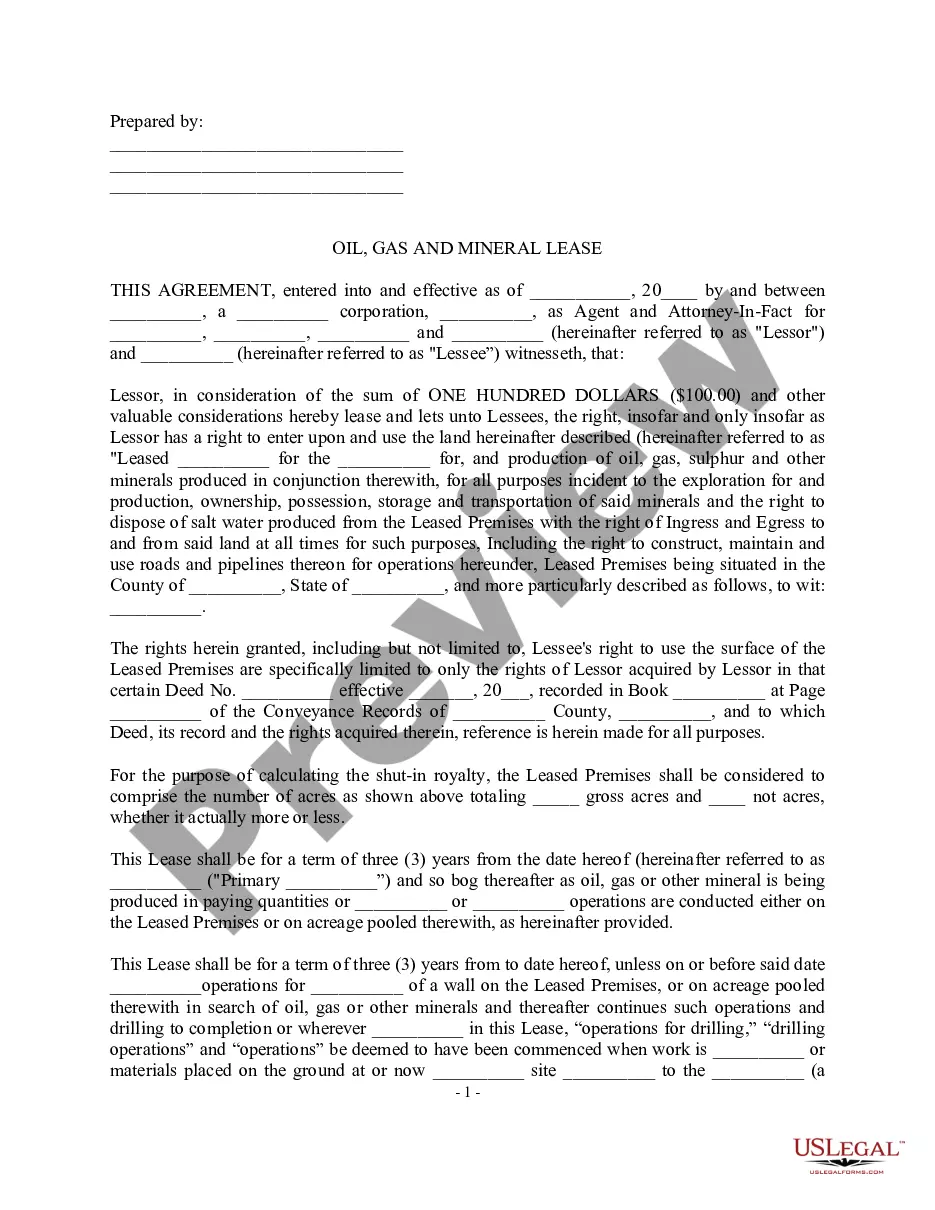
How to fill out Oil, Gas And Mineral Royalty Transfer?
- Log in to your US Legal Forms account to access your purchased documents. Ensure your subscription is active; if not, choose a renewal plan that fits your needs.
- Preview the form you need by reviewing its description and local jurisdiction requirements to ensure it's the right match for your situation.
- Use the search functionality to explore additional templates if the first option doesn't meet your criteria.
- Select the desired template by clicking the Purchase button and choose a subscription plan that suits your needs. You’ll need to create an account to proceed.
- Complete your order by entering your payment details, either through credit card or PayPal, to finalize the subscription.
- Download the completed form directly to your device and access it anytime from the My Forms section of your profile.
In conclusion, US Legal Forms offers a user-friendly platform that streamlines the process of obtaining crucial legal documents related to royalty mineral rights. Its vast library, expert assistance, and robust selection make it an ideal resource for individuals and attorneys alike.
Start your journey today by visiting US Legal Forms and exploring the extensive legal resources available at your fingertips.
Form popularity
FAQ
Recording mineral rights involves preparing a deed that describes the rights and filing it with the local authority. This legally protects your ownership and ensures public knowledge of your rights to royalties. Platforms like USLegalForms offer resources to help you create the necessary documents efficiently.
To record mineral rights, you typically need to file a document with your local county clerk's office. This document acts as public evidence of your ownership of the royalty mineral rights. Using a platform like USLegalForms can simplify the process of preparing and filing the required documentation.
You report mineral rights income by listing it on your tax return under Schedule E. This includes income derived from royalty mineral rights associated with oil, gas, or other minerals extracted from the land. Maintain thorough records of production and income to ensure accurate reporting.
Mineral rights are classified as real property assets. They provide ownership over the minerals beneath the land and can yield significant income through royalties. As a valuable asset, they can also appreciate over time, making them a good investment.
To report mineral rights on your tax return, you will generally use Schedule E of IRS Form 1040. Here, you will detail income from royalty mineral rights earned through oil, gas, or other resources. Accurate documentation of expenses related to these rights can help reduce your taxable income.
Mineral rights are not directly considered royalties, but they can generate royalty income. When you own royalty mineral rights, you receive payments based on the production of minerals from the land. Thus, while they are related, they represent different aspects of land ownership.
Reporting royalty income involves including it on your tax return. You must declare the income on Schedule E of IRS Form 1040 if you receive payments for royalty mineral rights. Keep clear records of the amounts received, as this information will help you complete your tax forms accurately.
To get mineral royalties, you must first own the mineral rights to the land or operate under a lease agreement that grants you a share of production. Once you establish your rights, you can lease them to energy companies for extraction. Ensure you negotiate favorable terms to maximize your royalty payments. The US Legal Forms platform can provide templates and legal advice to streamline this process.
Mineral rights royalties are payments made to landowners for the extraction and sale of minerals from their property. These royalties are typically calculated based on a percentage of the revenue earned from the minerals produced. Understanding your agreement's terms is essential for maximizing your earnings and ensuring that you receive the correct payments. If you need guidance, US Legal Forms offers resources to help landowners understand their royalty mineral rights.
To obtain mineral rights on your property, you need to first research the ownership records in your local land office. Look for any existing leases or agreements that may affect your rights. If you find that you hold the rights, you may choose to lease them for further development. For more detailed assistance, consider using the US Legal Forms platform to access necessary legal documents.