Uniform Trade Secrets Act With 1985 Amendments
Description
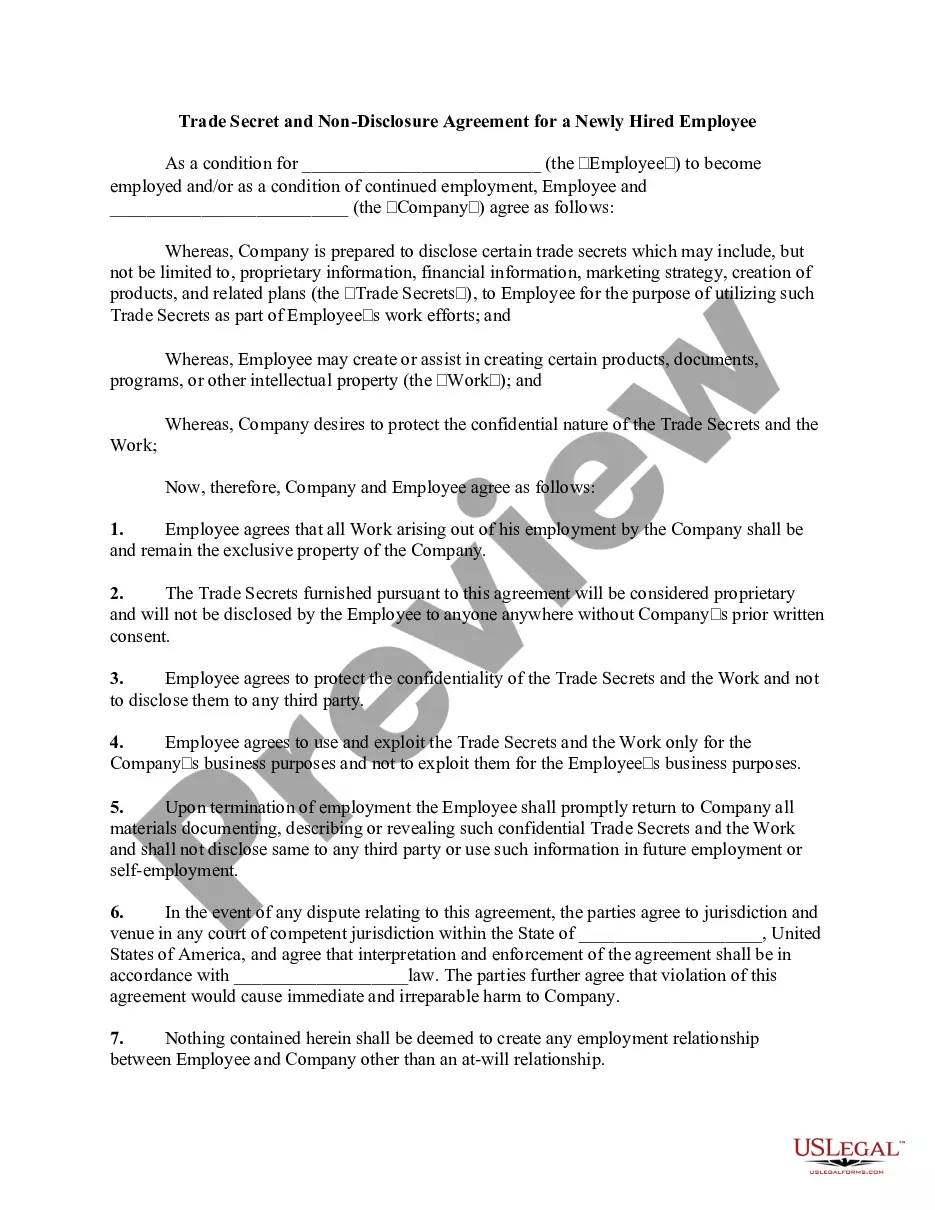
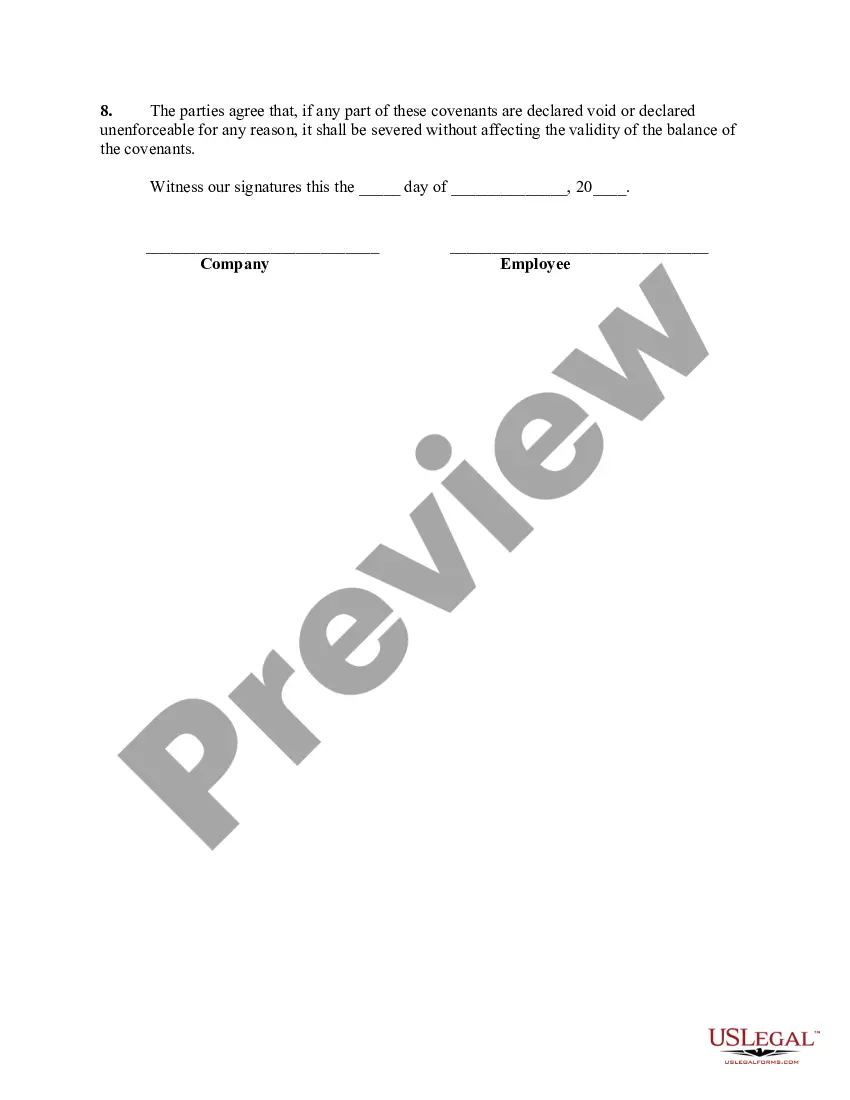
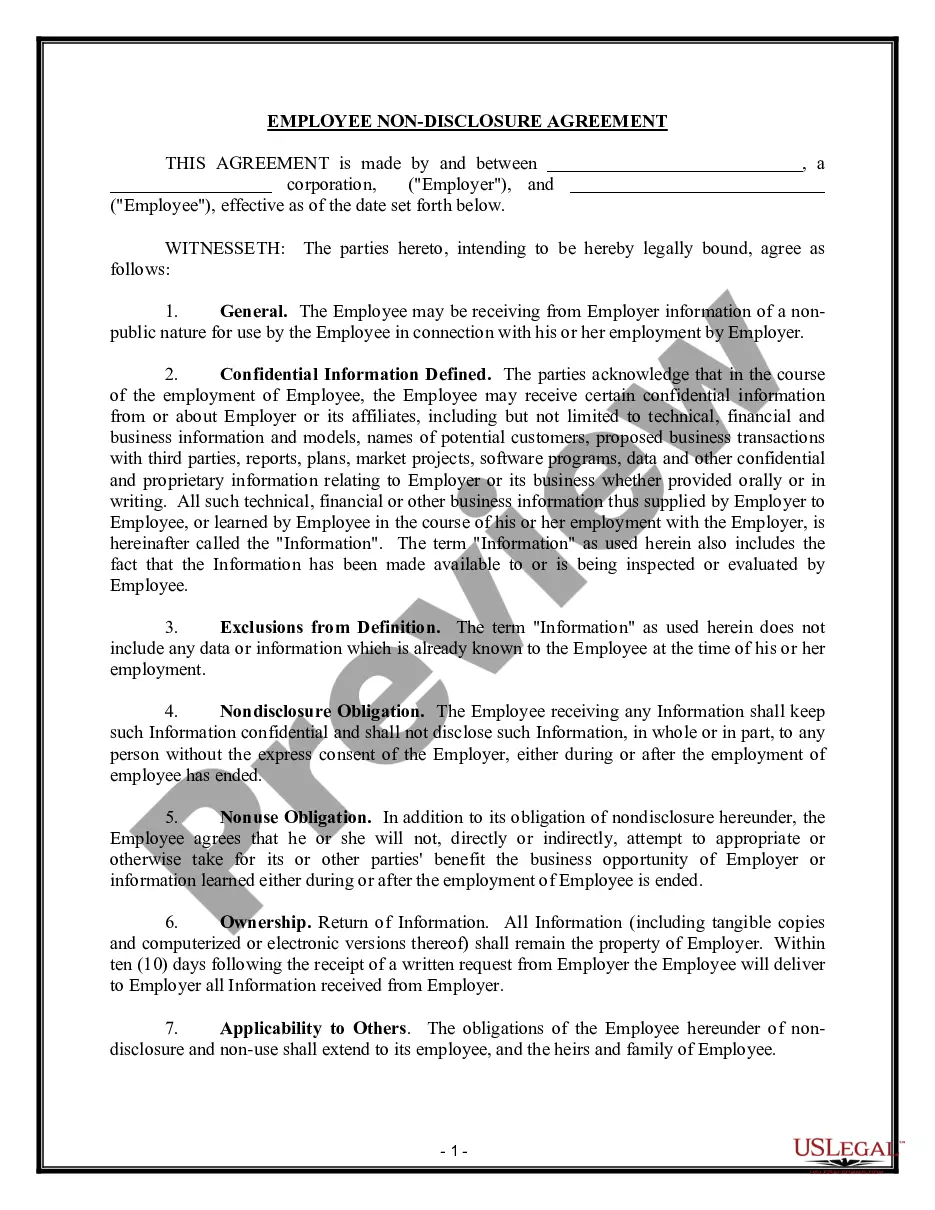
Get your form ready online
Our built-in tools help you complete, sign, share, and store your documents in one place.
Make edits, fill in missing information, and update formatting in US Legal Forms—just like you would in MS Word.
Download a copy, print it, send it by email, or mail it via USPS—whatever works best for your next step.
Sign and collect signatures with our SignNow integration. Send to multiple recipients, set reminders, and more. Go Premium to unlock E-Sign.
If this form requires notarization, complete it online through a secure video call—no need to meet a notary in person or wait for an appointment.
We protect your documents and personal data by following strict security and privacy standards.

Make edits, fill in missing information, and update formatting in US Legal Forms—just like you would in MS Word.

Download a copy, print it, send it by email, or mail it via USPS—whatever works best for your next step.

Sign and collect signatures with our SignNow integration. Send to multiple recipients, set reminders, and more. Go Premium to unlock E-Sign.

If this form requires notarization, complete it online through a secure video call—no need to meet a notary in person or wait for an appointment.

We protect your documents and personal data by following strict security and privacy standards.
Looking for another form?
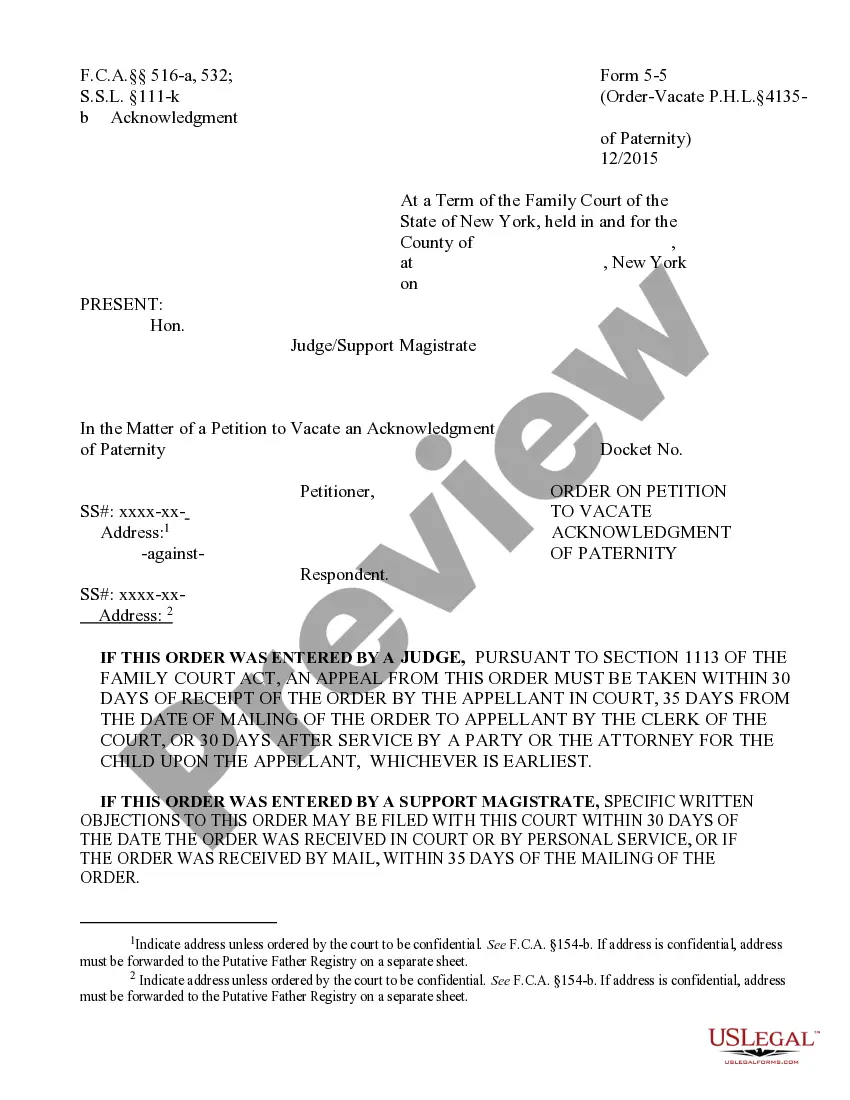





How to fill out Trade Secret And Nondisclosure Agreement For A Newly Hired Employee?
Locating a reliable source to obtain the most up-to-date and suitable legal templates is a significant part of managing bureaucracy.
Selecting the correct legal documents requires accuracy and meticulousness, which is why it is essential to obtain examples of the Uniform Trade Secrets Act with 1985 Amendments exclusively from trusted providers, such as US Legal Forms.
Eliminate the complications associated with your legal documentation. Explore the extensive catalog of US Legal Forms, where you can access legal templates, assess their relevance to your situation, and download them immediately.
- Utilize the library navigation or search function to locate your sample.
- Examine the form’s description to determine if it meets the criteria of your state and locality.
- Check the form preview, if available, to verify that the template is indeed what you need.
- Return to the search to obtain the right document if the Uniform Trade Secrets Act with 1985 Amendments does not satisfy your specifications.
- Once you are confident about the form’s applicability, download it.
- If you are a registered user, click Log in to verify your identity and access your chosen templates in My documents.
- If you do not yet have an account, click Buy now to acquire the form.
- Choose the pricing option that meets your needs.
- Proceed with the registration to finalize your purchase.
- Complete your transaction by selecting a payment method (credit card or PayPal).
- Choose the document format for downloading the Uniform Trade Secrets Act with 1985 Amendments.
- After acquiring the form on your device, you can modify it using the editor or print it out and fill it in by hand.
Form popularity
FAQ
To cite the Uniform Trade Secrets Act, refer to the specific version of the statute applicable in your state. For the original 1985 law, you would typically cite it as 'Uniform Trade Secrets Act (UTSA), 1985.' If you are discussing the more recent amendments or any related state variations, ensure to adjust your citation accordingly.
The Uniform Trade Secrets Act (UTSA) provides a uniform legal framework for the protection of trade secrets across the United States. Adopted by many states, the UTSA allows businesses to legally protect their confidential information from unauthorized use. The 1985 amendments enhanced the act, solidifying its relevance in today's economy. By understanding the UTSA, businesses can better navigate the complexities of trade secret protection.
How do you get a Satisfaction of Mortgage? A Satisfaction of Mortgage is issued by the lender after they have received the final mortgage payment from the borrower. It's signed by the mortgagee (in the presence of a witness in some states and counties) and then notarized by a registered notary public.
A satisfaction of mortgage is a signed document confirming that the borrower has paid off the mortgage in full and that the mortgage is no longer a lien on the property.
State property records will show whether your lien is released. You can find information on property records by contacting your local Secretary of State or county recorder of deeds. After you pay off your mortgage, your lender should also return the original note to you.
If the satisfaction isn't recorded within a minimum of 60 days, they may incur penalties and be held liable for damages and attorney's fees.
A satisfaction of mortgage is a document that proves the borrower has paid off the mortgage in full, freeing the loan's lien on the property and giving the title to the borrower.
A promissory note provides the financial details of the loan's repayment, such as the interest rate and method of payment. A mortgage specifies the procedure that will be followed if the borrower doesn't repay the loan. If you live in a deed of trust state, you will not get a mortgage note.
Within 60 days of the date of receipt of the full payment of the mortgage, lien, or judgment, the person required to acknowledge satisfaction of the mortgage, lien, or judgment shall send or cause to be sent the recorded satisfaction to the person who has made the full payment.