Insurance Contract Example
Description
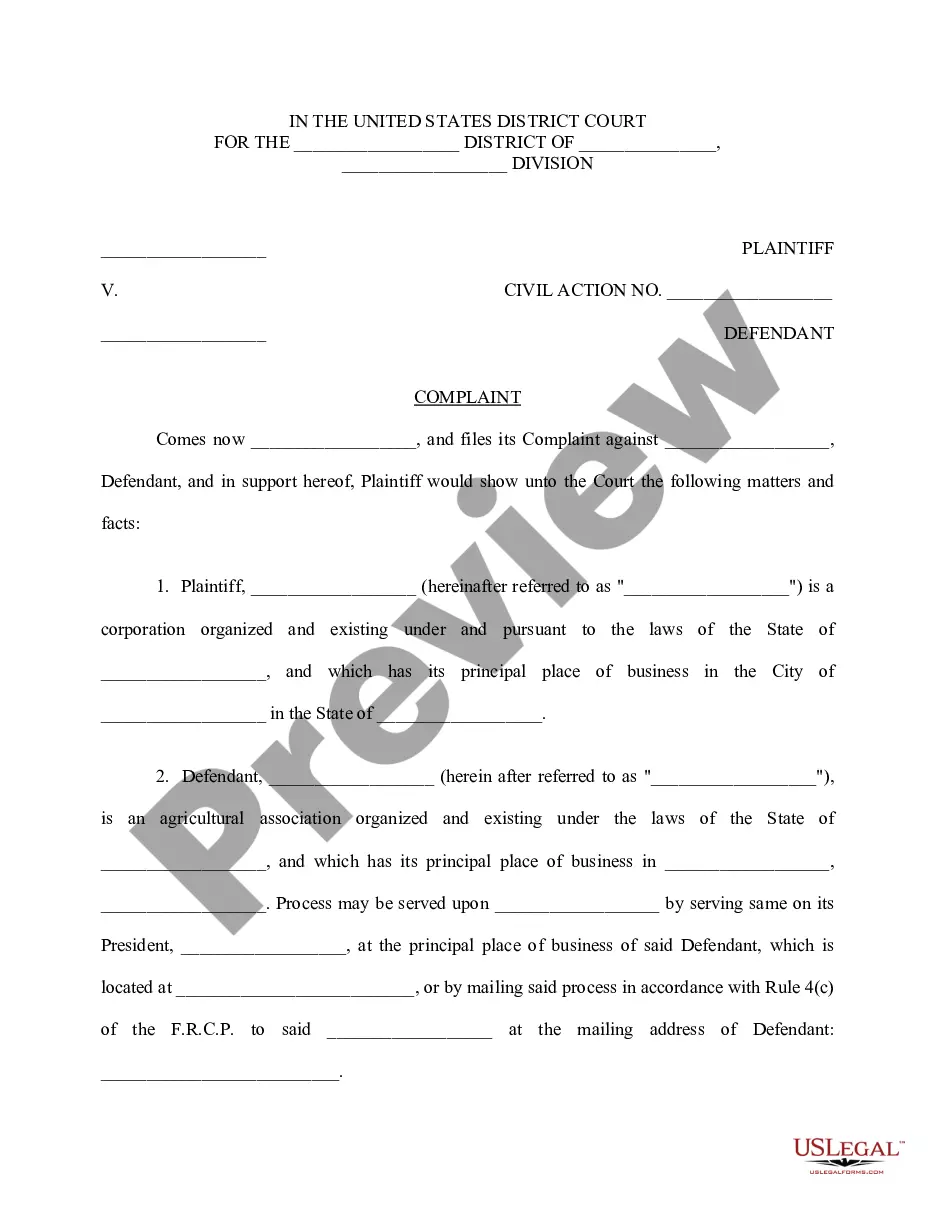
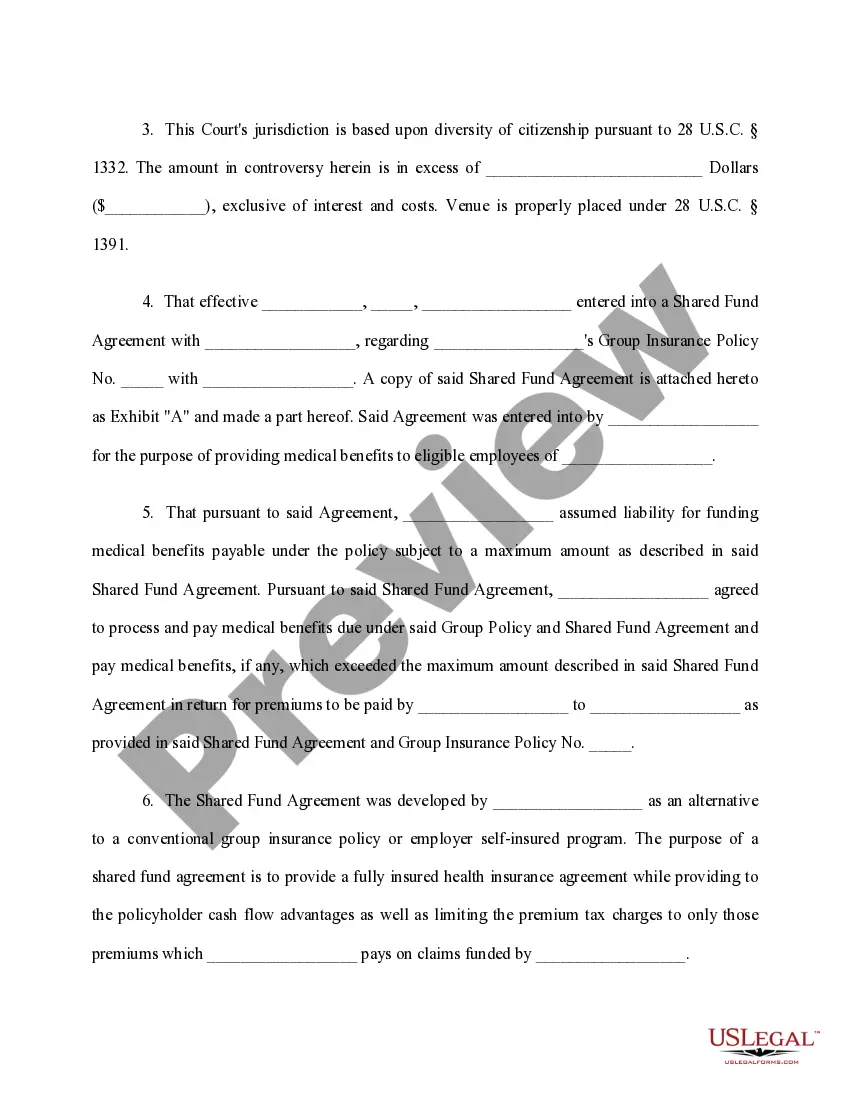
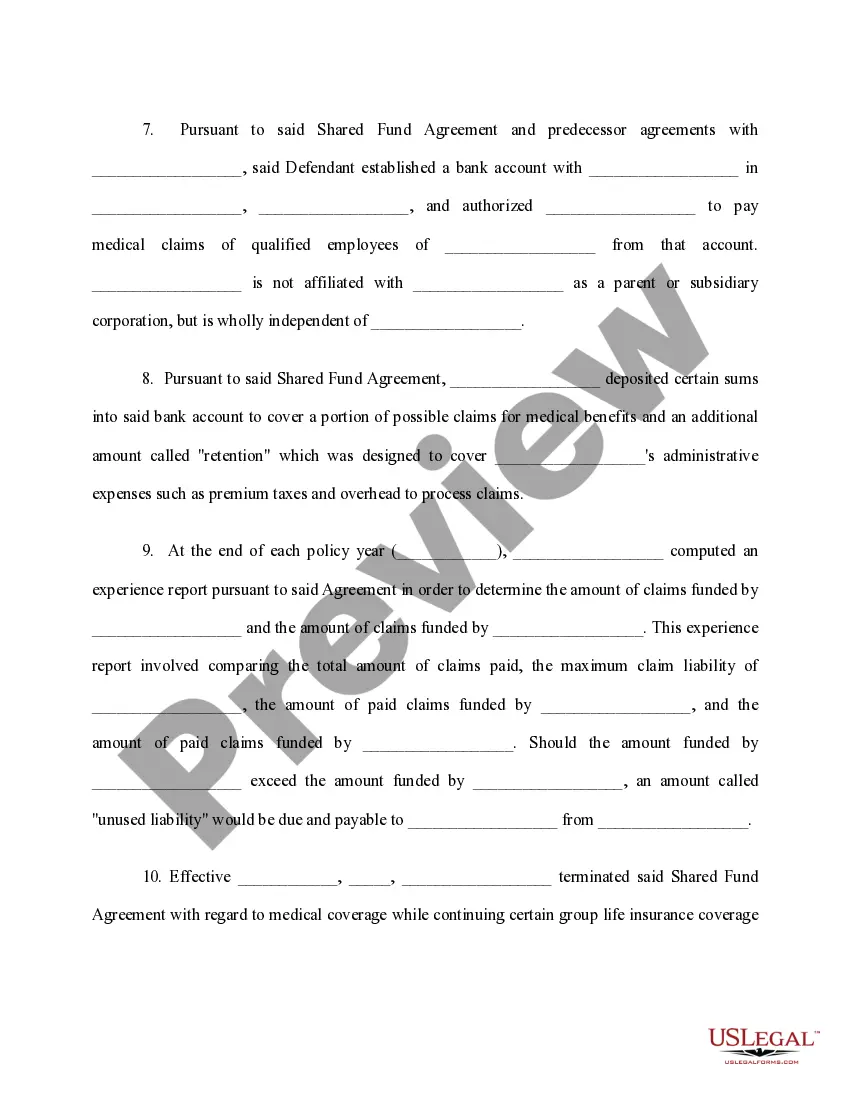
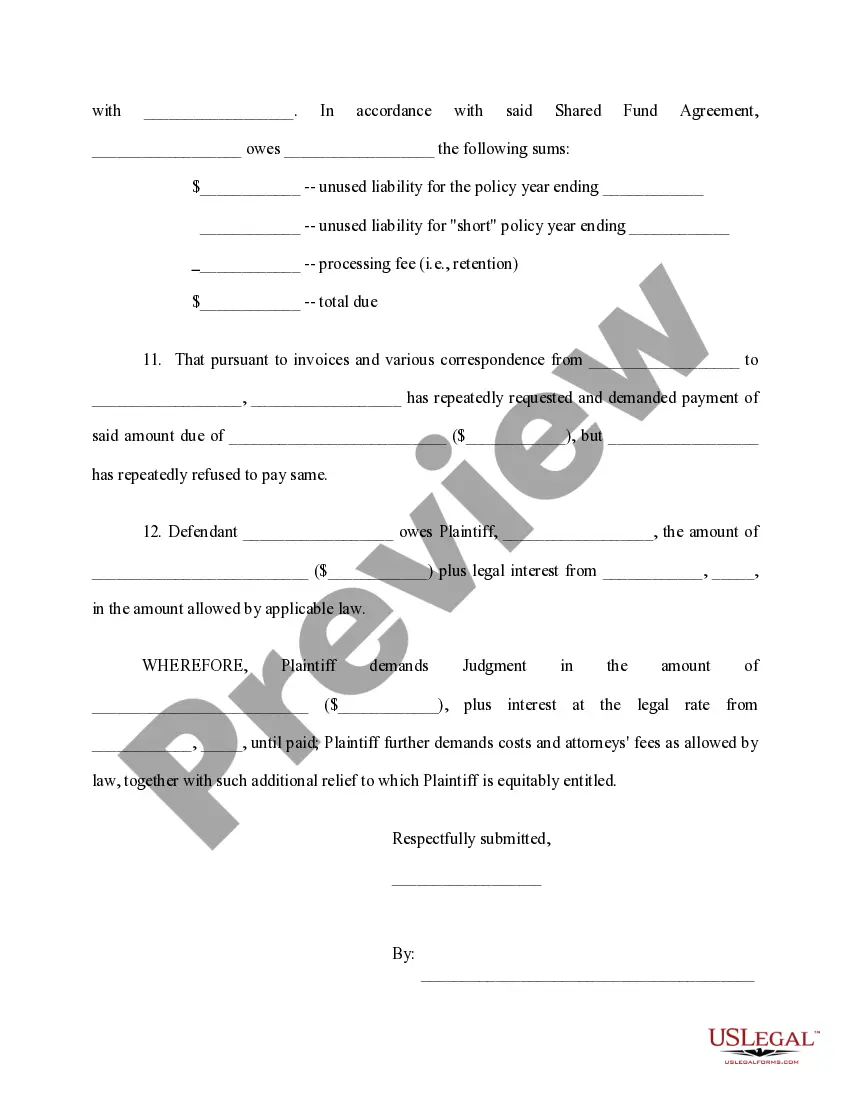
Get your form ready online
Our built-in tools help you complete, sign, share, and store your documents in one place.
Make edits, fill in missing information, and update formatting in US Legal Forms—just like you would in MS Word.
Download a copy, print it, send it by email, or mail it via USPS—whatever works best for your next step.
Sign and collect signatures with our SignNow integration. Send to multiple recipients, set reminders, and more. Go Premium to unlock E-Sign.
If this form requires notarization, complete it online through a secure video call—no need to meet a notary in person or wait for an appointment.
We protect your documents and personal data by following strict security and privacy standards.

Make edits, fill in missing information, and update formatting in US Legal Forms—just like you would in MS Word.

Download a copy, print it, send it by email, or mail it via USPS—whatever works best for your next step.

Sign and collect signatures with our SignNow integration. Send to multiple recipients, set reminders, and more. Go Premium to unlock E-Sign.

If this form requires notarization, complete it online through a secure video call—no need to meet a notary in person or wait for an appointment.

We protect your documents and personal data by following strict security and privacy standards.
Looking for another form?
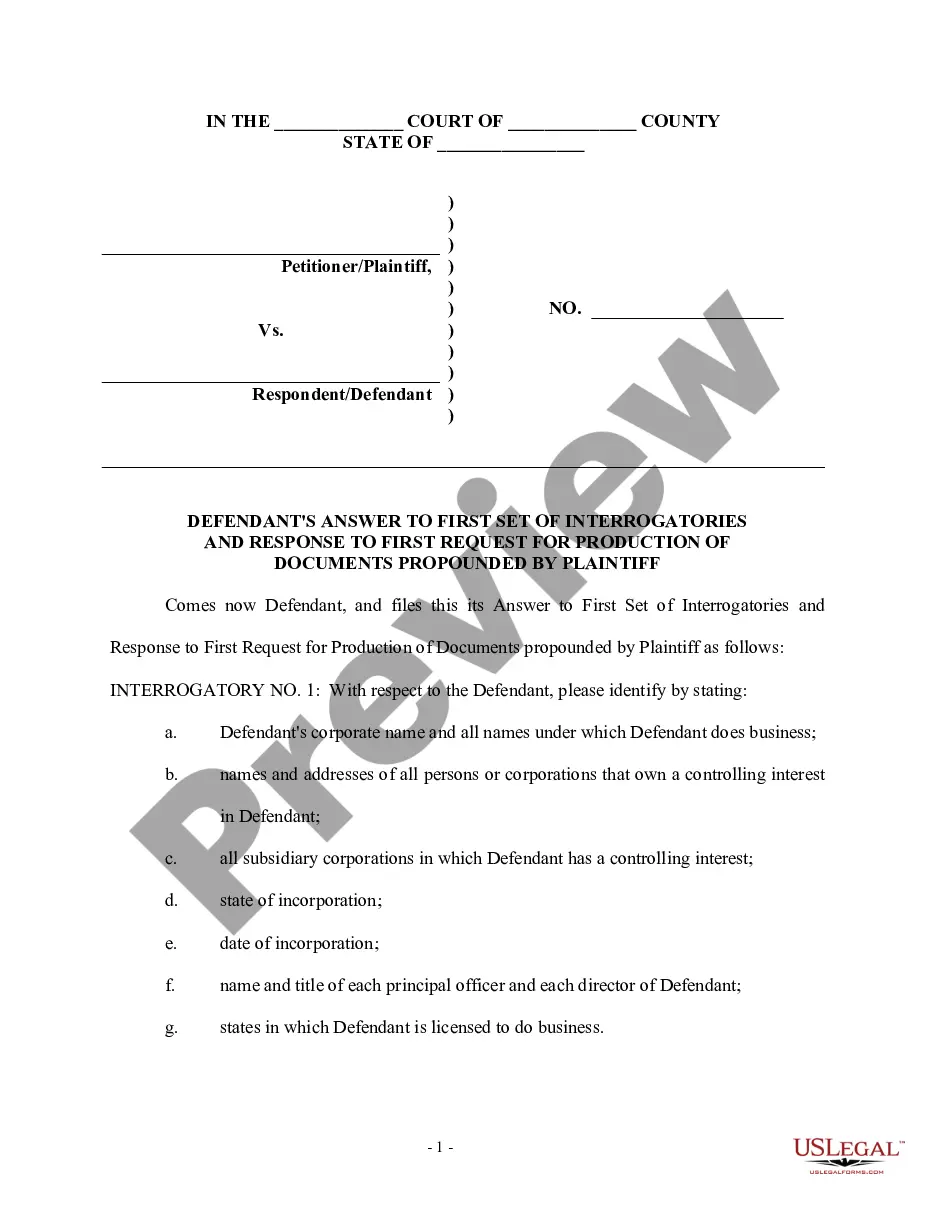
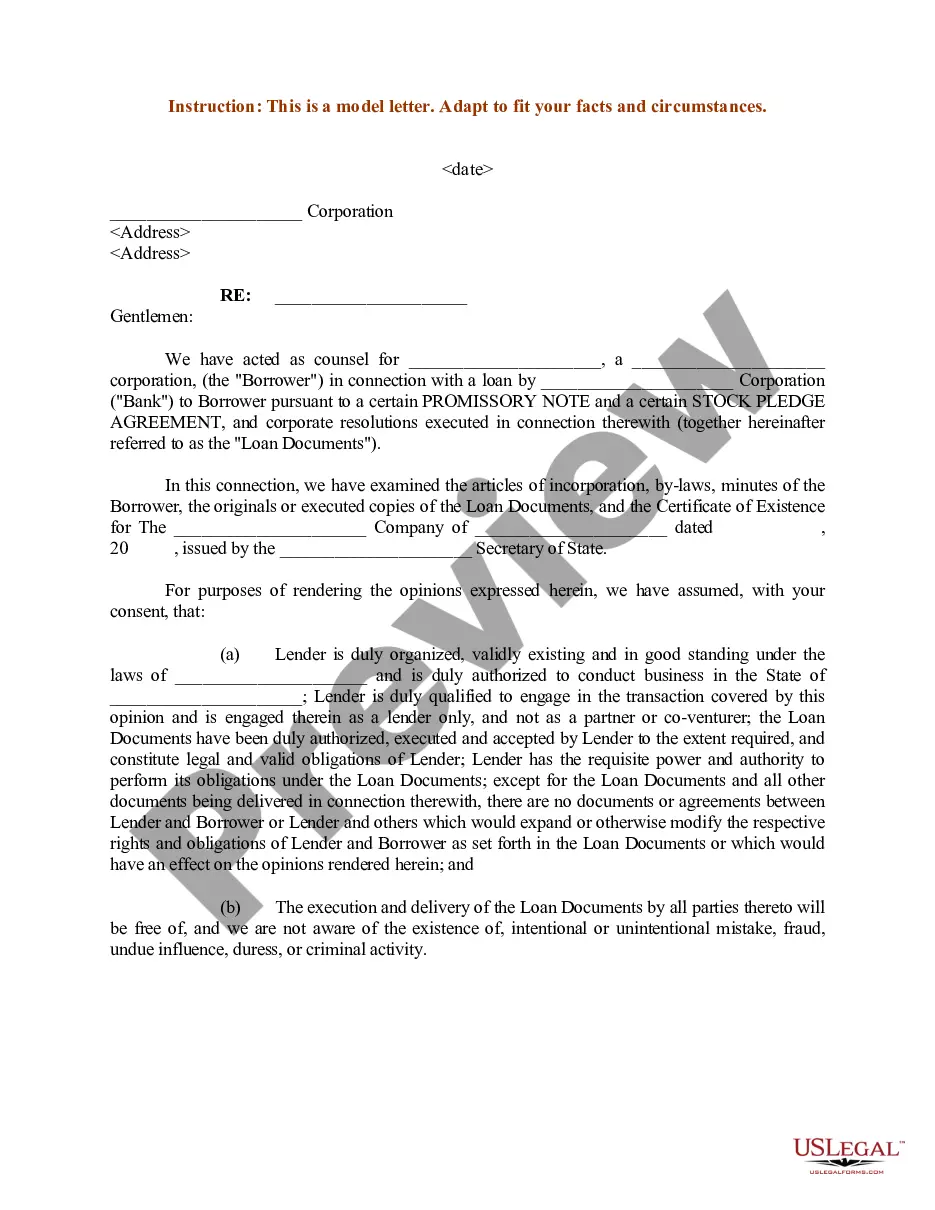
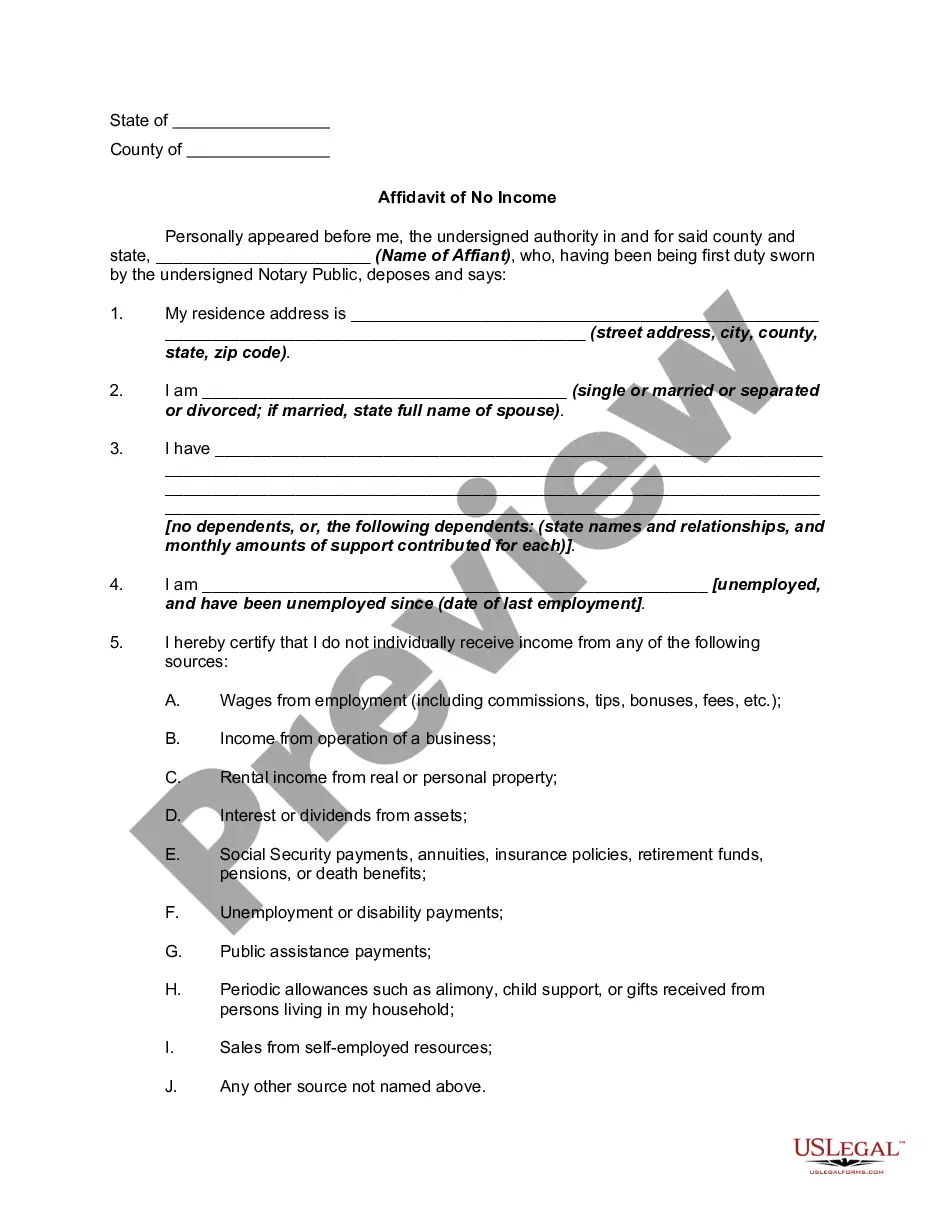
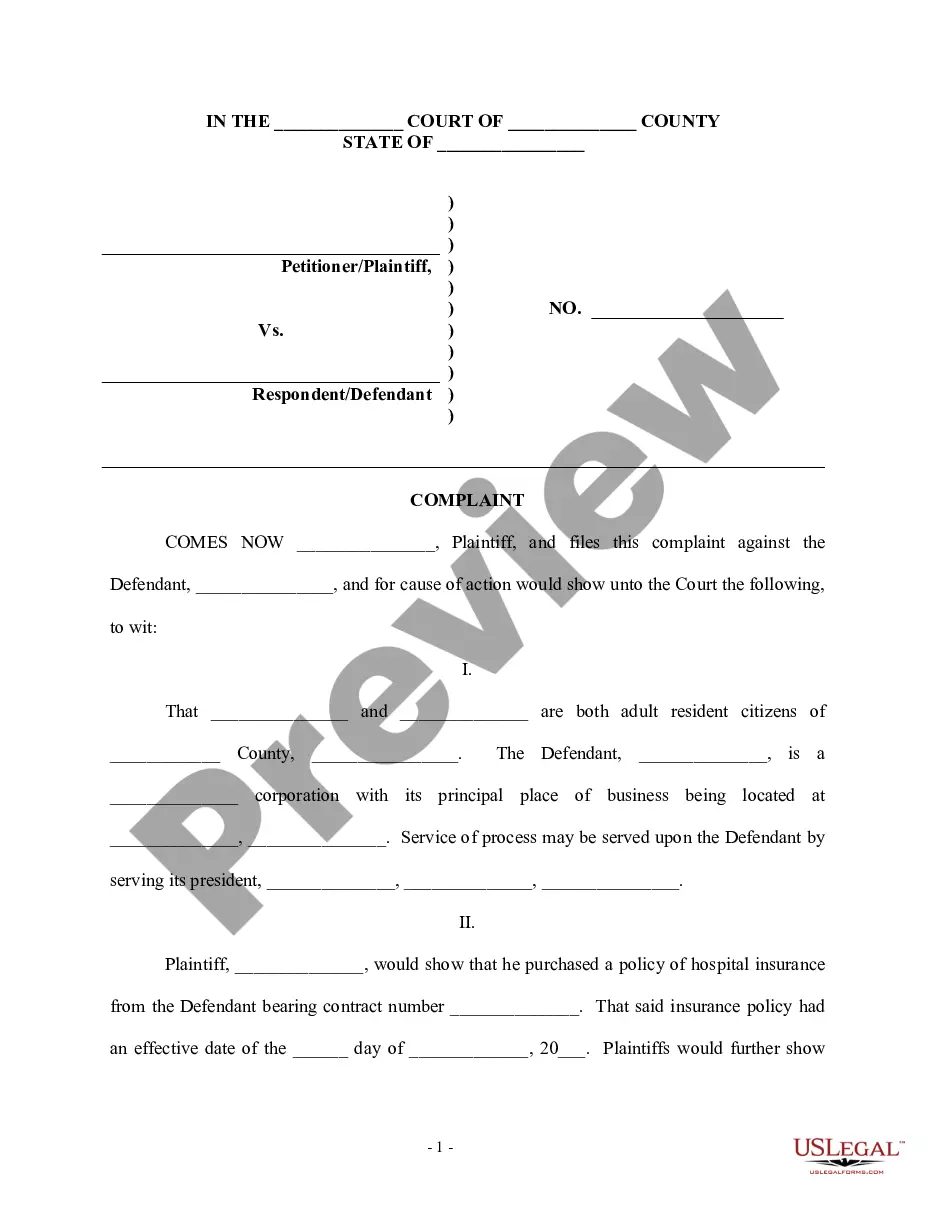
How to fill out Complaint Regarding Group Insurance Contract?
Whether for professional objectives or personal matters, everyone must handle legal issues at some stage in their life.
Filling out legal documents requires meticulous care, starting with choosing the suitable form template.
With an extensive US Legal Forms catalog available, you no longer have to waste time searching for the right template online. Take advantage of the library's straightforward navigation to find the correct form for any circumstance.
- Locate the template you require by using the search bar or browsing the catalog.
- Review the form's details to confirm it corresponds with your situation, state, and area.
- Select the form’s preview to examine it.
- If it is the incorrect document, return to the search feature to find the Insurance Contract Example template you need.
- Acquire the file if it meets your requirements.
- If you possess a US Legal Forms account, simply click Log in to access previously stored templates in My documents.
- If you do not have an account yet, you can download the form by clicking Buy now.
- Select the appropriate pricing option.
- Complete the account registration form.
- Choose your payment method: you can use a credit card or a PayPal account.
- Select the document format you desire and download the Insurance Contract Example.
- Once downloaded, you can fill out the form using editing software or print it and complete it by hand.
Form popularity
FAQ
What is the structure of an insurance contract? The general structure of an insurance contract is as follows: Declarations. Definitions. ... Terms of Insurance. ... Named Perils Coverage. ... All-Risk Coverage. Exclusions. ... Excluded Perils or Causes of Loss.
In general, an insurance contract must meet four conditions in order to be legally valid: it must be for a legal purpose; the parties must have a legal capacity to contract; there must be evidence of a meeting of minds between the insurer and the insured; and there must be a payment or consideration.
Most insurance contracts, such as policies for property, liability, and health insurance, are indemnity contracts, where the insurance company is only required to compensate for actual losses, up to the policy limits. However, some contracts, such as life insurance policy contracts, pay the face amount of the policy.
There are four necessary elements to comprise a legally binding contract: (1) Offer and acceptance, (2) consideration, (3) legal purpose, and (4) competent parties. The effective date of a policy is the date the insurer accepts an offer by the applicant "as written."
The five parts of an insurance policy are: declarations, insuring agreements, definitions, conditions, and exclusions.