Transfer Shares Which Withdraws First
Description


Get your form ready online
Our built-in tools help you complete, sign, share, and store your documents in one place.
Make edits, fill in missing information, and update formatting in US Legal Forms—just like you would in MS Word.
Download a copy, print it, send it by email, or mail it via USPS—whatever works best for your next step.
Sign and collect signatures with our SignNow integration. Send to multiple recipients, set reminders, and more. Go Premium to unlock E-Sign.
If this form requires notarization, complete it online through a secure video call—no need to meet a notary in person or wait for an appointment.
We protect your documents and personal data by following strict security and privacy standards.

Make edits, fill in missing information, and update formatting in US Legal Forms—just like you would in MS Word.

Download a copy, print it, send it by email, or mail it via USPS—whatever works best for your next step.

Sign and collect signatures with our SignNow integration. Send to multiple recipients, set reminders, and more. Go Premium to unlock E-Sign.

If this form requires notarization, complete it online through a secure video call—no need to meet a notary in person or wait for an appointment.

We protect your documents and personal data by following strict security and privacy standards.
Looking for another form?






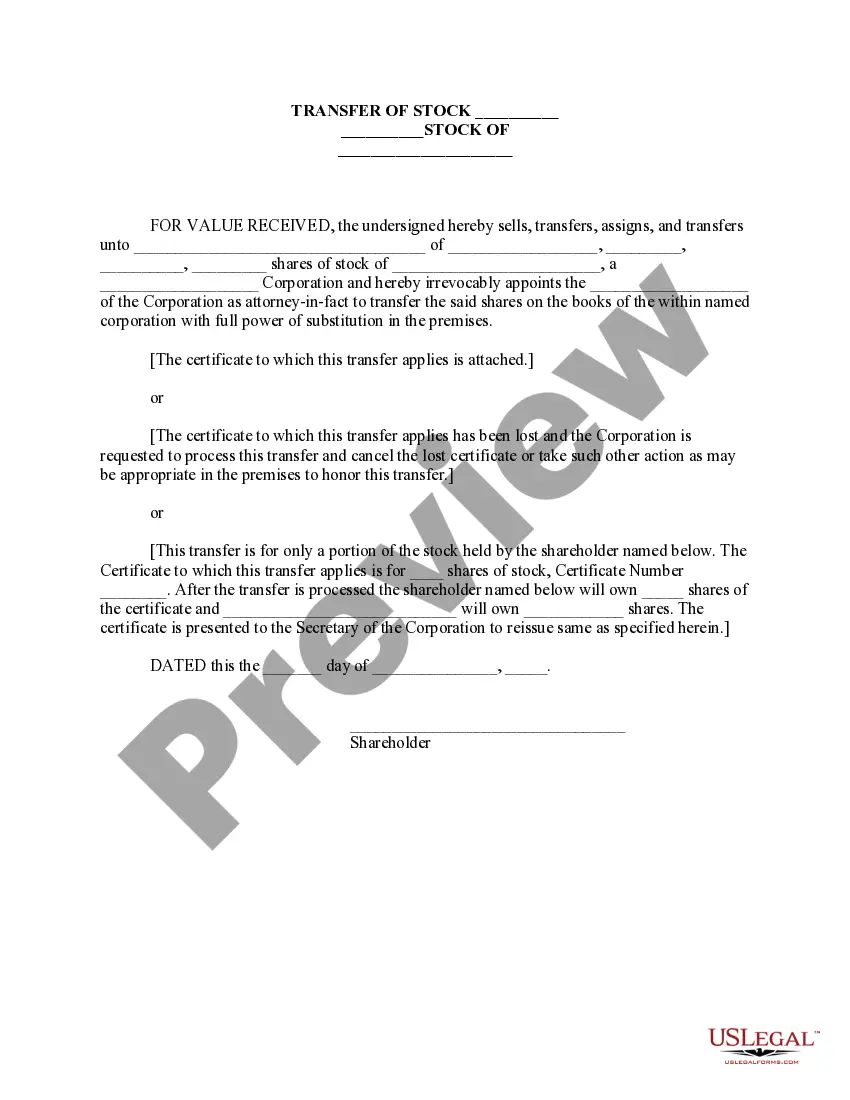
How to fill out Corporation - Transfer Of Stock?
It’s well-known that you cannot become a legal authority in a single night, nor can you swiftly understand how to draft the Transfer Shares Which Withdraws First without possessing a particular skill set.
Producing legal paperwork is a lengthy process that necessitates specific education and expertise. Therefore, why not entrust the crafting of the Transfer Shares Which Withdraws First to the experts.
With US Legal Forms, one of the most extensive legal template repositories, you can find everything from judicial documents to templates for internal communication.
You can regain access to your documents from the My documents section at any time. If you're an existing customer, simply Log In, and find and download the template from the same section.
Regardless of the intent of your documents—be it financial, legal, or personal—our platform has you covered. Experience US Legal Forms today!
- Locate the document you require using the search bar positioned at the top of the webpage.
- Preview it (if this feature is available) and examine the accompanying description to ascertain if Transfer Shares Which Withdraws First is what you need.
- Begin your search again if you require another form.
- Create a free account and choose a subscription plan to acquire the template.
- Select Buy now. Once the purchase is finalized, you can obtain the Transfer Shares Which Withdraws First, complete it, print it, and send or deliver it to the appropriate individuals or organizations.
Form popularity
FAQ
Shares are typically sold in the order determined by the chosen accounting method, such as FIFO. Thus, when you transfer shares which withdraws first, the shares that you bought first will be sold first. This approach helps investors keep track of their gains and losses more clearly.
Transferring stocks to another broker involves moving your shares from one brokerage account to another, which can take a few days to complete. During this process, the method you choose to transfer shares which withdraws first will be crucial for maintaining your tax records. Ensure you communicate with both brokers to facilitate a smooth transition.
When deciding whether to use FIFO or LIFO for selling stock, consider your investment goals and tax implications. FIFO is often preferred for its clarity and ease when you transfer shares which withdraws first. However, LIFO may provide tax advantages in certain scenarios, so consulting a financial advisor could be beneficial.
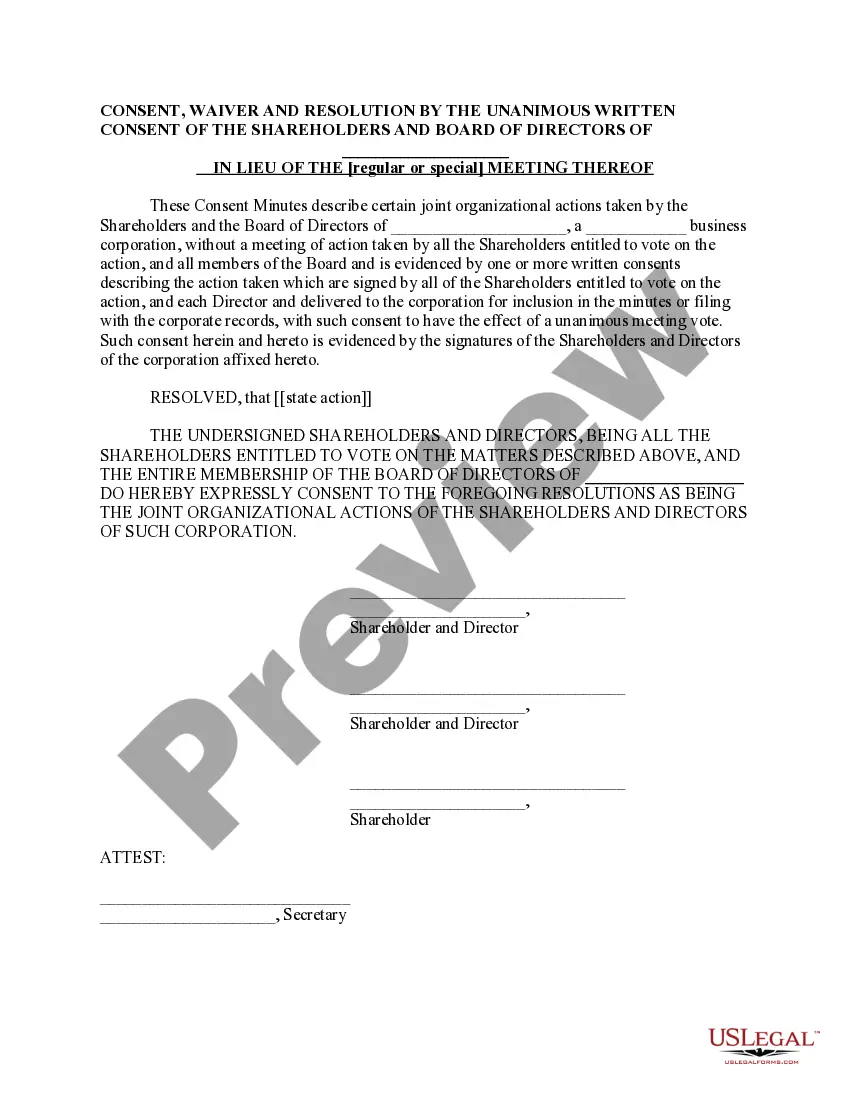
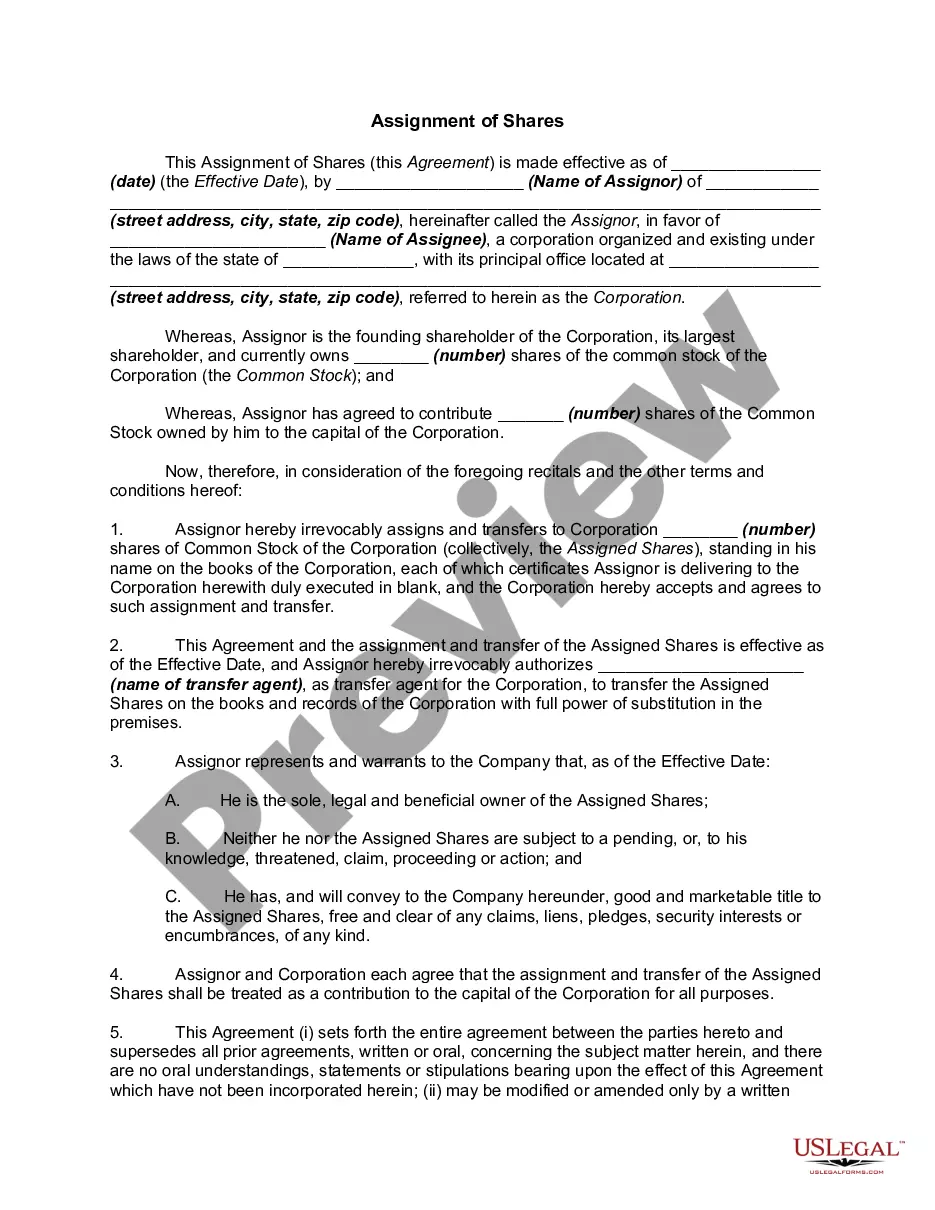
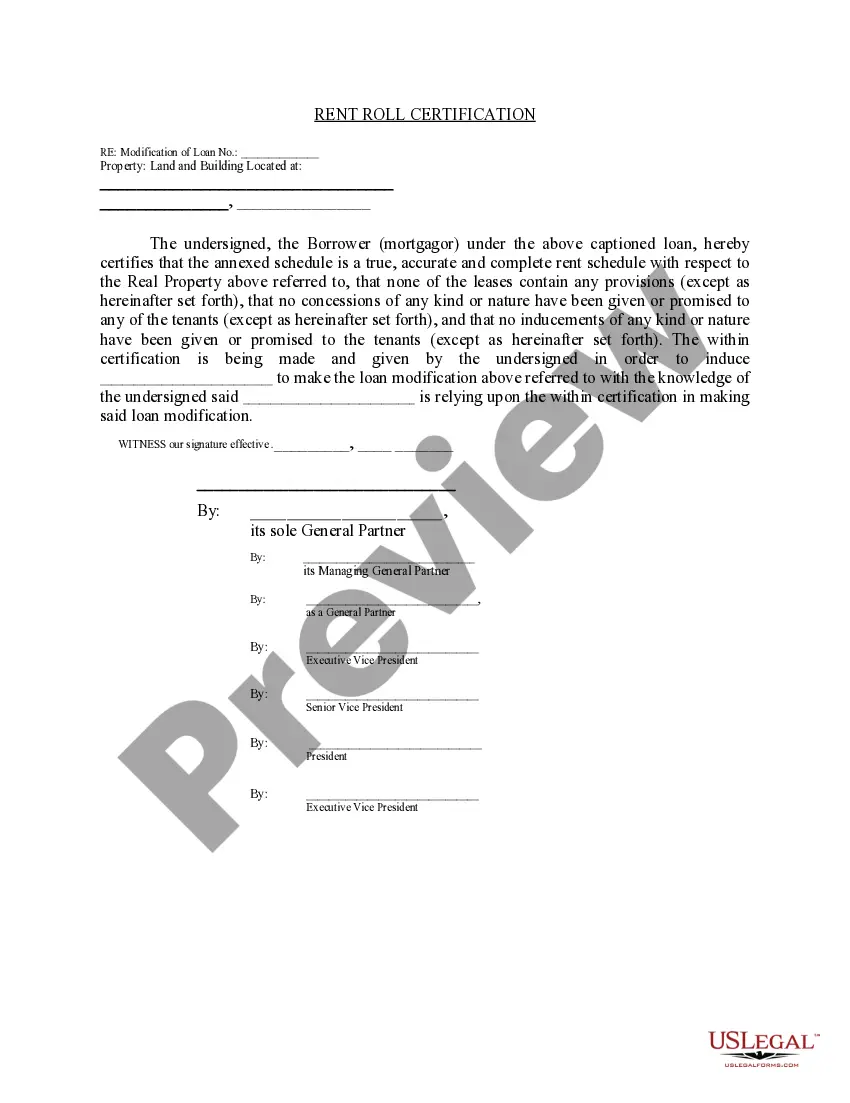
To process the transfer of shares, start by completing a stock transfer form, which usually requires details about the seller, buyer, and the shares involved. Make sure to include any necessary supporting documents. Utilizing platforms like US Legal Forms can streamline this process, offering guidance and templates to ensure you do it correctly.
Yes, when selling shares, it is commonly accepted to use the FIFO method. This means that when you choose to transfer shares which withdraws first, the shares you acquired first will be sold first. This helps maintain clarity in your investment transactions and can simplify your tax obligations.
Selling stock using the FIFO method is generally a straightforward approach when you decide to transfer shares which withdraws first. This method helps in tracking your investment history and can simplify tax calculations. However, consider your specific financial situation and consult a financial advisor if needed.
When considering how to transfer shares which withdraws first, it is essential to understand that the method commonly used is First In, First Out (FIFO). This means that the shares you purchased first are the ones sold first. This method is often favored for its simplicity and clarity in record keeping.
It's important to note that transferring shares solely to avoid Capital Gains Tax can have legal implications. While you may transfer shares which withdraws first, the IRS has rules in place to prevent tax avoidance through such transfers. Engaging in this action might trigger a tax event, depending on the circumstances. To navigate this complex situation, consider seeking guidance from a tax professional or utilizing platforms like uslegalforms to ensure compliance with tax regulations.
The rules for transferring shares often include a formal process that requires documentation and approval. To transfer shares which withdraws first, you typically need to complete a stock transfer form and may need the consent of other shareholders or the board of directors. Moreover, it's crucial to maintain accurate records of ownership and ensure all parties involved understand the terms of the transfer. Consulting with a legal expert can help clarify these rules.
When you consider the process to transfer shares which withdraws first, it's essential to understand that restrictions often depend on the company's bylaws. Some companies may impose limitations on when or how shares can be transferred, especially if the shares are subject to a buy-sell agreement. Additionally, regulatory requirements can also play a role, particularly for publicly traded companies. Always check the specific rules governing your shares to ensure compliance.