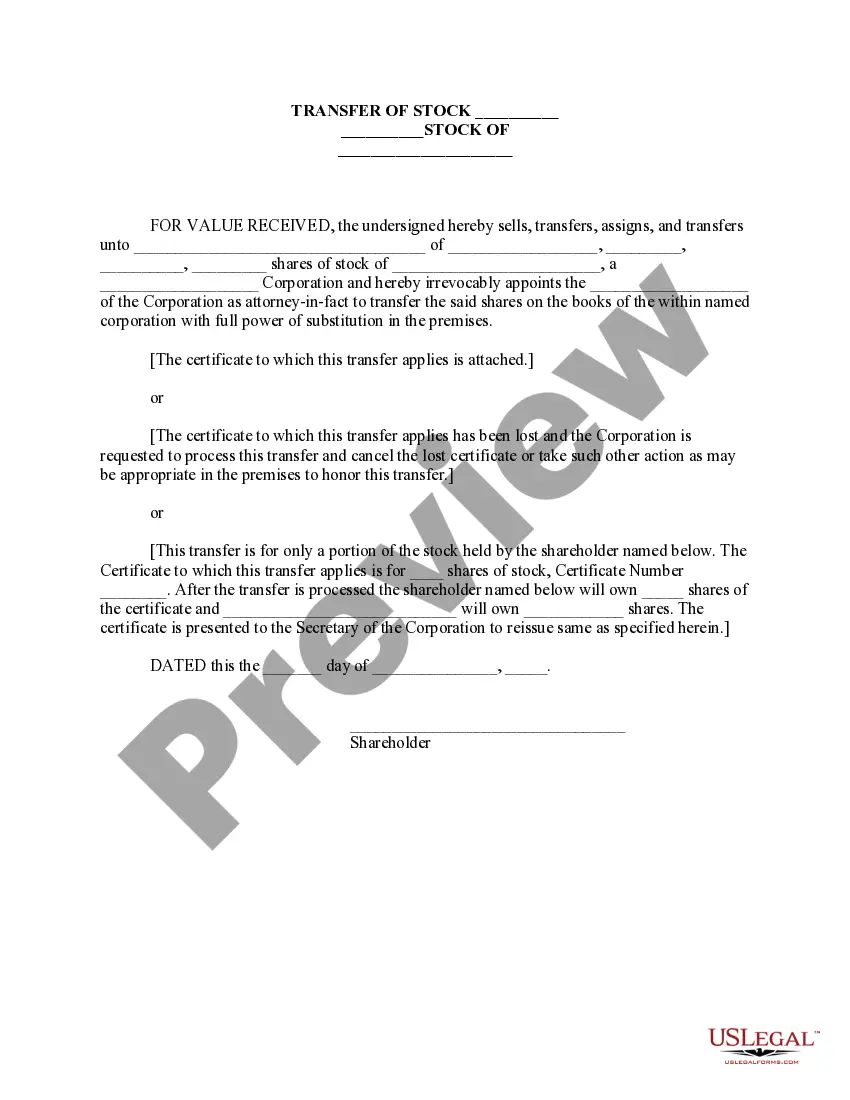
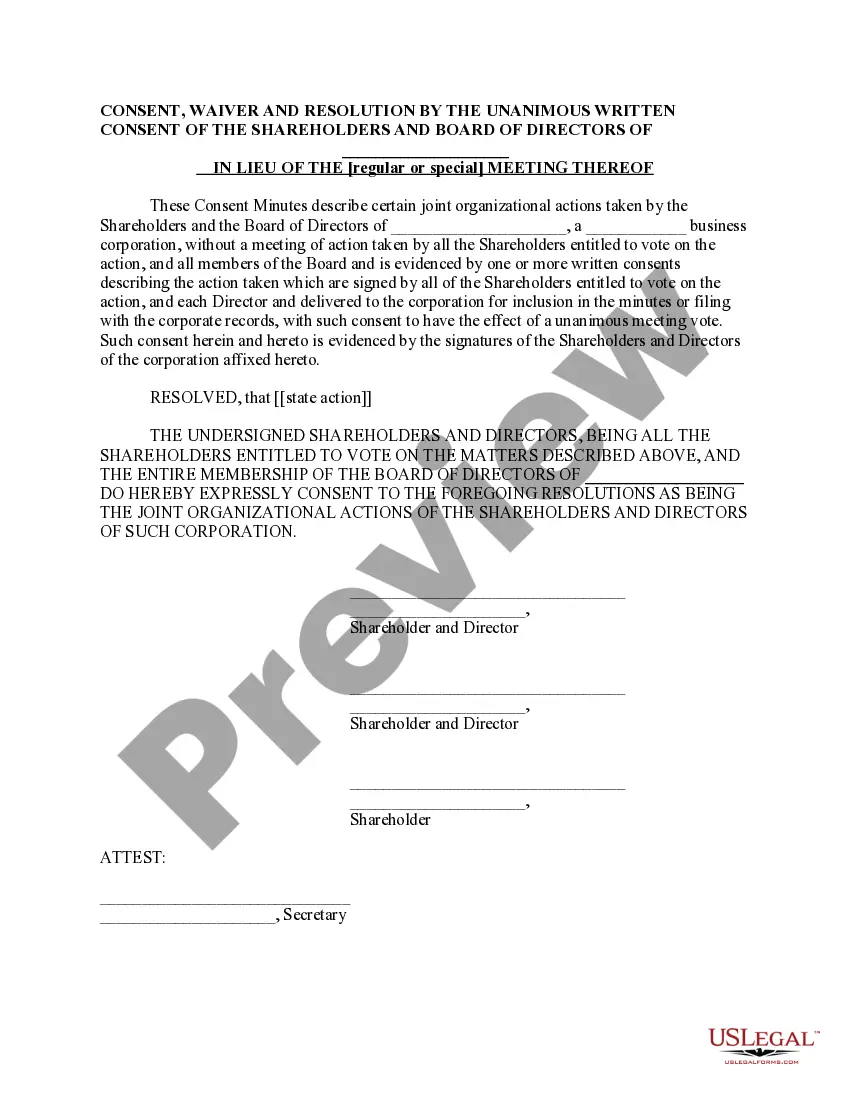
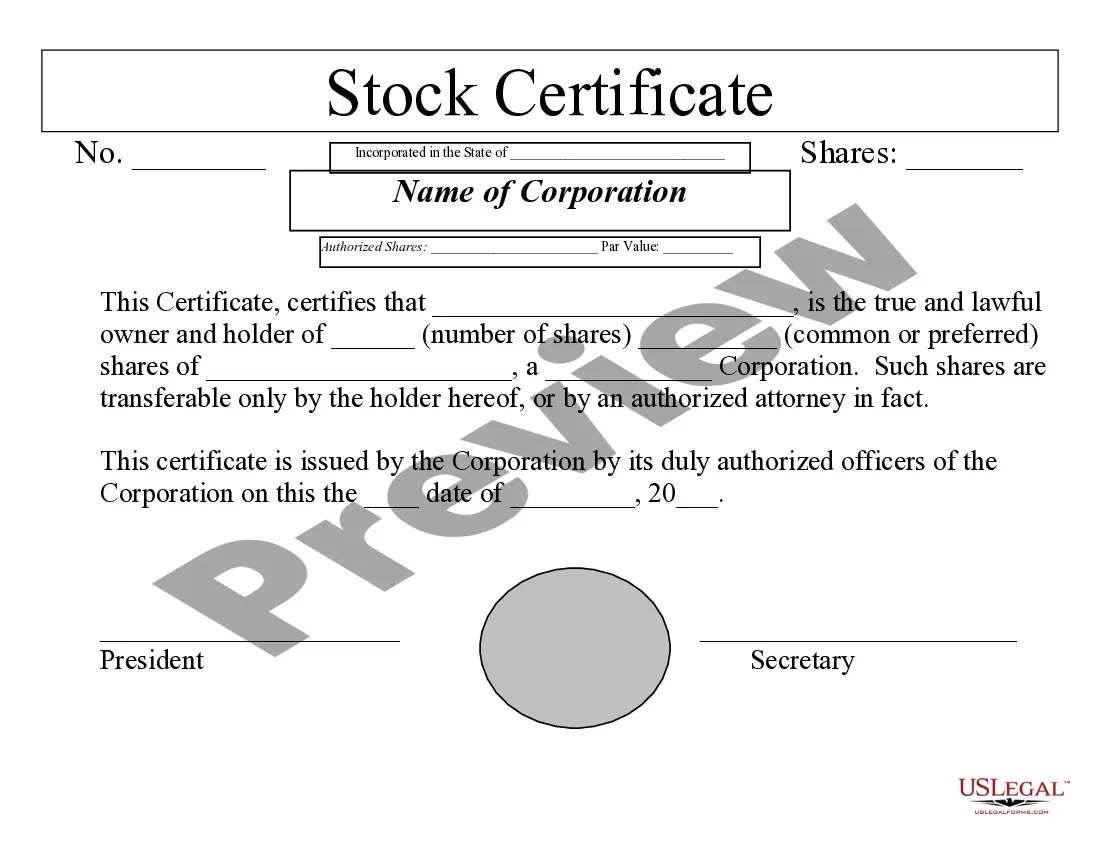
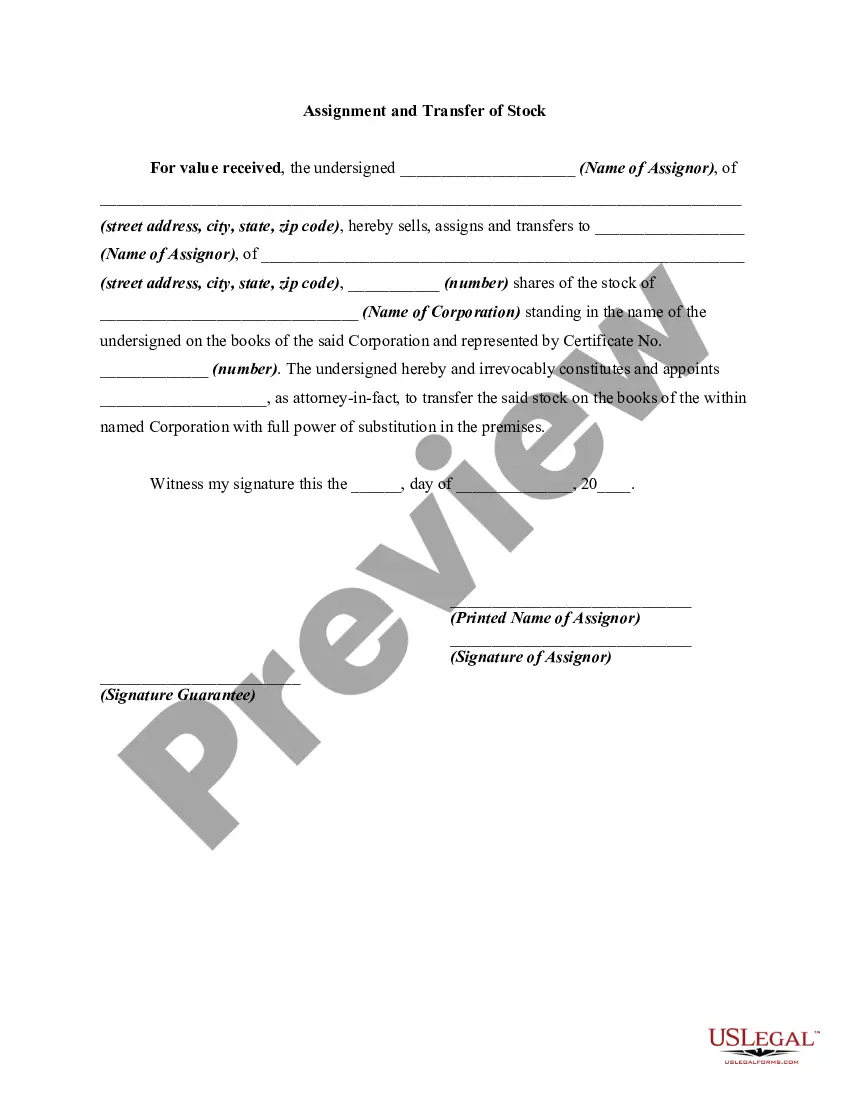
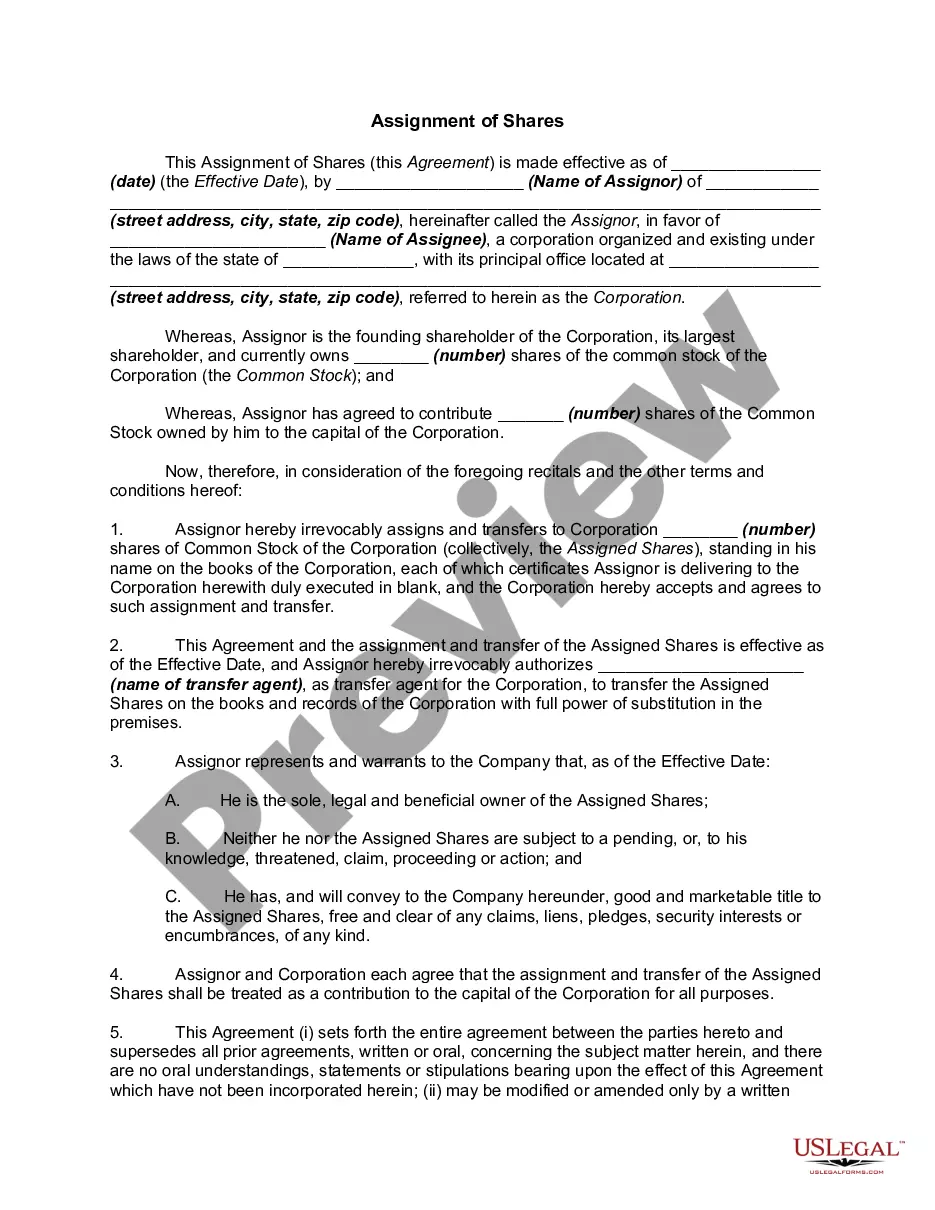
S Corp Stock Transfer Agreement With Trust
Description
Get your form ready online
Our built-in tools help you complete, sign, share, and store your documents in one place.
Make edits, fill in missing information, and update formatting in US Legal Forms—just like you would in MS Word.
Download a copy, print it, send it by email, or mail it via USPS—whatever works best for your next step.
Sign and collect signatures with our SignNow integration. Send to multiple recipients, set reminders, and more. Go Premium to unlock E-Sign.
If this form requires notarization, complete it online through a secure video call—no need to meet a notary in person or wait for an appointment.
We protect your documents and personal data by following strict security and privacy standards.

Make edits, fill in missing information, and update formatting in US Legal Forms—just like you would in MS Word.

Download a copy, print it, send it by email, or mail it via USPS—whatever works best for your next step.

Sign and collect signatures with our SignNow integration. Send to multiple recipients, set reminders, and more. Go Premium to unlock E-Sign.

If this form requires notarization, complete it online through a secure video call—no need to meet a notary in person or wait for an appointment.

We protect your documents and personal data by following strict security and privacy standards.
Looking for another form?
How to fill out Corporation - Transfer Of Stock?
It’s well known that you cannot instantly become a legal expert, nor can you understand how to swiftly create an S Corp Stock Transfer Agreement With Trust without a specialized education.
Creating legal documents is a prolonged endeavor that necessitates specific training and expertise. Therefore, why not entrust the crafting of the S Corp Stock Transfer Agreement With Trust to the professionals.
With US Legal Forms, one of the most comprehensive repositories of legal documents, you can find everything from court forms to templates for internal business communication.
You can access your forms again from the My documents section at any time. If you’re an existing client, you can simply Log In, and locate and download the template from the same section.
Regardless of the intention behind your documents—whether for financial, legal, or personal use—our platform has everything you need. Give US Legal Forms a try now!
- Recognize the form you need by utilizing the search feature at the top of the page.
- Preview it (if this option is available) and read the accompanying description to determine whether the S Corp Stock Transfer Agreement With Trust meets your needs.
- Initiate your search anew if you require a different form.
- Create a free account and select a subscription plan to purchase the template.
- Click on Buy now. Once the payment is finalized, you can download the S Corp Stock Transfer Agreement With Trust, complete it, print it, and send or mail it to the relevant individuals or organizations.
Form popularity
FAQ
You can use a template or create a promissory note online. But before you begin, you'll need to gather some information and make decisions about the way the loan will be structured. First, you'll need the names and addresses of both the lender (or "payee") and the borrower.
A promissory note could become invalid if: It isn't signed by both parties. The note violates laws. One party tries to change the terms of the agreement without notifying the other party.
At its most basic, a promissory note should include the following things: Date. Name of the lender and borrower. Loan amount. Whether the loan is secured or unsecured. If it's secured with collateral: What is the collateral? ... Payment amount and frequency. Payment due date. Whether the loan has a cosigner, and if so, who.
Losing the original note or a copy The original copy of a valid promissory note is usually held by the lender, but the borrower should also keep a copy of the signed document. If the borrower does not repay the loan, the lender can pursue appropriate legal action.
No. Promissory notes do not need to be notarized. The borrower only needs to sign the document to make it legally enforceable. A witness may be helpful if one party contests the note, but a notary is not necessary.
A promissory note typically contains all the terms pertaining to the indebtedness, such as the principal amount, interest rate, maturity date, date and place of issuance, and issuer's signature.
For instance, if the terms of the note are unclear or if there is evidence that the maker did not intend to repay the debt, a court may find that the note is invalid. Additionally, if the payee knew that the maker could not repay the debt when they signed the promissory note, this may also render the agreement invalid.
Some common triggers that can invalidate and cause problems in a promissory note are: missing the payment schedule or interest rate, loss of the original copy of the document, and others. When a promissory note becomes invalid the lender cannot sue the borrower legally if they fail to make payments.