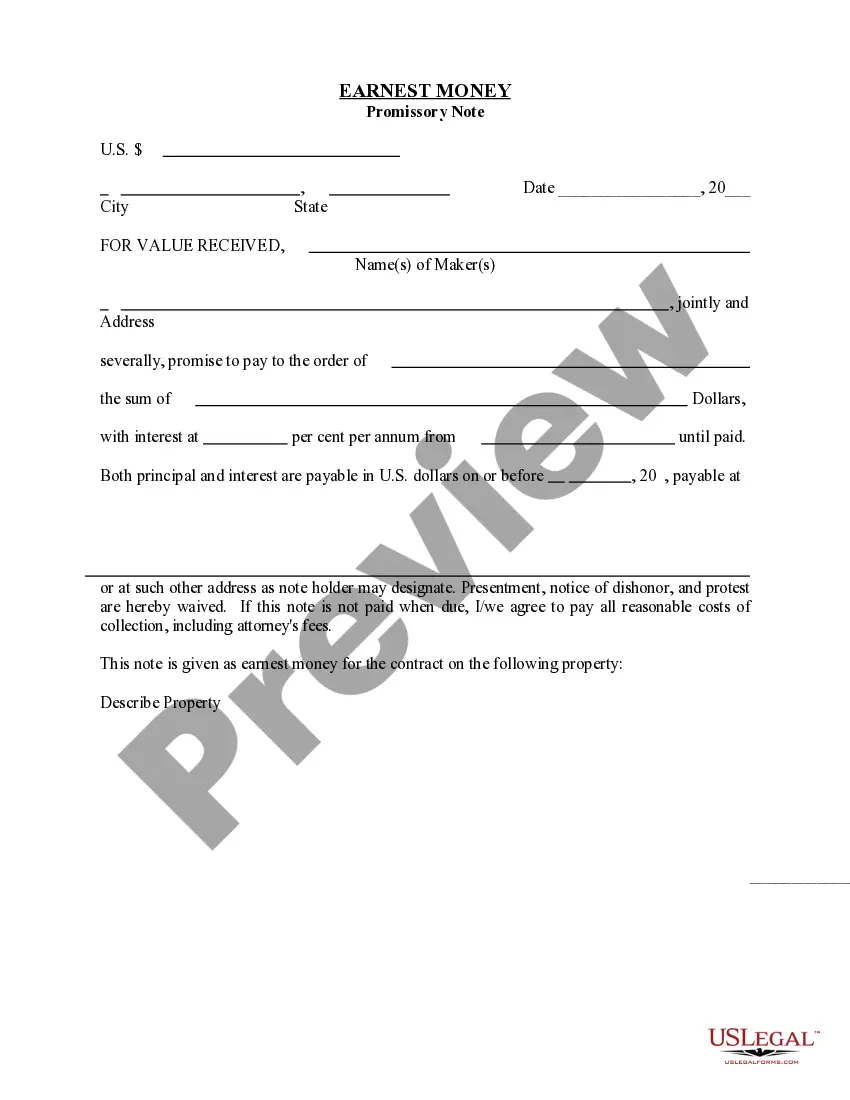
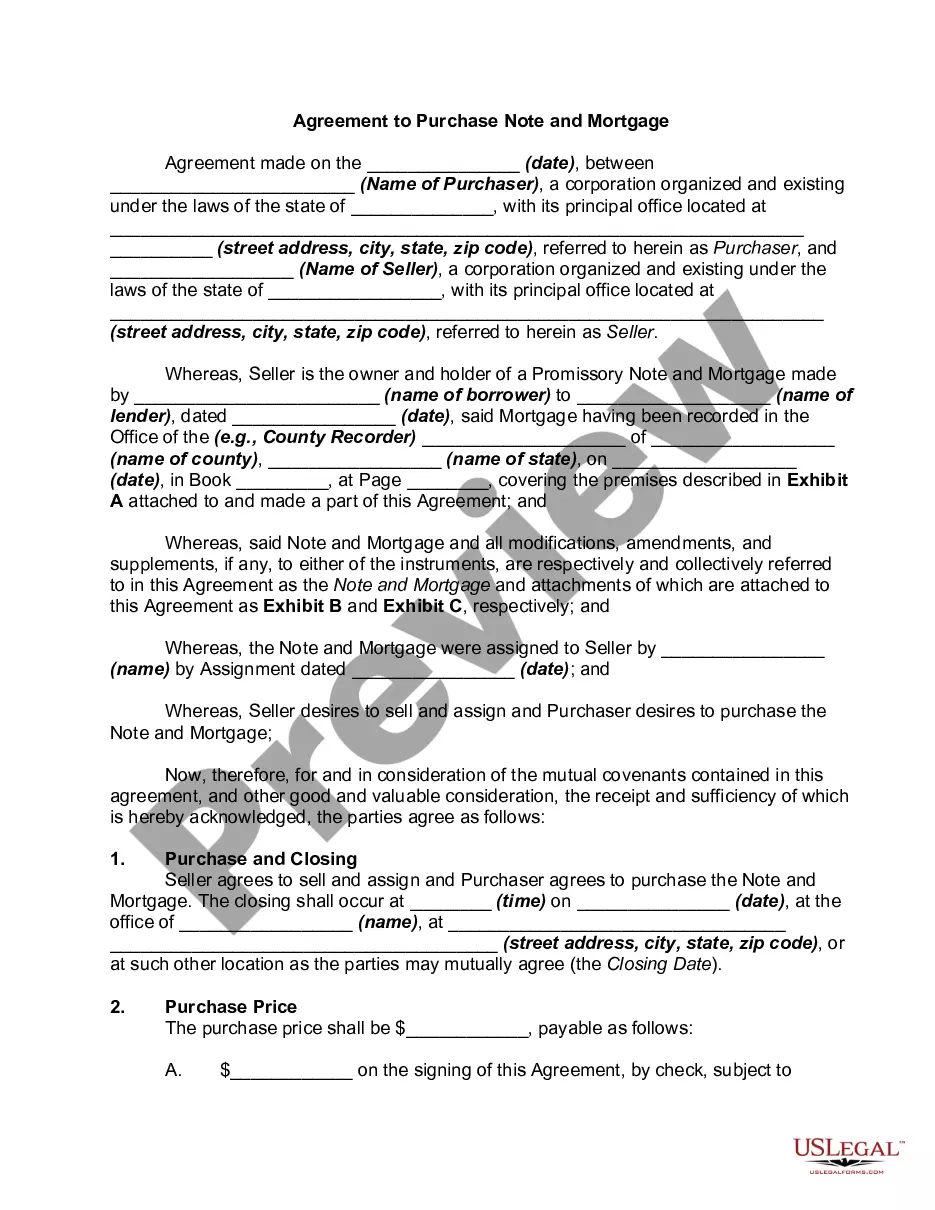
Earnest Note Purchase With Bitcoin
Description
Get your form ready online
Our built-in tools help you complete, sign, share, and store your documents in one place.
Make edits, fill in missing information, and update formatting in US Legal Forms—just like you would in MS Word.
Download a copy, print it, send it by email, or mail it via USPS—whatever works best for your next step.
Sign and collect signatures with our SignNow integration. Send to multiple recipients, set reminders, and more. Go Premium to unlock E-Sign.
If this form requires notarization, complete it online through a secure video call—no need to meet a notary in person or wait for an appointment.
We protect your documents and personal data by following strict security and privacy standards.

Make edits, fill in missing information, and update formatting in US Legal Forms—just like you would in MS Word.

Download a copy, print it, send it by email, or mail it via USPS—whatever works best for your next step.

Sign and collect signatures with our SignNow integration. Send to multiple recipients, set reminders, and more. Go Premium to unlock E-Sign.

If this form requires notarization, complete it online through a secure video call—no need to meet a notary in person or wait for an appointment.

We protect your documents and personal data by following strict security and privacy standards.
Looking for another form?


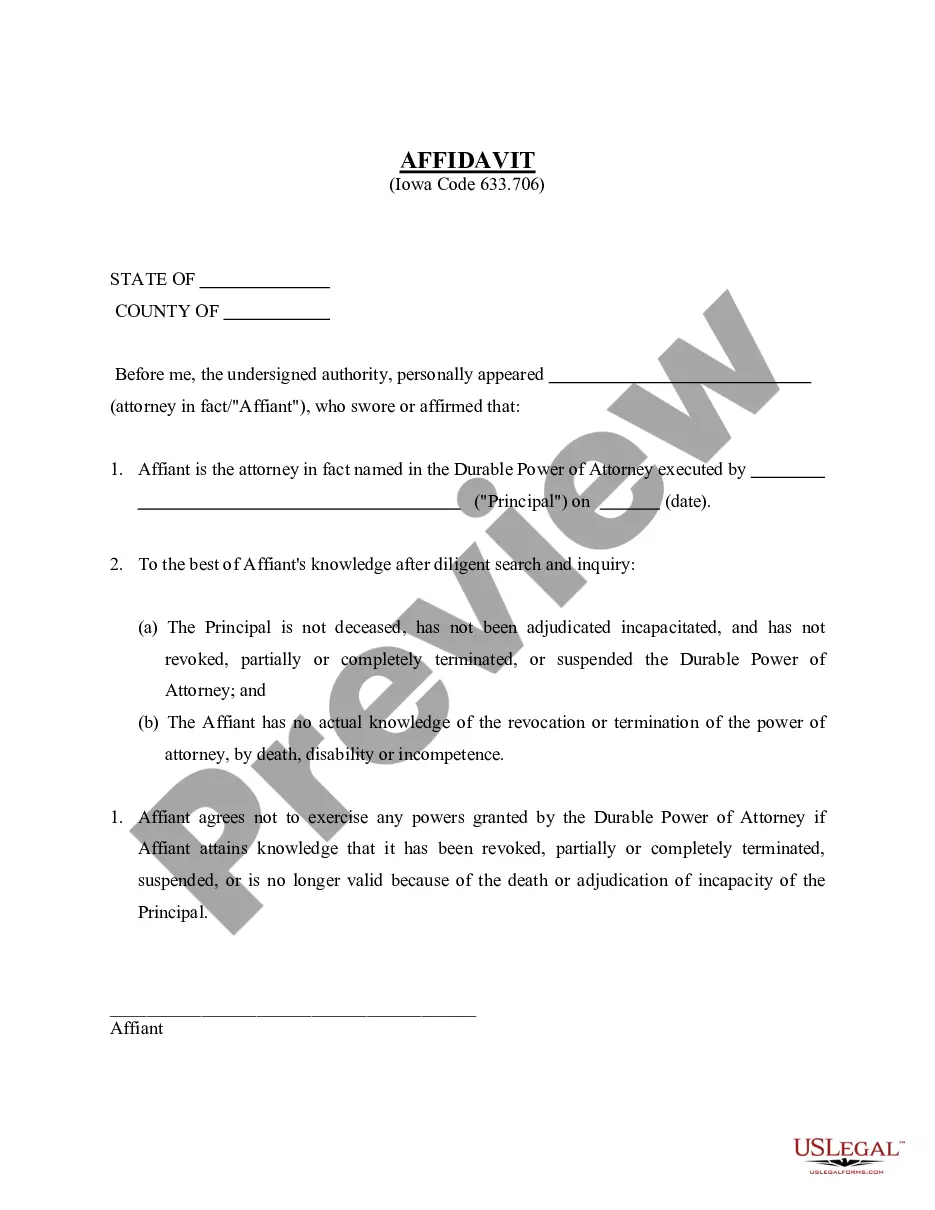
How to fill out Earnest Money Promissory Note?
Whether for commercial reasons or for personal issues, everyone must deal with legal circumstances at some point in their life.
Filling out legal documents requires meticulous care, beginning with choosing the right form template.
With a comprehensive US Legal Forms catalog available, you do not need to waste time searching for the correct template online. Utilize the library’s user-friendly navigation to discover the right form for any scenario.
- Locate the template you require using the search option or the index.
- Review the form’s details to confirm it aligns with your circumstances, state, and county.
- Click on the form’s preview to inspect it.
- If it is the wrong document, go back to the search function to find the Earnest Note Purchase With Bitcoin template you need.
- Obtain the template when it satisfies your requirements.
- If you already possess a US Legal Forms account, simply click Log in to access previously saved documents in My documents.
- If you do not have an account yet, you can download the form by clicking Buy now.
- Choose the suitable pricing option.
- Complete the profile registration form.
- Select your payment method: you can utilize a credit card or PayPal account.
- Choose the document format you desire and download the Earnest Note Purchase With Bitcoin.
- After it is downloaded, you can fill out the form using editing software or print it and complete it manually.
Form popularity
FAQ
Workers have a right to at least a 30-minute meal break if they work more than six hours during a calendar day. During their meal break, workers must be free of all duties and free to leave the workplace. This break may be unpaid. Employers may require workers to take their meal breaks.
Deadline to Pay Workers who quit their jobs must be paid in full on the next regular payday or by the first Saturday after they quit (if there is no regular payday). Workers who are fired or laid off must be paid in full on their last day of work.
Under Massachusetts General Laws chapter 149, § 148B, every individual performing ?any services? is classified as an ?employee? unless each of the following is true:the individual is free from control and direction in connection with the performance of the service, both under his contract for the performance of service ...
Construction Defect Law and the 'Right to Cure' Statute of LimitationsRight to CureMassachusetts6 years for contracts3 years for tortsNoMichigan6 years for contracts3 years for torts1 year for injury resulting from gross negligenceNoMinnesota2 years from discovery of injury for contracts or tortsNo48 more rows
Independent Contractor law, which requires that workers perform a service "outside the usual course of the business of the employer" to be classified as independent contractors." Therefore, workers who deliver papers may remain independent contractors.
149, § 148 (Section 148) mandates that when an employee is involuntarily terminated, the employer must provide the employee's final wages and the balance of any unused vacation time on the day the employee is terminated. Further, under Mass. G. L.
In Massachusetts, the rules about who can be classified as an independent contractor are part of the Wage Act. Any violation of the Wage Act, including an improper classification, will result in triple damages and payment of the plaintiff's attorneys' fees.
Minimum wage increased from $14.25 an hour to $15.00 an hour (applies to non-agricultural workers and workers that do not receive tips). Minimum wage for tipped employees increased from $6.15 an hour to $6.75 an hour. The Retail Premium Pay mandate for Sundays and holidays (Massachusetts Blue Laws) is eliminated.