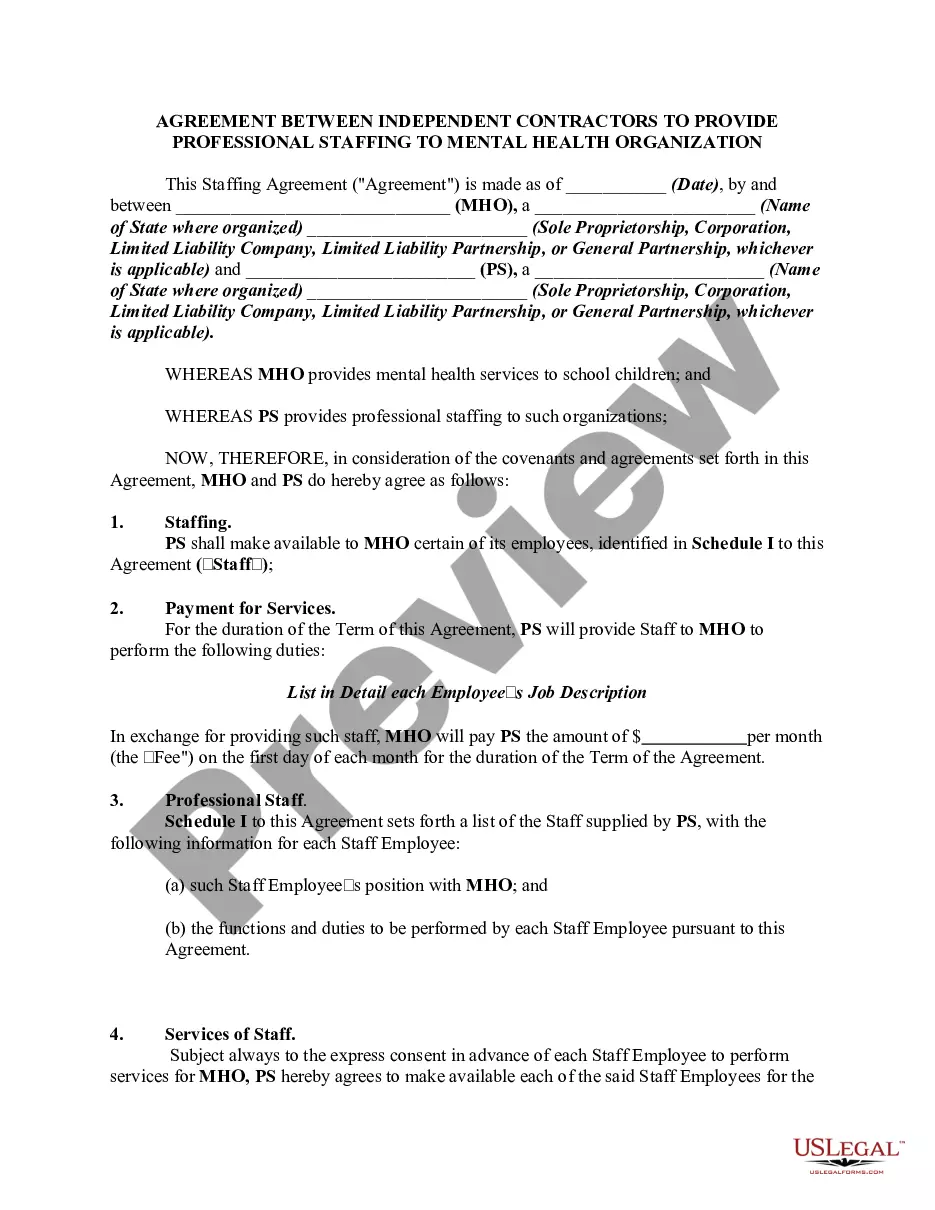
Contract Cost Plus Agreement With Canada In Travis
Description

Get your form ready online
Our built-in tools help you complete, sign, share, and store your documents in one place.
Make edits, fill in missing information, and update formatting in US Legal Forms—just like you would in MS Word.
Download a copy, print it, send it by email, or mail it via USPS—whatever works best for your next step.
Sign and collect signatures with our SignNow integration. Send to multiple recipients, set reminders, and more. Go Premium to unlock E-Sign.
If this form requires notarization, complete it online through a secure video call—no need to meet a notary in person or wait for an appointment.
We protect your documents and personal data by following strict security and privacy standards.

Make edits, fill in missing information, and update formatting in US Legal Forms—just like you would in MS Word.

Download a copy, print it, send it by email, or mail it via USPS—whatever works best for your next step.

Sign and collect signatures with our SignNow integration. Send to multiple recipients, set reminders, and more. Go Premium to unlock E-Sign.

If this form requires notarization, complete it online through a secure video call—no need to meet a notary in person or wait for an appointment.

We protect your documents and personal data by following strict security and privacy standards.
Looking for another form?









Form popularity
FAQ
How to write an agreement letter Title your document. Provide your personal information and the date. Include the recipient's information. Address the recipient and write your introductory paragraph. Write a detailed body. Conclude your letter with a paragraph, closing remarks, and a signature. Sign your letter.
To be legally enforceable, an agreement must contain all of the following criteria: An offer and acceptance; Certainty of terms; Consideration; An intention to create legal relations; Capacity of the parties; and, Legality of purpose.
Ing to Boundy (2012), typically, a written contract will include: Date of agreement. Names of parties to the agreement. Preliminary clauses. Defined terms. Main contract clauses. Schedules/appendices and signature provisions (para. 5).
A comprehensive guide on how to draft a contract Know your parties. Agree on the terms. Set clear boundaries. Spell out the consequences. Specify how you will resolve disputes. Cover confidentiality. Check the legality of the contract. Open it up to negotiation.
To make a legally binding contract, 5 elements must be satisfied: offer, acceptance, consideration, intention and capacity: Offer: One party makes an offer. Acceptance: The other party accepts the offer. Consideration: Each party provides consideration to the other.
A void contract lacks legal effect and cannot be enforced by either party. This may occur due to a variety of reasons, such as illegality, fraud, or lack of capacity to enter into a contract.
Parties must voluntarily consent to be bound by the agreement without coercion or intimidation. If any party was compelled to enter into the contract against their will, it will invalidate the contract. To determine whether there is duress, you'll look at the effect of the action on the person's state of mind.
The Nature of a Contract To be legally enforceable, an agreement must contain all of the following criteria: An offer and acceptance; Certainty of terms; Consideration; An intention to create legal relations; Capacity of the parties; and, Legality of purpose.
Generally, a contract is binding when the following is true: the parties intend to make a contract. there is an offer and an acceptance. the parties receive something in return for their promises.
A contract is an agreement between parties , creating mutual obligations that are enforceable by law . The basic elements required for the agreement to be a legally enforceable contract are: mutual assent , expressed by a valid offer and acceptance ; adequate consideration ; capacity ; and legality .