Contract Cost Plus Form For Renovation In Minnesota
Description


Get your form ready online
Our built-in tools help you complete, sign, share, and store your documents in one place.
Make edits, fill in missing information, and update formatting in US Legal Forms—just like you would in MS Word.
Download a copy, print it, send it by email, or mail it via USPS—whatever works best for your next step.
Sign and collect signatures with our SignNow integration. Send to multiple recipients, set reminders, and more. Go Premium to unlock E-Sign.
If this form requires notarization, complete it online through a secure video call—no need to meet a notary in person or wait for an appointment.
We protect your documents and personal data by following strict security and privacy standards.

Make edits, fill in missing information, and update formatting in US Legal Forms—just like you would in MS Word.

Download a copy, print it, send it by email, or mail it via USPS—whatever works best for your next step.

Sign and collect signatures with our SignNow integration. Send to multiple recipients, set reminders, and more. Go Premium to unlock E-Sign.

If this form requires notarization, complete it online through a secure video call—no need to meet a notary in person or wait for an appointment.

We protect your documents and personal data by following strict security and privacy standards.
Looking for another form?

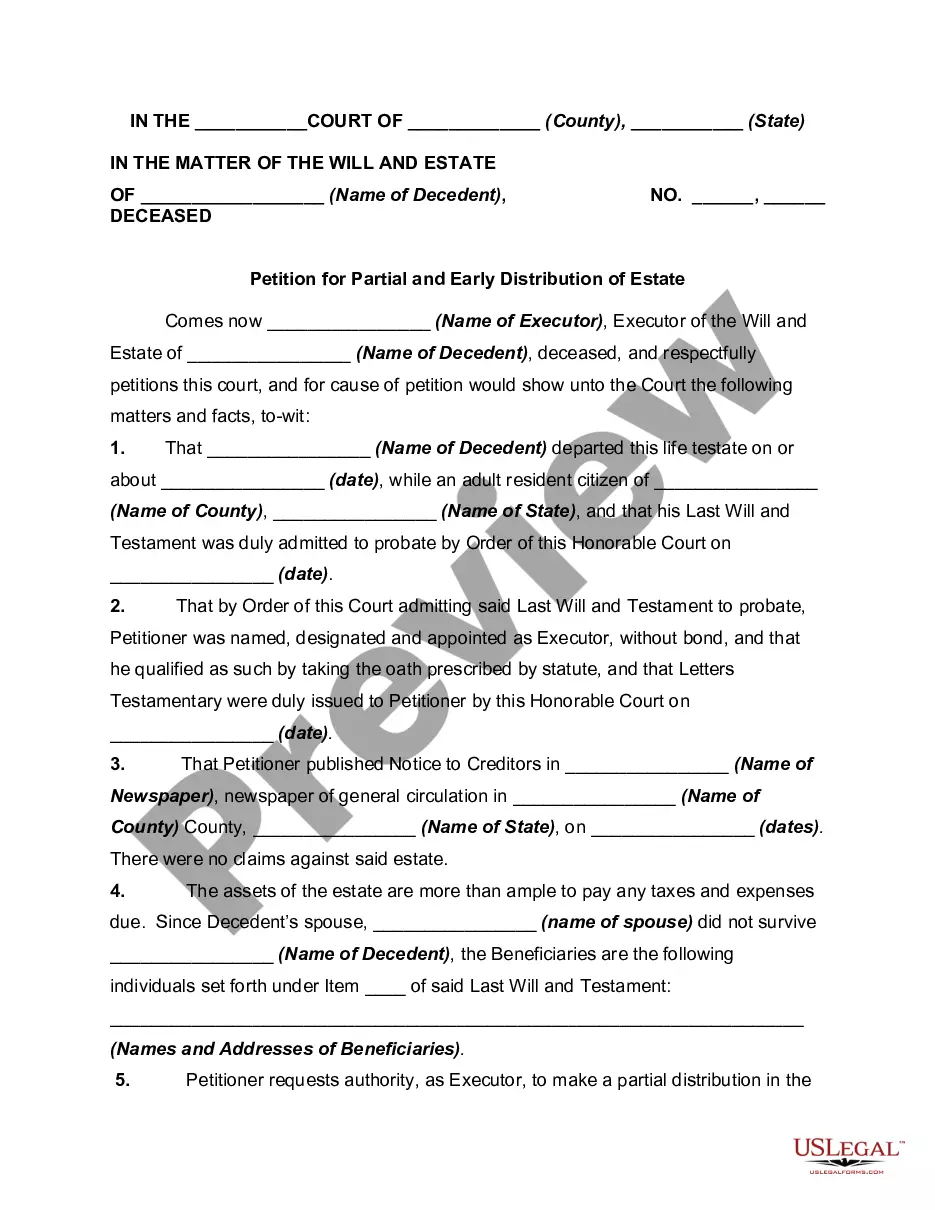







Form popularity
FAQ
The contract should describe, in detail, the products to be used and how the work will be performed, i.e., size, color, who will be doing what work, amounts of materials provided, manufacturer model number, etc. There must be a detailed, written payment schedule in the contract.
A full renovation refers to a comprehensive overhaul of the area of the home being renovated, typically involving significant changes to its structure, layout and aesthetics. It often includes demolishing existing elements, such as walls or fixtures, and replacing them with new ones.
A contractor who provides services in more than one special skill area must be licensed. Specialty contractors who provide only one special skill are not required to have a state license (except residential roofers).
A Minnesota independent contractor agreement is a written contract between a contractor and the entity that hired them. In addition to compensation, a contractor agreement also covers taxes, insurance, expenses, licenses, workers' compensation, and the contractor's status.
You may be eligible for benefits some weeks while working in self-employment and not others. To be eligible for benefits for any week, you must meet three requirements: Work less than 32 hours (in any combination of employment, self-employment, or volunteer work) and earn less than your weekly benefit amount.
It is illegal for an employer to classify a worker as an independent contractor if the worker qualifies as an employee. An employer also cannot make a worker an independent contractor by having workers to sign a contract saying that they are independent contractors, when in reality they are employees.
