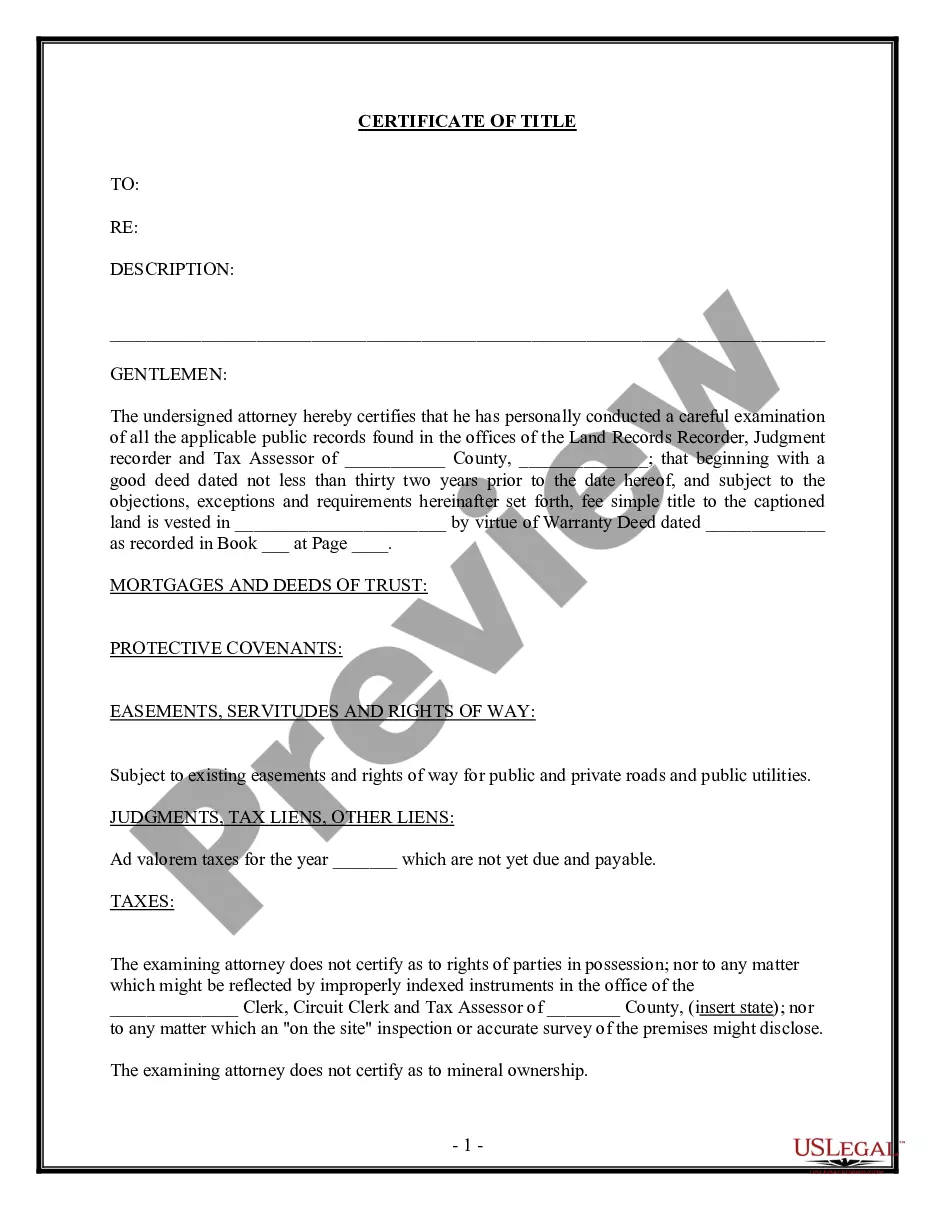
Construction Contract For New Home In Miami-Dade
Description


Get your form ready online
Our built-in tools help you complete, sign, share, and store your documents in one place.
Make edits, fill in missing information, and update formatting in US Legal Forms—just like you would in MS Word.
Download a copy, print it, send it by email, or mail it via USPS—whatever works best for your next step.
Sign and collect signatures with our SignNow integration. Send to multiple recipients, set reminders, and more. Go Premium to unlock E-Sign.
If this form requires notarization, complete it online through a secure video call—no need to meet a notary in person or wait for an appointment.
We protect your documents and personal data by following strict security and privacy standards.

Make edits, fill in missing information, and update formatting in US Legal Forms—just like you would in MS Word.

Download a copy, print it, send it by email, or mail it via USPS—whatever works best for your next step.

Sign and collect signatures with our SignNow integration. Send to multiple recipients, set reminders, and more. Go Premium to unlock E-Sign.

If this form requires notarization, complete it online through a secure video call—no need to meet a notary in person or wait for an appointment.

We protect your documents and personal data by following strict security and privacy standards.
Looking for another form?






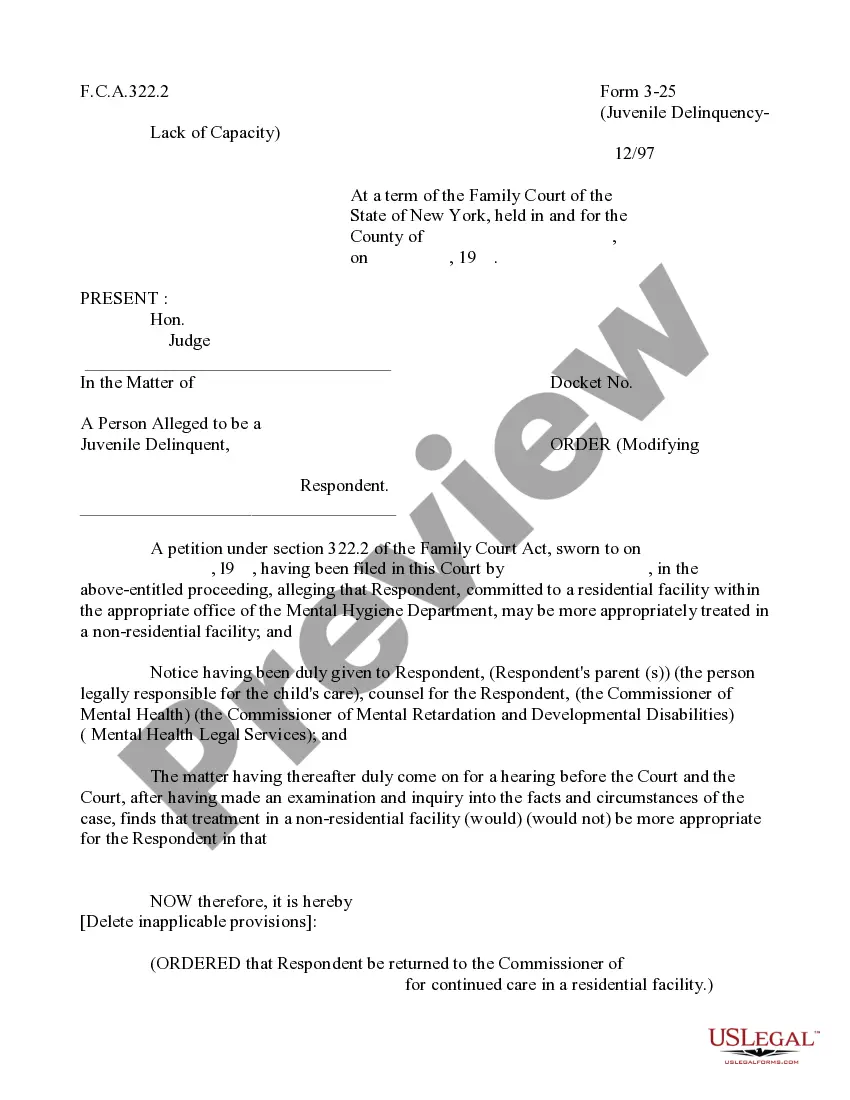


Form popularity
FAQ
On Sept. 6, 2023, the Miami-Dade County Board of County Commissioners adopted a local technical amendment to the Florida Building Code (FBC) for new multi-family residential and commercial developments.
How to draft a contract in 13 simple steps Start with a contract template. Understand the purpose and requirements. Identify all parties involved. Outline key terms and conditions. Define deliverables and milestones. Establish payment terms. Add termination conditions. Incorporate dispute resolution.
What is a standard form contract? While many contracts are entirely purpose made, standard form contracts consist of standardised, pre-written terms and conditions. Because standard form contracts are familiar to people in an industry, they often function effectively without the need for much negotiation.
How To Write A Construction Contract With 7 Steps Step 1: Define the Parties Involved. Step 2: Outline the Scope of Work. Step 3: Establish the Timeline. Step 4: Determine the Payment Terms. Step 5: Include Necessary Legal Clauses. Step 6: Address Change Orders and Modifications. Step 7: Sign and Execute the Contract.
When writing a contract, you should include an introductory section that lists and defines all of the interested parties. A well-constructed contract will cover its duration and the specifics regarding the terms of the agreement between the parties. The tone of a contract should be formal and concise.
Florida Building Code- Residential / 8th Edition (2023)
The city allows construction to take place Monday - Saturday from 8 AM to 6PM. If you need to work during prohibited hours or on a Sunday/federal holiday you must obtain a Noise Waiver permit before proceeding. Read the below carefully.
2023 Florida Building Code, Building, Eighth Edition.
From front property line, seventy-five (75) feet. From rear property line, seven and one-half (7½) feet. Between buildings on same lot, parcel or tract of land, twenty (20) feet. From interior side property line, twenty (20) feet.
The Florida Building Code (Section 553.73, F.S.) The current Code is a single statewide code based on national model codes and consensus standards, amended for Florida specific needs for the design and construction of buildings.