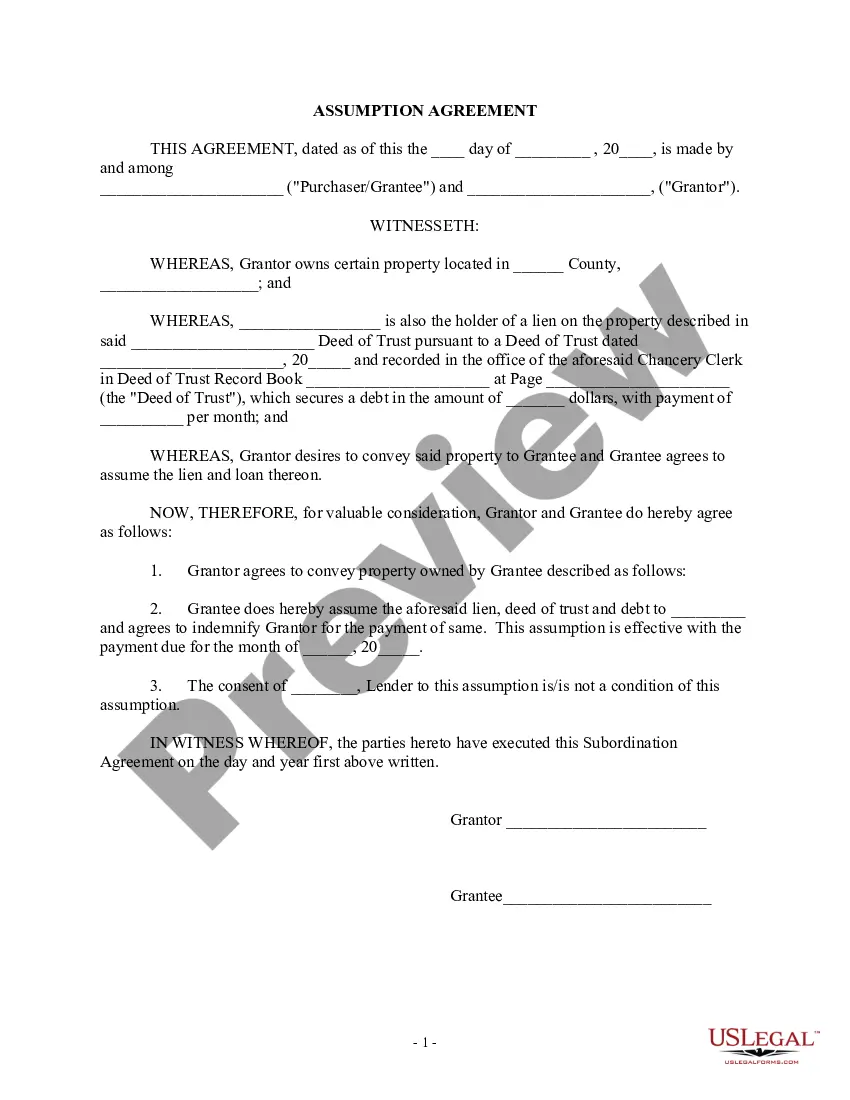
Construction Contracts For Dummies In Houston
Description


Get your form ready online
Our built-in tools help you complete, sign, share, and store your documents in one place.
Make edits, fill in missing information, and update formatting in US Legal Forms—just like you would in MS Word.
Download a copy, print it, send it by email, or mail it via USPS—whatever works best for your next step.
Sign and collect signatures with our SignNow integration. Send to multiple recipients, set reminders, and more. Go Premium to unlock E-Sign.
If this form requires notarization, complete it online through a secure video call—no need to meet a notary in person or wait for an appointment.
We protect your documents and personal data by following strict security and privacy standards.

Make edits, fill in missing information, and update formatting in US Legal Forms—just like you would in MS Word.

Download a copy, print it, send it by email, or mail it via USPS—whatever works best for your next step.

Sign and collect signatures with our SignNow integration. Send to multiple recipients, set reminders, and more. Go Premium to unlock E-Sign.

If this form requires notarization, complete it online through a secure video call—no need to meet a notary in person or wait for an appointment.

We protect your documents and personal data by following strict security and privacy standards.
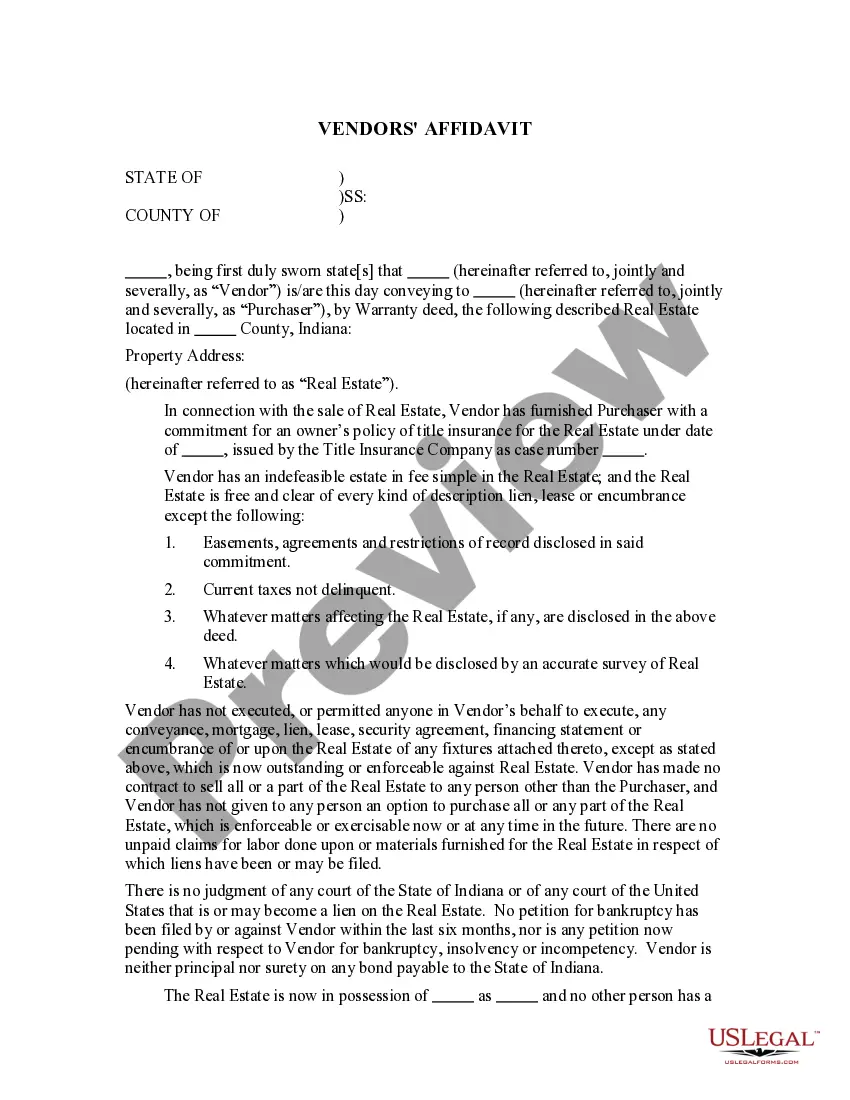
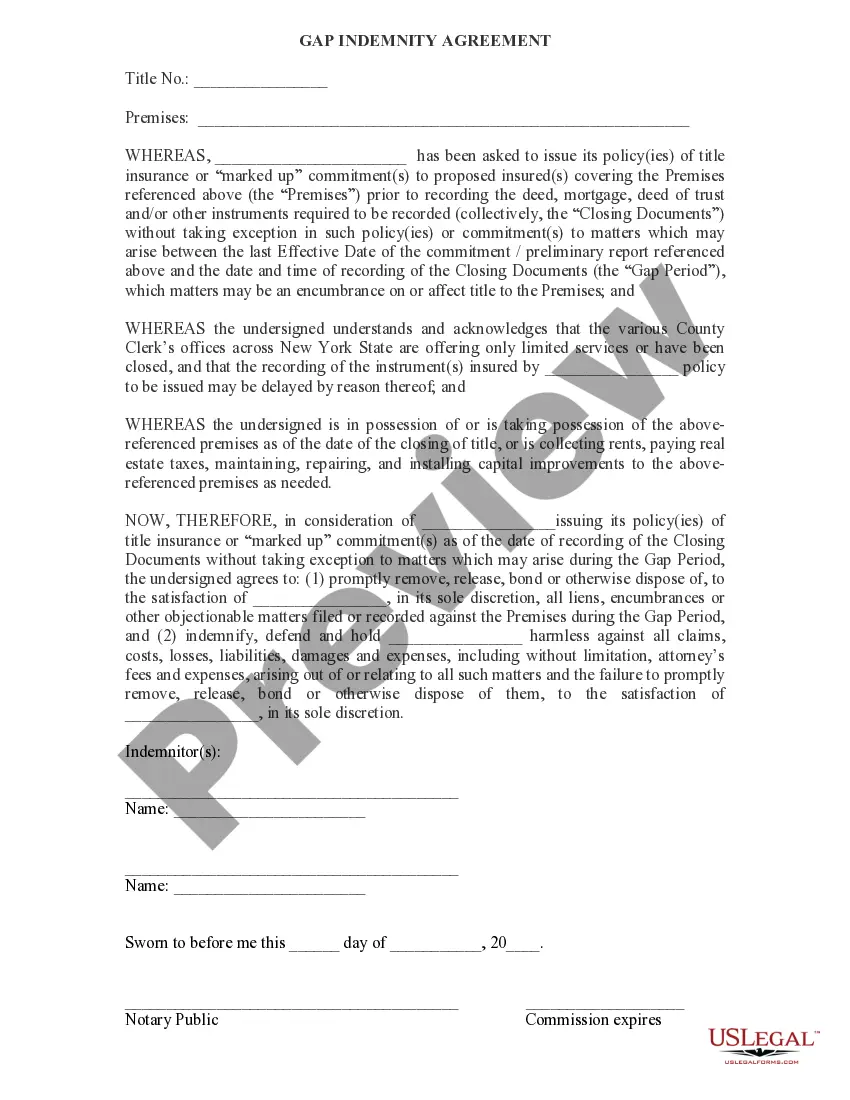
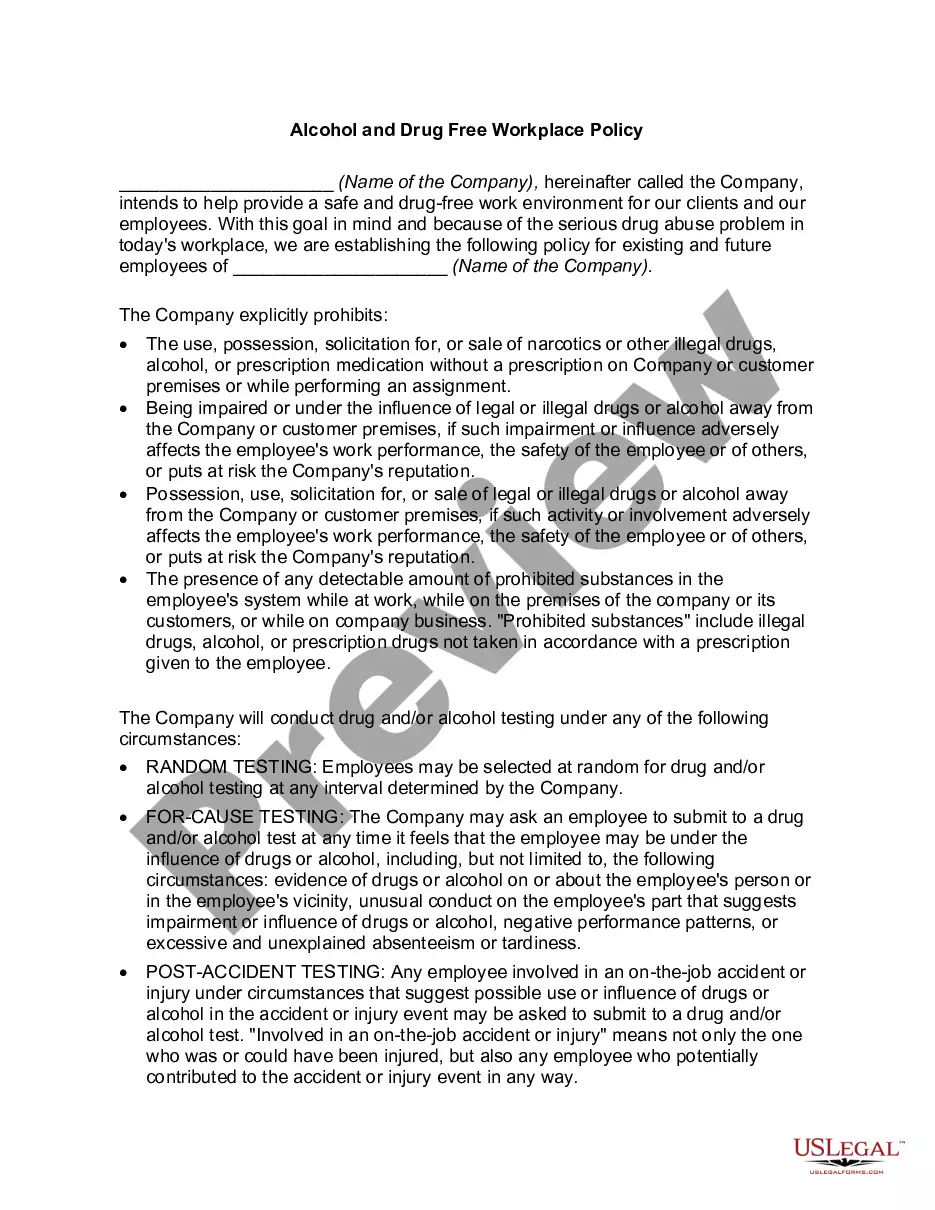
Looking for another form?




Form popularity
FAQ
When it comes to business, understanding the 4 elements of a contract business law is essential. A valid contract is built on these cornerstones: Offer, Acceptance, Consideration, and Intention to Create Legal Relations. Here's a quick look: Offer: A clear proposal to make a deal.
Here is a brief overview of the essential elements of a valid contract under Texas law. There Must Be an Offer. There Must Be Acceptance. There Must Be Mutual Consideration. The Parties Must Be Capable of Forming a Contract. The Contract Must Be For a Legal Purpose. The Contract Should Be in Writing. Find Legal Help.
To be legally enforceable, an agreement must contain all of the following criteria: An offer and acceptance; Certainty of terms; Consideration; An intention to create legal relations; Capacity of the parties; and, Legality of purpose.
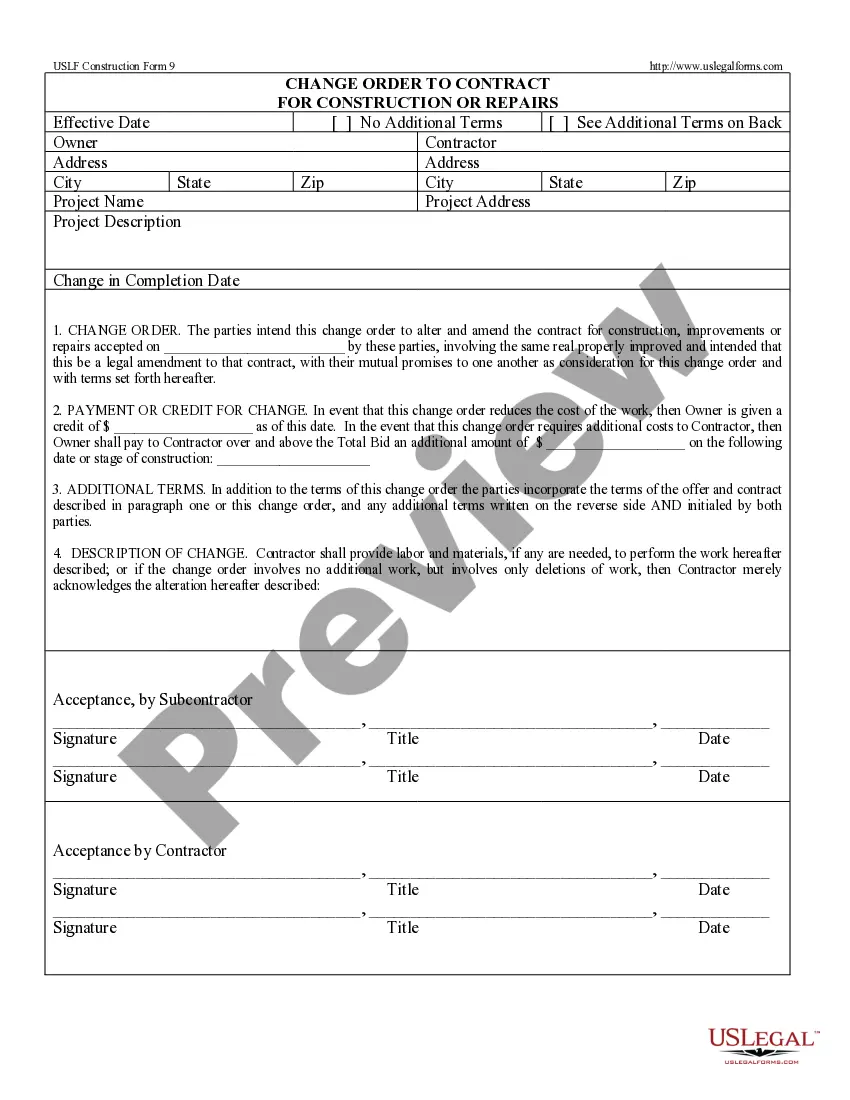
How To Write A Construction Contract With 7 Steps Step 1: Define the Parties Involved. Step 2: Outline the Scope of Work. Step 3: Establish the Timeline. Step 4: Determine the Payment Terms. Step 5: Include Necessary Legal Clauses. Step 6: Address Change Orders and Modifications. Step 7: Sign and Execute the Contract.
How to draft a contract in 13 simple steps Start with a contract template. Understand the purpose and requirements. Identify all parties involved. Outline key terms and conditions. Define deliverables and milestones. Establish payment terms. Add termination conditions. Incorporate dispute resolution.
To write a simple contract, title it clearly, identify all parties and specify terms (services or payments). Include an offer, acceptance, consideration, and intent. Add a signature and date for enforceability. Written contracts reduce disputes and offer better legal security than verbal ones.
Trade contractors, such as electricians and plumbers, need a state license and must also register with the city. Houston: General contractors are not required to register with the city. However, specific trades like electrical and plumbing work require appropriate state licensing.
The state of Texas doesn't require general contractors, home improvement specialists, or handyman services to hold a license. But remember: The area in which you're working might have other ideas on paperwork. In Texas, contractor license bonds are enforced at the city or county level.
Hire contractors who are licensed and insured. Texas does not require general contractors to be licensed or bonded, but they are required to be a state-registered business. Check with your local building department or consumer protection agency to find out about additional licensing requirements in your area.