Sia Building Contract 2016 Without Quantities In Georgia
Description

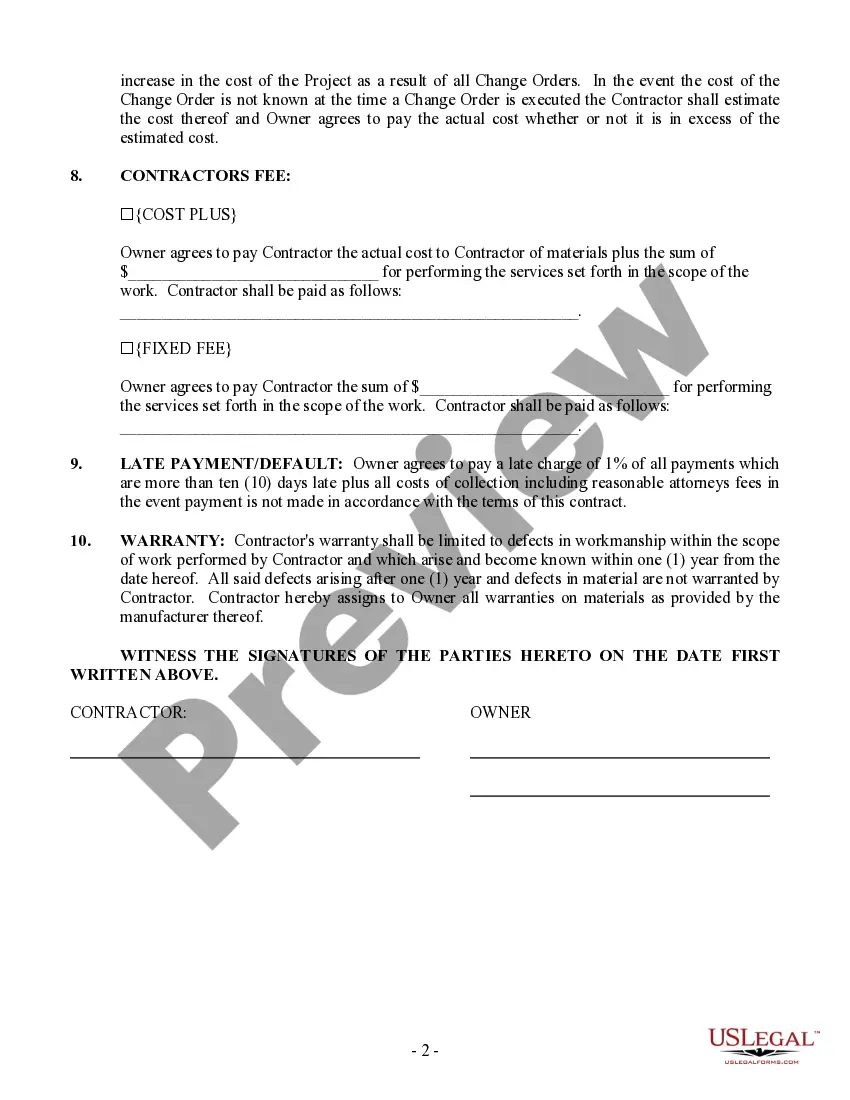
Get your form ready online
Our built-in tools help you complete, sign, share, and store your documents in one place.
Make edits, fill in missing information, and update formatting in US Legal Forms—just like you would in MS Word.
Download a copy, print it, send it by email, or mail it via USPS—whatever works best for your next step.
Sign and collect signatures with our SignNow integration. Send to multiple recipients, set reminders, and more. Go Premium to unlock E-Sign.
If this form requires notarization, complete it online through a secure video call—no need to meet a notary in person or wait for an appointment.
We protect your documents and personal data by following strict security and privacy standards.

Make edits, fill in missing information, and update formatting in US Legal Forms—just like you would in MS Word.

Download a copy, print it, send it by email, or mail it via USPS—whatever works best for your next step.

Sign and collect signatures with our SignNow integration. Send to multiple recipients, set reminders, and more. Go Premium to unlock E-Sign.

If this form requires notarization, complete it online through a secure video call—no need to meet a notary in person or wait for an appointment.

We protect your documents and personal data by following strict security and privacy standards.
Looking for another form?









Form popularity
FAQ
What is a standard form contract? While many contracts are entirely purpose made, standard form contracts consist of standardised, pre-written terms and conditions. Because standard form contracts are familiar to people in an industry, they often function effectively without the need for much negotiation.
10 Different Types of Contracts Type of ContractEveryday Use Implied Contracts Common in everyday transactions like dining out. Express Contracts Standard in formal business agreements. Simple Contracts Used for straightforward services or transactions. Unconscionable Contracts Often challenged in court for fairness.10 more rows •
One of the unique features of the Singapore Institute of Architects Articles and Conditions of Building Contract (“the SIA Contract”) is that the contractor is assured of periodic valuation of works carried out and amounts expressed to be payable in the interim certificates.
The most commonly used standard forms of contract in Singapore are the Singapore Institute of Architects (“SIA”), Real Estate Developers' Association of Singapore (“REDAS”) and Public Sector Standard Conditions of Contract (“PSSCOC”) standard form contracts.
On the basis of formation, the types of contracts are express contracts, quasi-contract, implied contracts, and E-contract. Based on performance, contract types are executed contracts, unilateral contracts, executory contracts, and bilateral contracts.
There are three main types of contract that use the SIA Conditions, namely: the Lump Sum Contract; Measurement Contract; and. Minor Works Contract.
The employer must provide drawings together with a description of works, and either a specification or work schedules at tender stage. The project is generally not complex enough to require bills of quantities.
The RIAI (Royal Institute of Architects of Ireland) blue form contract is a standard form of contract used in construction projects in Ireland. The form consists of several sections that need to be completed by the parties involved in the contract.
The RIAI Standard defines the distinct training and the skill-set expected of an RIAI architectural technologist. The existing RIAI accredited 3-year Level 7, and 4-year Level 8 architectural technology programmes align with the RIAI Standards.
