Contract Contractor Building For Lease In Florida
Description




Form popularity
FAQ
Contact Eko Law today to work with our business attorney in Clearwater. While you can legally write your own commercial lease agreement in Florida, the risks often outweigh the benefits. For most landlords and business owners, the expertise of a qualified attorney is invaluable in this process.
Yes, a contract to lease is binding in Florida. The contract to lease establishes the terms and conditions of the rental agreement between the landlord and tenant. While the lease itself supersedes the contract to lease, the provisions of the contract to lease are generally legally enforceable.
The main difference is the length of tenancy. A rental agreement is usually short term or month-to-month, while a lease is typically for a longer period of time, usually six months or more. Find out more about what it means to rent or lease and the pros and cons of each.
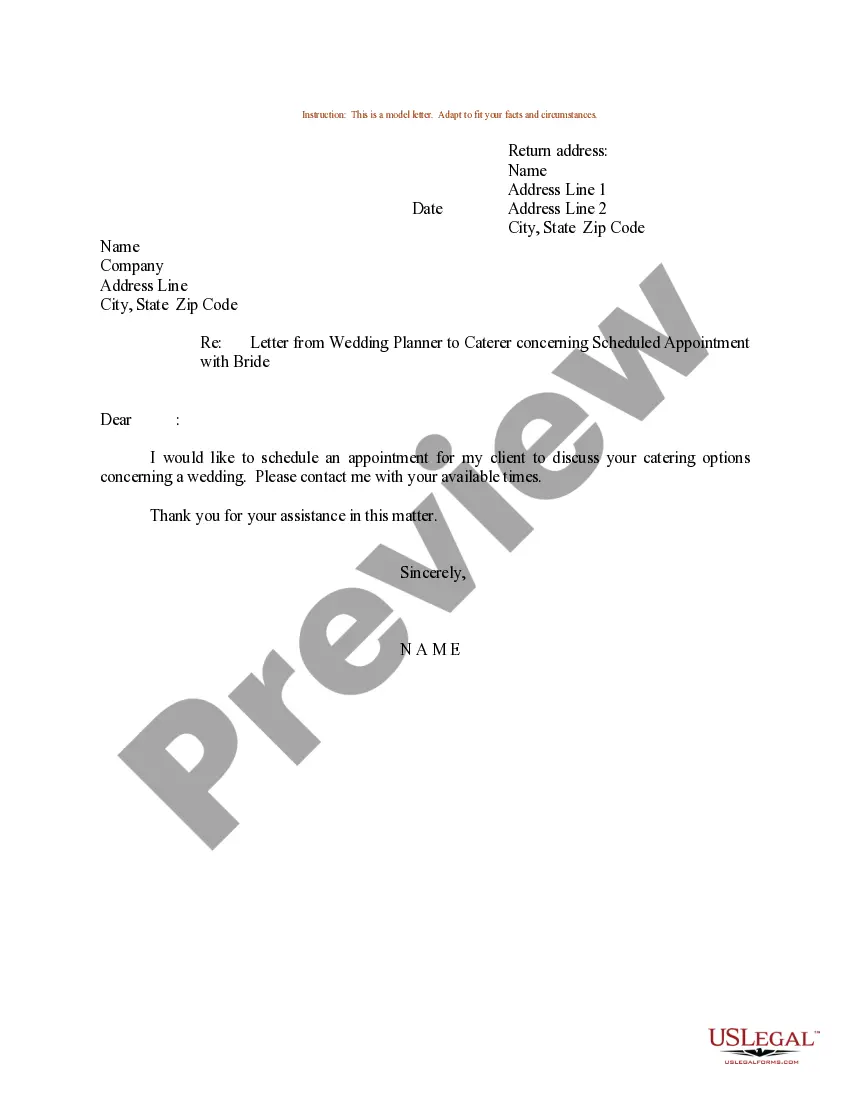
Key components of a Florida lease agreement Parties involved: landlord and tenant. Property description and address. Terms of lease: Duration, rent, and payment. Security deposit: Amount and conditions for return. Maintenance and repair responsibilities. Other specific clauses.
This means they must be of sound mind and at least 18 years old. Additionally, the contract must be for a lawful purpose; a contract for an illegal act is not enforceable. Finally, a real estate contract in Florida must be in writing and signed by the parties involved.
Who pays closing costs in Florida? In Florida, similarly to other states, closing costs are charges that applied to both parties in a real estate transaction, the buyer AND the seller.
To ensure a comprehensive and legally sound agreement, the following elements should be included in a Florida lease: Parties involved: landlord and tenant. Property description and address. Terms of lease: Duration, rent, and payment. Security deposit: Amount and conditions for return.
1. Gross Lease. Gross leases are most common for commercial properties such as offices and retail space. The tenant pays a single, flat amount that includes rent, taxes, utilities, and insurance.
