Construction Contracts Oregon Forest Fire Map In Dallas
Description


Get your form ready online
Our built-in tools help you complete, sign, share, and store your documents in one place.
Make edits, fill in missing information, and update formatting in US Legal Forms—just like you would in MS Word.
Download a copy, print it, send it by email, or mail it via USPS—whatever works best for your next step.
Sign and collect signatures with our SignNow integration. Send to multiple recipients, set reminders, and more. Go Premium to unlock E-Sign.
If this form requires notarization, complete it online through a secure video call—no need to meet a notary in person or wait for an appointment.
We protect your documents and personal data by following strict security and privacy standards.

Make edits, fill in missing information, and update formatting in US Legal Forms—just like you would in MS Word.

Download a copy, print it, send it by email, or mail it via USPS—whatever works best for your next step.

Sign and collect signatures with our SignNow integration. Send to multiple recipients, set reminders, and more. Go Premium to unlock E-Sign.

If this form requires notarization, complete it online through a secure video call—no need to meet a notary in person or wait for an appointment.

We protect your documents and personal data by following strict security and privacy standards.
Looking for another form?

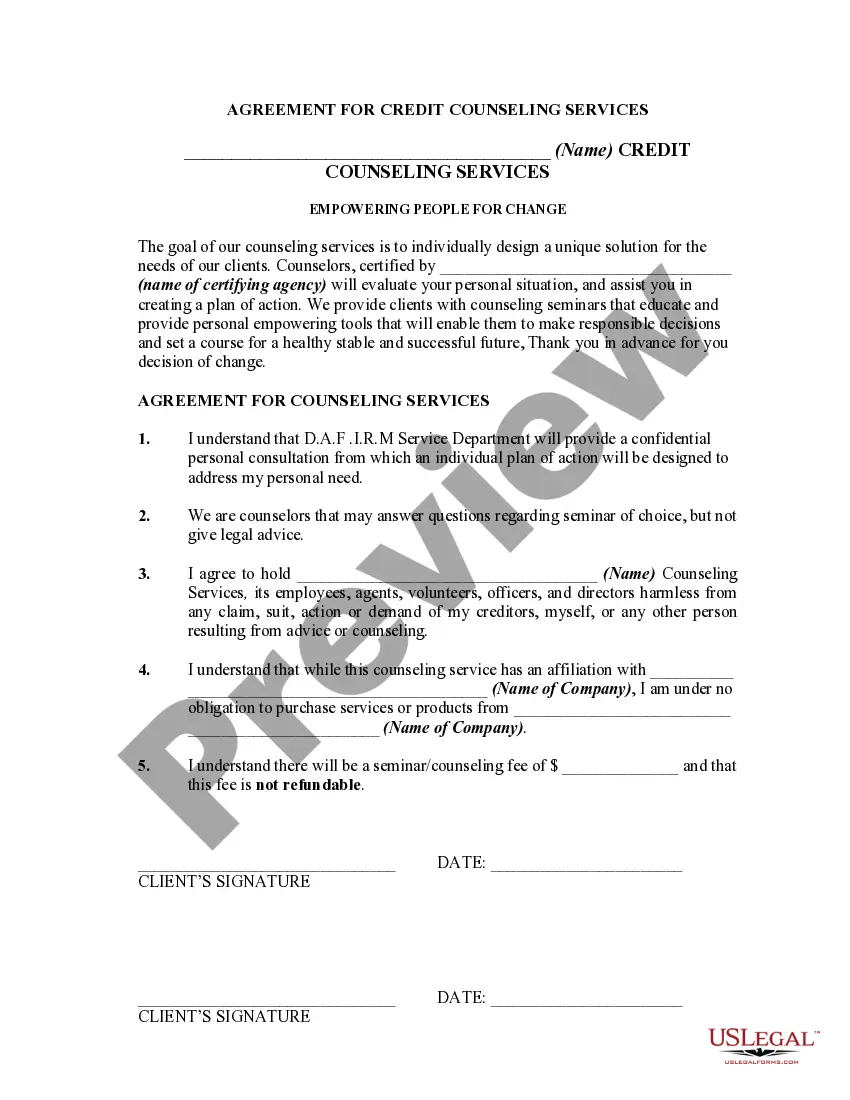

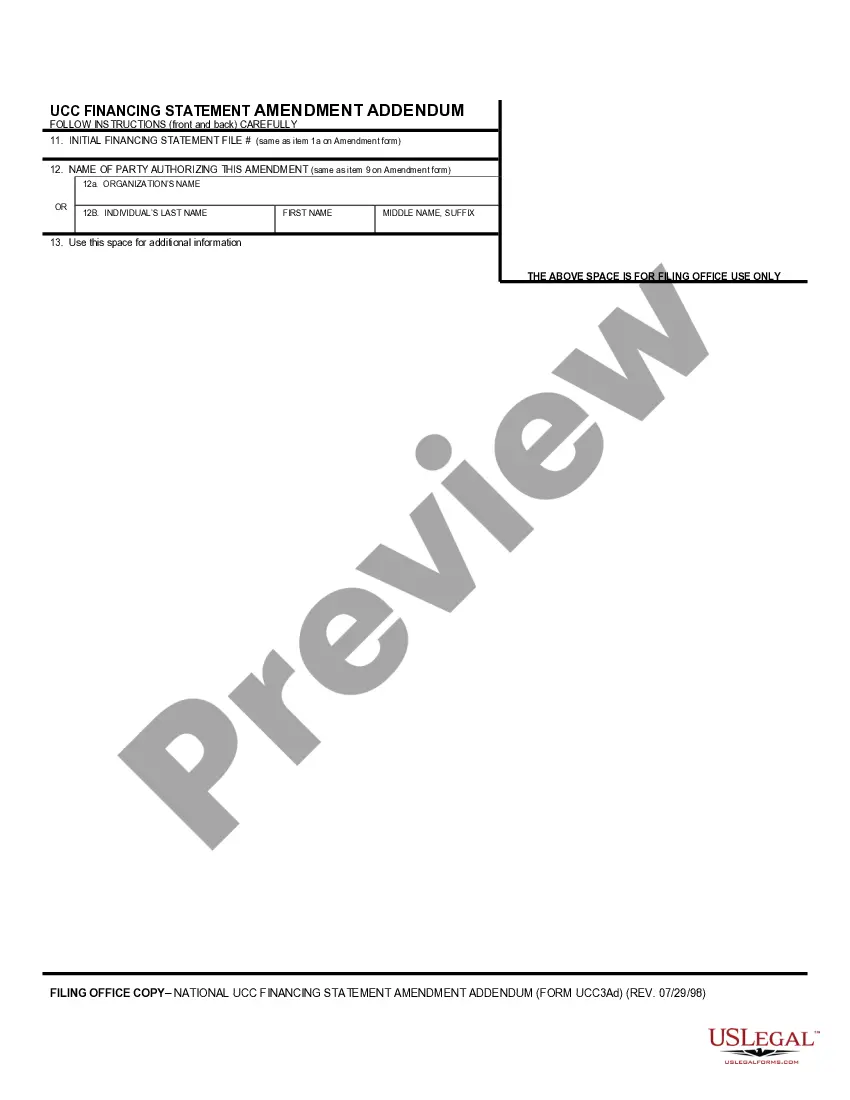
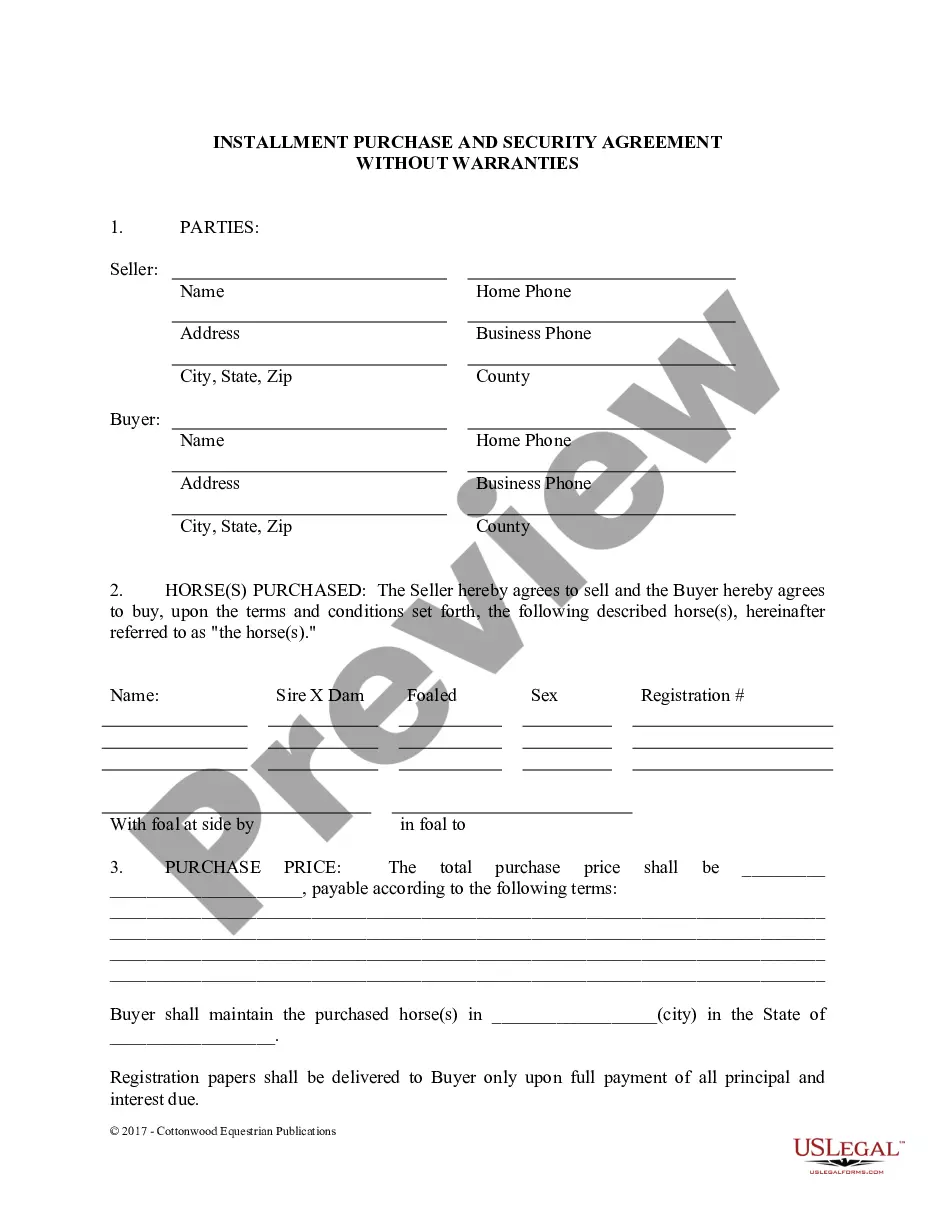
Form popularity
FAQ
To get work, you need a contract. Wildland fire contracts are awarded at the local, regional, state and federal levels. Finding them can be a chore, but you can start at your state forestry agency website and the federal agency sites for USDA Forest Service and USDI Bureau of Land Management.
Fire risk assessments Identify the fire hazards. Identify people at risk. Evaluate, remove or reduce the risks. Record your findings, prepare an emergency plan and provide training. Review and update the fire risk assessment regularly.
In Oregon, the WUI is defined in state statute (OAR 629-044-1005 (m)) as “a geographical area where structures and other human development meets or intermingles with wildland or vegetative fuels.” The criteria for mapping that geographical area are defined in OAR 629-044-1011.
There are three aspects to predicting fire. Fire is predicted from (1) the probability of ignition; (2) the biophysical influences on fire, such as fuel load, moisture content, flammability of the vegetation, and topography; and (3) the spread of fire once it gets established.
Those looking at listings can navigate to the website Riskfactor, type in any address and see a flood and fire score for that property. The assessment shows both current risk as well as future risk. The fire factor scale begins at 1, designating no modeled exposure of being in a wildfire.
Fire Risk Score of 3 (indicates the highest risk of fire) ▪ Initiate the high fire safety protocol.
Download the FireSmart app and make your home safer today The app guides users through a series of questions to help identify specific actions that may reduce the impact of wildfires on homes and properties.
As Oregon's largest fire department, ODF's Fire Protection Program protects 16 million acres of forest, a $60 billion asset. These lands consist of privately owned forests as well as some public lands, including state-owned forests and, by contract, US Bureau of Land Management forests in western Oregon.
The highest concentration of high risk wildfire zones are located in Oregon's southwest, central and eastern areas, ing to the map.
Oregon Department of Forestry : Firefighting ground resources : Fire : State of Oregon.
