Fixed Fee For Service In Collin
Description

Get your form ready online
Our built-in tools help you complete, sign, share, and store your documents in one place.
Make edits, fill in missing information, and update formatting in US Legal Forms—just like you would in MS Word.
Download a copy, print it, send it by email, or mail it via USPS—whatever works best for your next step.
Sign and collect signatures with our SignNow integration. Send to multiple recipients, set reminders, and more. Go Premium to unlock E-Sign.
If this form requires notarization, complete it online through a secure video call—no need to meet a notary in person or wait for an appointment.
We protect your documents and personal data by following strict security and privacy standards.

Make edits, fill in missing information, and update formatting in US Legal Forms—just like you would in MS Word.

Download a copy, print it, send it by email, or mail it via USPS—whatever works best for your next step.

Sign and collect signatures with our SignNow integration. Send to multiple recipients, set reminders, and more. Go Premium to unlock E-Sign.

If this form requires notarization, complete it online through a secure video call—no need to meet a notary in person or wait for an appointment.

We protect your documents and personal data by following strict security and privacy standards.
Looking for another form?

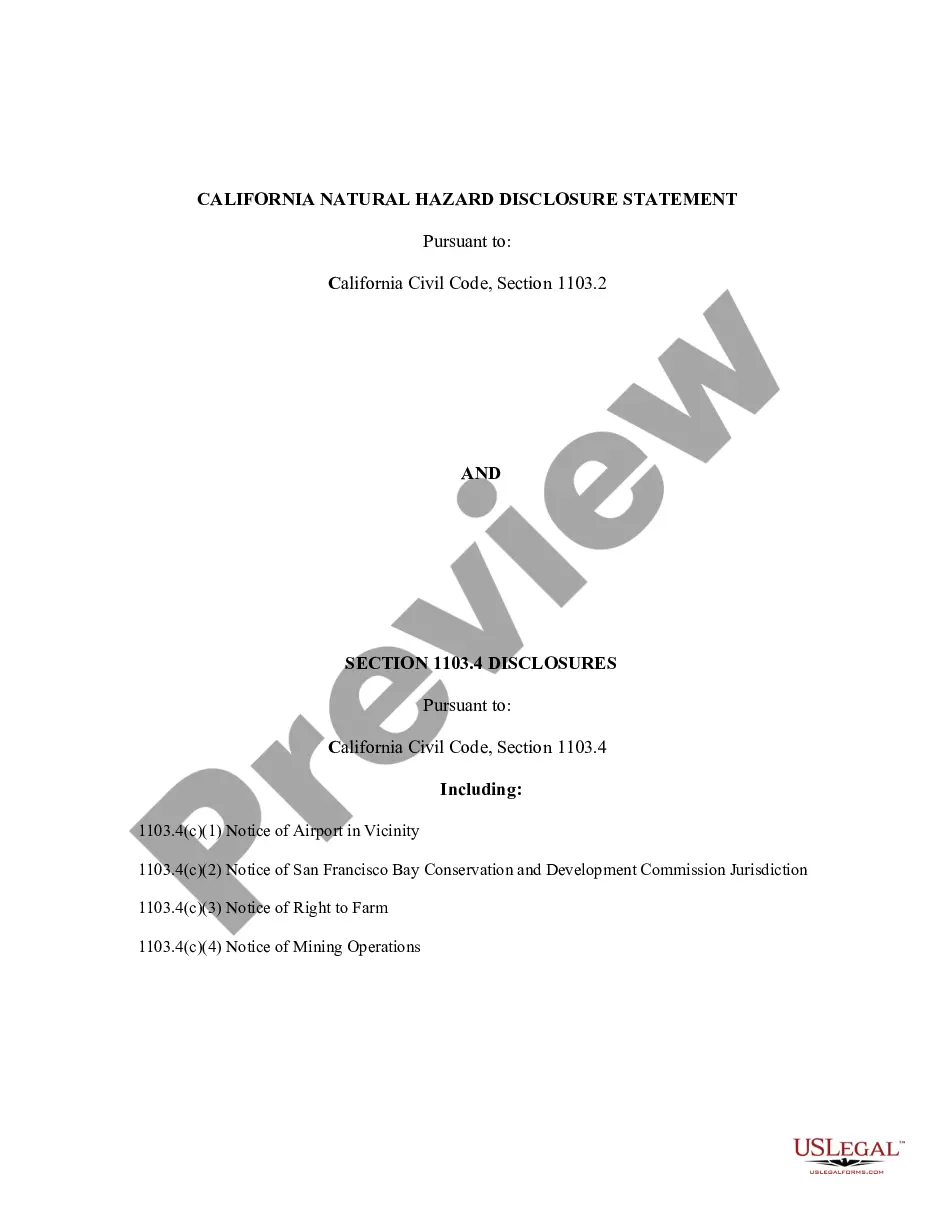





Form popularity
FAQ
Quick Answer. If your wages or bank account have been garnished, you may be able to stop it by paying the debt in full, filing an objection with the court or filing for bankruptcy. If you've stopped paying a debt, your creditor could sue you and try to get a judgment from a court.
As stated above, if an employer fails to comply with a garnishment write, that employer may become liable for the full amount of the employee's judgment debt.
A writ of garnishment allows a creditor to seize property from a debtor that is being held by a third party. While some property is exempt from garnishment in Texas, such as wages, other property such as bank accounts and stocks may be subject to garnishment.
All eviction suits must be filed in the Justice of the Peace precinct where the property is located. You can find the precincts by searching the address on the JP Precinct Map.
In Collin County, Texas, a divorce typically takes a minimum of 60 days from the filing date before it can be finalized. However, it usually takes at least a few months to resolve all the issues.
Uncontested Divorce An uncontested divorce is one of the most affordable options. This occurs when both spouses agree on all major issues, such as property division, child custody, and support. Since there's no need for extensive court involvement or lengthy legal battles, the costs are significantly lower.
