Atv Form With Retail Formula In Maryland
Description
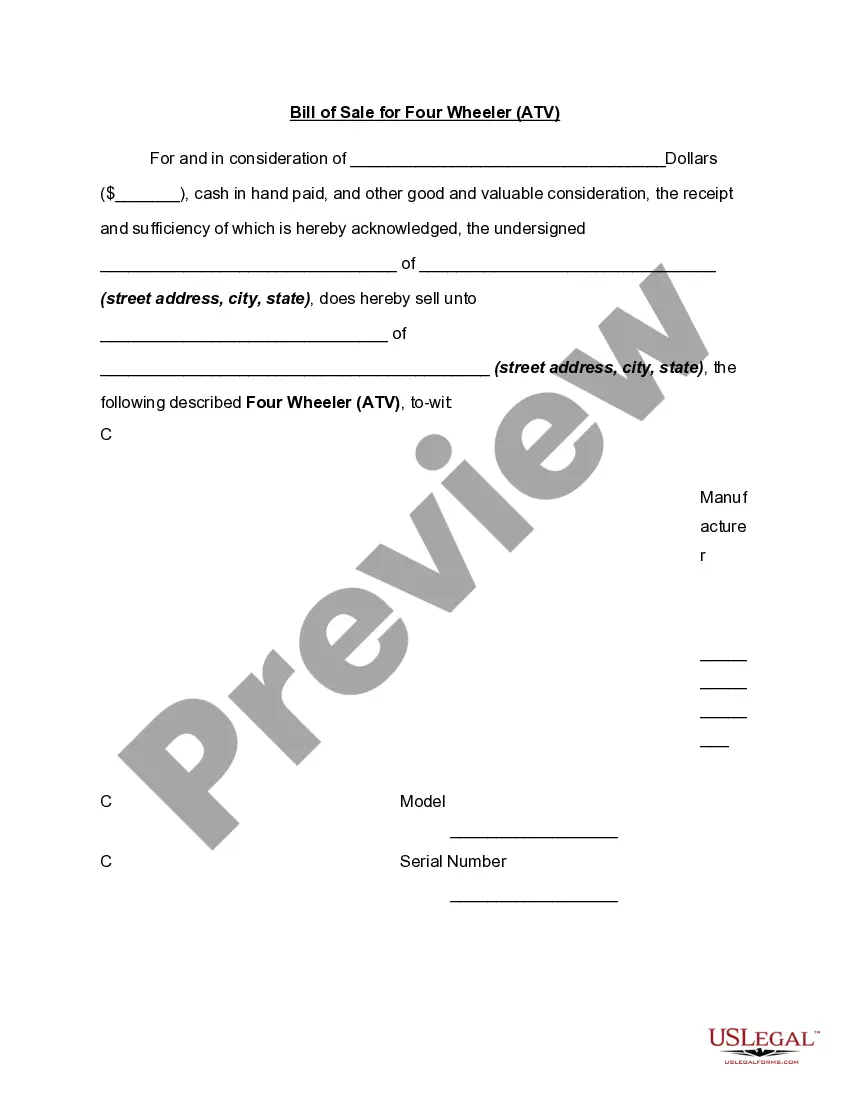
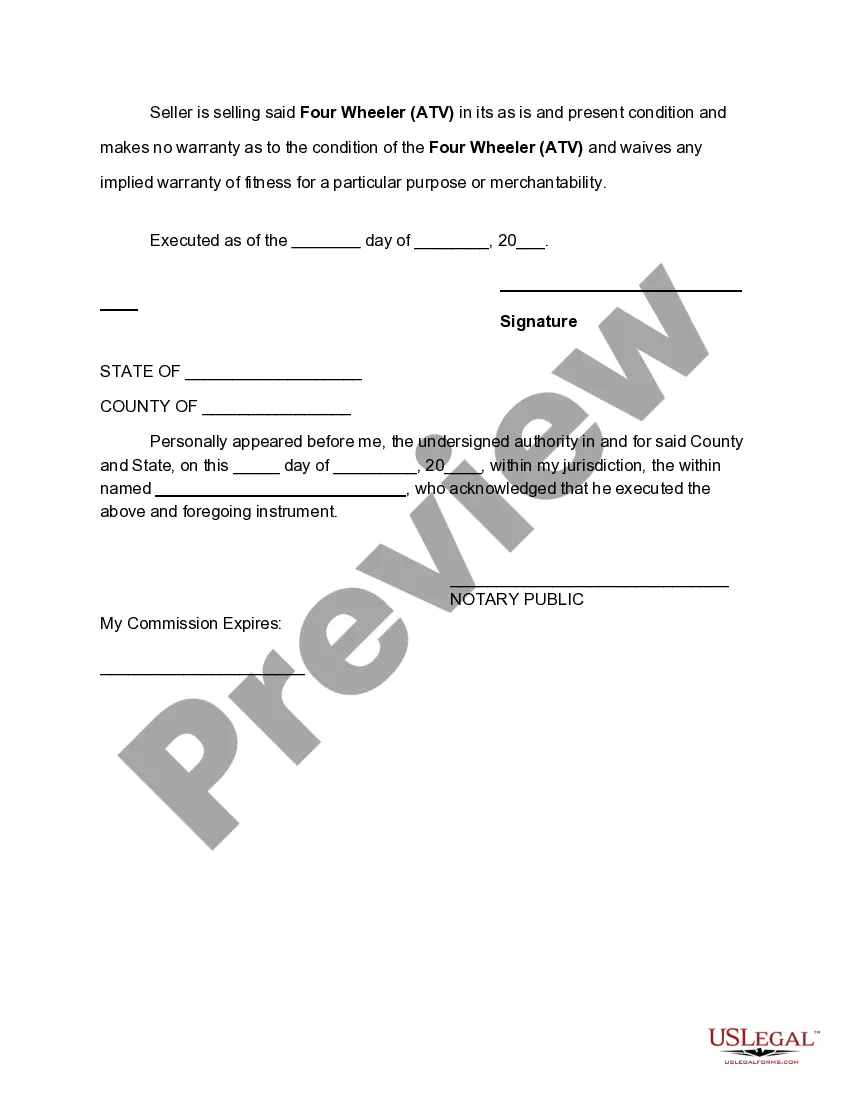
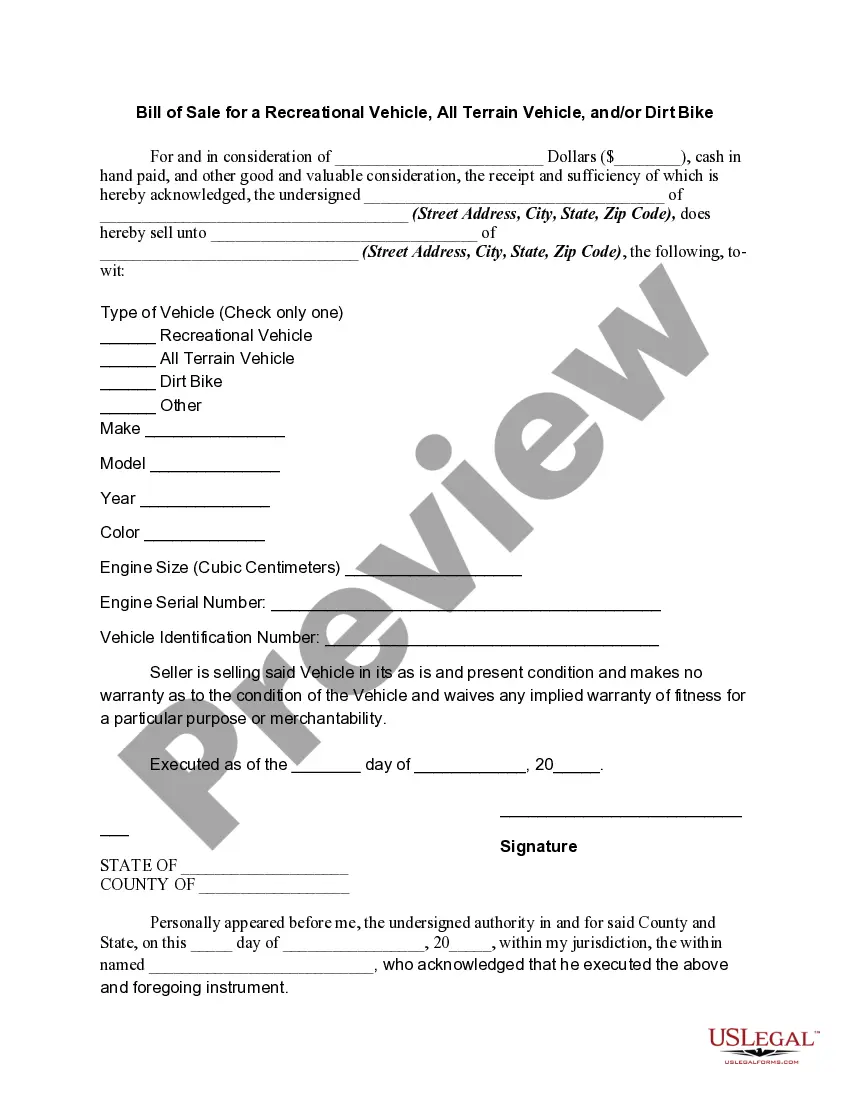
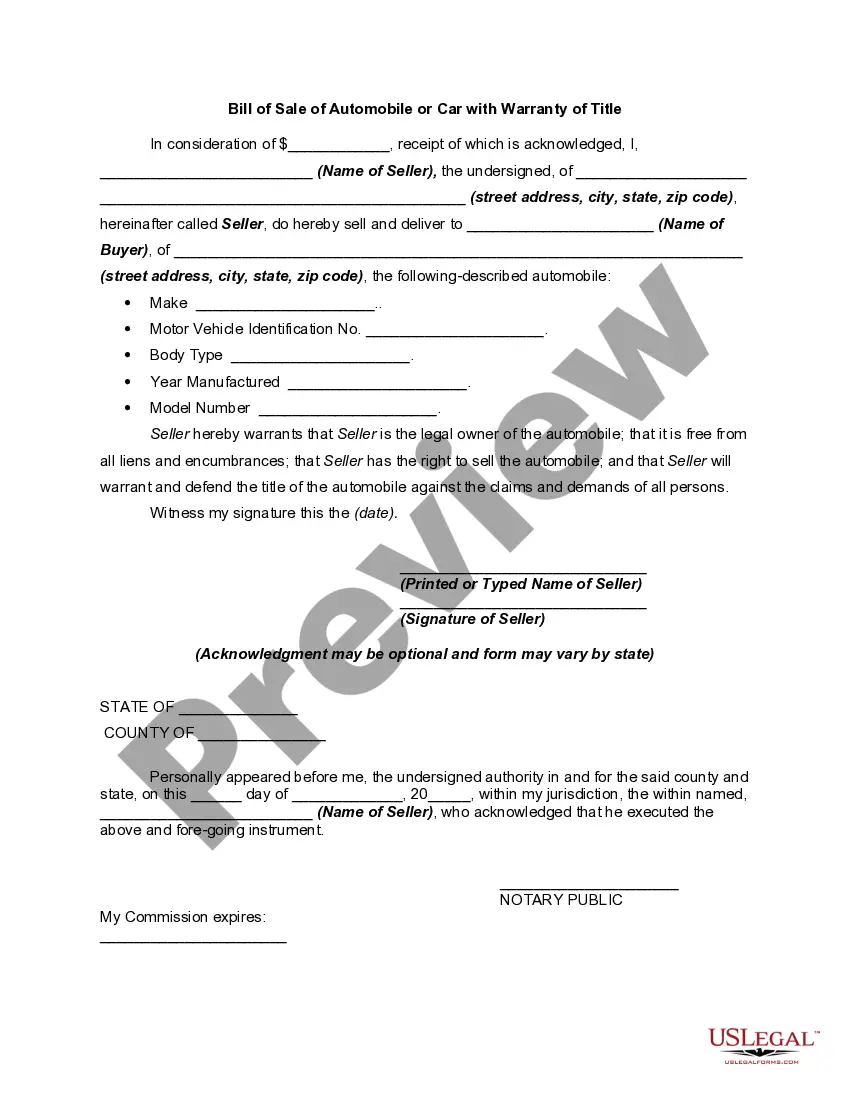
Get your form ready online
Our built-in tools help you complete, sign, share, and store your documents in one place.
Make edits, fill in missing information, and update formatting in US Legal Forms—just like you would in MS Word.
Download a copy, print it, send it by email, or mail it via USPS—whatever works best for your next step.
Sign and collect signatures with our SignNow integration. Send to multiple recipients, set reminders, and more. Go Premium to unlock E-Sign.
If this form requires notarization, complete it online through a secure video call—no need to meet a notary in person or wait for an appointment.
We protect your documents and personal data by following strict security and privacy standards.

Make edits, fill in missing information, and update formatting in US Legal Forms—just like you would in MS Word.

Download a copy, print it, send it by email, or mail it via USPS—whatever works best for your next step.

Sign and collect signatures with our SignNow integration. Send to multiple recipients, set reminders, and more. Go Premium to unlock E-Sign.

If this form requires notarization, complete it online through a secure video call—no need to meet a notary in person or wait for an appointment.

We protect your documents and personal data by following strict security and privacy standards.
Looking for another form?










Form popularity
FAQ
Application for a Certificate of Title (Form #VR-005) can be used for titling a vehicle. This form must be filled out and brought in person to your local full service MVA office. Application for a Corrected Title Due to a Name Change (Form #VR-448) is used to apply for a corrected title for a name change.
Title brands indicate whether a used vehicle has sustained damage or might be potentially unsafe to drive. If a vehicle's title has been "branded," it is an official designation made by a state agency and should appear on the vehicle's title paperwork. Neither individuals nor private companies can brand titles.
What are vehicle brands? In this scenario, the brand isn't the name of the automaker. It's a designation on the vehicle's title or ownership. If a vehicle is badly damaged or stolen, your province's transportation ministry adds a brand to its Vehicle Identification Number (VIN) to indicate the extent of the damage.
The seller must sign and print his or her name and the buyer's name and address on the back of the “Certificate of Title” under the “Assignment of Ownership” section. The buyer's name and address must be recorded in the “Assignment of Ownership” section to complete the sale.
Blue titles are given to vehicles with major damage, theft, or repairs. They are meant to protect buyers from purchasing a vehicle that may be unsafe or unreliable. Once a vehicle has been designated as salvage, it must undergo an inspection and meet all DMV requirements before it can be registered for road use again.
The seller must sign and print his or her name and the buyer's name and address on the back of the “Certificate of Title” under the “Assignment of Ownership” section.
No, you can't get insurance for salvage cars. Once a car is declared a total loss, it's destined for the scrapyard — unless it's sufficiently repaired and rebuilt.
Off-road vehicles must be registered annually with the Department of Natural Resources and display a registration sticker. Click here for the application to obtain off road vehicle decals.
Effective October 1, 2012, mopeds and motor scooters are required to be titled and display a decal in Maryland. In addition, operators of the vehicles are required to possess a valid license or moped permit, carry proof of insurance, and wear a protective head and eye device.
What paperwork do I need to privately sell a car in Maryland? Vehicle certificate of title (Fill out Form VR-018 if you need a duplicate title) Notarized bill of sale, if applicable (Form VR-181) Odometer Disclosure (Form VR-197), if applicable.