Atv Form With Retail In King
Description

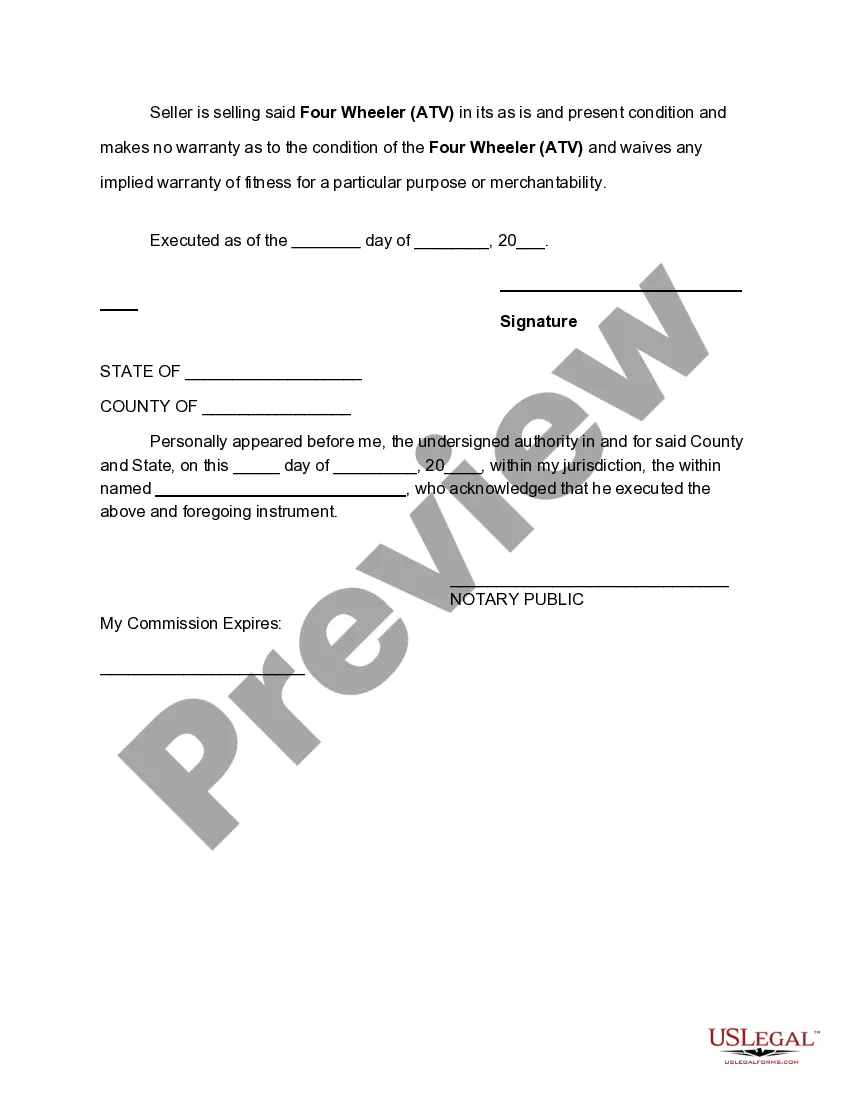
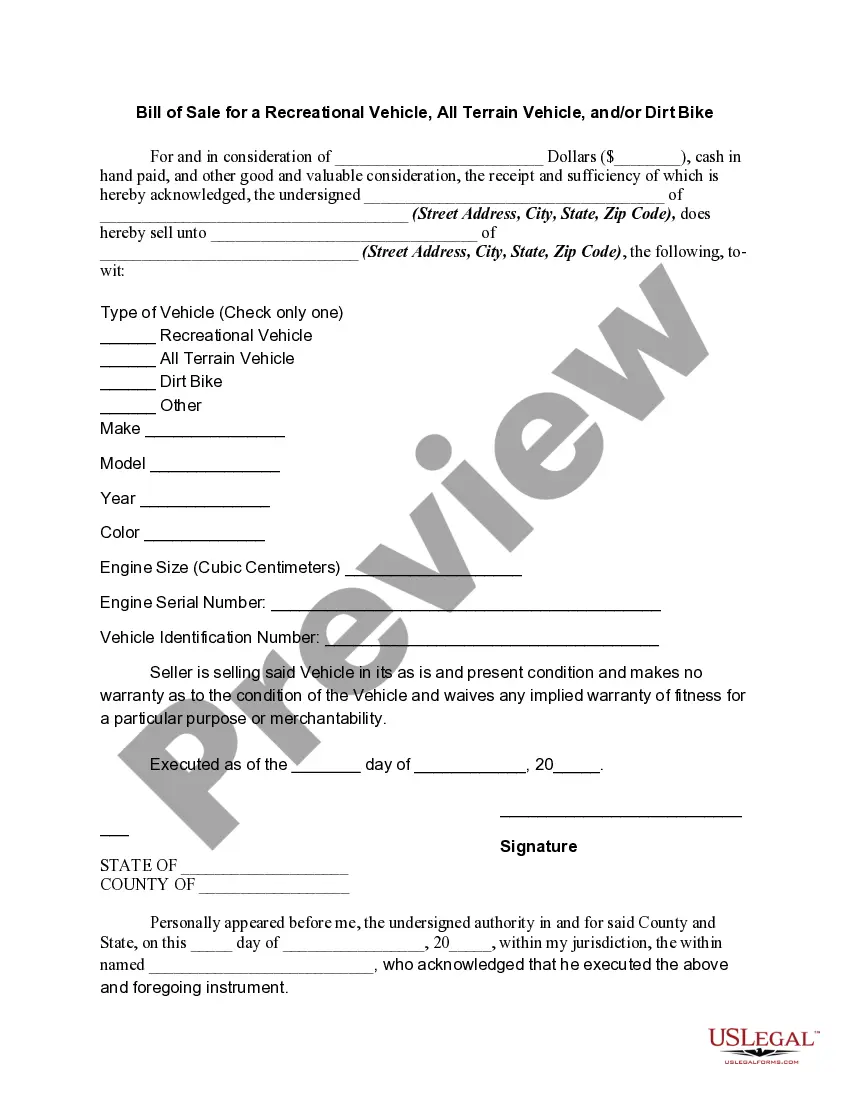
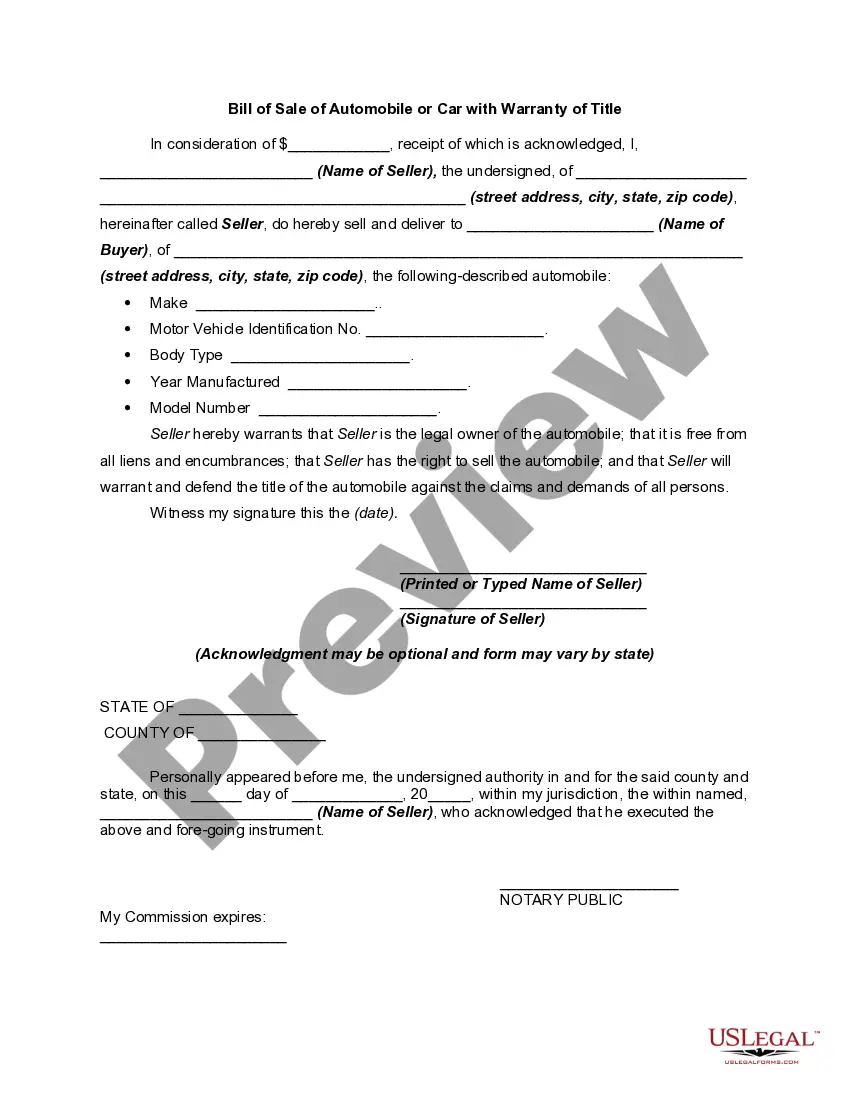
Get your form ready online
Our built-in tools help you complete, sign, share, and store your documents in one place.
Make edits, fill in missing information, and update formatting in US Legal Forms—just like you would in MS Word.
Download a copy, print it, send it by email, or mail it via USPS—whatever works best for your next step.
Sign and collect signatures with our SignNow integration. Send to multiple recipients, set reminders, and more. Go Premium to unlock E-Sign.
If this form requires notarization, complete it online through a secure video call—no need to meet a notary in person or wait for an appointment.
We protect your documents and personal data by following strict security and privacy standards.

Make edits, fill in missing information, and update formatting in US Legal Forms—just like you would in MS Word.

Download a copy, print it, send it by email, or mail it via USPS—whatever works best for your next step.

Sign and collect signatures with our SignNow integration. Send to multiple recipients, set reminders, and more. Go Premium to unlock E-Sign.

If this form requires notarization, complete it online through a secure video call—no need to meet a notary in person or wait for an appointment.

We protect your documents and personal data by following strict security and privacy standards.
Looking for another form?










Form popularity
FAQ
AVT = Retail Sales / Number of Transactions Below is the data we'll need.
ATVs, UTVs, dirt bikes, moose buggies, snowmachines, and other off-highway vehicles may be registered but are not titled. If these vehicles are driven on public property, they are required to be registered with the DMV.
Average transaction value (ATV) measures the average value of sales transactions completed within a day, week, or month, giving the retailer important information regarding profits and sales performance.
You could make a pair of wood chocks for the front wheels. Place them against the bottom of the front of the bed so only the tires contact and not any other part of the ATV. Then use tie down straps to compress the front suspension a bit so the machine stays tight against the front of the bed.
The conversion rate is a crucial performance metric that provides insights into the efficacy of a store's sales and marketing strategies. It is calculated by dividing the total number of transactions by the total number of visitors and multiplying the outcome by 100.
To find this number, retailers choose a particular period of time (such as an hour, a day, or a week), calculate the total amount of sales made within that time period, then divide that number by the number of transactions completed within that time.
Let's understand the calculation of ATS with an example of how it is calculated at IIM Indore. It is computed section-wise. The formula used to calculate the ATS is as follows: In IPMAT Indore 65% weightage is given to the ATS score and 35% weightage is given to the interview.
Dollars when you look at the sales report for a certain period and find that sales are below target.MoreDollars when you look at the sales report for a certain period and find that sales are below target. You can then calculate atv to see if it's meeting the average or target or not.
ATV stands for average transaction value, which means how much, on average, one customer spends in one transaction with your business, either online or in-person 1. Sometimes, especially for e-commerce-based sellers, this is also called AOV, or average order value, and is calculated the same way 2.