Atv Form With Retail Formula In Chicago
Description
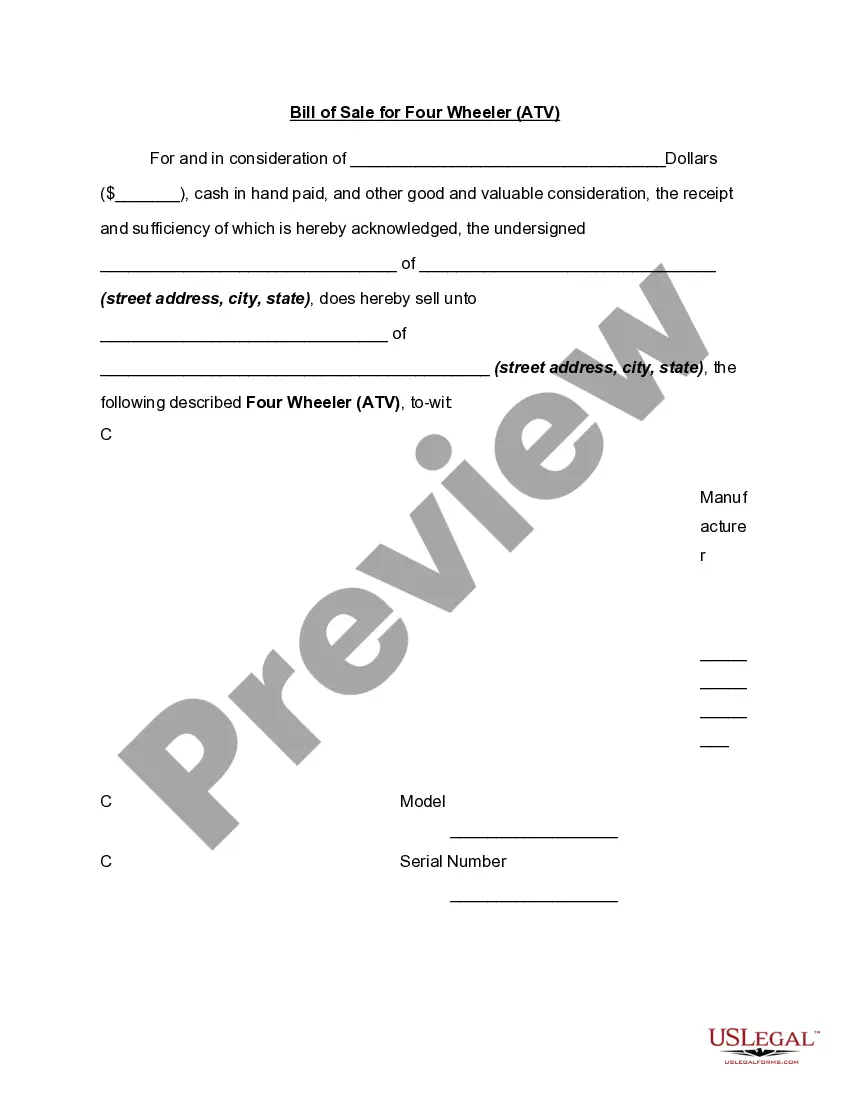
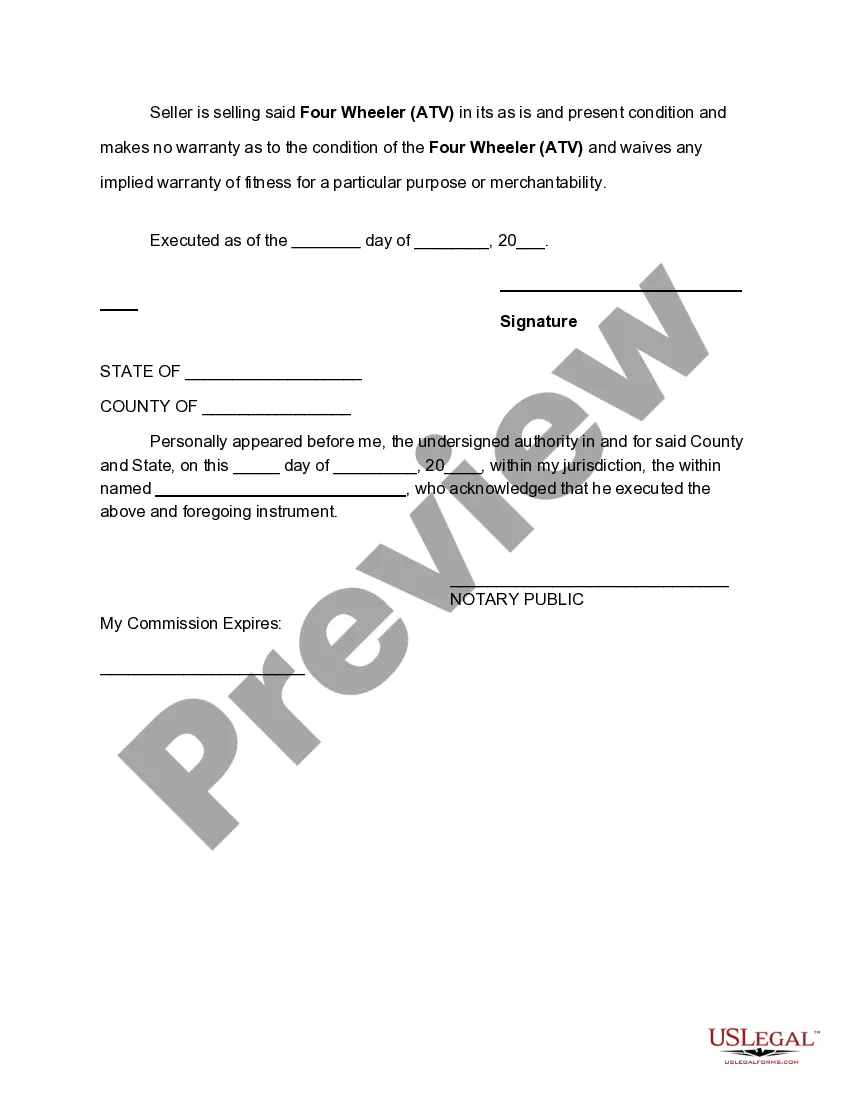
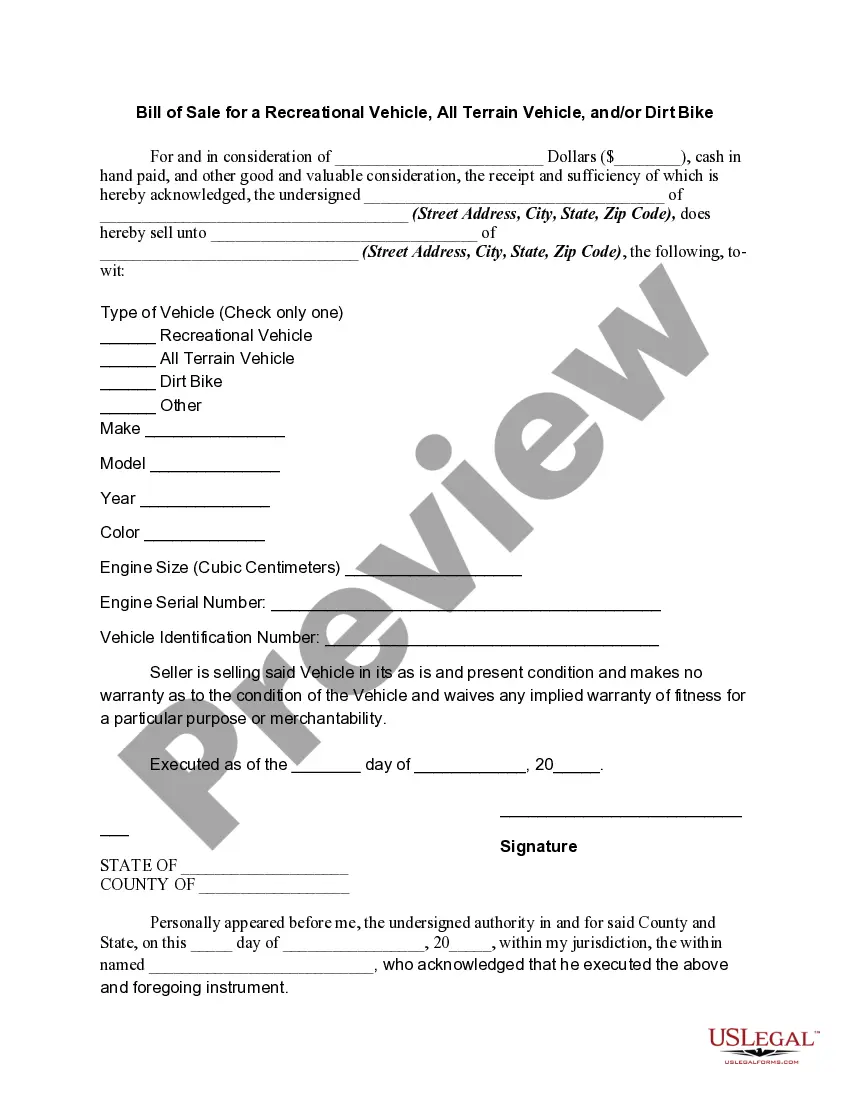
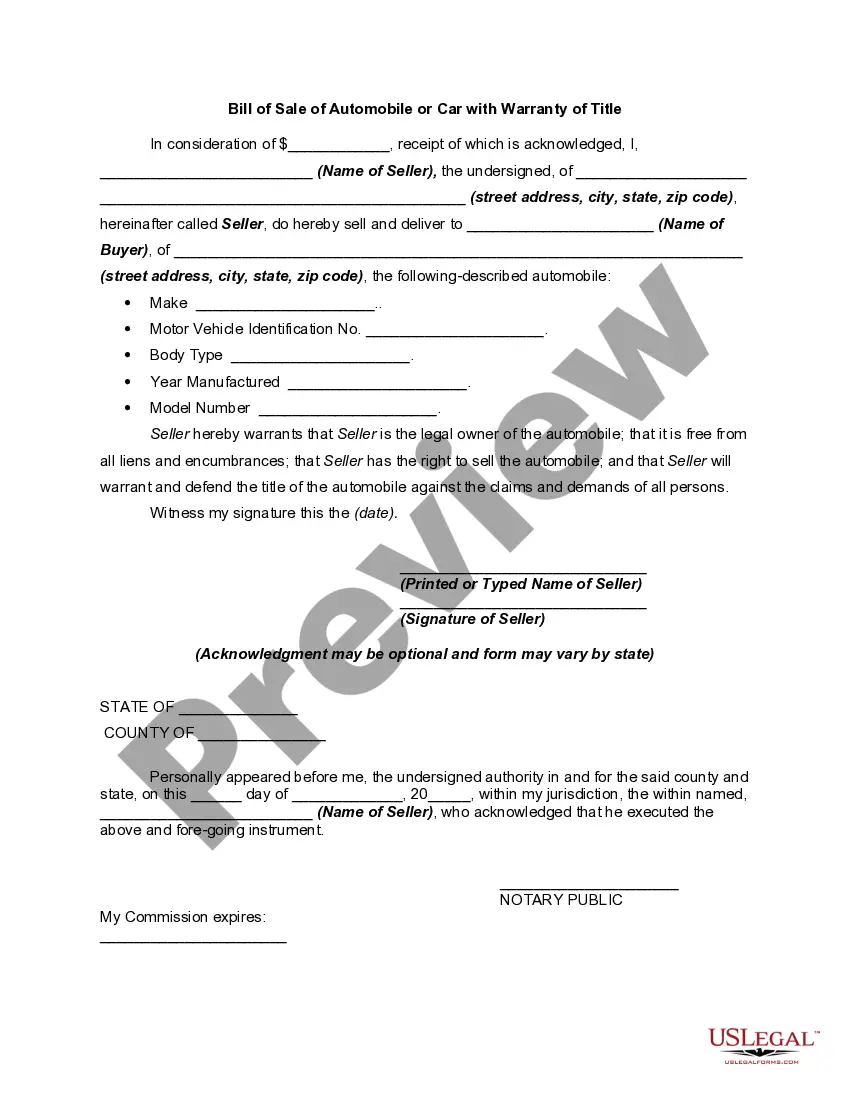
Get your form ready online
Our built-in tools help you complete, sign, share, and store your documents in one place.
Make edits, fill in missing information, and update formatting in US Legal Forms—just like you would in MS Word.
Download a copy, print it, send it by email, or mail it via USPS—whatever works best for your next step.
Sign and collect signatures with our SignNow integration. Send to multiple recipients, set reminders, and more. Go Premium to unlock E-Sign.
If this form requires notarization, complete it online through a secure video call—no need to meet a notary in person or wait for an appointment.
We protect your documents and personal data by following strict security and privacy standards.

Make edits, fill in missing information, and update formatting in US Legal Forms—just like you would in MS Word.

Download a copy, print it, send it by email, or mail it via USPS—whatever works best for your next step.

Sign and collect signatures with our SignNow integration. Send to multiple recipients, set reminders, and more. Go Premium to unlock E-Sign.

If this form requires notarization, complete it online through a secure video call—no need to meet a notary in person or wait for an appointment.

We protect your documents and personal data by following strict security and privacy standards.
Looking for another form?










Form popularity
FAQ
Illinois sales tax overview The Illinois (IL) state sales tax rate is currently 6.25%.
Retailers reporting sales of general merchandise and qualifying food, drugs, and medical appliances must file Form ST-1, Sales and Use Tax and E911 Surcharge Return. A monthly return is due the 20th day of the month following the month for which the return is filed.
Illinois' general state retailers' occupation and use tax rates are: 6.25 percent on general merchandise, including items required to be titled or registered by an agency of Illinois state government; and. 1 percent on qualifying foods, drugs, and medical appliances.
Illinois' general state retailers' occupation and use tax rates are: 6.25 percent on general merchandise, including items required to be titled or registered by an agency of Illinois state government; and. 1 percent on qualifying foods, drugs, and medical appliances.
The Illinois sales tax rate is currently 6.25%.
If purchased from a dealer, you must complete Tax Form RUT-25. If purchased from an individual, you must complete Tax Form RUT-50. One of these forms must be presented with a separate tax payment made out to the Illinois Department of Revenue at the time you apply for Title and Registration.
Illinois Tax Rates, Collections, and Burdens Illinois also has a 6.25 percent state sales tax rate and an average combined state and local sales tax rate of 8.86 percent. Illinois has a 1.95 percent effective property tax rate on owner-occupied housing value. Illinois has an estate tax.
If you had the vehicle titled in another state for more than three months, no Illinois tax is due, but you still must file Form RUT-50 to reflect that fact. On Forms RUT-25 and RUT-50, the exemption for using the vehicle outside Illinois for more than three months applies only to individuals moving into Illinois.
A gifted car bill of sale is designed to provide information about the person who owns the car and the person it's being gifted to, along with information about the vehicle and the transaction. This bill of sale is essential, even though you'll also transfer the title.
To gift someone a vehicle, you must transfer the vehicle title to their name and create a bill of sale. Selling a vehicle for $1 instead of gifting it could result in your recipient paying sales tax based on the car's fair market value — it's better to stick with the official gifting process.
