Consent Release Form Withdrawal In Cuyahoga
Description
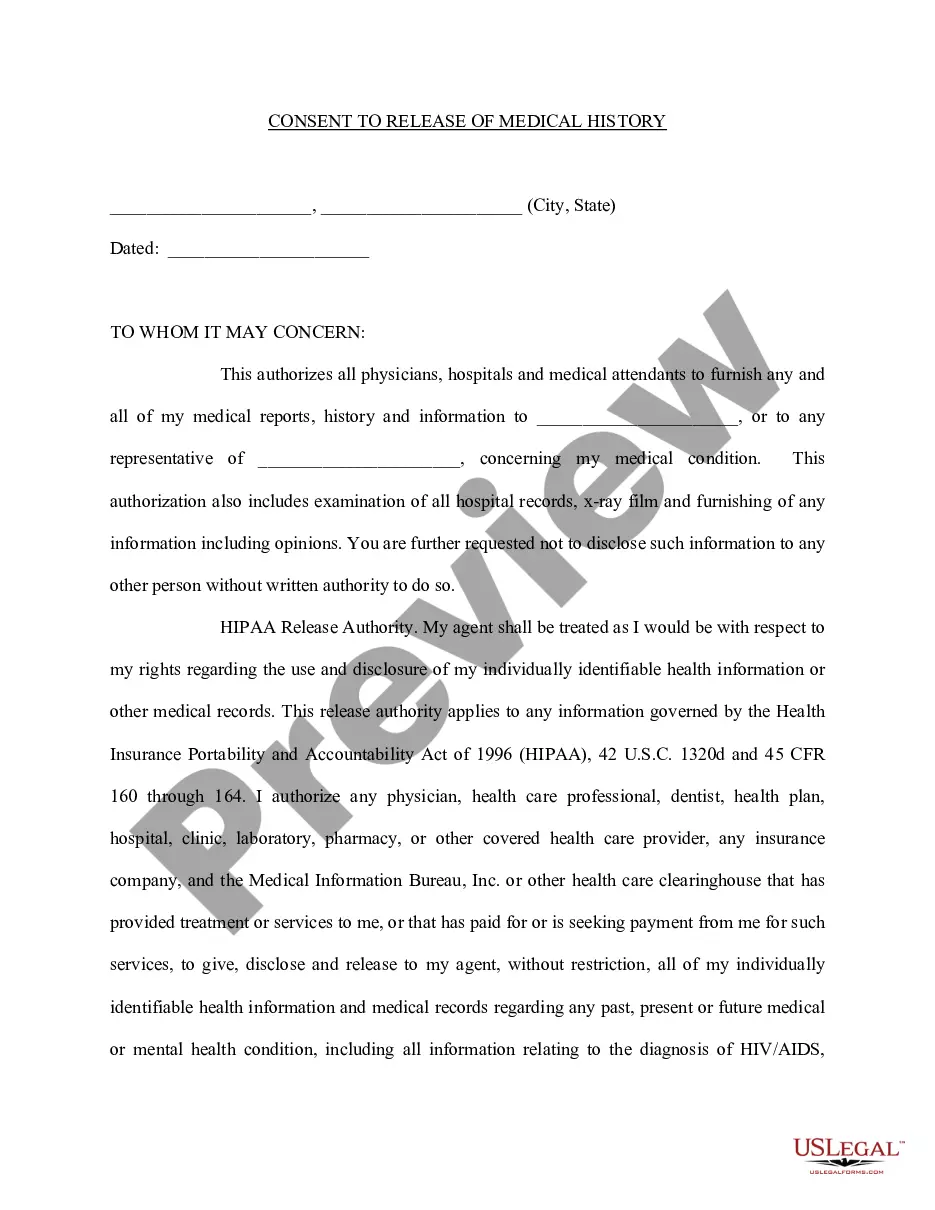
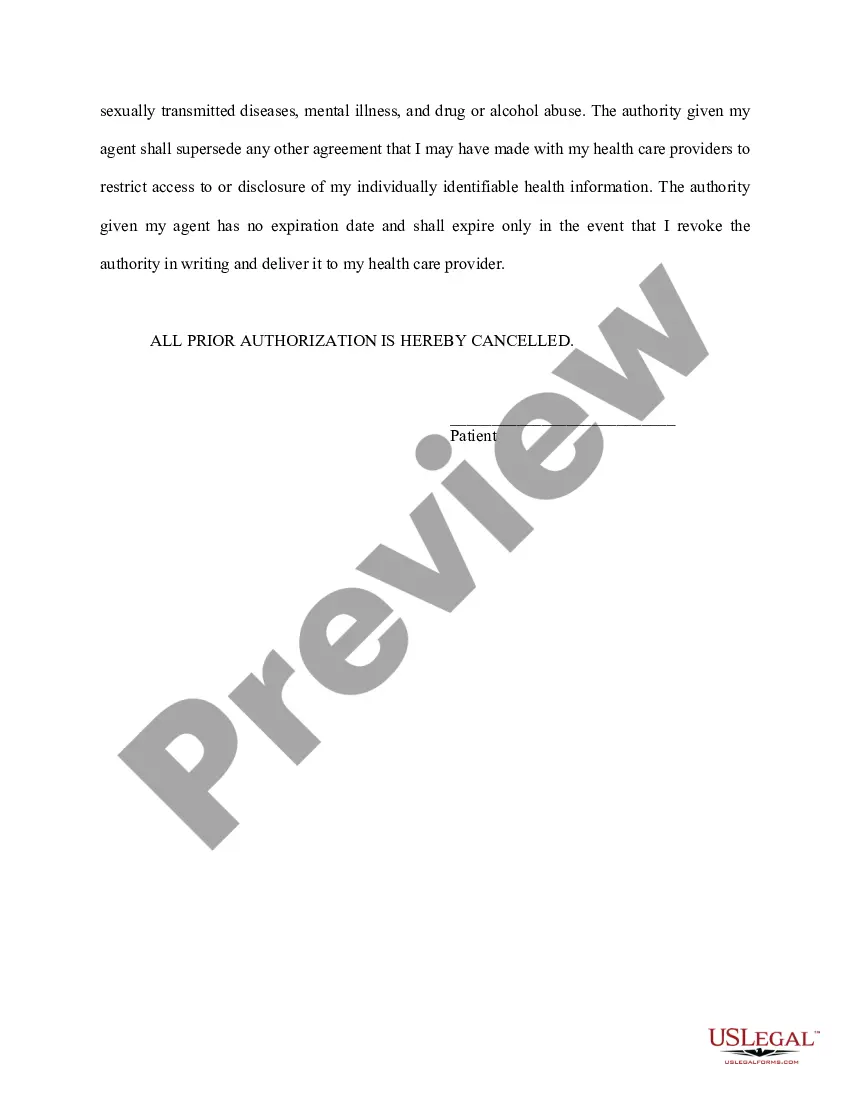

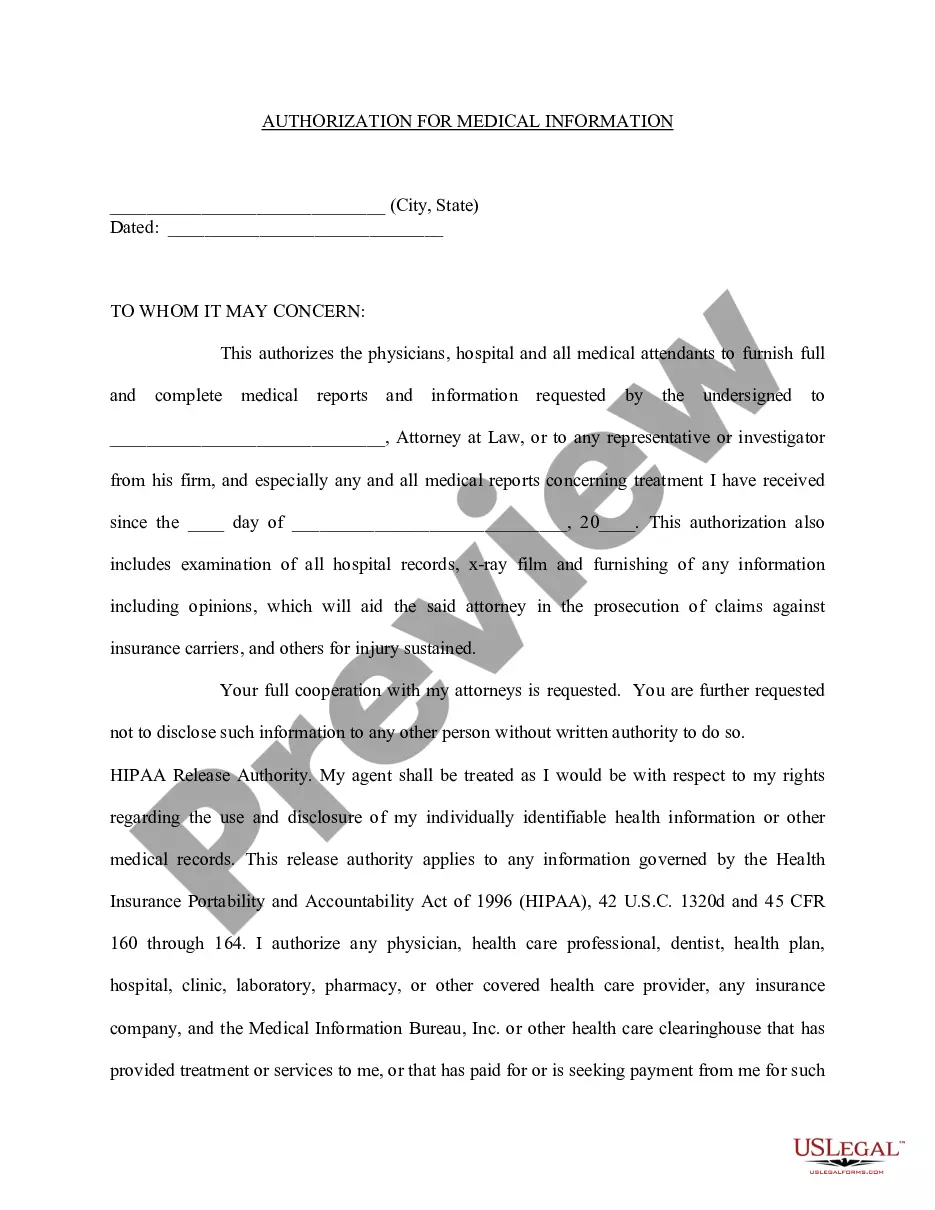
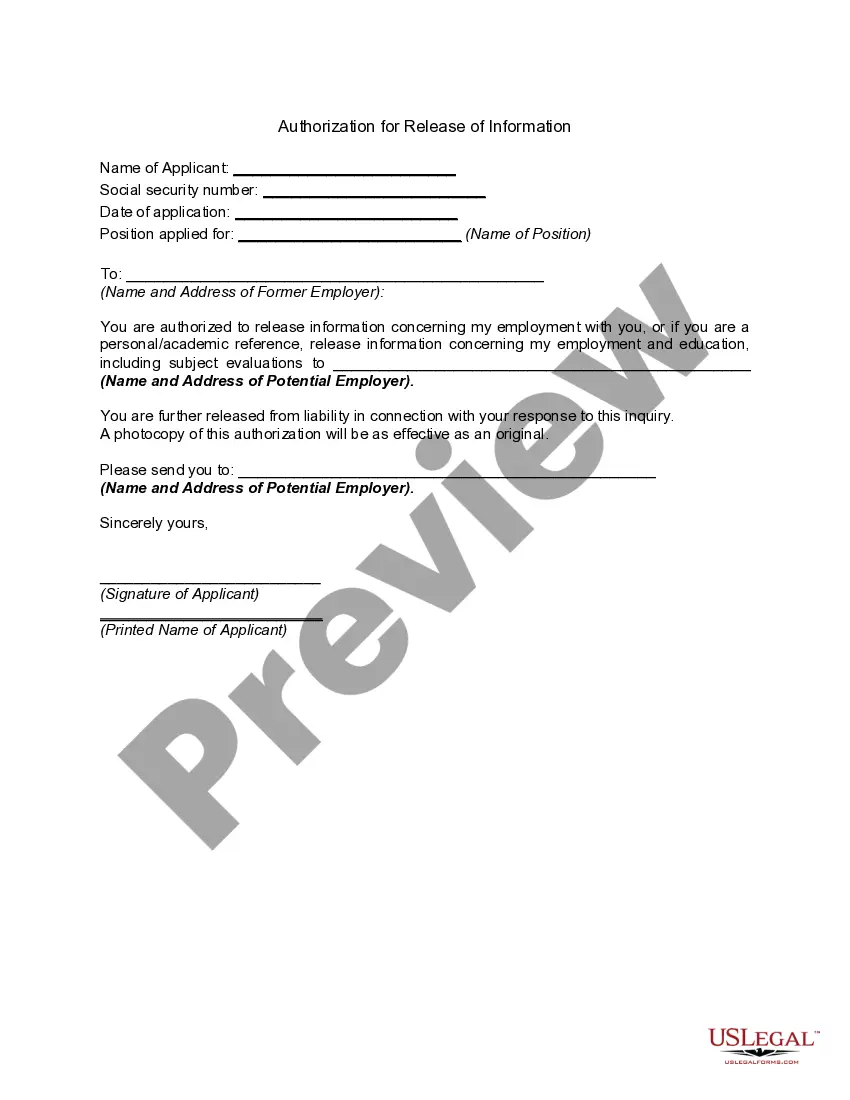
Get your form ready online
Our built-in tools help you complete, sign, share, and store your documents in one place.
Make edits, fill in missing information, and update formatting in US Legal Forms—just like you would in MS Word.
Download a copy, print it, send it by email, or mail it via USPS—whatever works best for your next step.
Sign and collect signatures with our SignNow integration. Send to multiple recipients, set reminders, and more. Go Premium to unlock E-Sign.
If this form requires notarization, complete it online through a secure video call—no need to meet a notary in person or wait for an appointment.
We protect your documents and personal data by following strict security and privacy standards.

Make edits, fill in missing information, and update formatting in US Legal Forms—just like you would in MS Word.

Download a copy, print it, send it by email, or mail it via USPS—whatever works best for your next step.

Sign and collect signatures with our SignNow integration. Send to multiple recipients, set reminders, and more. Go Premium to unlock E-Sign.

If this form requires notarization, complete it online through a secure video call—no need to meet a notary in person or wait for an appointment.

We protect your documents and personal data by following strict security and privacy standards.
Looking for another form?
Form popularity
FAQ
11.0 HEARING AND SUBMISSION OF MOTIONS If the motion requires consideration of facts not appearing of record, the movant shall serve and file copies of all affidavits, depositions, photographs or documentary evidence which the movant desires to submit in support of the motion.
This rule sets a minimum level of disclosure that will be required in all cases, even if one or more parties have not formally requested such disclosure in written discovery.
R. 11 governs the signing of pleadings, motions and other documents. For a “willful” violation of this rule, an attorney or pro se party, upon motion of a party or upon the court's own motion, may be subjected to appropriate action, including an award to the opposing party of expenses and reasonable attorney fees.
Rule 71.1 – Attorney Fees in Decedent's Estates. Attorney fees are governed by the Rules of Professional Conduct and the Rules of Superintendence adopted by the Supreme Court of Ohio. The Court has the ultimate responsibility and authority to review attorney fees in decedent's estates as required by such rules.
The Personnel Review Commission (PRC) was established by the Cuyahoga County Charter in 2010. The agency has a wide range of authority and responsibilities, including hearing appeals, conducting civil service testing, and administering the classification and compensation systems.
To ensure the process is done correctly and in ance with Ohio's probate statutes, we strongly recommend hiring a probate attorney. They will oversee the process and provide valuable insight into asset appraisals, the payment of debts, and final asset distribution.
Ohio. Ohio imposes a six-month deadline from the date of death. Probate filings beyond this period may face hurdles, including court dismissal.
Decedent's Estate 1.0: Surviving Spouse, Children, Next of Kin, Legatees, and Devisees. 2.0: Application to Probate Will. 2.1: Waiver of Notice of Probate of Will. 2.2: Notice of Probate of Will. 2.3: Entry Admitting Will to Probate. 2.4: Certificate of Service of Notice of Probate of Will. 3.0: Appointment of Appraiser.
