S Corporation And Divorce In Riverside
Description


Get your form ready online
Our built-in tools help you complete, sign, share, and store your documents in one place.
Make edits, fill in missing information, and update formatting in US Legal Forms—just like you would in MS Word.
Download a copy, print it, send it by email, or mail it via USPS—whatever works best for your next step.
Sign and collect signatures with our SignNow integration. Send to multiple recipients, set reminders, and more. Go Premium to unlock E-Sign.
If this form requires notarization, complete it online through a secure video call—no need to meet a notary in person or wait for an appointment.
We protect your documents and personal data by following strict security and privacy standards.

Make edits, fill in missing information, and update formatting in US Legal Forms—just like you would in MS Word.

Download a copy, print it, send it by email, or mail it via USPS—whatever works best for your next step.

Sign and collect signatures with our SignNow integration. Send to multiple recipients, set reminders, and more. Go Premium to unlock E-Sign.

If this form requires notarization, complete it online through a secure video call—no need to meet a notary in person or wait for an appointment.

We protect your documents and personal data by following strict security and privacy standards.
Looking for another form?









Form popularity
FAQ
When it comes to protecting your business in a divorce in the state of California, which is a community property state, the general rule of thumb is that each spouse is entitled, with exceptions, to half of whatever assets and liabilities they acquired after their marriage and before their separation.
Property acquired before the marriage: Assets owned by one spouse prior to the marriage are generally not subject to division. Proper documentation is required to confirm ownership.
Is My Wife Entitled to Half My Business If We Divorce in California? The laws governing divorce and business ownership do not take gender into consideration. Regardless of who owns the business or what gender they are, if the business is considered community property, then it is subject to equitable distribution.
It takes a minimum of six months from the date of the divorce papers are served (given) to the other party before a divorce can be final. However, you are not automatically divorced at the end of six months. At least one spouse or partner must complete the required legal process and obtain a written judgment.
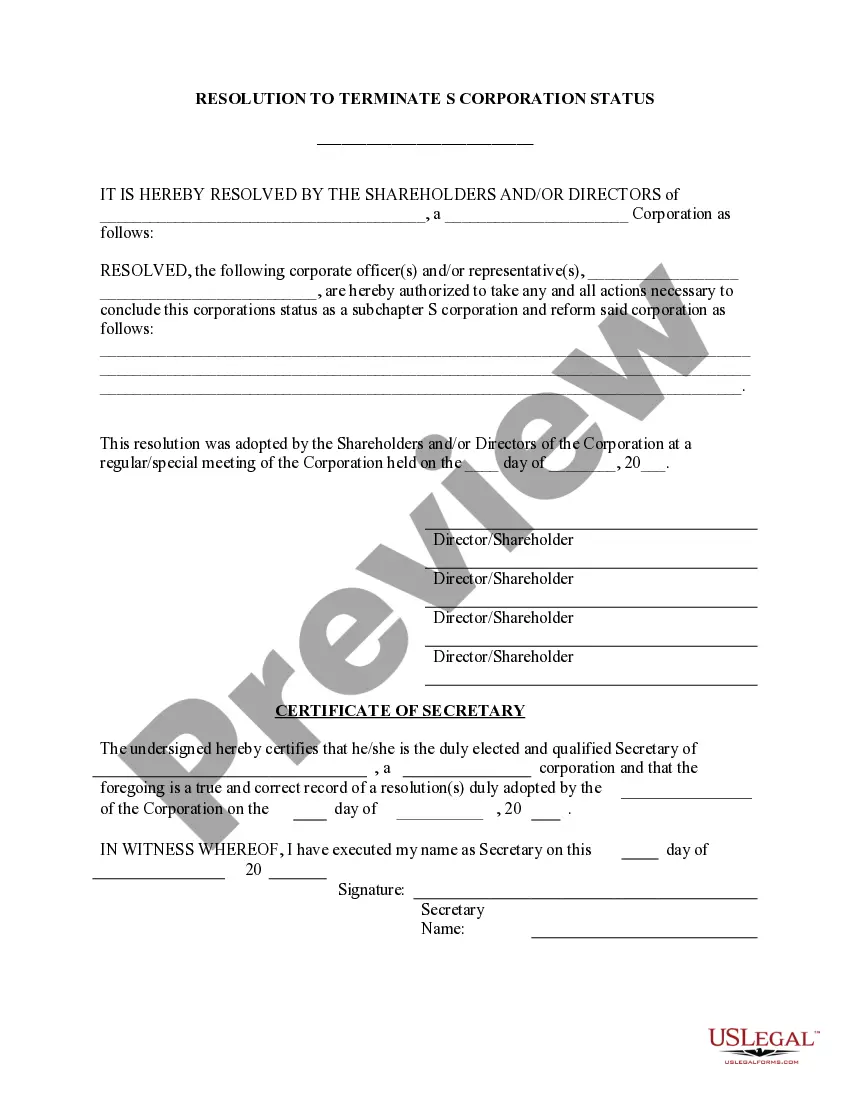
S CORPORATIONS AND DIVORCE During divorce proceedings, a family court judge may consider the profit from an S corporation as the owner's personal income, while also considering the personal impact of tax debts from this business.
A wife in California can be entitled to up to half of the assets in the marriage along with up to 40% of their partner's income for child support, spousal support, and primary child custody.
Community Property States: In states that follow community property laws, assets acquired during the marriage are typically divided equally. If your 50% ownership in the company was acquired during the marriage, your wife may be entitled to half of that ownership.
A business or business interest, whether in the form of a partnership, corporation, LLC, or sole proprietorship can be considered marital property in a California divorce.