Corporate Status Vs S Corporation Status In Phoenix
Description

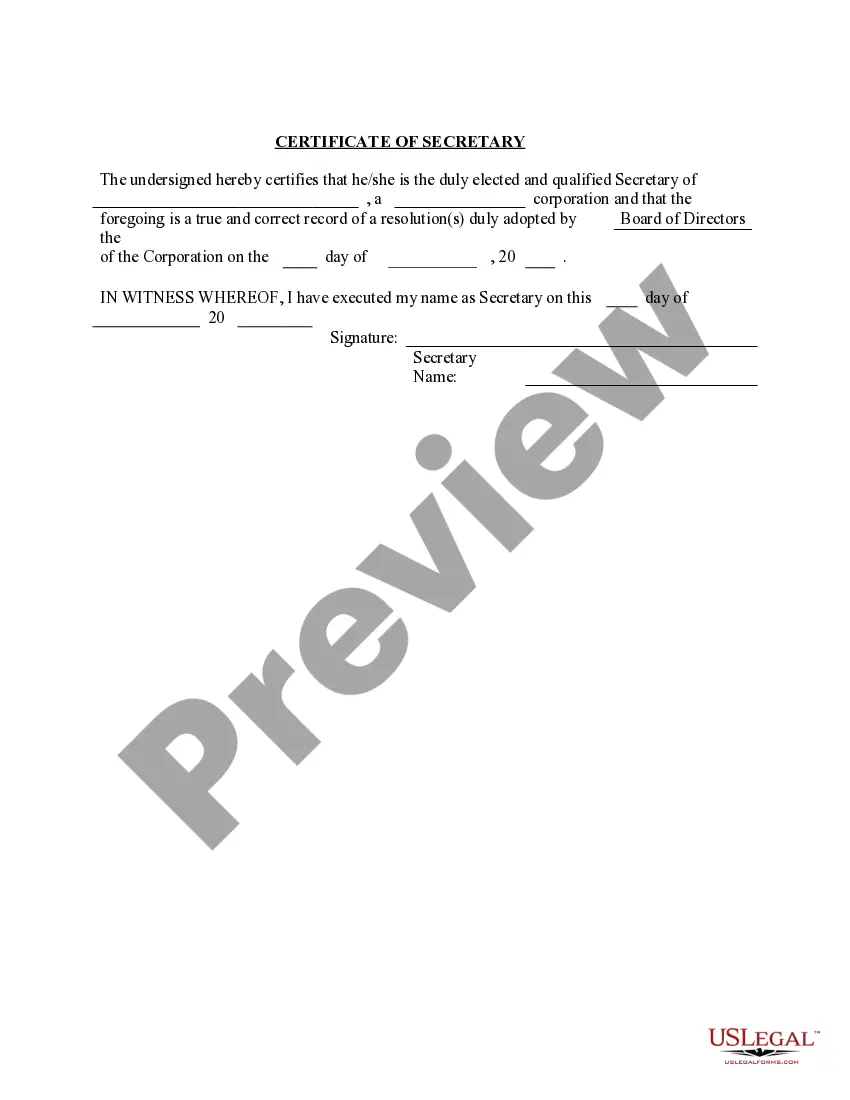

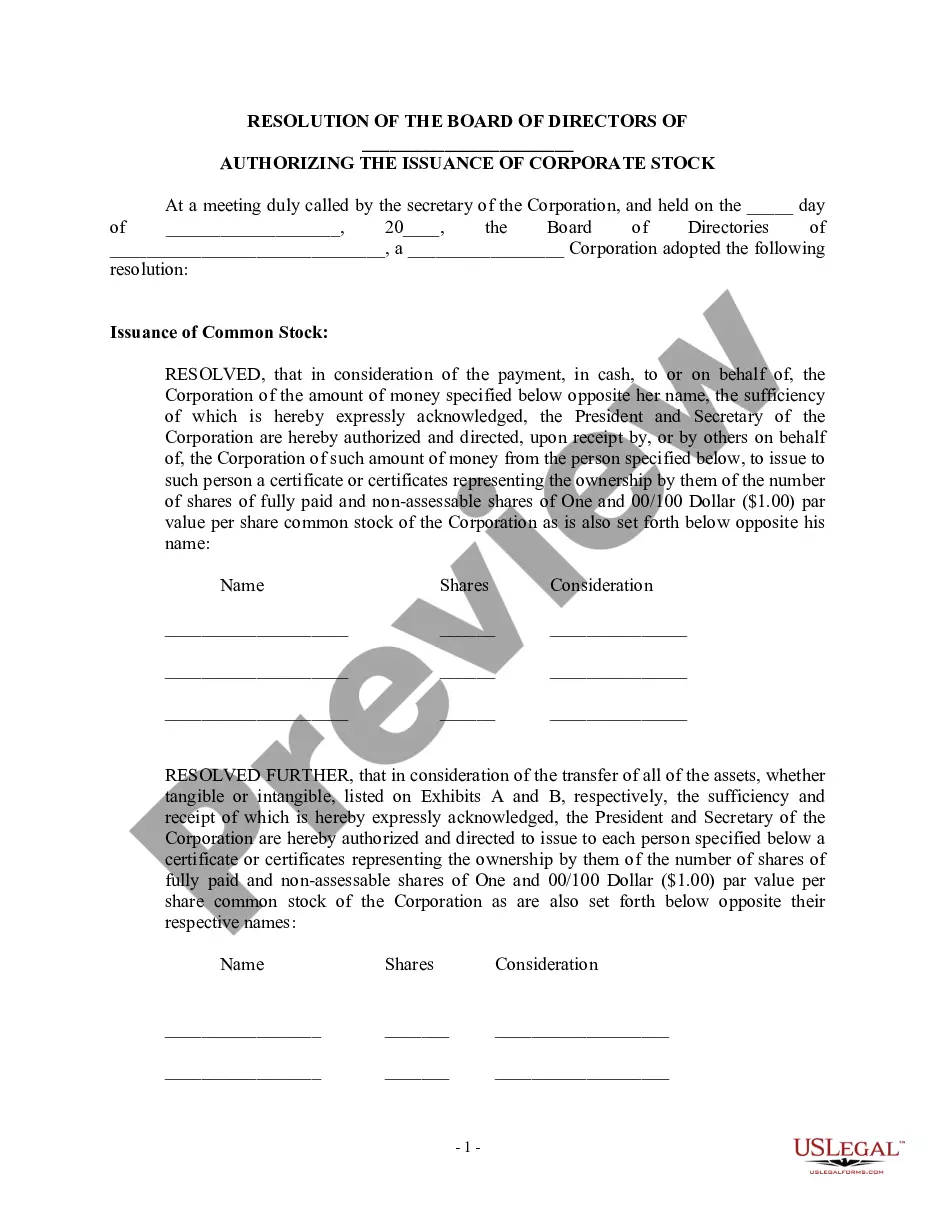
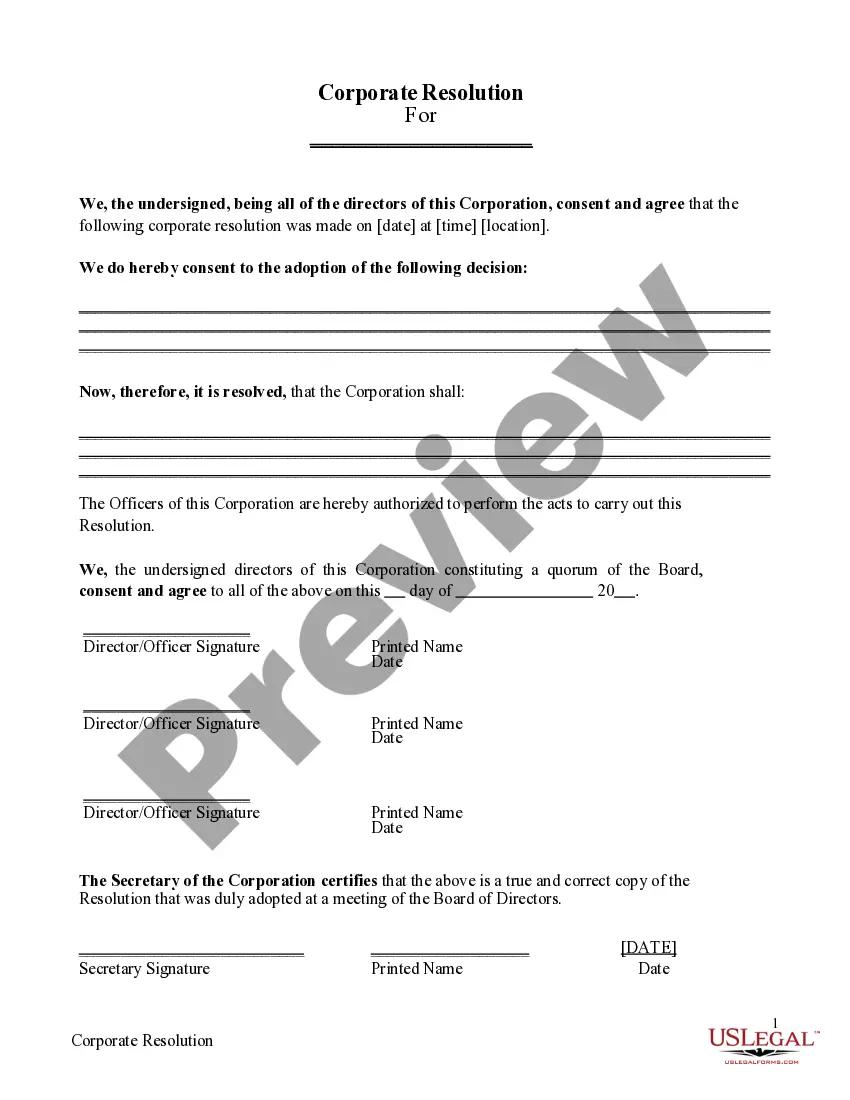
Get your form ready online
Our built-in tools help you complete, sign, share, and store your documents in one place.
Make edits, fill in missing information, and update formatting in US Legal Forms—just like you would in MS Word.
Download a copy, print it, send it by email, or mail it via USPS—whatever works best for your next step.
Sign and collect signatures with our SignNow integration. Send to multiple recipients, set reminders, and more. Go Premium to unlock E-Sign.
If this form requires notarization, complete it online through a secure video call—no need to meet a notary in person or wait for an appointment.
We protect your documents and personal data by following strict security and privacy standards.

Make edits, fill in missing information, and update formatting in US Legal Forms—just like you would in MS Word.

Download a copy, print it, send it by email, or mail it via USPS—whatever works best for your next step.

Sign and collect signatures with our SignNow integration. Send to multiple recipients, set reminders, and more. Go Premium to unlock E-Sign.

If this form requires notarization, complete it online through a secure video call—no need to meet a notary in person or wait for an appointment.

We protect your documents and personal data by following strict security and privacy standards.
Looking for another form?


Form popularity
FAQ
corporations are different from Ccorporations in the following ways: Ownership. Ccorporation shareholders may include any number of individuals, institutions, and other corporations. corporation ownership is limited to 100 or fewer individual shareholders, each of whom must be a United tates citizen or resident.
You do not have to convert your LLC into a corporation. Instead, the LLC simply makes an election with the IRS to have the LLC taxed as an S corporation by having all members of the LLC sign an IRS Form 2553 and then file the signed Form 2553 with the IRS.
One significant drawback, as noted earlier, is the higher overall tax liabilities in comparison with pass-through entities. Additionally, C corps often face more complex and stringent regulatory requirements, including formal documentation, recordkeeping, and compliance costs.
Deciding between C-Corp and S-Corp taxation for your LLC can significantly impact your financial future. C-Corps are ideal for attracting investors and retaining profits at lower tax rates, while S-Corps offer relief from double taxation and self-employment taxes, provided you can draw a reasonable salary. Dive into ou.
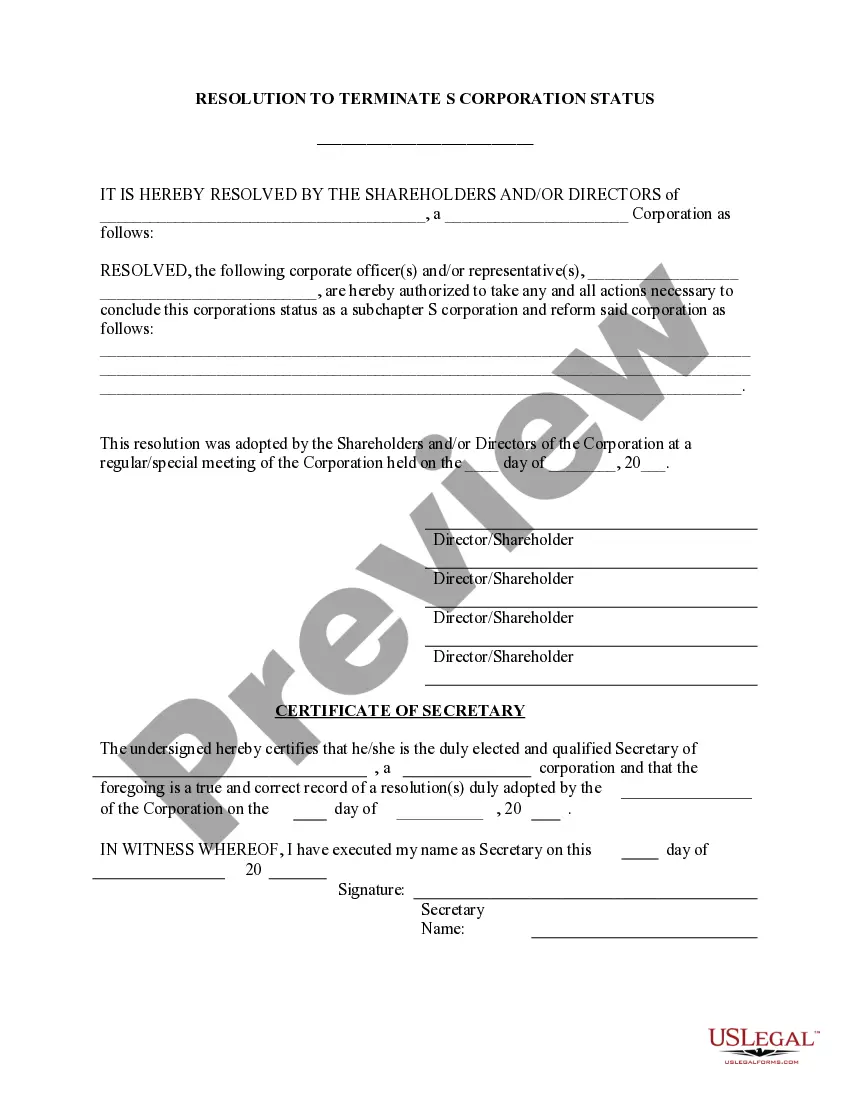
C corporations are taxed under Subchapter C while S corporations are taxed under Subchapter S. To elect S corporation status when forming a corporation, Form 2553 must be filed with the IRS and all S corporation guidelines met.
How to Start an S Corp in Arizona Name your LLC. Appoint an Arizona Statutory Agent. File Articles of Organization. Create an operating agreement. Apply for an EIN. Meet the publication requirement in Arizona. Apply for S Corp status with IRS Form 2553.
Stock ownership restrictions. An S corporation can have only one class of stock, although it can have both voting and non-voting shares. Therefore, there can't be different classes of investors who are entitled to different dividends or distribution rights. Also, there cannot be more than 100 shareholders.
An out-of-state LLC that domesticates to Arizona becomes an Arizona LLC and is no longer a foreign entity in Arizona. An Arizona conversion is a legal process that changes a business from one type of entity to another (from a corporation to an LLC, for example).
You do not have to convert your LLC into a corporation. Instead, the LLC simply makes an election with the IRS to have the LLC taxed as an S corporation by having all members of the LLC sign an IRS Form 2553 and then file the signed Form 2553 with the IRS.
