S Corporation Form 1120s In Ohio
Description

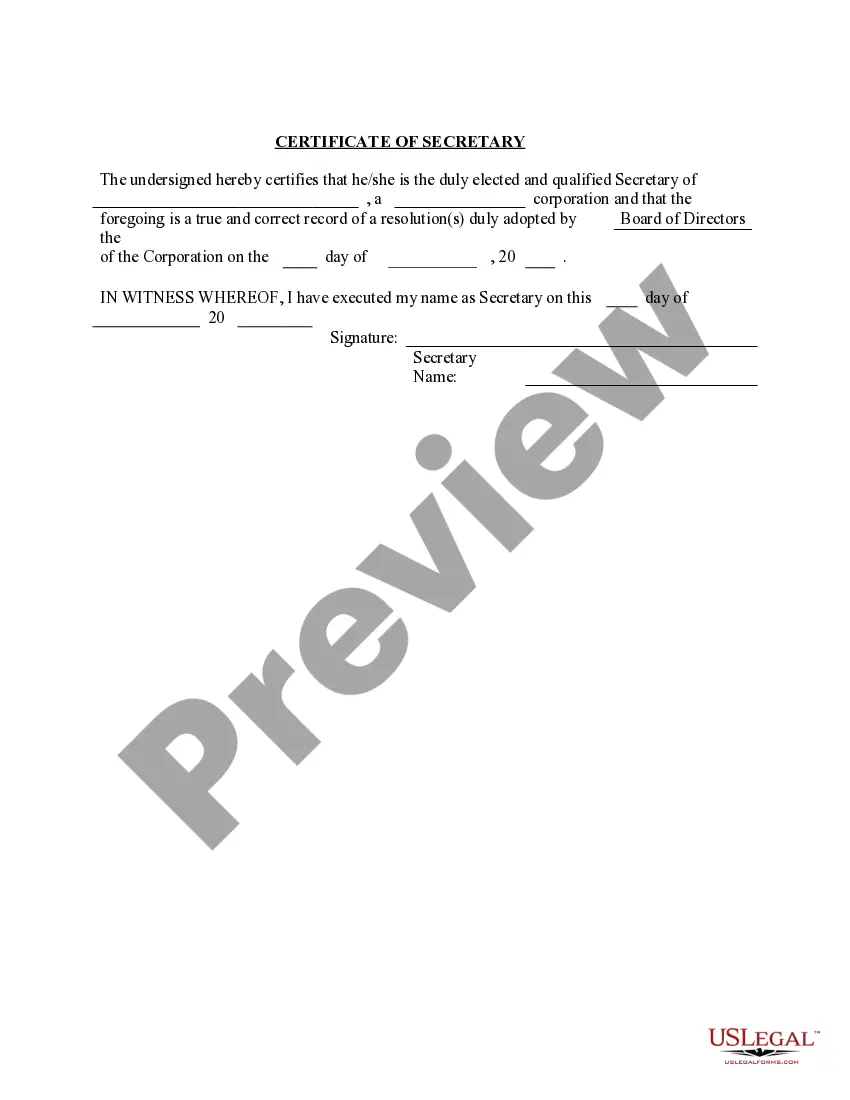

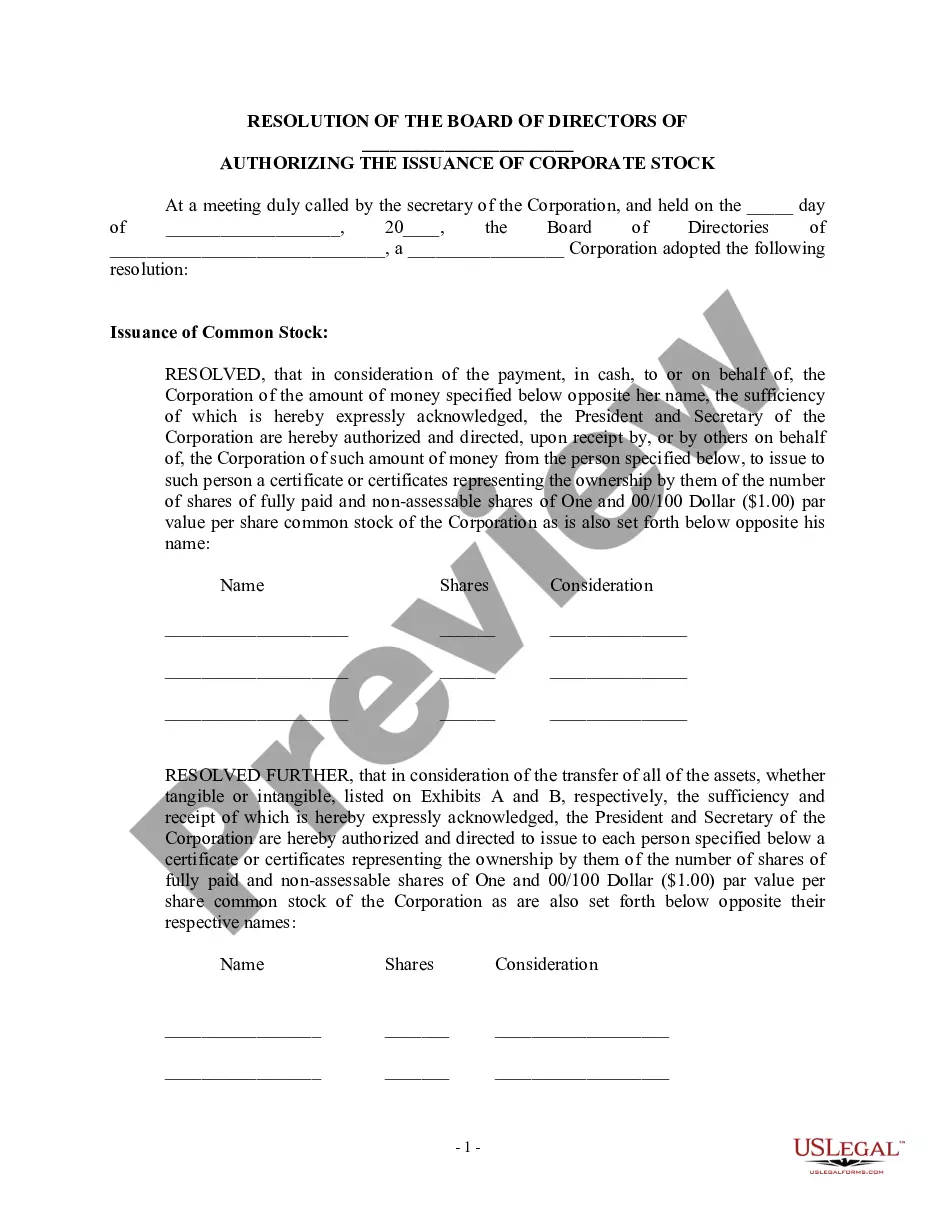
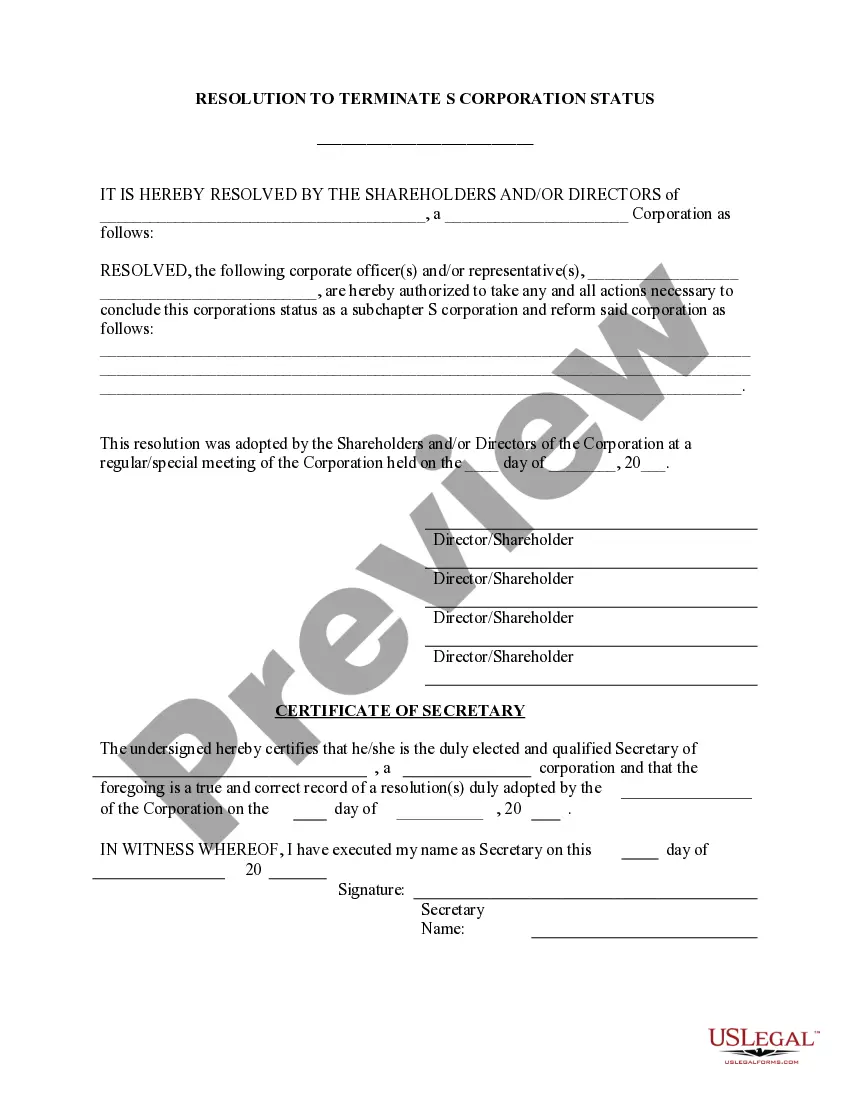
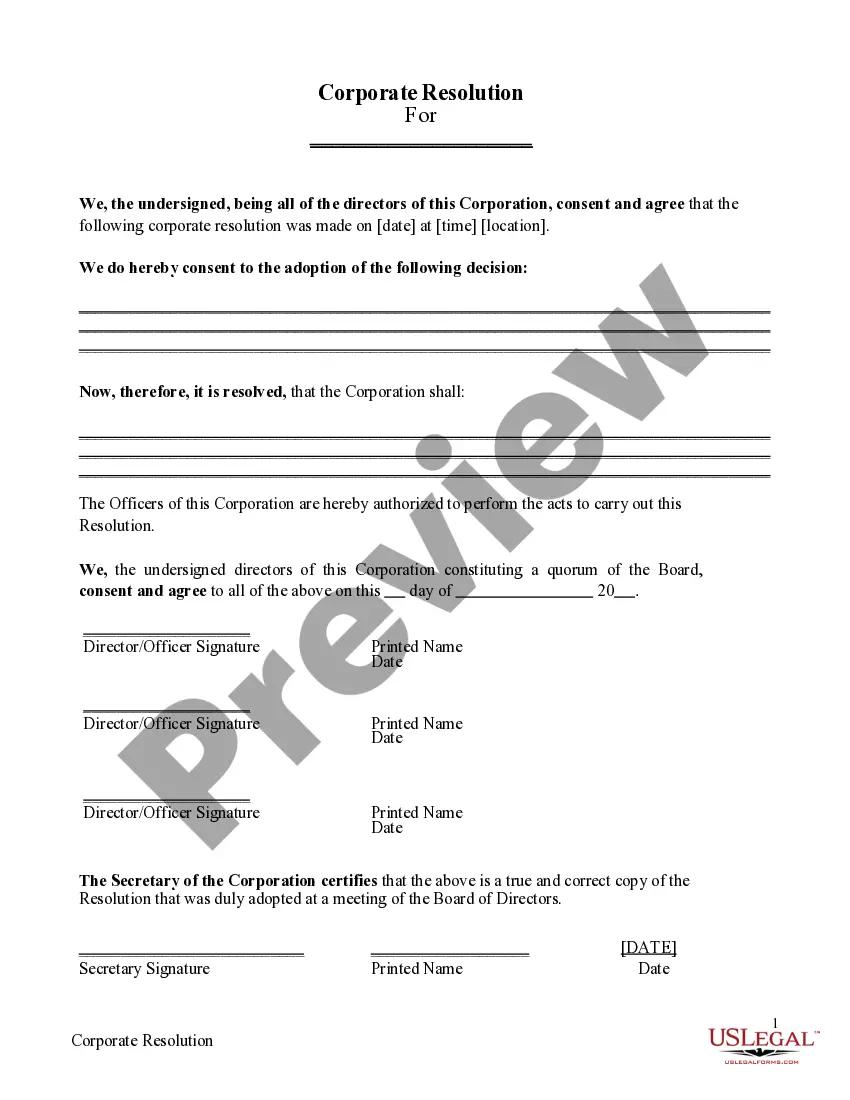
Get your form ready online
Our built-in tools help you complete, sign, share, and store your documents in one place.
Make edits, fill in missing information, and update formatting in US Legal Forms—just like you would in MS Word.
Download a copy, print it, send it by email, or mail it via USPS—whatever works best for your next step.
Sign and collect signatures with our SignNow integration. Send to multiple recipients, set reminders, and more. Go Premium to unlock E-Sign.
If this form requires notarization, complete it online through a secure video call—no need to meet a notary in person or wait for an appointment.
We protect your documents and personal data by following strict security and privacy standards.

Make edits, fill in missing information, and update formatting in US Legal Forms—just like you would in MS Word.

Download a copy, print it, send it by email, or mail it via USPS—whatever works best for your next step.

Sign and collect signatures with our SignNow integration. Send to multiple recipients, set reminders, and more. Go Premium to unlock E-Sign.

If this form requires notarization, complete it online through a secure video call—no need to meet a notary in person or wait for an appointment.

We protect your documents and personal data by following strict security and privacy standards.
Looking for another form?
Form popularity
FAQ
Starting An S Corp In Ohio Step 1: Form an LLC or corporation. Step 2: Nominate a registered agent. Step 3: Get an Employer Identification Number (EIN). Step 4: Issue stocks and prepare initial documents. Step 5: Elect the Subchapter S corporation.
"Qualifying pass-through entities whose equity investors are limited to nonresident individuals, nonresident estates and nonresident trusts can file either Ohio forms IT 1140 or IT 4708. All other qualifying pass-through entities must file Ohio form IT 1140 and may also choose to file Ohio form IT 4708."
Tax return otherwise required by law. An S corporation may each year file a master income tax return, Form IT-1040M, on behalf of and as agent for its electing nonresident shareholders having no Ohio-sourced income other than their distributive share of income from the S Corporation.
Business entities in Ohio are not required to file an annual report. However, certain types of entities and registrations are required to file reports at different intervals.
How do I get an S corp in Ohio? To establish an S corp in Ohio, you start by forming a corporation or LLC with the Ohio Secretary of State. After formation, you then apply to the IRS for S corp tax treatment by filing IRS Form 2553.
LLCs are unlimited. All shareholders of S corporations must be U.S. citizens. LLCs may have international members. S corporations cannot be owned by any other entity, such as another corporation, LLC or partnership; however, LLCs have this possibility.
Ohio State Income Tax for Ohio LLCs Single-Member LLCs in Ohio: The LLC itself usually doesn't file a state-level return. However, the owner files a personal state-level return that includes the LLC's profits or losses. Multi-Member LLCs in Ohio: The LLC itself may need to file a Partnership return at the state-level.
How to Start an S Corp in Ohio Name your Ohio LLC. Appoint an Ohio statutory agent. File Form 610 Articles of Organization. Create an operating agreement. Apply for an EIN. Apply for S Corp status with IRS Form 2553.
Ohio taxes income from business sources and nonbusiness sources differently on its individual income tax return (the Ohio IT 1040). The first $250,000 of business income earned by taxpayers filing “Single” or “Married filing jointly,” and included in federal adjusted gross income, is 100% deductible.
Ohio does not have a corporate income tax but does levy a state gross receipts tax.
