S Corporation For Rental Property In Middlesex
Description

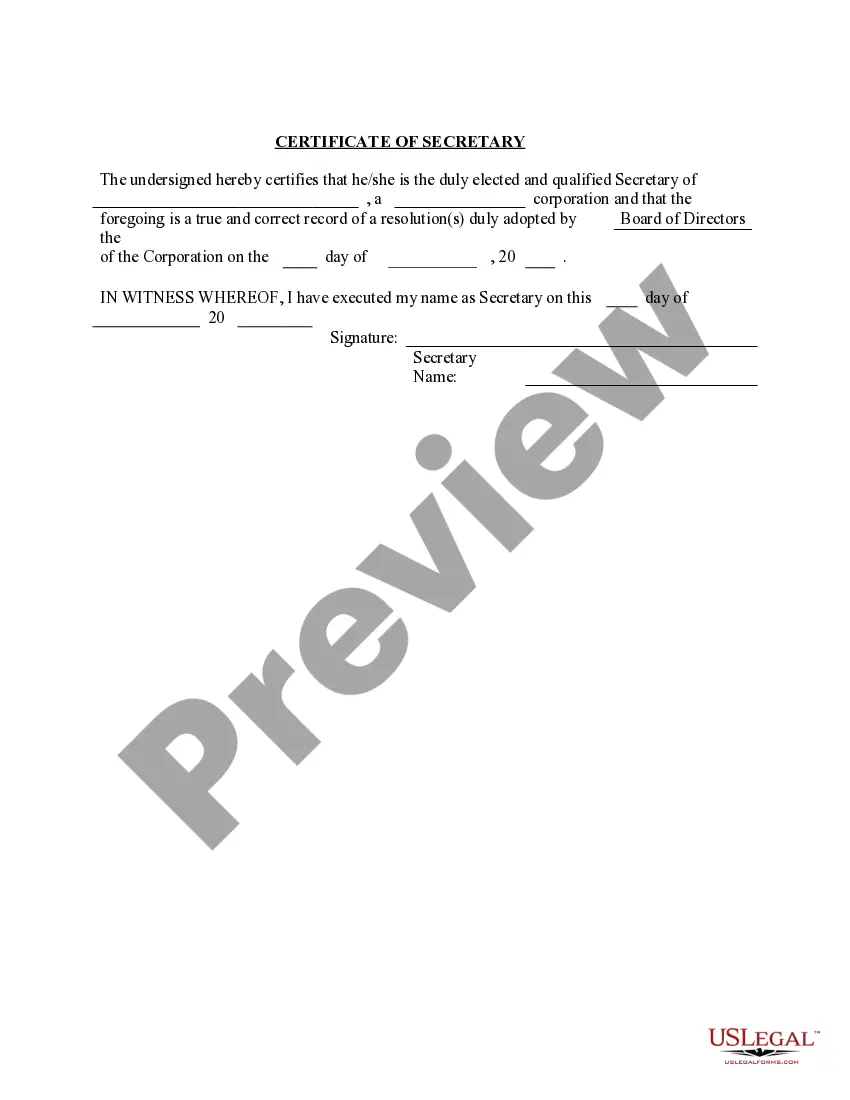

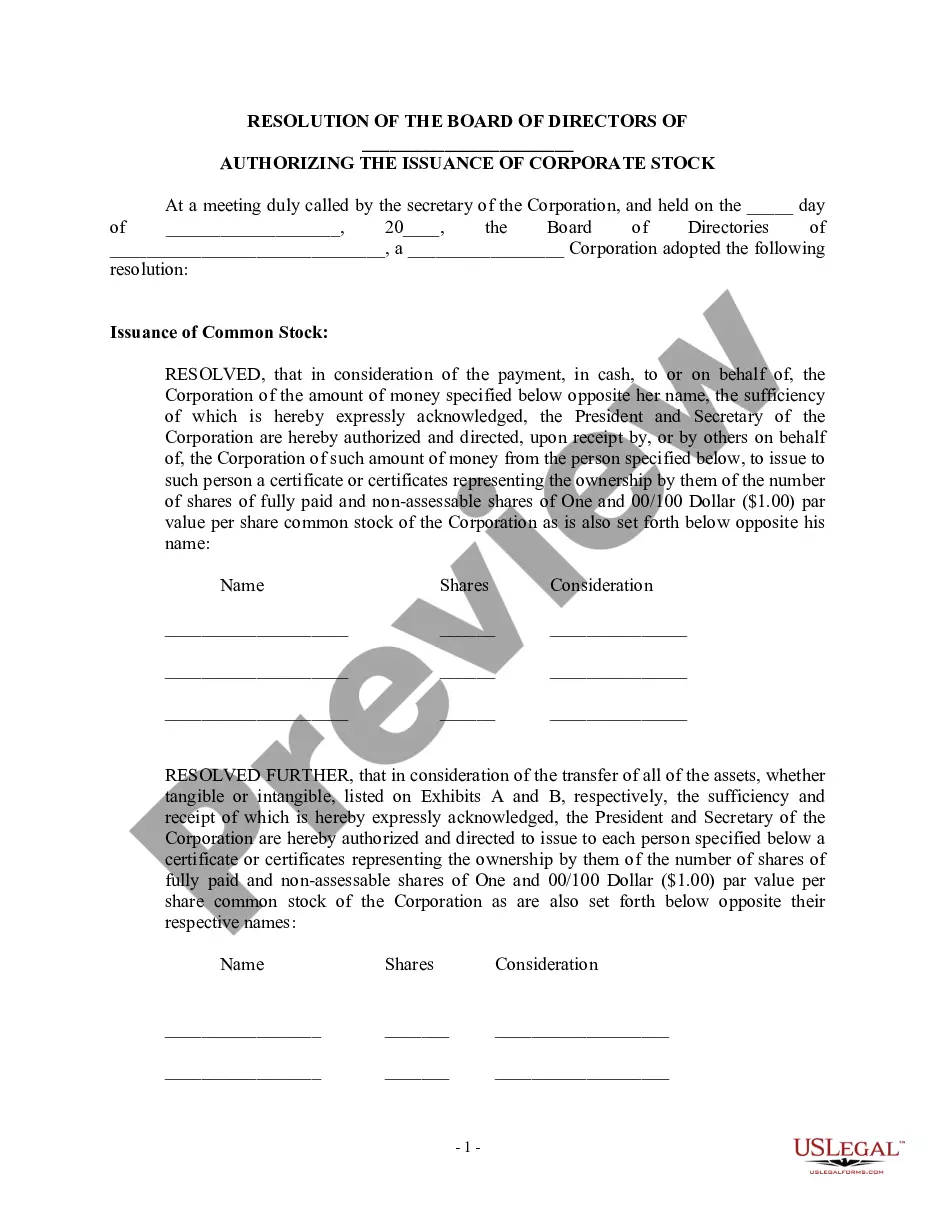
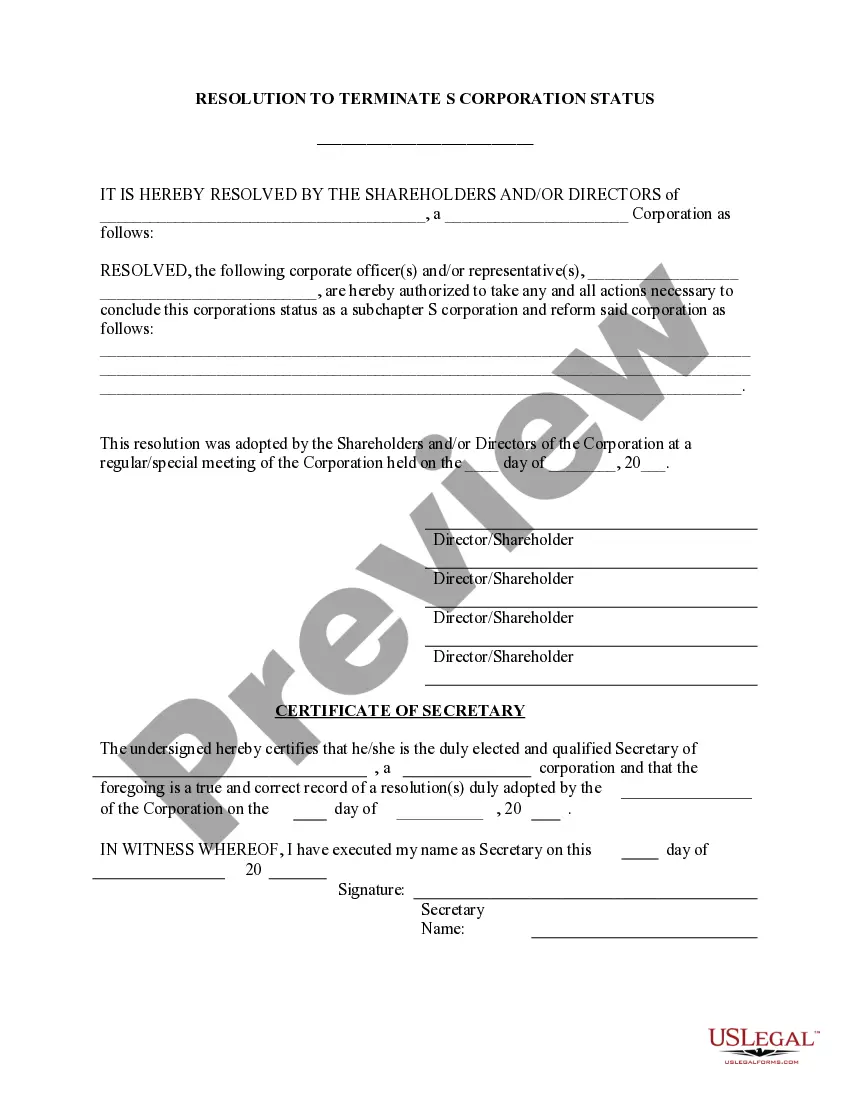
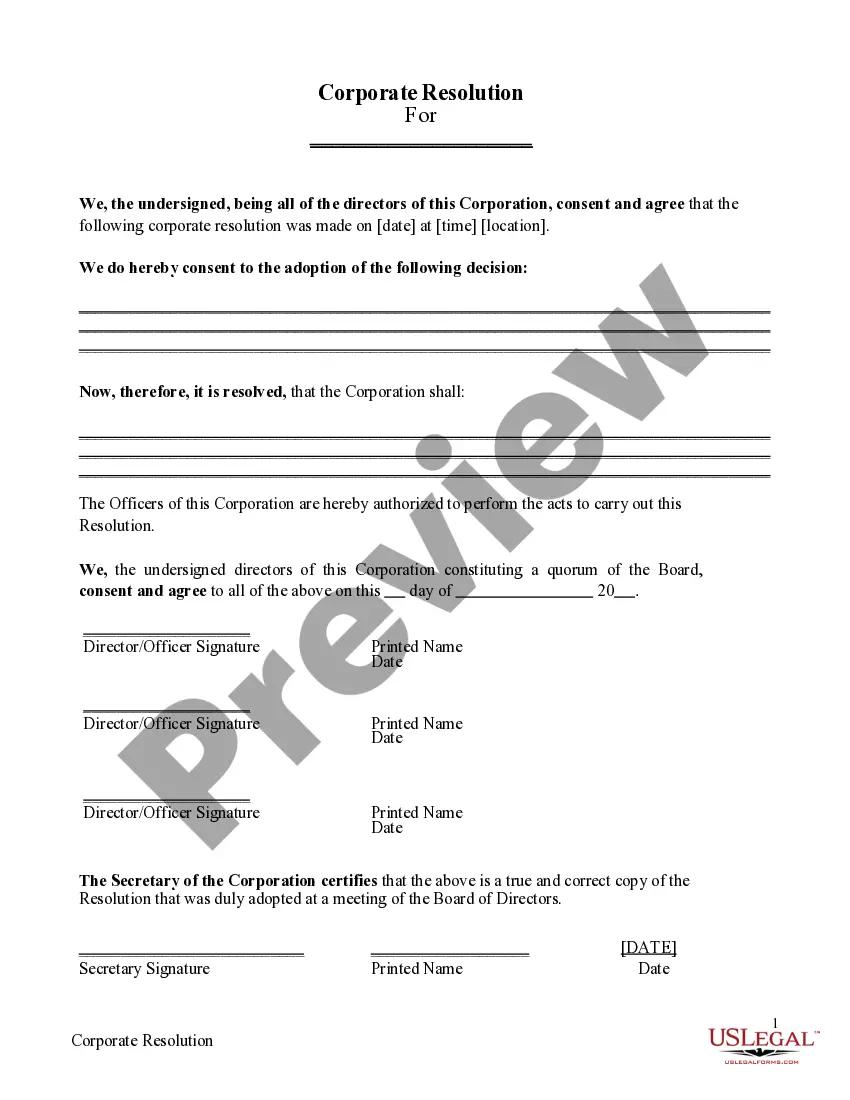
Get your form ready online
Our built-in tools help you complete, sign, share, and store your documents in one place.
Make edits, fill in missing information, and update formatting in US Legal Forms—just like you would in MS Word.
Download a copy, print it, send it by email, or mail it via USPS—whatever works best for your next step.
Sign and collect signatures with our SignNow integration. Send to multiple recipients, set reminders, and more. Go Premium to unlock E-Sign.
If this form requires notarization, complete it online through a secure video call—no need to meet a notary in person or wait for an appointment.
We protect your documents and personal data by following strict security and privacy standards.

Make edits, fill in missing information, and update formatting in US Legal Forms—just like you would in MS Word.

Download a copy, print it, send it by email, or mail it via USPS—whatever works best for your next step.

Sign and collect signatures with our SignNow integration. Send to multiple recipients, set reminders, and more. Go Premium to unlock E-Sign.

If this form requires notarization, complete it online through a secure video call—no need to meet a notary in person or wait for an appointment.

We protect your documents and personal data by following strict security and privacy standards.
Looking for another form?


Form popularity
FAQ
Having a personal checking account for the rental properties makes tracking all rental income and expenses a breeze, not to mention it makes my life much easier at tax time.
In general, rental property owners may receive the most benefit by making an LLC for each rental property. Individual LLCs limit liability to just the actual property each LLC possesses, along with any other assets the LLC owns.
If you own a rental property, you may be considering the pros and cons of forming an LLC. A limited liability company (LLC) is a popular choice for a business entity structure due to the limited liability protection and pass-through taxation advantages it provides.
LLCs are popular for owners with multiple properties because they offer anonymity, asset protection, and flexible tax options. Sole proprietorships suit owners with fewer properties, but there's an increased risk for personal liabilities.
