S Corporation For Llc In Dallas
Description

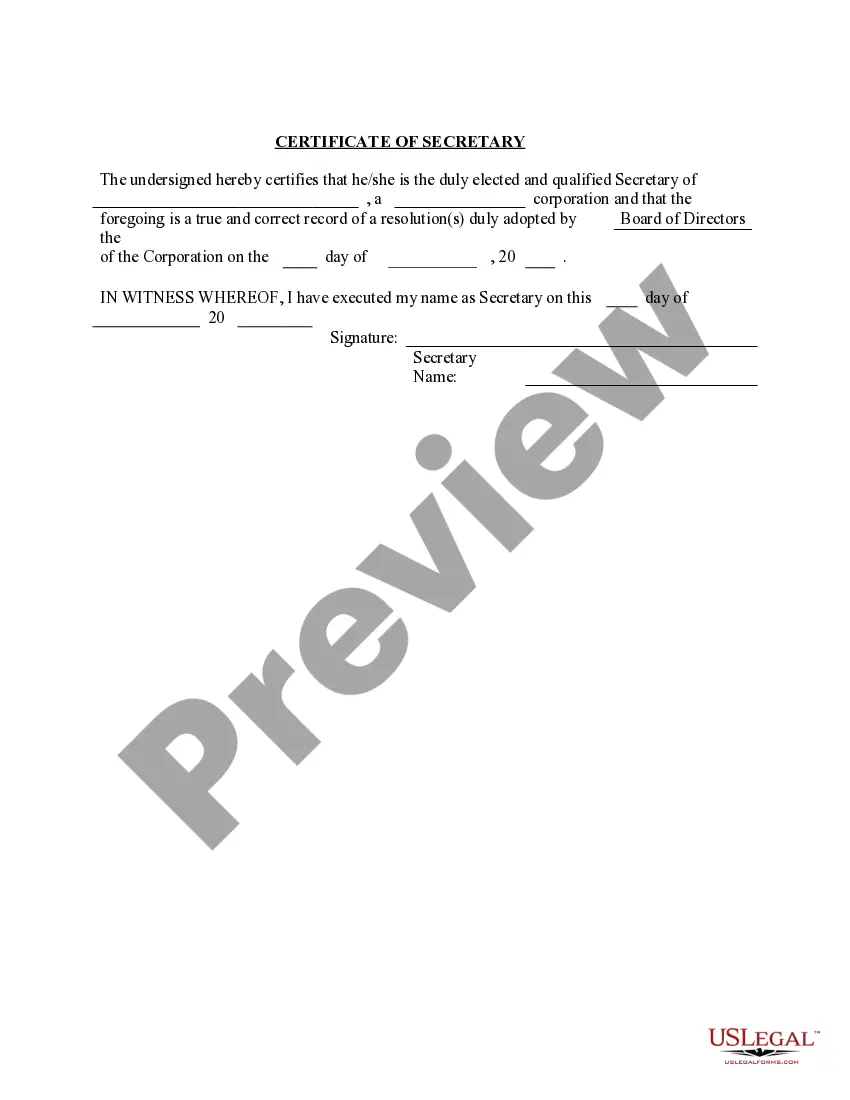

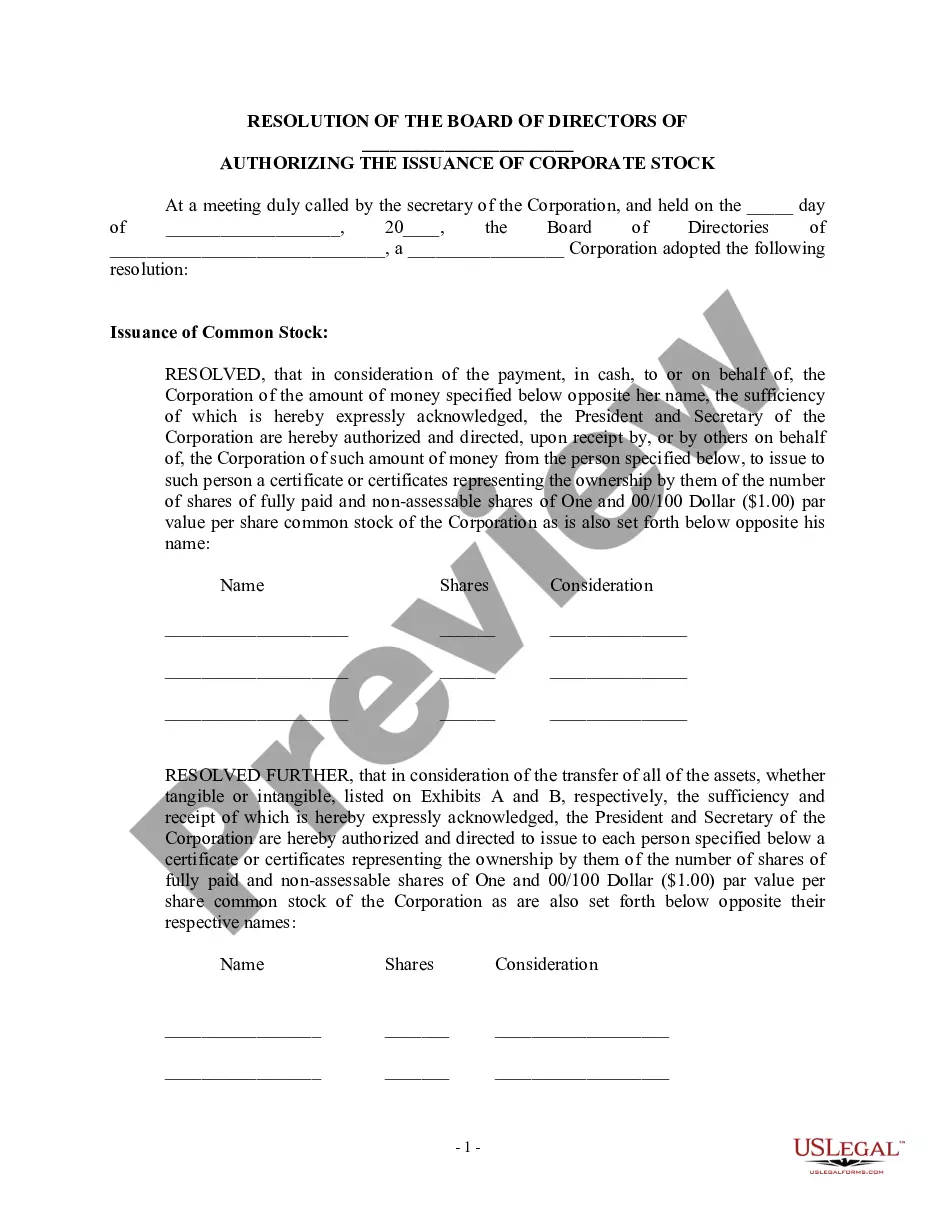
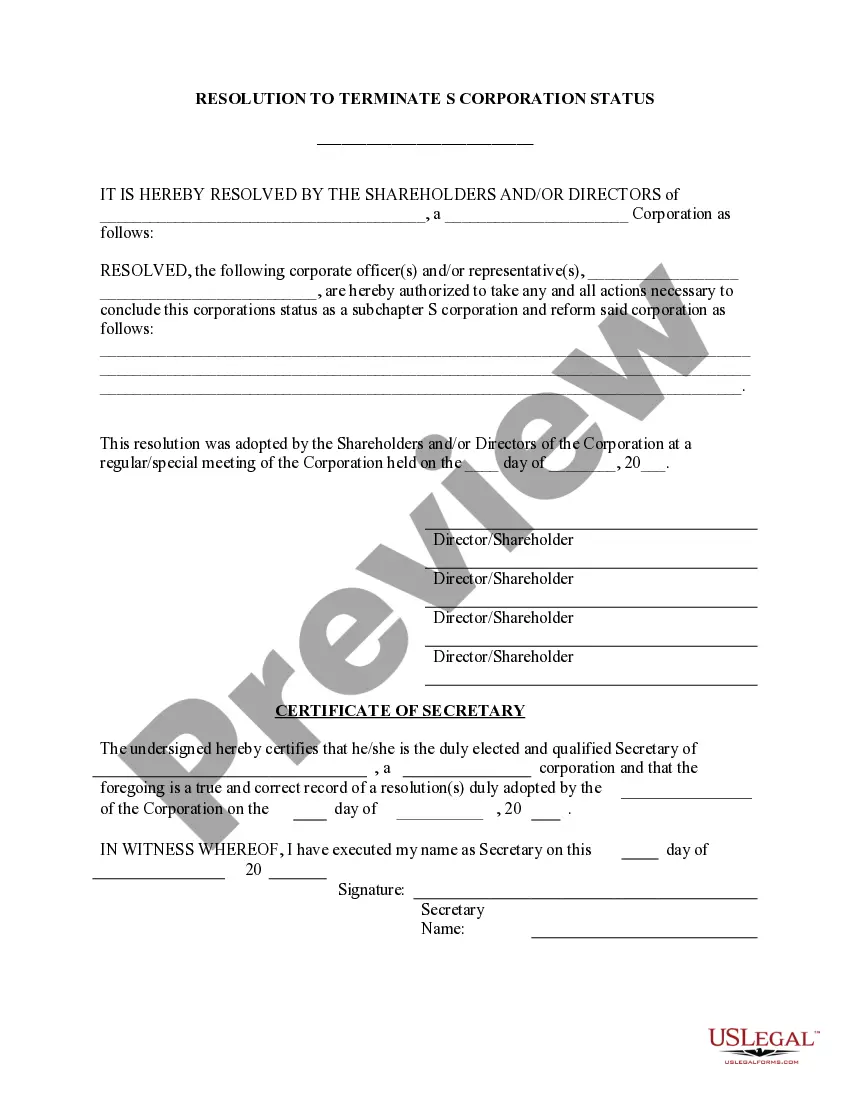
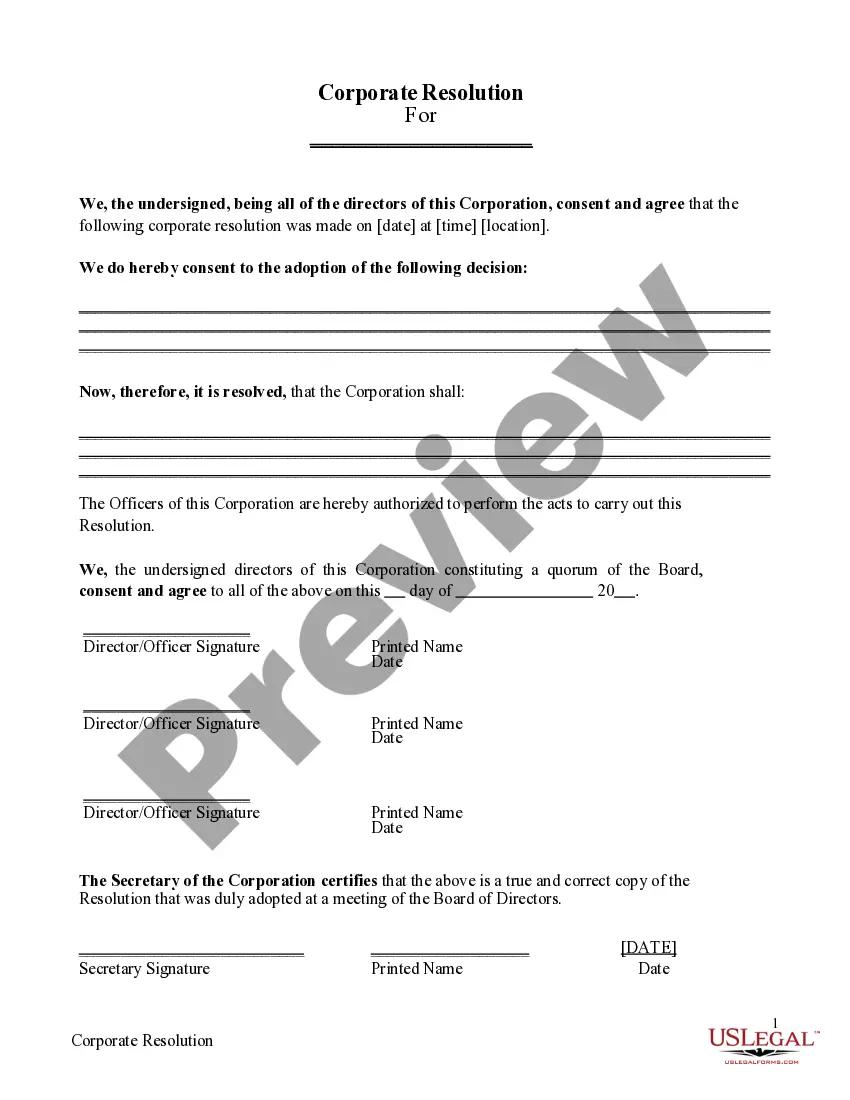
Get your form ready online
Our built-in tools help you complete, sign, share, and store your documents in one place.
Make edits, fill in missing information, and update formatting in US Legal Forms—just like you would in MS Word.
Download a copy, print it, send it by email, or mail it via USPS—whatever works best for your next step.
Sign and collect signatures with our SignNow integration. Send to multiple recipients, set reminders, and more. Go Premium to unlock E-Sign.
If this form requires notarization, complete it online through a secure video call—no need to meet a notary in person or wait for an appointment.
We protect your documents and personal data by following strict security and privacy standards.

Make edits, fill in missing information, and update formatting in US Legal Forms—just like you would in MS Word.

Download a copy, print it, send it by email, or mail it via USPS—whatever works best for your next step.

Sign and collect signatures with our SignNow integration. Send to multiple recipients, set reminders, and more. Go Premium to unlock E-Sign.

If this form requires notarization, complete it online through a secure video call—no need to meet a notary in person or wait for an appointment.

We protect your documents and personal data by following strict security and privacy standards.
Looking for another form?


Form popularity
FAQ
There are seven steps you'll complete to start an S corp in Texas. Step 1: Check Name Availability. Step 2: Choose a Business Name. Step 3: Registered Agent. Step 4: Complete Form 201. Step 5: Bylaws and Regulations. Step 6: Obtain EIN. Step 7: File Form 2553.
Other differences between S corps and LLCs include: Transferability of ownership. S corporation stock is freely transferable, as long as IRS ownership restrictions are met. An LLC membership interest (ownership) typically is not freely transferable—approval from other members is often required.
All Type A and Type B corporations are required to file an annual report with the Texas Comptroller of Public Accounts by April 1 of each year.
As long as you can satisfy the following criteria around ownership and organization required by the IRS, you should have no trouble having your Texas LLC taxed as an S Corp. Then it's a simple matter of filing form 2553 with the IRS after you've had the form signed by an officer of the company and all shareholders.
The owners of an LLC are called “members.” A member can be an individual, partnership, corporation, trust, and any other legal or commercial entity. Generally, the liability of the members is limited to their investment and they may enjoy the pass-through tax treatment afforded to partners in a partnership.
To file an S Corporation in Texas, you'll first form a corporation with the Texas Secretary of State. After forming your corporation, you'll then elect to be taxed as an S Corporation. To become an S Corporation, you won't work with the state of Texas.
Yes, a Texas LLC can choose to be taxed as an S Corp by filing IRS Form 2553. This allows the LLC to benefit from the tax advantages of an S Corp, such as saving on self-employment taxes, while maintaining the operational flexibility of an LLC.
A corporation may convert into a limited liability company by adopting a plan of conversion in ance with section 10.101 of the Texas Business Organizations Code (BOC) and filing a certificate of conversion with the secretary of state in ance with sections 10.154 and 10.155 of the BOC.
