S Corporation With Llc Subsidiary In Clark
Description

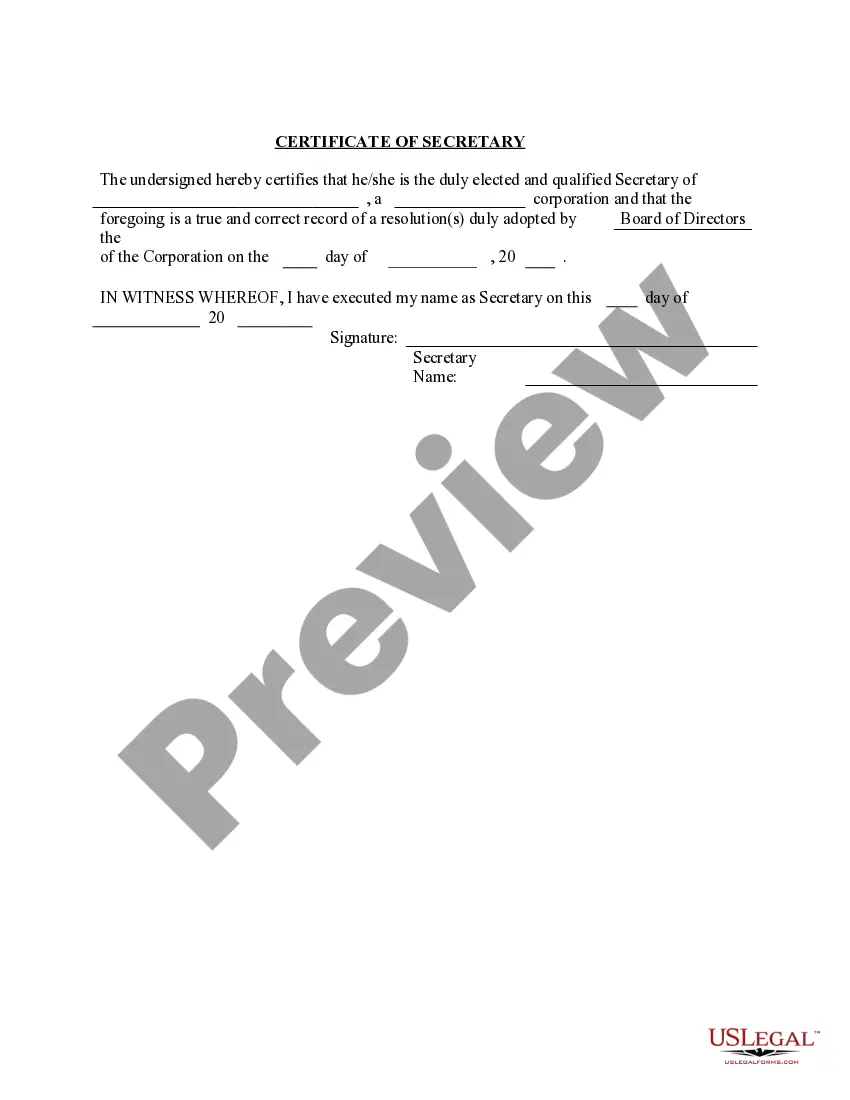

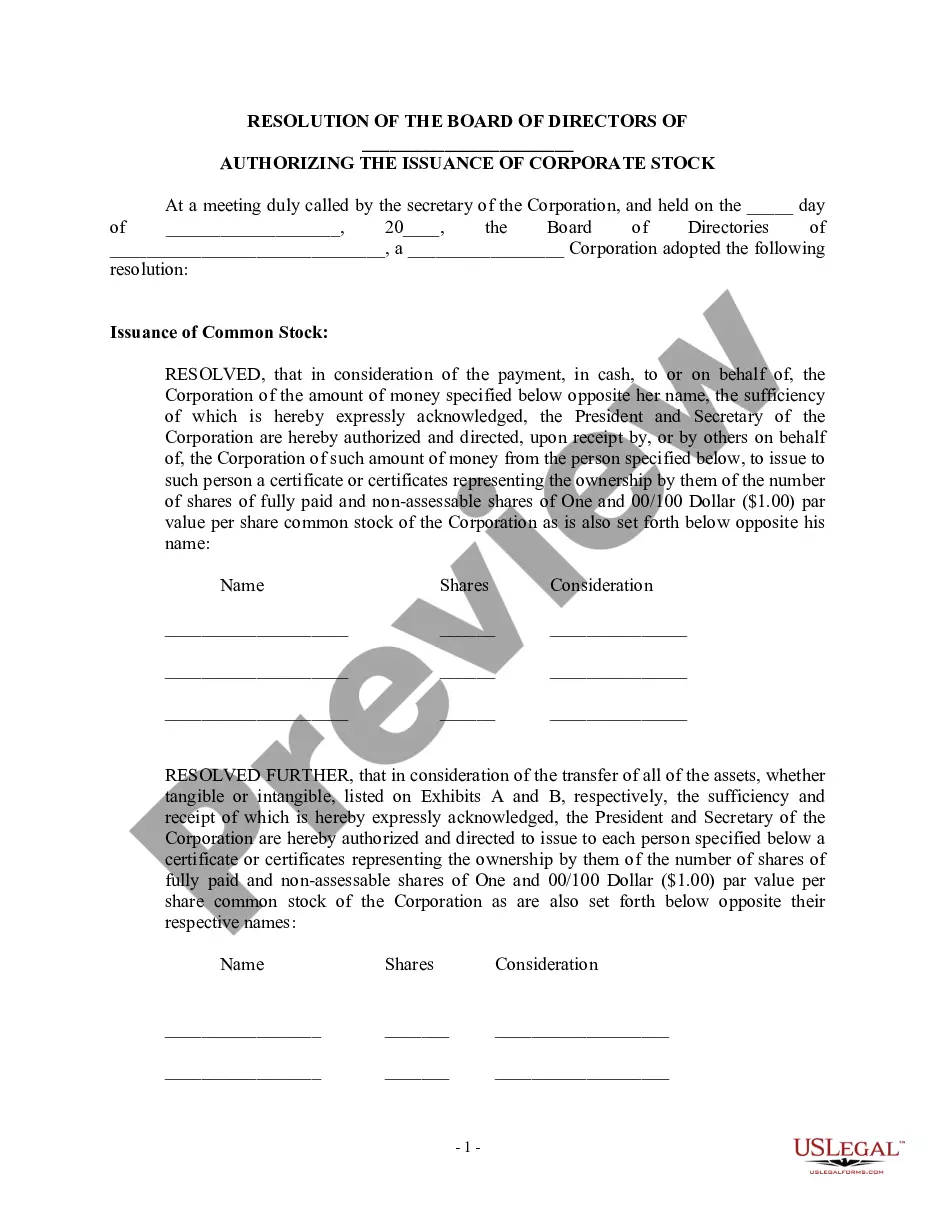
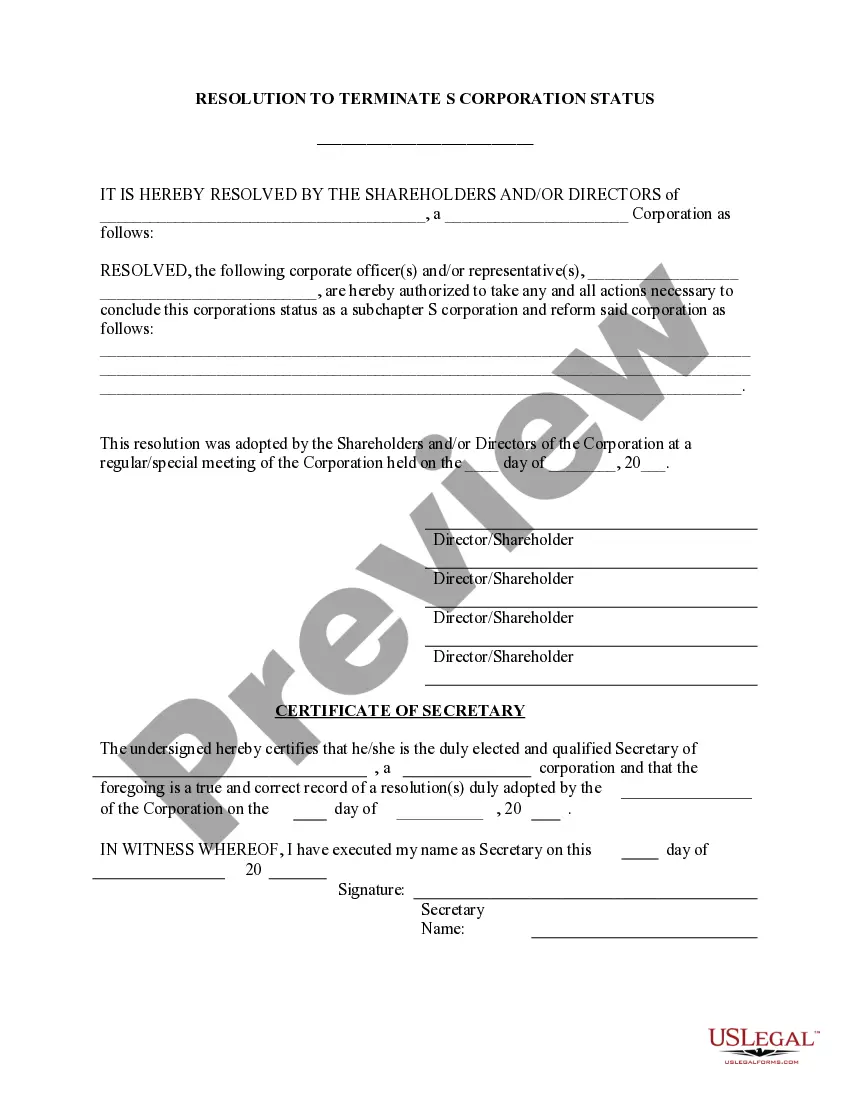
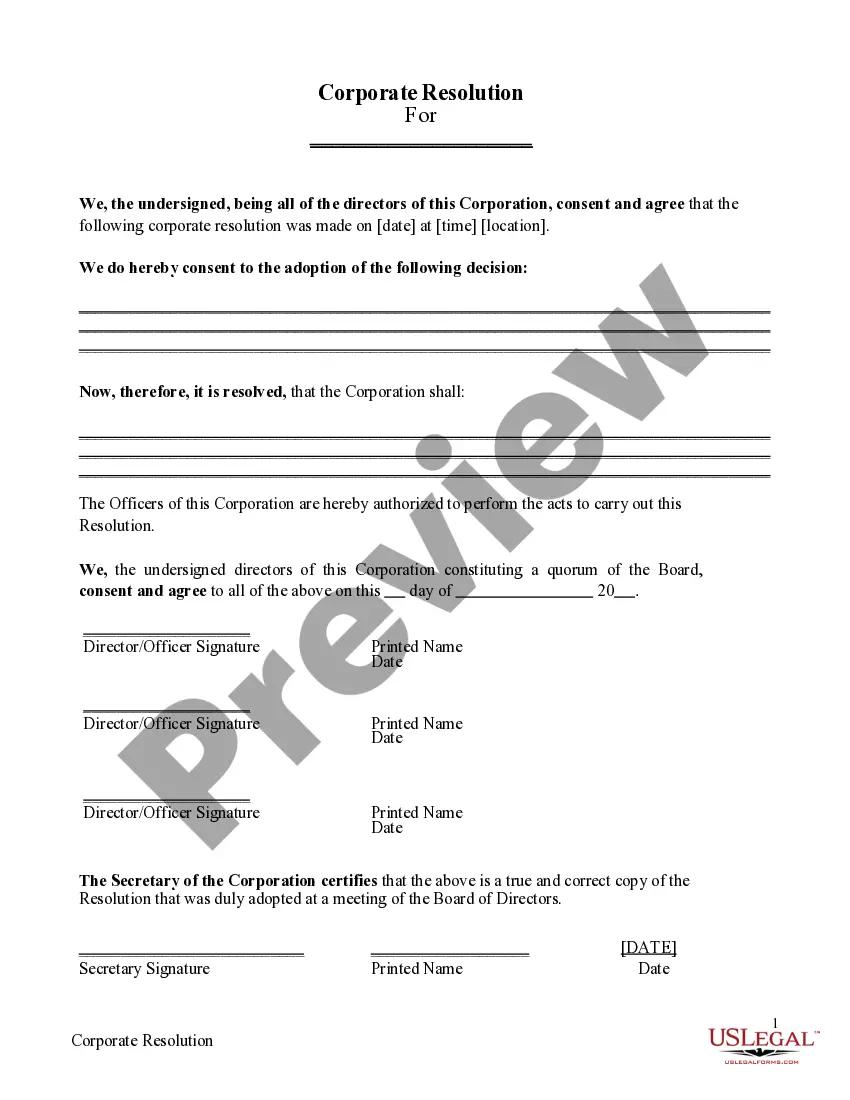
Get your form ready online
Our built-in tools help you complete, sign, share, and store your documents in one place.
Make edits, fill in missing information, and update formatting in US Legal Forms—just like you would in MS Word.
Download a copy, print it, send it by email, or mail it via USPS—whatever works best for your next step.
Sign and collect signatures with our SignNow integration. Send to multiple recipients, set reminders, and more. Go Premium to unlock E-Sign.
If this form requires notarization, complete it online through a secure video call—no need to meet a notary in person or wait for an appointment.
We protect your documents and personal data by following strict security and privacy standards.

Make edits, fill in missing information, and update formatting in US Legal Forms—just like you would in MS Word.

Download a copy, print it, send it by email, or mail it via USPS—whatever works best for your next step.

Sign and collect signatures with our SignNow integration. Send to multiple recipients, set reminders, and more. Go Premium to unlock E-Sign.

If this form requires notarization, complete it online through a secure video call—no need to meet a notary in person or wait for an appointment.

We protect your documents and personal data by following strict security and privacy standards.
Looking for another form?







Form popularity
FAQ
Step 2: Weigh the pros and cons Advantages: Enhanced credibility, access to capital, limited liability, and the ability to attract investors and top talent. Disadvantages: Higher setup and maintenance costs, double taxation, extensive record-keeping and reporting requirements, and reduced privacy.
Unlike an S Corporation or an LLC, it pays taxes at the corporate level. This means it is subject to the disadvantage of double taxation. As well, a C corp also must comply with many more federal and state requirements than an LLC. C corporations provide the following considerable advantages: Separate legal identity.
Disadvantage #1: Not Making Enough Taxable Income If your business is not earning enough income, the costs of an S-Corporation may outweigh the benefits. Many tax advisors believe that business income should exceed $40,000 before considering an S-Corporation.
Because of the one-class-of-stock restriction, an S corporation cannot allocate losses or income to specific shareholders. Allocation of income and loss is governed by stock ownership, unlike partnerships or LLCs taxed as partnerships where the allocation can be set in the partnership agreement or operating agreement.
One major advantage of an S corporation is that it provides owners limited liability protection, regardless of its tax status. Limited liability protection means that the owners' personal assets are shielded from the claims of business creditors—whether the claims arise from contracts or litigation.
Wyoming, Delaware, and Nevada are among the top states for forming holding companies due to their favorable business environments, asset protection, and low taxes.
FL, SD and WY are typically the best for no personal/business taxes. Nexus rules still apply to other states.
The following 10 states are among those most frequently cited as the best states to start a business in America. Texas. North Carolina. Indiana. South Dakota. Nevada. 1.17% General Business Modified Business Tax rate. Montana. 6.75% corporate tax rate. Alaska. 9.4% corporate tax rate. New Hampshire. 7.5% corporate tax rate.
The appeal of Delaware and Nevada Some potential advantages of forming your corporation or LLC in Delaware include: Delaware's corporation and LLC laws are considered the most flexible in the country. The Court of Chancery has expertise in business law and uses judges instead of juries.
