S Corporation For Llc In Chicago
Description

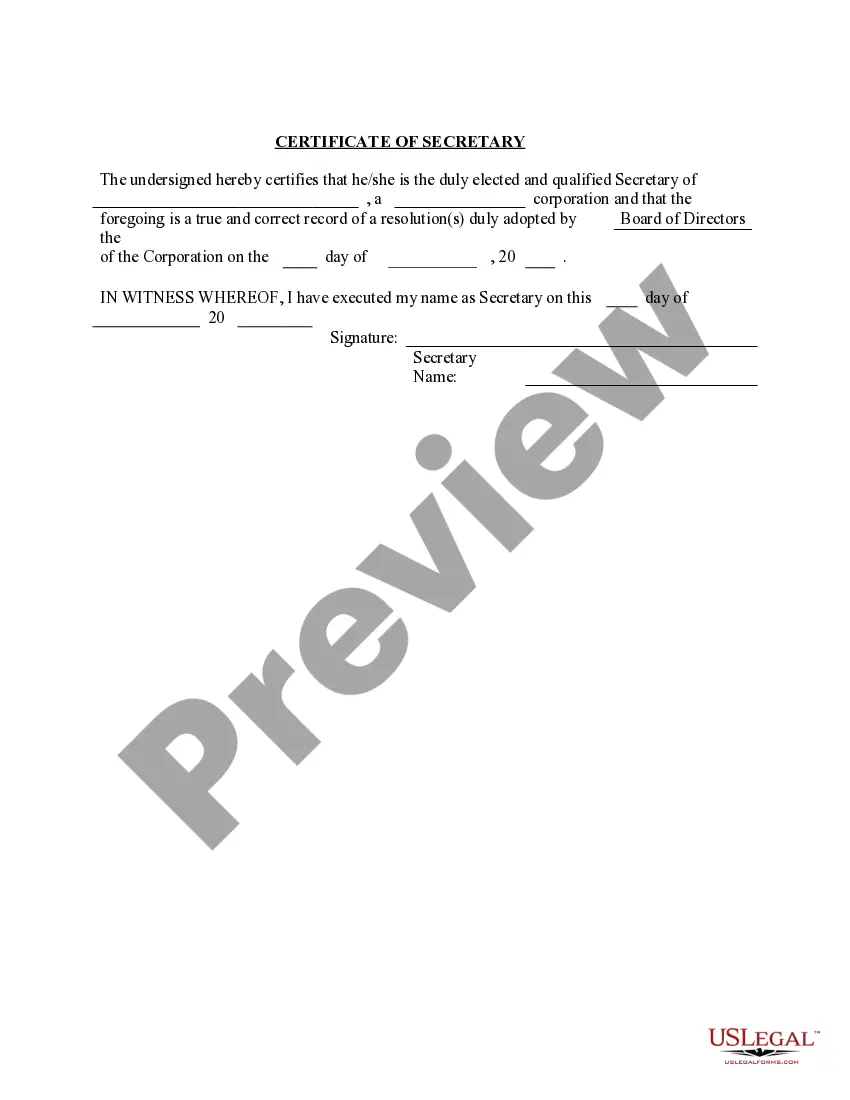

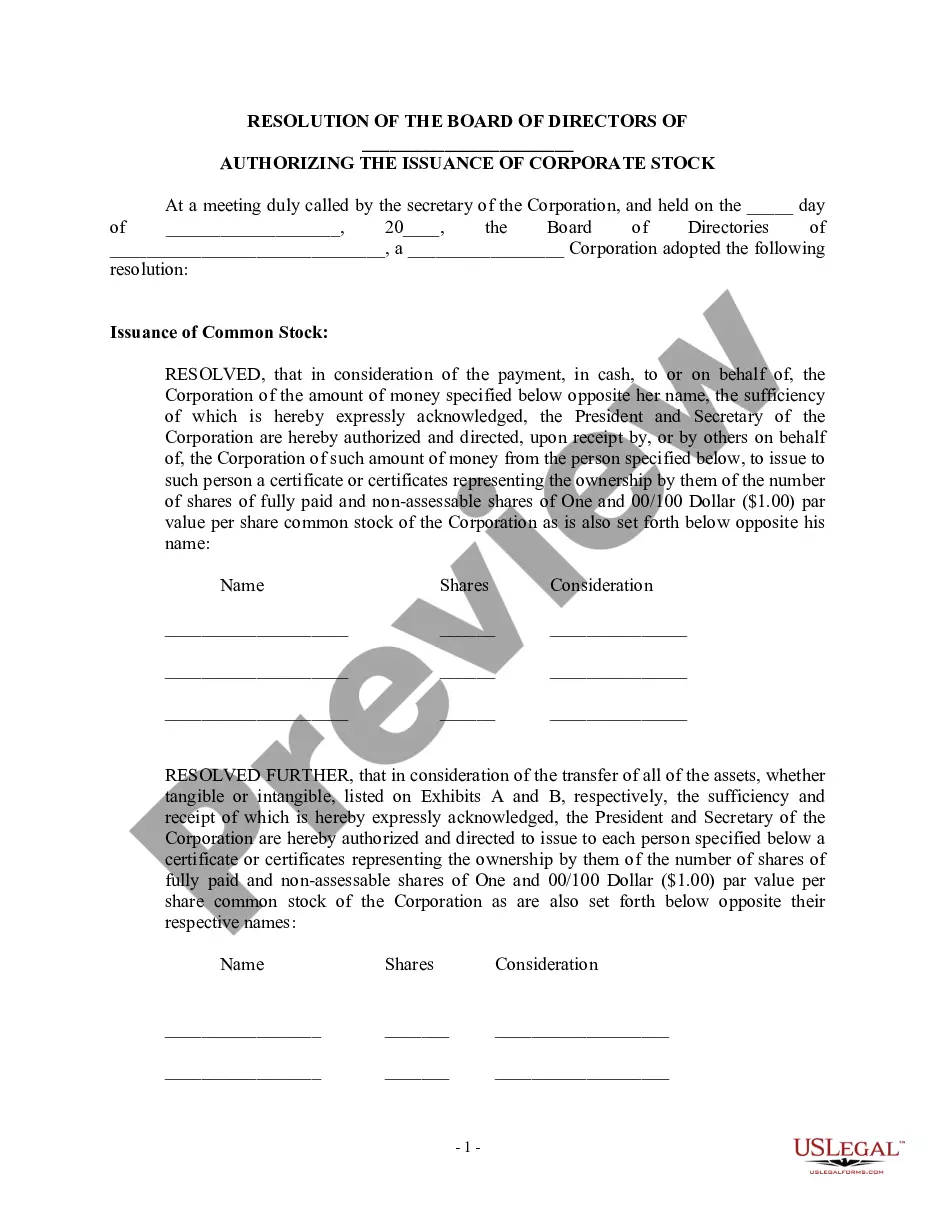
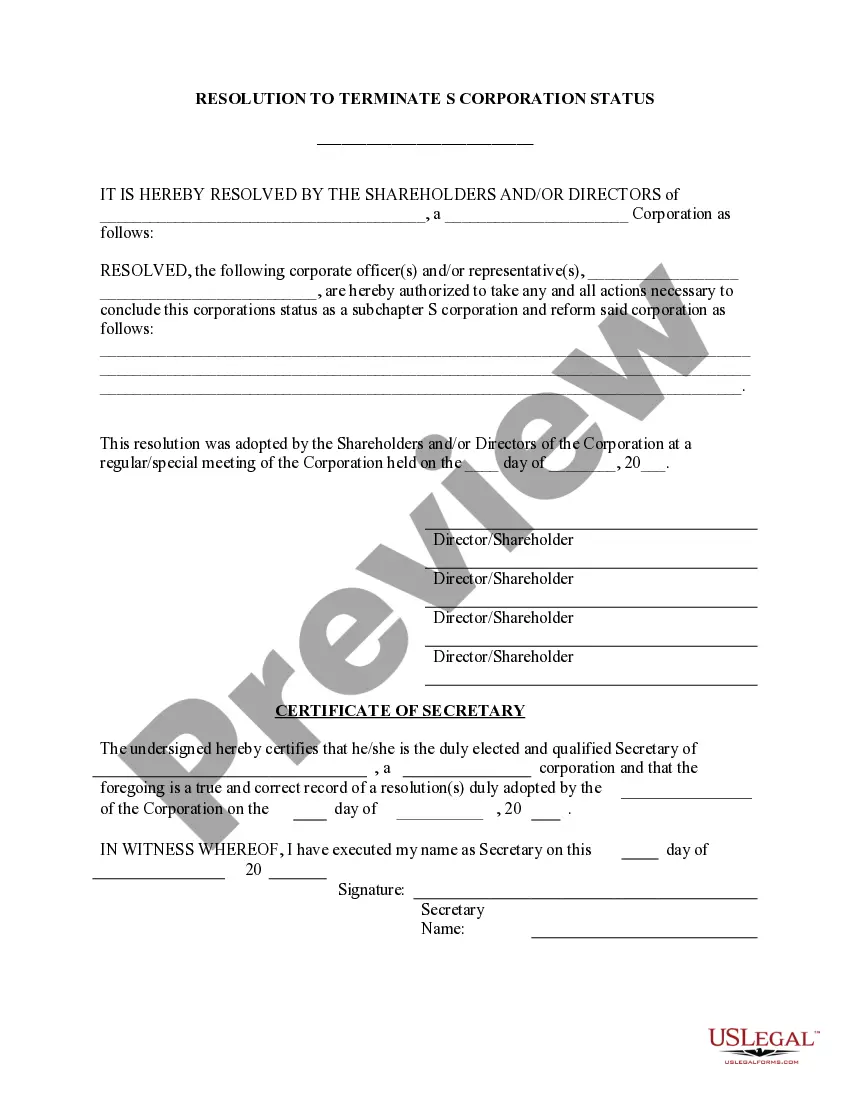
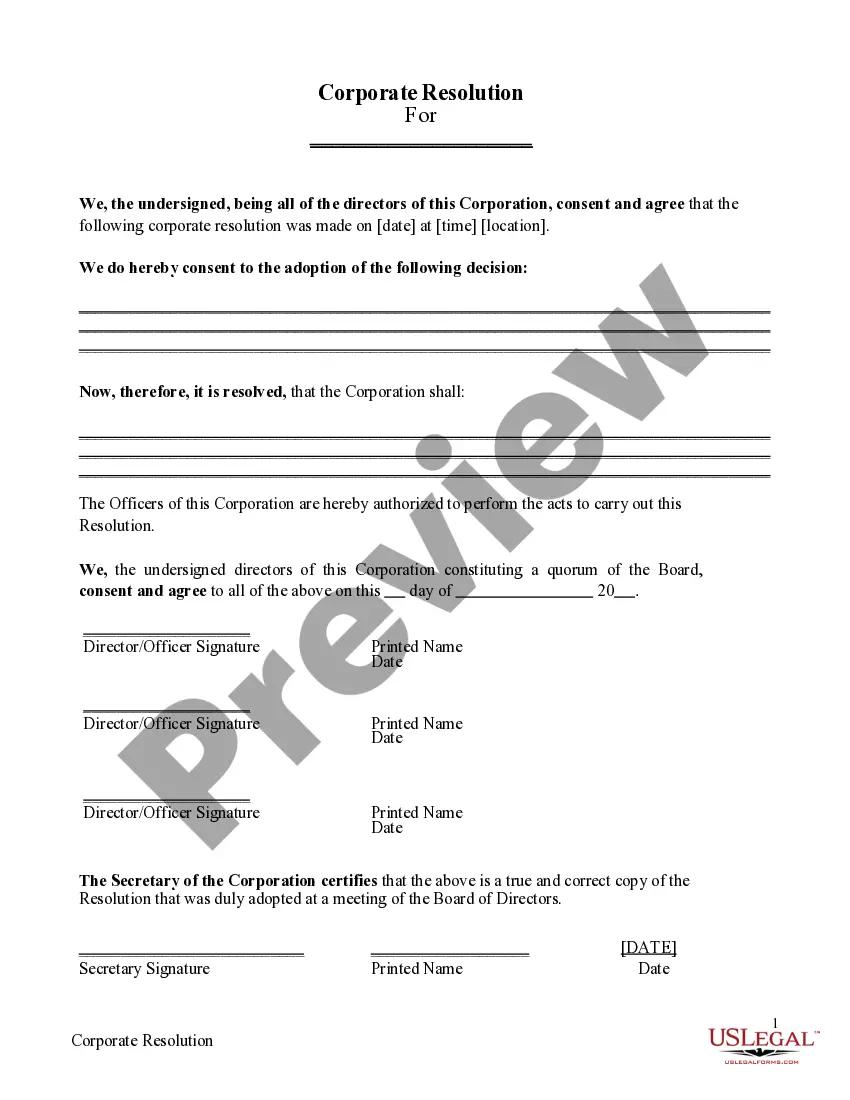
Get your form ready online
Our built-in tools help you complete, sign, share, and store your documents in one place.
Make edits, fill in missing information, and update formatting in US Legal Forms—just like you would in MS Word.
Download a copy, print it, send it by email, or mail it via USPS—whatever works best for your next step.
Sign and collect signatures with our SignNow integration. Send to multiple recipients, set reminders, and more. Go Premium to unlock E-Sign.
If this form requires notarization, complete it online through a secure video call—no need to meet a notary in person or wait for an appointment.
We protect your documents and personal data by following strict security and privacy standards.

Make edits, fill in missing information, and update formatting in US Legal Forms—just like you would in MS Word.

Download a copy, print it, send it by email, or mail it via USPS—whatever works best for your next step.

Sign and collect signatures with our SignNow integration. Send to multiple recipients, set reminders, and more. Go Premium to unlock E-Sign.

If this form requires notarization, complete it online through a secure video call—no need to meet a notary in person or wait for an appointment.

We protect your documents and personal data by following strict security and privacy standards.
Looking for another form?




Form popularity
FAQ
Corp Election teps for LLCs tep 1 Choose a business name. tep 2 Choose a registered agent. tep 3 File Illinois Articles of Organization. tep 4 Create an operating agreement. tep 5 Apply for an EIN. tep 6 Apply for Corp status with IR Form 2553.
Choose a business name for your S corp. File articles of incorporation. Issue stock for your S corp. Elect a board of directors and appoint officers. Meet other S corp eligibility requirements. Obtain an employer identification number. Elect S corp status. Apply for state and local S corp business licenses.
The biggest difference between S corporations and LLCs is how they are taxed. S corporations are taxed as pass-through entities, meaning that the profits and losses are passed through to the shareholders' personal tax returns, while LLCs can choose to be taxed as either a pass-through entity or a corporation.
Because of the one-class-of-stock restriction, an S corporation cannot allocate losses or income to specific shareholders. Allocation of income and loss is governed by stock ownership, unlike partnerships or LLCs taxed as partnerships where the allocation can be set in the partnership agreement or operating agreement.
Steps to Form an S Corp in Illinois Choose an LLC Name. An error occurred. Choose a Registered Agent. The next requirement you'll face when you register your LLC is listing a registered agent. File Your Articles of Organization. Create an Operating Agreement for Your LLC. Get an EIN. File Form 2553 to Elect S Corp Tax Status.
By default, the IRS will tax your LLC as a sole proprietorship (if you're the only owner), or a partnership (if there are multiple owners). You have to elect to be taxed as an S Corp instead, which means –— you guessed it! –— a form. Fill out Form 2553 and submit it to the IRS to elect S Corp tax treatment.
Overview for starting an Illinois LLC Name your Illinois LLC. Choose your registered agent. Prepare and file articles of organization. Receive a certificate from the state. Create an operating agreement. Get an employer identification number (EIN) Register your LLC with the Illinois Department of Revenue.
Corp Election teps for LLCs tep 1 Choose a business name. tep 2 Choose a registered agent. tep 3 File Illinois Articles of Organization. tep 4 Create an operating agreement. tep 5 Apply for an EIN. tep 6 Apply for Corp status with IR Form 2553.
Illinois Authorizes Conversions and Domestications. On July 1, 2018, the Illinois Entity Omnibus Act goes into effect. This Act allows Illinois corporations and unincorporated entities to convert into other entity forms and to domesticate to another state in a simple one-step transaction.
