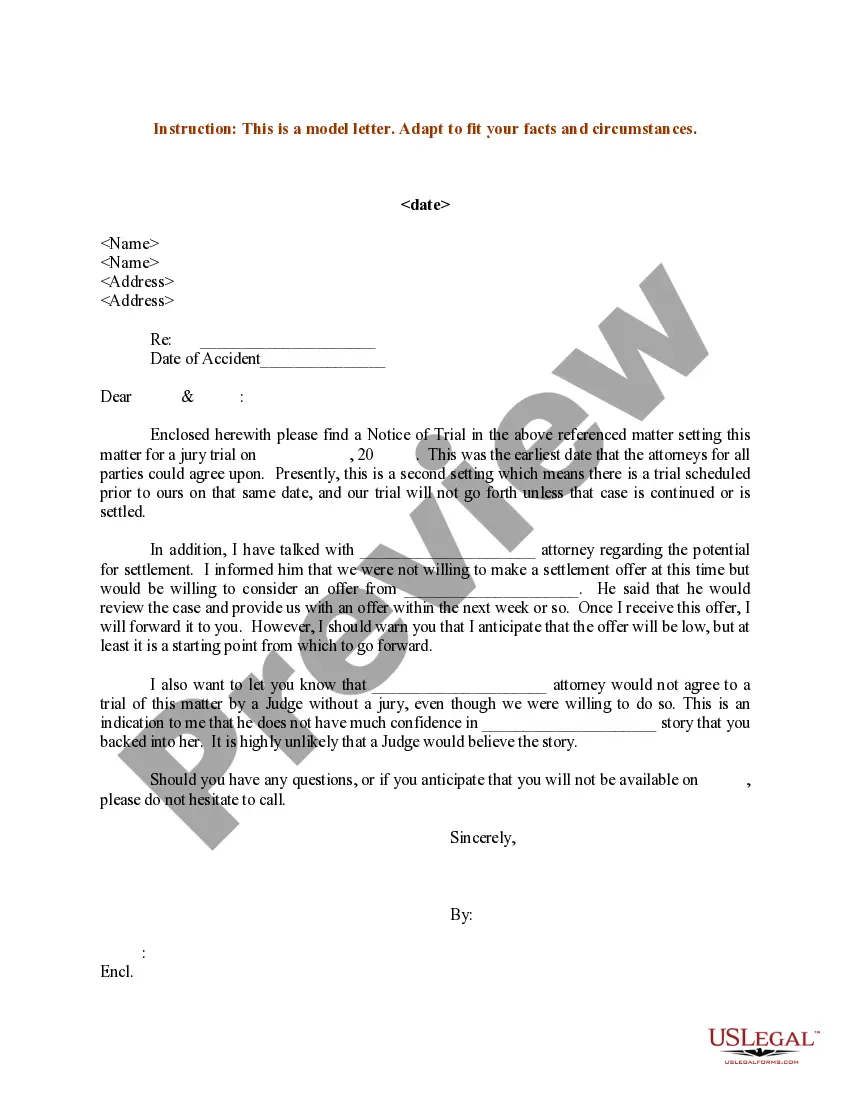
Trial Would Attorney Withdraw In Queens
Description
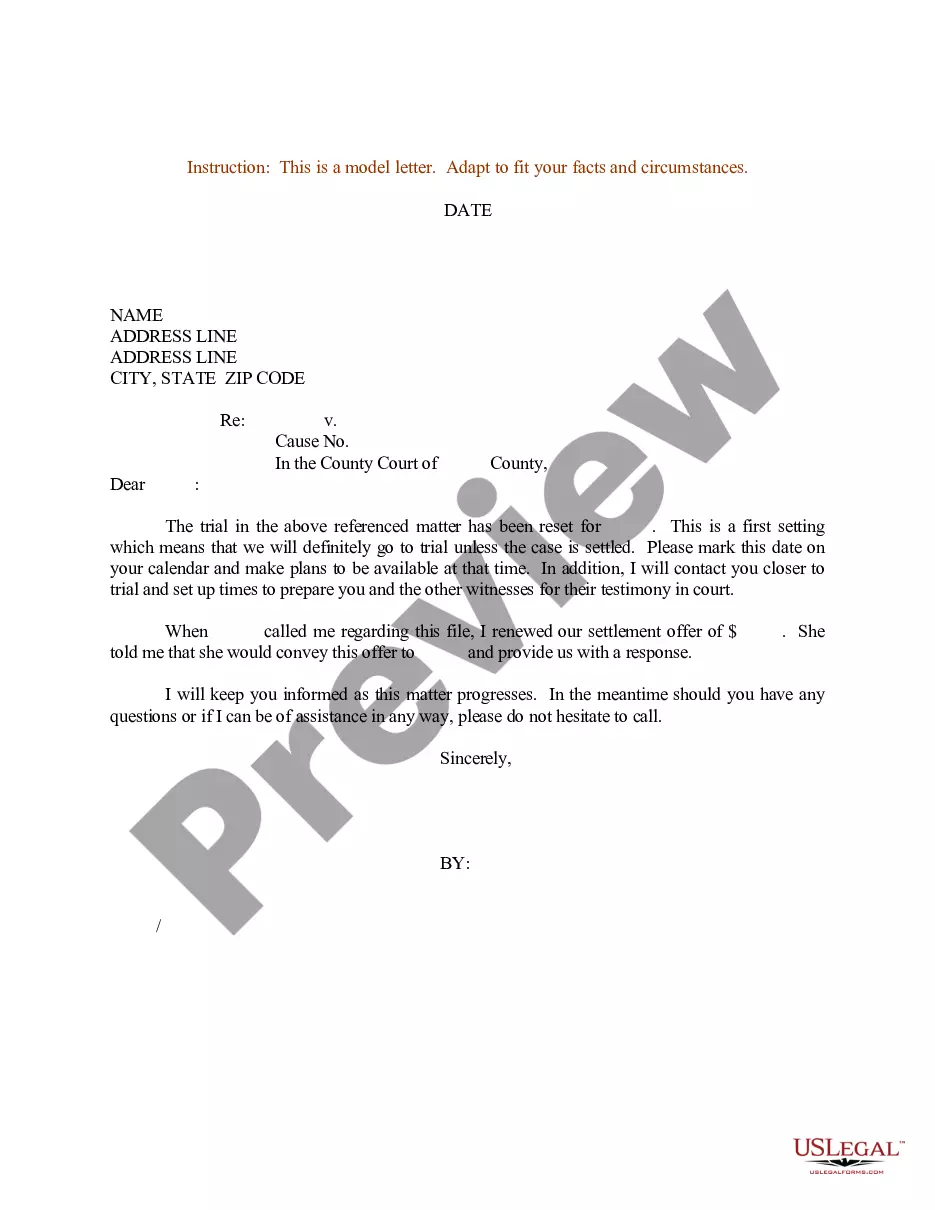
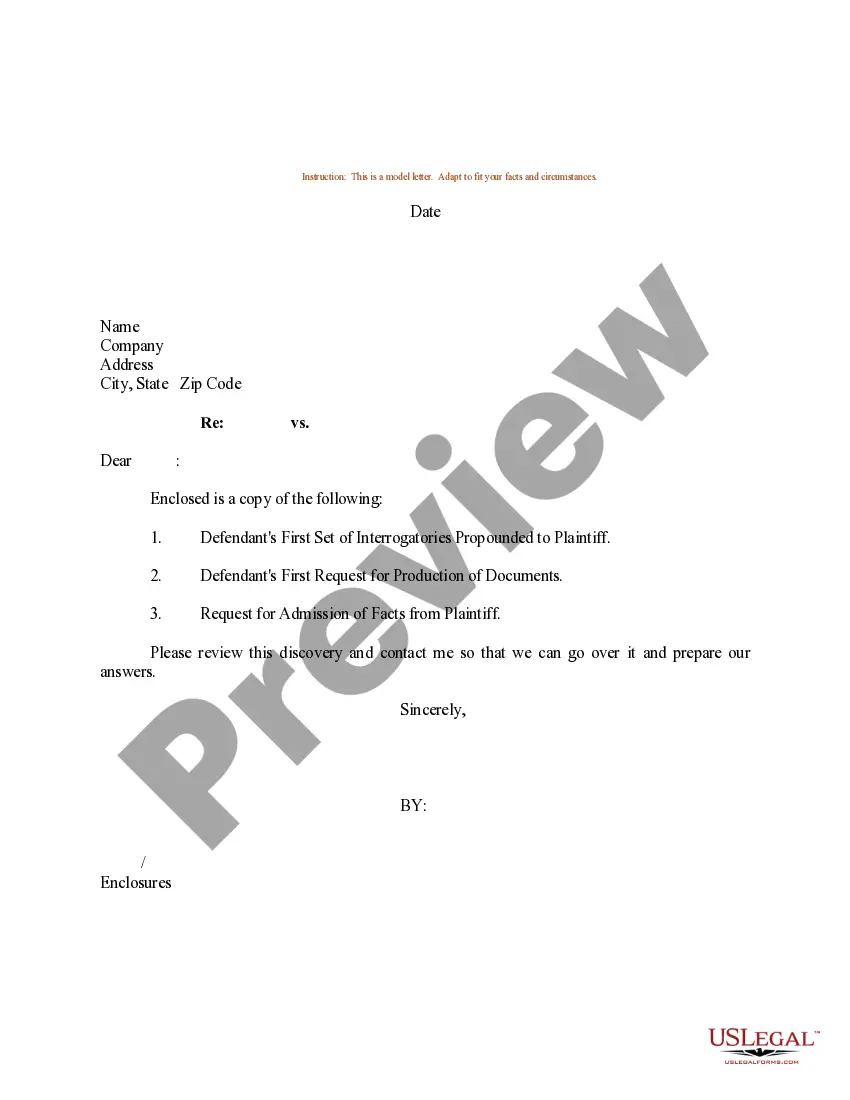
Get your form ready online
Our built-in tools help you complete, sign, share, and store your documents in one place.
Make edits, fill in missing information, and update formatting in US Legal Forms—just like you would in MS Word.
Download a copy, print it, send it by email, or mail it via USPS—whatever works best for your next step.
Sign and collect signatures with our SignNow integration. Send to multiple recipients, set reminders, and more. Go Premium to unlock E-Sign.
If this form requires notarization, complete it online through a secure video call—no need to meet a notary in person or wait for an appointment.
We protect your documents and personal data by following strict security and privacy standards.

Make edits, fill in missing information, and update formatting in US Legal Forms—just like you would in MS Word.

Download a copy, print it, send it by email, or mail it via USPS—whatever works best for your next step.

Sign and collect signatures with our SignNow integration. Send to multiple recipients, set reminders, and more. Go Premium to unlock E-Sign.

If this form requires notarization, complete it online through a secure video call—no need to meet a notary in person or wait for an appointment.

We protect your documents and personal data by following strict security and privacy standards.
Looking for another form?







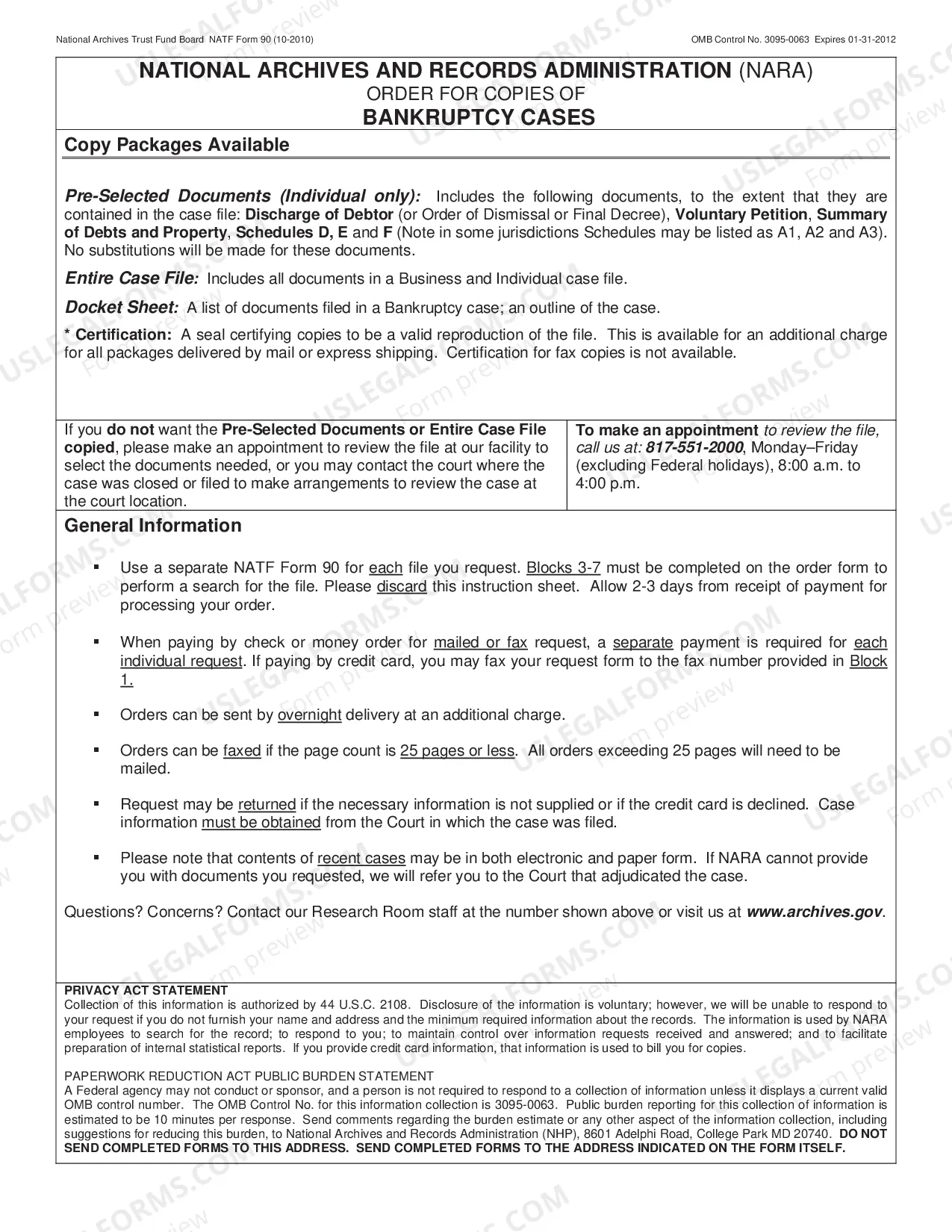


Form popularity
FAQ
The papers in a client's file belong to the client and must be released promptly to the client following termination of the attorney-client relationship if requested by the client.
(b) Except as stated in paragraph (d), a lawyer shall withdraw from the representation of a client when: (1) the lawyer knows or reasonably should know that the representation will result in a violation of these Rules or of law; (2) the lawyer's physical or mental condition materially impairs the lawyer's ability to ...
Privacy requirements and customer records Under the AML/CTF Act, you must keep customer identification records for seven years after you've stopped providing any designated services to them. The record-keeping requirements under the AML/CTF Act do not override the credit reporting provisions in the Privacy Act.
Except for when a government agency is sued, there is almost always at least one year from the date of an event to start a case no matter what type of claim it is. You should have no statute of limitations worries if you file your case within this one-year period.
Disciplinary Rule 9-102(D) of the Code of Professional Responsibility requires lawyers to keep certain documents for “seven years after the events which they record…” These records include such things as trust account records, copies of all retainer and compensation agreements, bills to clients, and records of payments ...
Records Retention Guideline #4: Keep everyday paperwork for 3 years. It's rare that anyone is going to want to see an electric bill or credit card statement dating back more than a year. But you may choose to keep the following NON-TAX-RELATED items for up to 3 years for internal use: Monthly financial statements.
"A party seeking disqualification of an adversary's lawyer must prove: (1) the existence of a prior attorney-client relationship between the moving party and opposing counsel, (2) that the matters involved in both representations are substantially related, and (3) that the interests of the present client and former ...
1. An attorney may appear on behalf of a party in a civil action or proceeding for limited purposes. Whenever an attorney appears for limited purposes, a notice of limited scope appearance shall be filed in addition to any self-represented appearance that the party may have already filed with the court.
(b) Except as stated in paragraph (d), a lawyer shall withdraw from the representation of a client when: (1) the lawyer knows or reasonably should know that the representation will result in a violation of these Rules or of law; (2) the lawyer's physical or mental condition materially impairs the lawyer's ability to ...