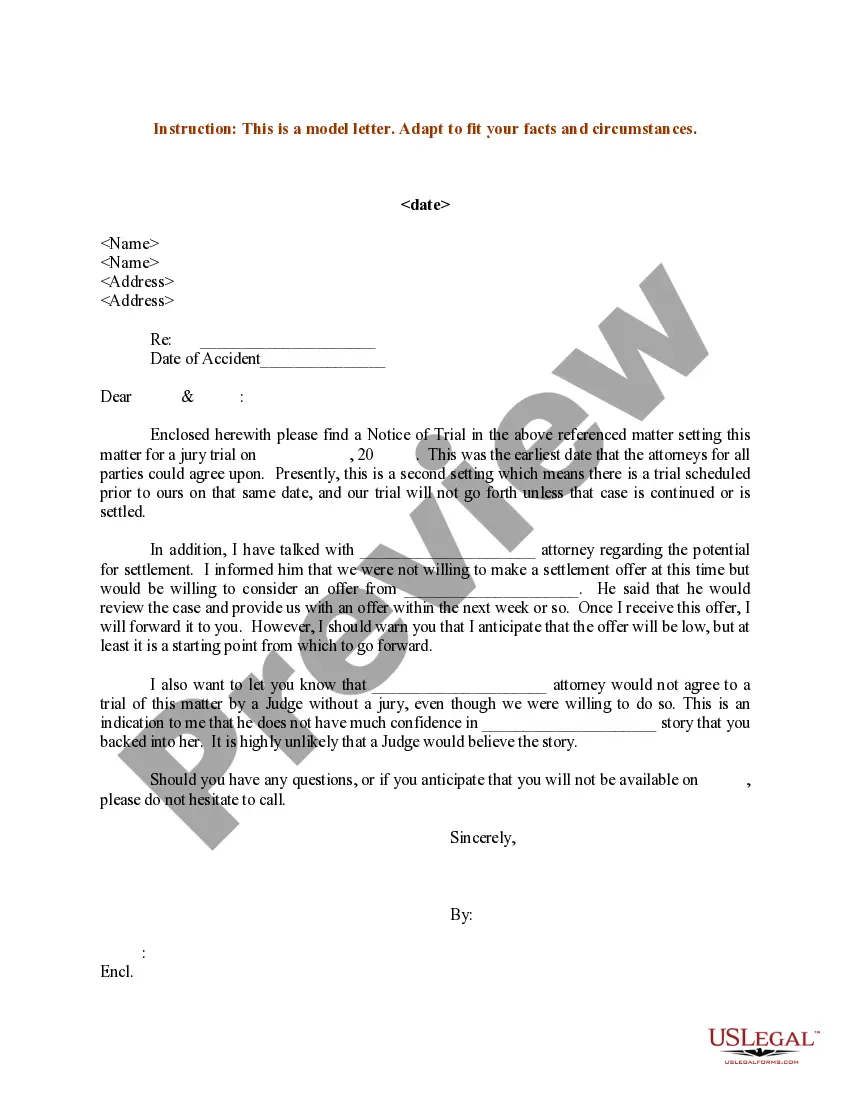
Trial Would Attorney Withdraw In Palm Beach
Description
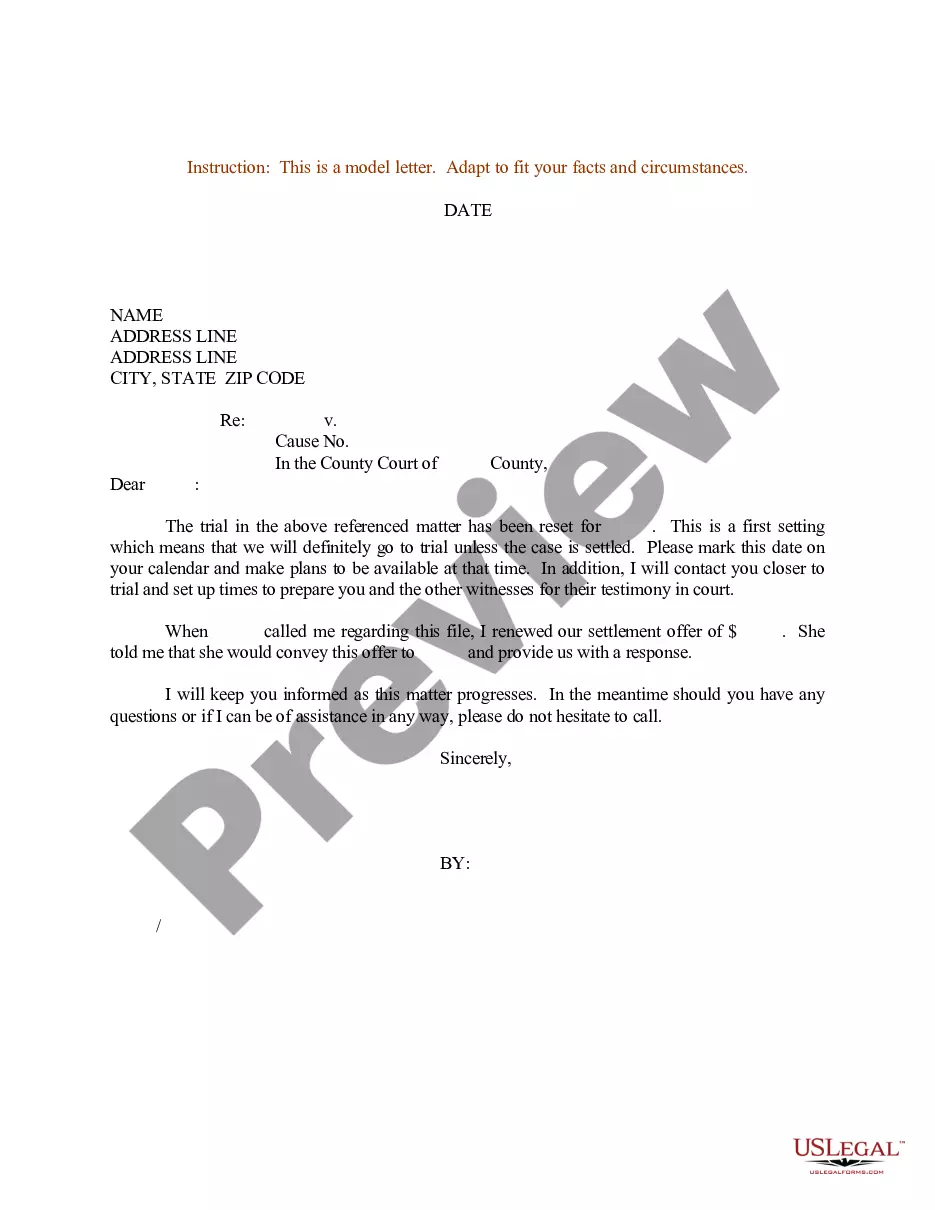
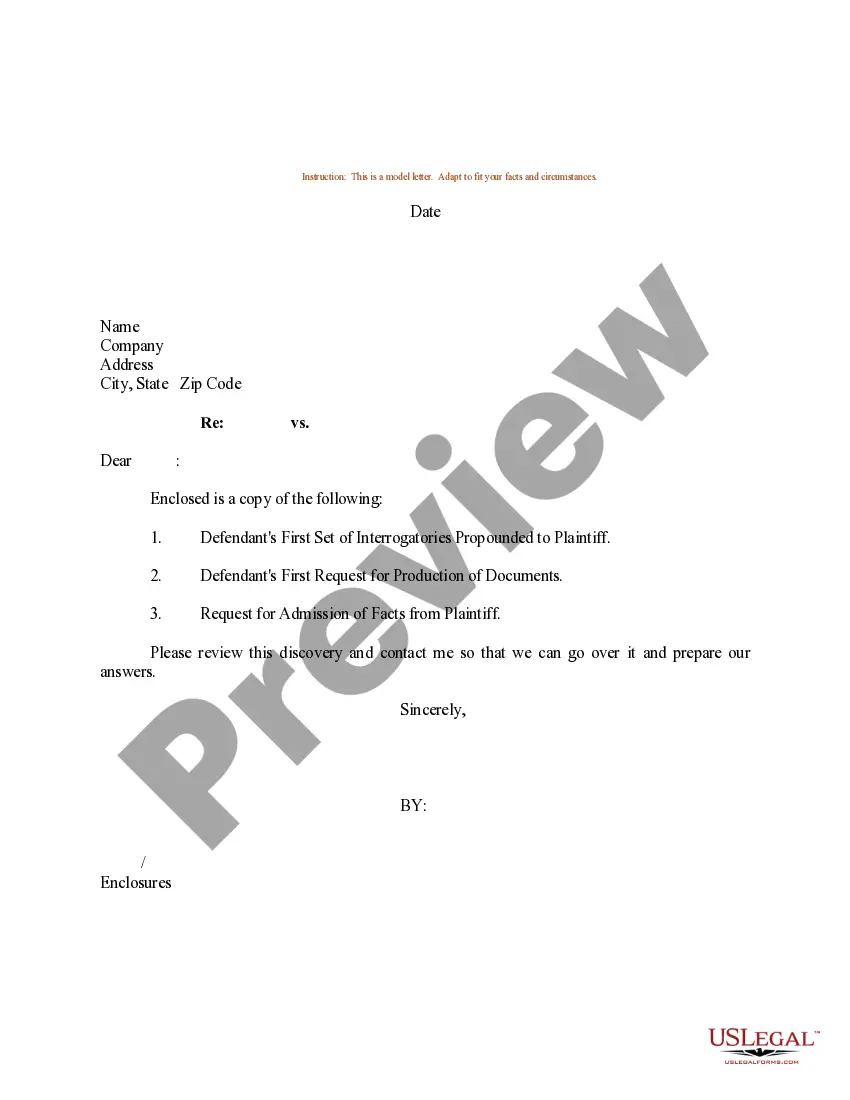
Get your form ready online
Our built-in tools help you complete, sign, share, and store your documents in one place.
Make edits, fill in missing information, and update formatting in US Legal Forms—just like you would in MS Word.
Download a copy, print it, send it by email, or mail it via USPS—whatever works best for your next step.
Sign and collect signatures with our SignNow integration. Send to multiple recipients, set reminders, and more. Go Premium to unlock E-Sign.
If this form requires notarization, complete it online through a secure video call—no need to meet a notary in person or wait for an appointment.
We protect your documents and personal data by following strict security and privacy standards.

Make edits, fill in missing information, and update formatting in US Legal Forms—just like you would in MS Word.

Download a copy, print it, send it by email, or mail it via USPS—whatever works best for your next step.

Sign and collect signatures with our SignNow integration. Send to multiple recipients, set reminders, and more. Go Premium to unlock E-Sign.

If this form requires notarization, complete it online through a secure video call—no need to meet a notary in person or wait for an appointment.

We protect your documents and personal data by following strict security and privacy standards.
Looking for another form?

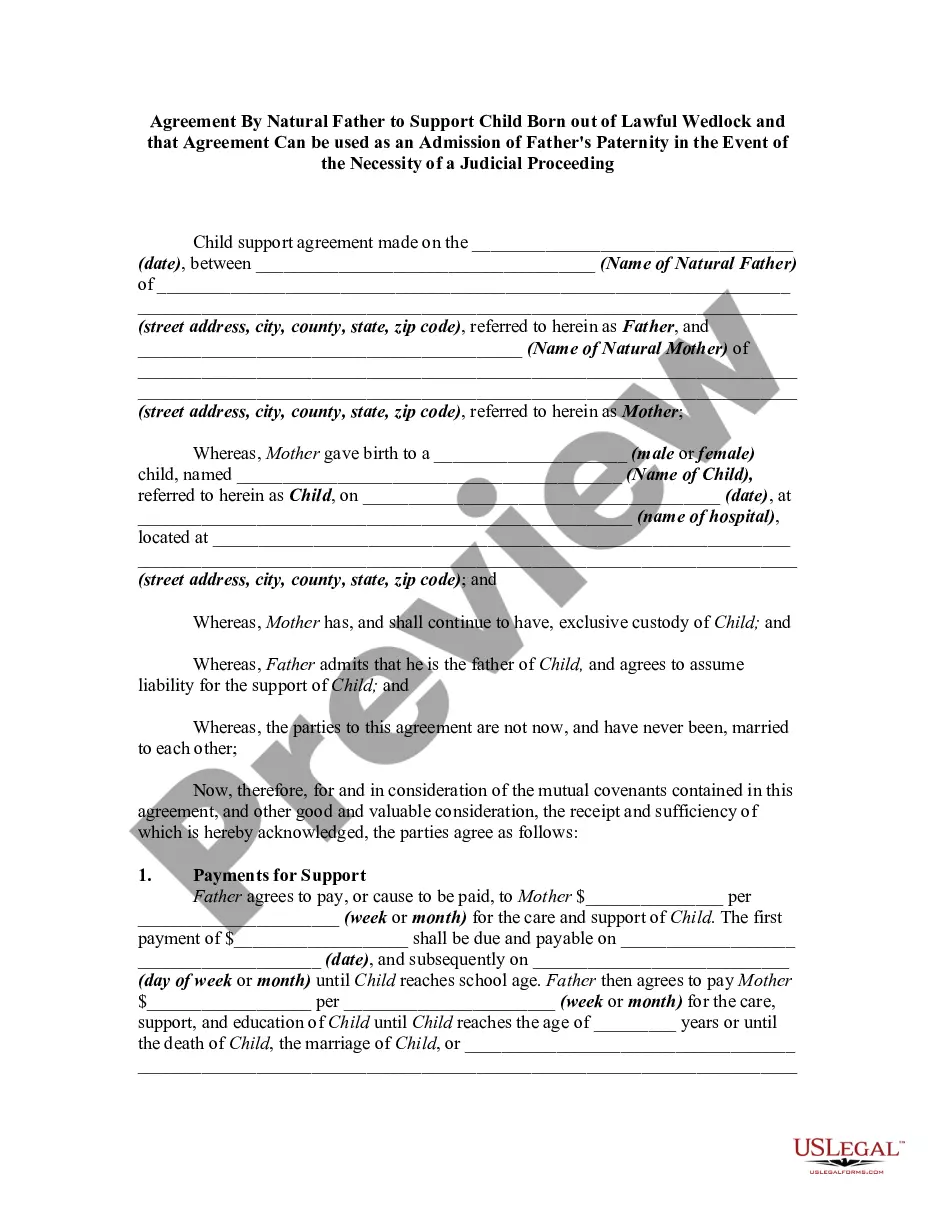




Form popularity
FAQ
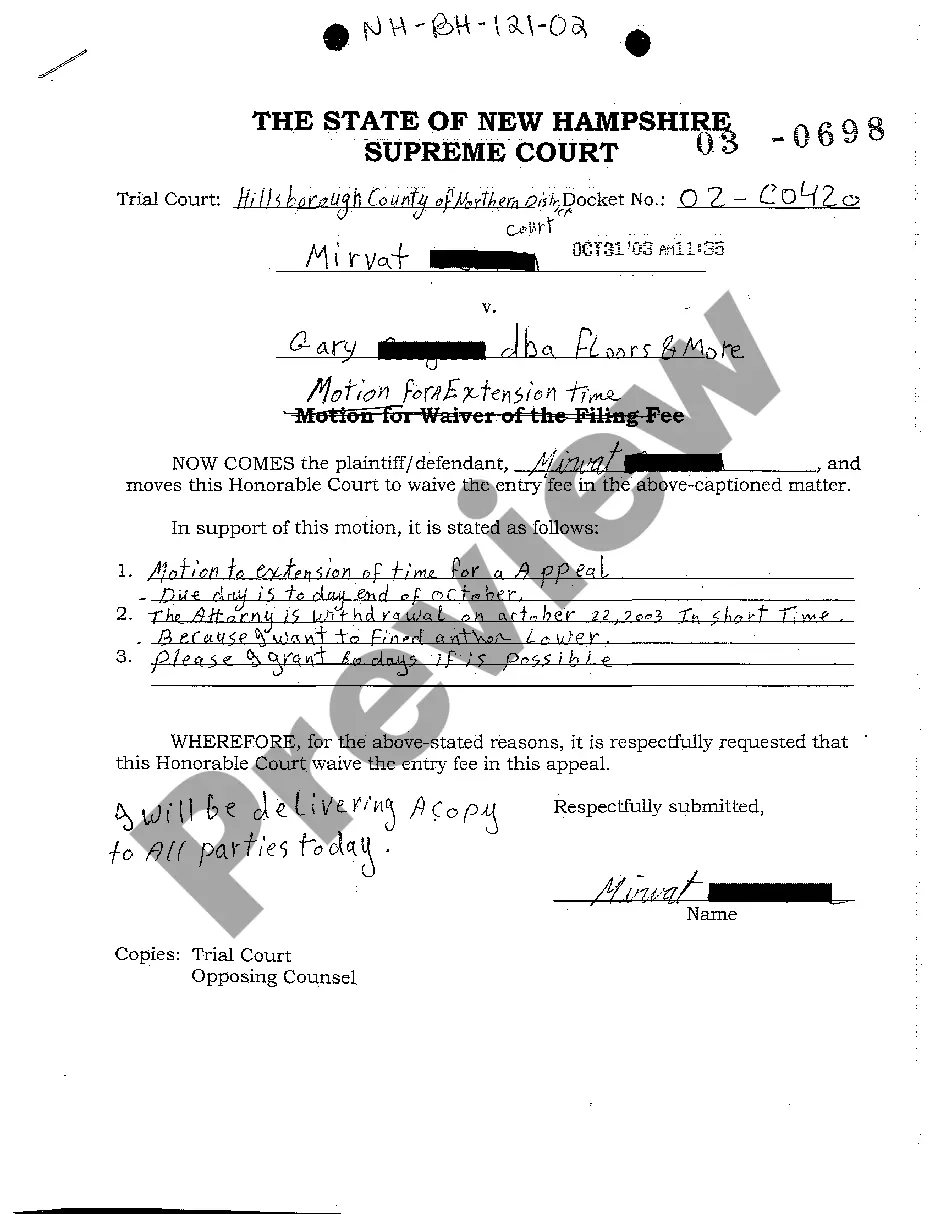
A lawyer may withdraw from representation in some circumstances. The lawyer has the option to withdraw if it can be accomplished without material adverse effect on the client's interests.
The Florida Supreme Court has held that, in a civil case, an attorney has the right to terminate the attorney-client relationship and to withdraw upon due notice to his client and approval by the court, which approval "should be rarely withheld and then only upon a determination that the withdrawal would interfere with ...
Rule 4-4.2, titled “Communication with Person Represented by Counsel,” is a foundational ethical rule for attorneys in Florida. Lawyers must obtain the consent of an individual's attorney before communicating with them directly, ing to the principle.
A disengagement letter is especially critical when a lawyer decides not to continue past a specific stage in a case. The lawyer should send a disengagement letter to establish that the relationship is no longer continuing, and to refer the client to another lawyer.