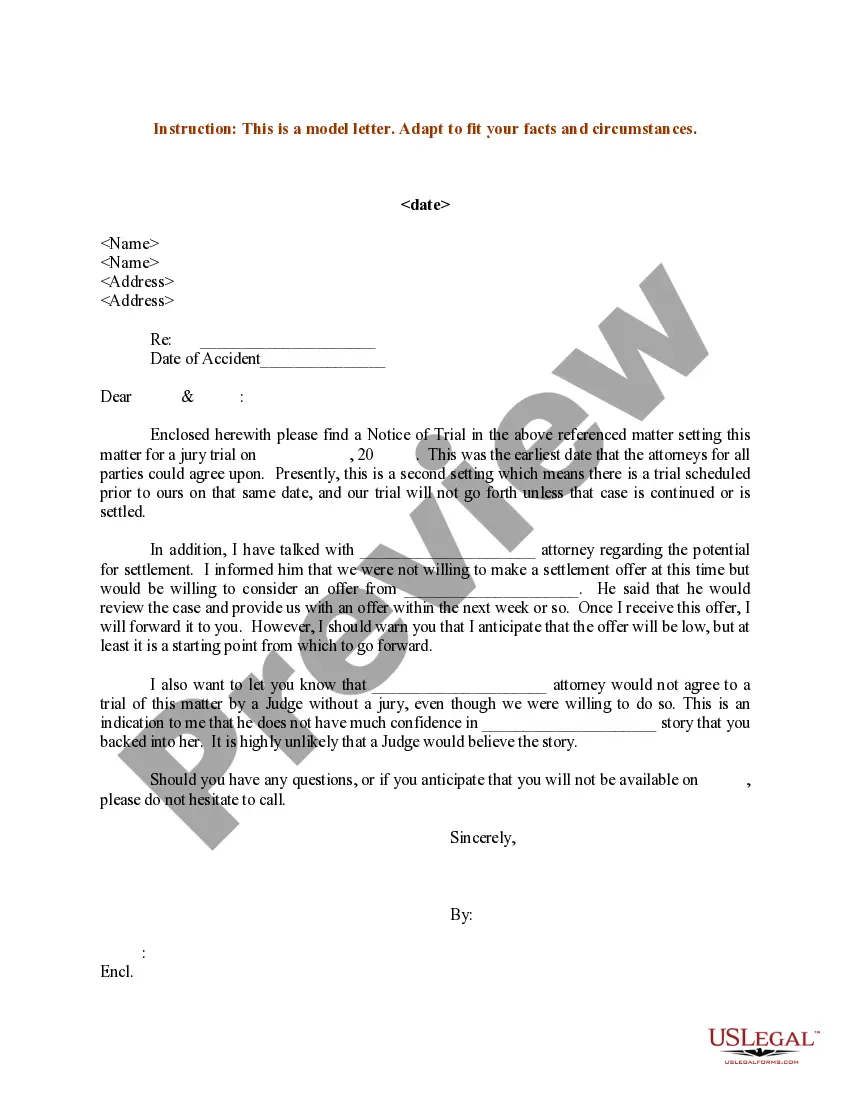
Trial Would Attorney Withdraw From Case In New York
Description
Get your form ready online
Our built-in tools help you complete, sign, share, and store your documents in one place.
Make edits, fill in missing information, and update formatting in US Legal Forms—just like you would in MS Word.
Download a copy, print it, send it by email, or mail it via USPS—whatever works best for your next step.
Sign and collect signatures with our SignNow integration. Send to multiple recipients, set reminders, and more. Go Premium to unlock E-Sign.
If this form requires notarization, complete it online through a secure video call—no need to meet a notary in person or wait for an appointment.
We protect your documents and personal data by following strict security and privacy standards.

Make edits, fill in missing information, and update formatting in US Legal Forms—just like you would in MS Word.

Download a copy, print it, send it by email, or mail it via USPS—whatever works best for your next step.

Sign and collect signatures with our SignNow integration. Send to multiple recipients, set reminders, and more. Go Premium to unlock E-Sign.

If this form requires notarization, complete it online through a secure video call—no need to meet a notary in person or wait for an appointment.

We protect your documents and personal data by following strict security and privacy standards.
Looking for another form?






Form popularity
FAQ
In representing a client, a lawyer shall not communicate about the subject of the representation with a person the lawyer knows to be represented by another lawyer in the matter, unless the lawyer has the consent of the other lawyer or is authorized to do so by law or a court order.
1. An attorney may appear on behalf of a party in a civil action or proceeding for limited purposes. Whenever an attorney appears for limited purposes, a notice of limited scope appearance shall be filed in addition to any self-represented appearance that the party may have already filed with the court.
The attorney must make a motion for leave to withdraw. If the motion is granted, outgoing counsel must of course comply with all terms of the court's order. A copy of the order must be served by the attorney on both the County Clerk and the General Clerk's Office so that each may modify its records.
"A party seeking disqualification of an adversary's lawyer must prove: (1) the existence of a prior attorney-client relationship between the moving party and opposing counsel, (2) that the matters involved in both representations are substantially related, and (3) that the interests of the present client and former ...
(b) Except as stated in paragraph (d), a lawyer shall withdraw from the representation of a client when: (1) the lawyer knows or reasonably should know that the representation will result in a violation of these Rules or of law; (2) the lawyer's physical or mental condition materially impairs the lawyer's ability to ...