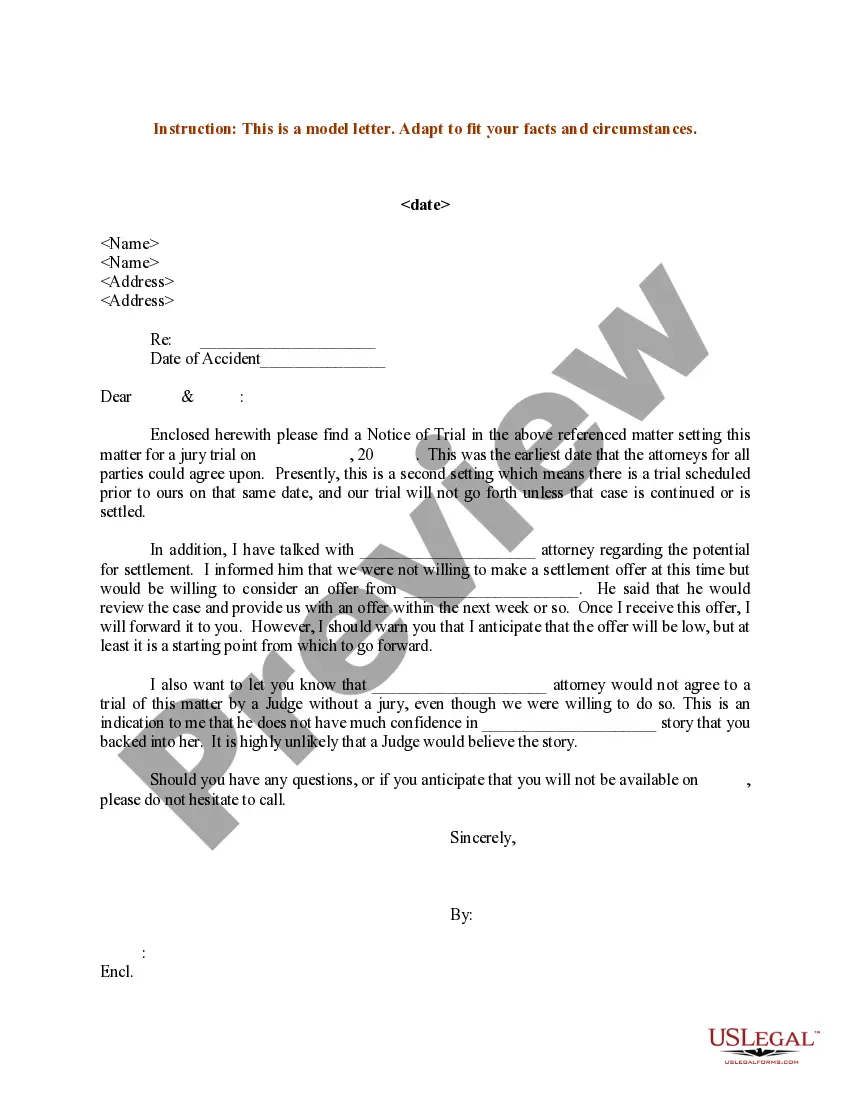
Trial Would Attorney Withdraw In Mecklenburg
Description
Get your form ready online
Our built-in tools help you complete, sign, share, and store your documents in one place.
Make edits, fill in missing information, and update formatting in US Legal Forms—just like you would in MS Word.
Download a copy, print it, send it by email, or mail it via USPS—whatever works best for your next step.
Sign and collect signatures with our SignNow integration. Send to multiple recipients, set reminders, and more. Go Premium to unlock E-Sign.
If this form requires notarization, complete it online through a secure video call—no need to meet a notary in person or wait for an appointment.
We protect your documents and personal data by following strict security and privacy standards.

Make edits, fill in missing information, and update formatting in US Legal Forms—just like you would in MS Word.

Download a copy, print it, send it by email, or mail it via USPS—whatever works best for your next step.

Sign and collect signatures with our SignNow integration. Send to multiple recipients, set reminders, and more. Go Premium to unlock E-Sign.

If this form requires notarization, complete it online through a secure video call—no need to meet a notary in person or wait for an appointment.

We protect your documents and personal data by following strict security and privacy standards.
Looking for another form?
Form popularity
FAQ
If you do decide to fire your lawyer, you should do so in writing. Your letter should set forth and document any conduct or reasons supporting your decision. It should also give instruction as to where he or she needs to send your file.
No attorney who has entered an appearance in any civil action shall withdraw his appearance, or have it stricken from the record, except on order of the court.
Rule 1.16 - Declining or Terminating Representation (a) Except as stated in paragraph (c), a lawyer shall not represent a client or, where representation has commenced, shall withdraw from the representation of a client if: (1) the representation will result in violation of the Rules of Professional Conduct or other ...
Under Rule 1.16(a), lawyers are required to either decline to represent a client, or to withdraw, when the representation would result in a violation of the rules of professional conduct or other law; the lawyer's physical or mental condition materially impairs their ability to represent client; or the lawyer has been ...
Rule 1.6(a) of the Rules of Professional Conduct provides that a lawyer shall not reveal information acquired during the professional relationship with a client unless (1) the client gives informed consent; (2) the disclosure is impliedly authorized; or (3) one of the exceptions set out in Rule 1.6(b) applies.
Lawyer's Right to Withdraw. A lawyer in the Philippines can also initiate the withdrawal from a case, but this is subject to strict rules. The lawyer must file a Motion to Withdraw with the court and secure permission before formally disengaging from the case.
1 A lawyer should not accept representation in a matter unless it can be performed competently, promptly, without improper conflict of interest and to completion. Ordinarily, a representation in a matter is completed when the agreed-upon assistance has been concluded.
In order to be eligible for admission by comity you must be able to substantiate that you have been engaged in the active and substantial practice of law pursuant to your license to practice law as your principal means of livelihood in a reciprocal jurisdiction for at least four out of the past six years; a minimum of ...
The client's replacement counsel who is a member of the same law firm as the attorney of record may file a notice of substitution of counsel. The notice of substitution must include a representation that the client has been informed of and consents to the substitution.
No attorney who has entered an appearance in any civil action shall withdraw his appearance, or have it stricken from the record, except on order of the court.